Tag: BEE star rating

  • How Modern Refrigerators Cut Electricity Use: Inverter Compressors, Better Insulation & Smarter Cooling

    How Modern Refrigerators Cut Electricity Use: Inverter Compressors, Better Insulation & Smarter Cooling

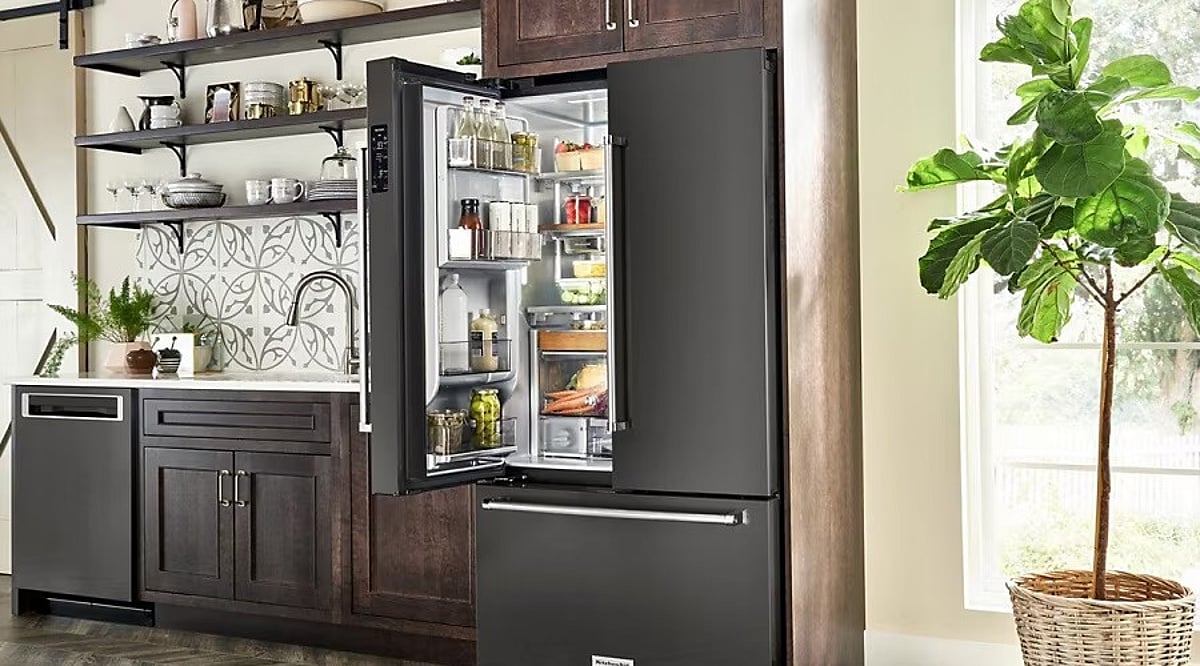
    Modern refrigerators can use significantly less electricity than older models, thanks to a combination of advanced compressors, improved insulation, efficient electronics, and smarter cooling systems. Since refrigerators run year-round, even small efficiency gains translate into noticeable savings on household energy bills.

    Inverter Compressors: Smarter Power Management

    One of the biggest innovations is the inverter compressor, which adjusts its speed based on cooling demand rather than turning fully on and off. This eliminates the frequent high-power startups that waste energy and helps maintain a more stable internal temperature. When less cooling is needed, the compressor runs at a lower speed, reducing unnecessary electricity consumption.

    Better Insulation and Door Seals

    Modern cabinets use advanced insulating materials, while magnetic gaskets create tighter seals around doors. This keeps cold air inside, reducing the workload on the compressor. Less cooling escapes, so the refrigerator doesn’t have to work as hard to maintain the set temperature.

    Smarter Cooling Systems and Electronics

    Today’s refrigerators incorporate sensors that monitor temperature changes, door openings, and cooling conditions. Efficient defrost systems, energy-saving fans, LED lighting, and improved control electronics further cut power use. These components work together seamlessly to optimize performance around the clock.

    Comparing Efficiency with BEE Star Labels

    In India, the Bureau of Energy Efficiency (BEE) star label helps consumers compare refrigerator energy consumption. Ratings range from 1 to 5 stars, with annual energy usage as the key metric. The label also includes model details, compressor type, and annual kWh figures for easy comparison.

    Keep in mind that the most efficient refrigerator isn’t always the largest or most expensive. Capacity affects electricity use, so compare similar-sized models using their annual kWh rating. In hot climates like Hyderabad, good insulation, tight door seals, and a higher-efficiency model become even more valuable.

    Before You Buy: What to Check

    If you’re considering replacing an old refrigerator, evaluate its age, current electricity use, cooling performance, and repair history. Compare the new model’s annual energy consumption against its purchase price and expected long-term savings. A refrigerator that uses less electricity can lower running costs over several years, making energy efficiency a critical factor in your buying decision.

  • Dual Inverter vs Single Inverter AC: Which Model Delivers Better Energy Savings in 2026?

    Dual Inverter vs Single Inverter AC: Which Model Delivers Better Energy Savings in 2026?

    Choosing a new air conditioner can be challenging, as manufacturers promote several technologies and efficiency features. Two of the most common names you will see are Single Inverter AC and Dual Inverter AC. Many people think a dual inverter AC always uses much less electricity, but that is not completely true. The real answer depends on more than one factor.

    If you compare two ACs with the same cooling capacity, such as 1.5 Ton, a dual inverter model usually uses a little less electricity than a single inverter model. However, the BEE star rating and ISEER value matter even more. A 5-Star single inverter AC with a higher ISEER can use less electricity than a 3-Star dual inverter AC. So, one should never choose an AC only because the product is marketed as a Dual Inverter model.

    What is a Single Inverter AC?

    A single inverter AC has one rotary compressor. This compressor changes its speed based on the room temperature. When the room becomes cool, the compressor slows down instead of stopping completely. When the temperature rises again, it speeds up. This system helps the AC avoid constant on and off cycles. As a result, the AC uses less electricity than a normal fixed-speed AC. It also keeps the room temperature more stable and reduces pressure on the compressor.

    What is a Dual Inverter AC?

    A dual inverter AC comes with a twin rotary compressor instead of a single rotary compressor. Some brands also call it a Dual Rotary compressor. The basic idea stays the same. The compressor changes its speed based on the cooling demand, but the twin rotary design allows smoother operation. The second rotary cylinder helps the compressor work more efficiently across different speeds. It also reduces vibration and noise. Because of this design, the AC cools the room faster and maintains the desired temperature with less effort. The advantages of dual inverter technology become more noticeable during extended daily operation, where smoother compressor performance can improve efficiency, reduce noise, and maintain more consistent cooling.

    Which One Uses Less Electricity?

    If buyers compare the dual inverter vs. single inverter AC based on their tonnage and average BEE star rating, it is observed that the dual inverter AC consumes roughly 5% to 10% less energy than the single inverter variant. The reason behind the energy efficiency of the dual inverter AC is because of the twin rotary compressor, which operates quite efficiently under low working conditions. However, that doesn’t make all the models of dual inverter AC superior to the single inverter AC models. For example, a single inverter AC that has a 5-Star energy rating and ISEER of 5.3 may consume fewer units of energy as compared to a dual inverter AC that has a 3-Star energy rating and an ISEER of 4.2. Thus, this example makes it clear that energy ratings are more significant than the type of compressor.

    Why Does a Dual Inverter Save More Power?

    The twin rotary compressor allows smoother movement inside the AC. It keeps the compressor stable and helps it run at lower speeds without extra effort. This design also reduces vibration and friction. Since the compressor does not need sudden speed changes, it avoids unnecessary power use during long cooling sessions. These small improvements add up over time. They become more noticeable when the AC runs for many hours every day.

    Real Electricity Consumption Example

    Consider two 1.5 Ton ACs with similar cooling capacities operating under identical conditions during one cooling season. If each unit runs for approximately eight hours per day, a typical single inverter AC may consume around 850 kWh of electricity over the season. Under the same conditions, a comparable dual inverter model may consume between 780 and 810 kWh. This translates to an estimated saving of 40–70 kWh, although the actual difference varies depending on the BEE star rating, ISEER value, thermostat setting, room insulation, and outdoor temperature.

    Other Benefits of a Dual Inverter AC

    A dual inverter AC typically delivers faster cooling after startup. The twin rotary compressor is designed for smoother operation, which helps reduce noise and vibration. This results in quieter performance and improved comfort during extended use. Many customers also notice better temperature control because the compressor adjusts its speed more smoothly. These features improve comfort, especially during long summer days and nights.

    Which AC Should One Buy in 2026?

    Daily usage should guide the decision. Households that use an AC for six to ten hours every day or keep it running throughout the night may benefit more from a dual inverter AC. The small reduction in electricity use can add up over several years, while quieter operation and faster cooling make daily use more comfortable. For households that use an AC for only two to four hours each day, a single inverter AC can offer better value for money. Comparing the BEE star rating and ISEER value before compressor technology is recommended, as a high-efficiency single inverter AC often proves to be a smarter purchase than a lower-rated dual inverter model.

    Final Verdict

    A dual inverter air conditioning system is generally more energy-efficient than a single inverter system, as it uses a dual rotary compressor that operates more efficiently during prolonged cooling periods. In most instances, its efficiency gains are not excessively great, as one should only expect savings of about 5% to 10% when all other criteria are the same. Buyers looking for an economical AC in 2026 should begin by comparing the BEE star rating and ISEER value of the models under consideration. The compressor type should be evaluated afterward. When two models have the same energy ratings, a dual inverter AC typically offers advantages such as quieter operation and faster cooling. However, if a single inverter AC has a significantly higher ISEER value, it may be the better choice for overall energy efficiency.

    FAQs

    1. Does a dual inverter AC always consume less electricity?
    No. A higher-rated single inverter AC with a better ISEER can consume less electricity than a lower-rated dual inverter model.

    2. How much electricity can a dual inverter AC save?
    Under similar conditions, it can save around 5% to 10% more electricity than a comparable single inverter AC.

    3. What should I check before buying an AC in 2026?
    First compare the BEE Star Rating and ISEER value, then consider whether it uses a single or dual inverter compressor.

    4. Is a dual inverter AC worth the extra cost?
    Yes, if you use your AC for 6–10 hours daily or overnight. The energy savings, quieter operation, and faster cooling can justify the higher price.

    5. Besides saving electricity, what are the benefits of a dual inverter AC?
    It offers faster cooling, quieter operation, lower vibration, smoother temperature control, and improved comfort during extended use.

  • Double-Door vs. Side-by-Side Refrigerators: Which Layout Suits Your Home Best?

    Double-Door vs. Side-by-Side Refrigerators: Which Layout Suits Your Home Best?

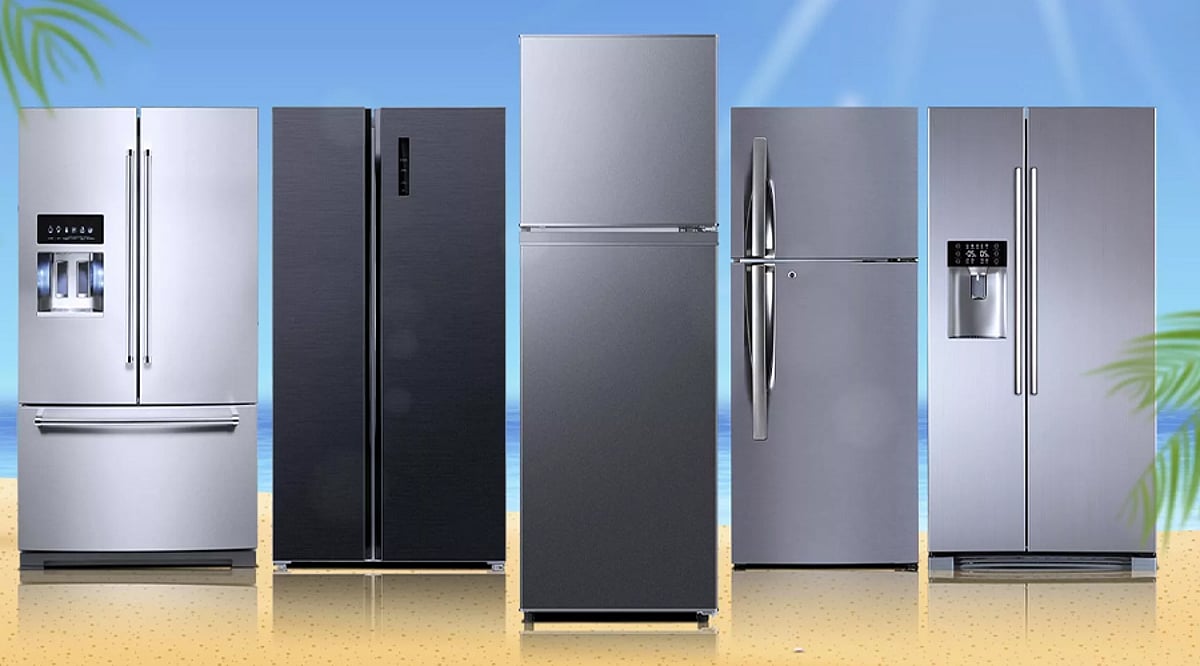
    Double-door and side-by-side refrigerators may look similar, but they are built for different priorities. From storage flexibility to energy use and convenience, each has distinct strengths. Comparing them side by side helps identify the better choice for your household.

    What Each Layout Actually Offers

    A double-door refrigerator puts most of its space toward fresh food, with the freezer sitting above or in its own section. A side-by-side splits the interior vertically instead, giving the fridge and freezer sections of approximately equal width. This layout makes both frozen and chilled items easier to reach, but it also hands over a bigger share of total space to the freezer. Therefore, a 500 to 550 liter side-by-side can end up with fresh food space no bigger than a smaller double-door model. For households that cook fresh food every day, the double-door often turns out to be the more practical pick.

    The Energy Question Most Articles Get Wrong

    Most comparison articles claim double-door models simply use less power. This claim does not hold up. Energy consumption depends on the BEE star rating and whether the compressor is inverter-based, not on the number of doors. A 5-star inverter refrigerator can use less than half the electricity of a 1-star model, regardless of layout.

    Side-by-side units do tend to land in lower star-rating bands on average. This pattern comes from their larger typical capacity and added features like water and ice dispensers, both of which draw extra power. The honest takeaway is not that double-door beats side-by-side on electricity. It is that the star label decides the outcome, not the door style.

    Making the Right Call

    A compact kitchen, daily fresh cooking, and a lower running cost point toward double doors. Ample clearance, heavy frozen storage, and eye-level access for both sections point toward side-by-side.

    Family size offers a useful shortcut too. Two to four member households usually manage well with a double-door model. Larger households of five or more, especially those that rely on frozen storage, tend to get more practical value from a side-by-side.

    Five Details that Decide the Purchase

    1. Fresh to frozen ratio: Frequent fresh shopping favors a double door even with a smaller total capacity.
    2. Kitchen clearance: Side-by-side doors need real swing room on both sides, along with sufficient cabinet width and ventilation space. Measuring the aisle before the showroom visit avoids a costly mismatch.
    3. Star rating settles energy: Comparing door types for efficiency misses the point. The kWh per year figure on the BEE label gives a direct, model-to-model answer.
    4. Wide items need wide shelves: Pizza boxes, large tiffins, and party trays sit more easily on a double door’s broader shelving than on a side-by-side’s narrower columns.
    5. Dispensers add convenience and cost: Built-in water and ice dispensers raise both the purchase price and the power draw. Filter replacements and dispenser upkeep add further ownership cost over time.

    Final Thoughts

    Refrigerator shopping in India still leans on showroom instinct more than spec sheets. The layout that looks more premium is not always the one that fits a kitchen’s real routine. As BEE ratings tighten and inverter compressors become standard across price bands, the gap between double-door and side-by-side will likely come down to usable space and household habits rather than badge value on the door.

  • How to Choose the Right Geyser in 2026: Expert Buying Guide

    How to Choose the Right Geyser in 2026: Expert Buying Guide

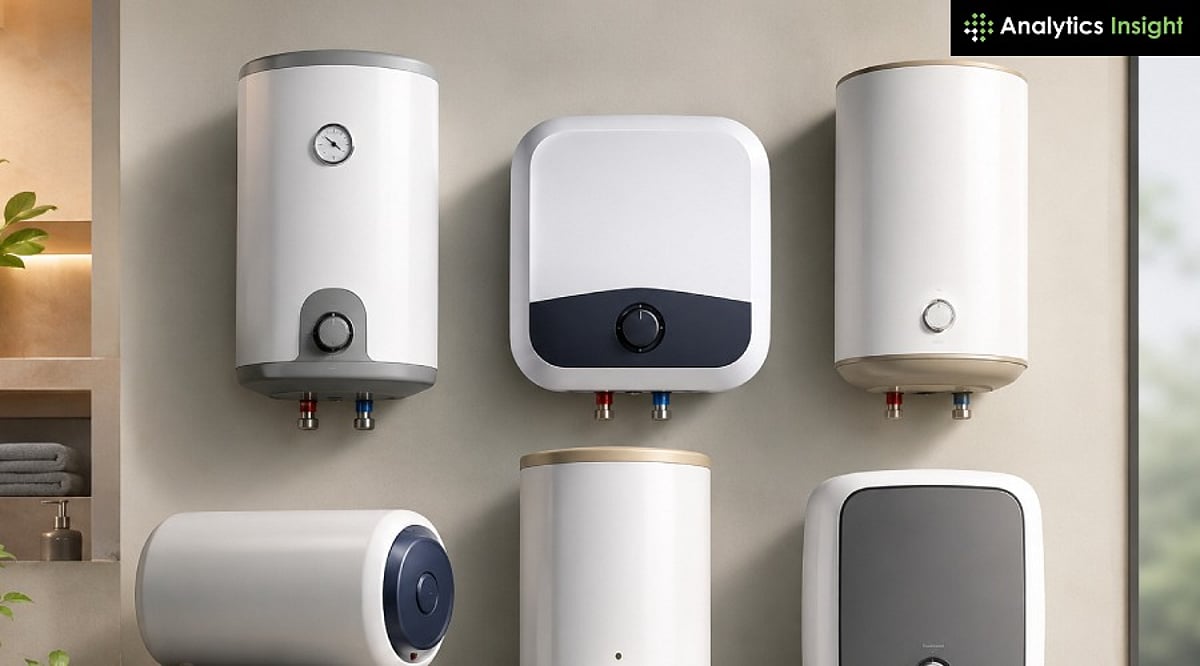
    A well-chosen water heater provides consistent hot water while keeping electricity consumption under control. With several geyser options available in 2026, understanding their differences is more important than ever. The right choice depends on your home, usage, and budget.

    Step 1: Pick the Type First

    Every other decision comes back to this one. An instant heater has no tank; it heats water as it flows through. That’s enough for one or two people who want a quick shower and don’t have space to spare. A storage geyser keeps a tank of hot water sitting ready, which matters when two bathrooms are running at once. Gas geysers heat cheaply but need ventilation and a gas line, so most apartments are out. Heat pump water heaters cost more initially but move heat instead of generating it from scratch—busy households will feel that difference on the electricity bill. For one or two people with modest needs, go for an instant heater. For households with more than three people, storage is usually the smarter call.

    Step 2: Size for Recovery Time, Not Just Family Size

    Capacity gets treated like a headcount problem, but the number that matters is recovery time: how fast the tank reheats once emptied. Two people showering back-to-back need a bigger tank or faster recovery, even in a small household. A 15L tank with slow recovery can leave the second person waiting fifteen minutes for warm water. A 10L model with a higher heating capacity may recover much faster. As a rough starting point, one or two people need 6 to 15 L, three or four need 15 to 25 L, and five or more should look at 25 to 35 L or a heat pump system. Push that number up if mornings are rushed.

    Step 3: Understand What Actually Drives the Electricity Bill

    BEE rates geysers on a 1 to 5-star scale based on standing loss—the energy lost keeping stored water hot while nobody’s using it. A 5-star tank loses less heat overnight than a 3-star tank of the same size. BEE published revised star-rating norms in the Gazette of India in December 2025, with new thresholds taking effect from July 1, 2026. A 5-star label bought this year is actually a stricter standard than one bought two years ago, even though the sticker looks the same.

    Wattage tells a different part of the story. Instant heaters pull more power, 3 to 4.5 kW, but only while water’s running. Storage heaters draw less, around 2kW, but stay on longer. For one person, instant usually costs less over a month. For a family running the geyser all evening, a well-insulated storage tank tends to win: it just reheats less often.

    Step 4: Match the Geyser to Your Water and Your Building

    Hard water shortens a geyser’s life faster than almost anything else. A glass-lined or enamel-coated tank resists corrosion, a magnesium anode rod helps protect the tank from rust, and an Incoloy heating element withstands hard-water conditions better than a standard copper element. Together, they improve durability and help extend the geyser’s service life.

    Pressure rating matters just as much, and it’s the one buyers skip most often. A 6.5 bar-rated unit is usually plenty for an independent house or low-rise building. High-rise apartments with running pressure pumps generally need 8 bar or higher. A standard-pressure geyser in a high-rise risks leaks or early failure, and most warranties won’t cover damage from exceeding the rated pressure. Worth checking before you buy, not after something leaks.

    Step 5: Don’t Skip Safety and Installation

    A geyser should carry BIS certification (ISI mark), along with a pressure relief valve and a thermostat with thermal cutoff. It should run on dedicated earthing with its own MCB rather than sharing a circuit. Instant geysers pulling 3kW or more need wiring rated for that load, so older homes should get this checked first. A mid-range geyser installed correctly is safer than a premium model installed carelessly, so budget for installation as part of the purchase.

    Quick Checklist Before Buying

    • Pick the type that fits the household size and daily hot water usage.
    • Choose capacity based on recovery time, not just the liters on the box.
    • Check the BEE star rating and make sure it meets the 2026 norms.
    • Confirm the geyser is compatible with your water quality and the pressure rating matches the building.
    • Look for ISI certification, a pressure relief valve, dedicated earthing, and proper installation.
    • Compare the tank warranty and the heating element warranty separately—they’re often not the same.

    Final Thoughts

    There’s no single geyser that’s right for every home. It comes down to family size, water quality, and the building itself, not whichever brand has the longest feature list. Get that part right, and everything else follows: lower bills, safer operation, fewer headaches years down the line.

    FAQs

    1. Which type of water heater is better: instant or storage?

    Instant water heaters are ideal for small households and quick hot water needs, while storage geysers are better for families requiring a steady supply of hot water for multiple users.

    2. What geyser capacity is suitable for a family of four?

    A 15L to 25L storage water heater is generally suitable for a family of four. The ideal capacity depends on bathing habits, the number of bathrooms, and simultaneous usage.

    3. How important is the BEE star rating when buying a water heater?

    The BEE star rating indicates a water heater’s energy efficiency. Higher-rated models consume less electricity over time, helping reduce energy bills without compromising performance.

    4. Can I use a regular geyser in areas with hard water?

    Yes, but choosing a model with a glass-lined tank, corrosion-resistant heating element, and magnesium anode rod helps improve durability and reduces damage caused by hard water.

    5. What safety features should I look for in a water heater?

    Choose a water heater with an ISI certification, thermostat, thermal cut-out, pressure relief valve (PRV), and proper earthing compatibility to ensure safe and reliable everyday operation.