
Tag: biodegradable packaging

  • 10 Innovative Green Technologies Combating Climate Change

    10 Innovative Green Technologies Combating Climate Change

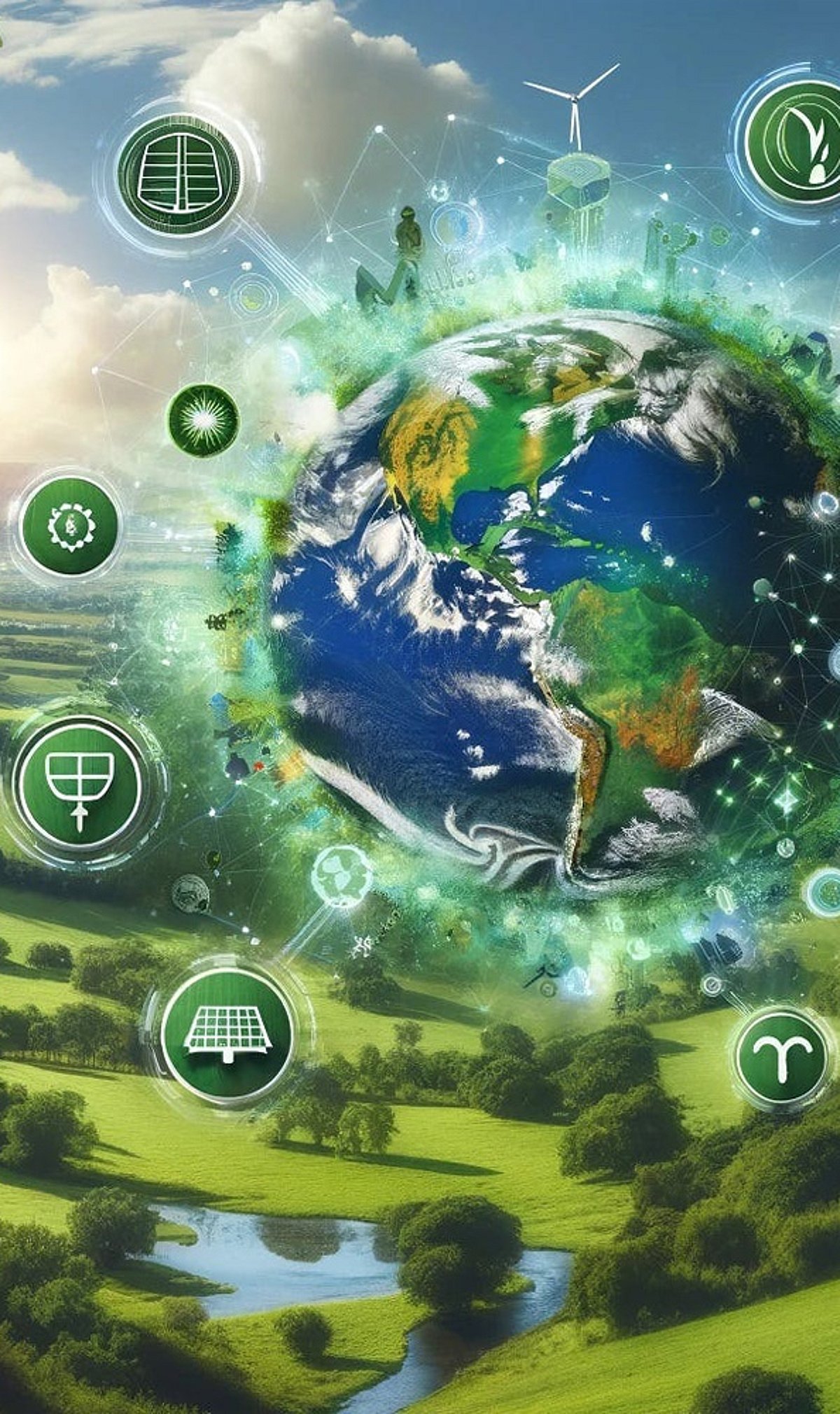
    10 Green Technologies Fighting Climate Change

    By Humpy Adepu

    The fight against climate change is being waged with a growing arsenal of green technologies. Here are ten key innovations making a significant impact:

    1. Solar Power Systems: Advanced photovoltaic panels convert sunlight into electricity, reducing dependence on fossil fuels while providing clean, renewable energy for homes worldwide.
    2. Wind Turbines: Modern wind farms generate electricity efficiently using powerful turbines, significantly lowering greenhouse gas emissions compared to conventional energy sources.
    3. Green Hydrogen: Produced using renewable electricity, green hydrogen offers carbon-free fuel for industries, transportation, and long-term energy storage applications globally.
    4. Carbon Capture Technology: Captures carbon dioxide emissions from industrial facilities, preventing greenhouse gases from entering Earth’s atmosphere and accelerating global warming.
    5. Electric Vehicles: Battery-powered transportation reduces fuel consumption, lowers urban air pollution, and supports cleaner mobility through advancing charging infrastructure worldwide.
    6. Smart Grids: Intelligent electricity networks optimize power distribution, integrate renewable energy sources, and improve efficiency while reducing transmission losses.
    7. Vertical Farming: Indoor agriculture uses less water, minimal land, and controlled environments, reducing transportation emissions while increasing sustainable food production.
    8. Biodegradable Packaging: Eco-friendly packaging materials naturally decompose, minimizing landfill waste and reducing environmental pollution caused by conventional plastic products.
    9. Ocean Cleanup Systems: Innovative floating technologies collect plastic waste from oceans, protecting marine ecosystems while preventing pollution from spreading across waterways.

    Read more stories and join our WhatsApp Channel to get the latest news, exclusives, and videos.

  • 10 Innovative Materials That Could Replace Plastic and Save the Planet

    10 Innovative Materials That Could Replace Plastic and Save the Planet

    Plastic pollution is one of the most pressing environmental challenges of our time. Fortunately, scientists and innovators are developing a range of sustainable materials that can serve as effective alternatives to traditional petroleum-based plastics. Here are ten remarkable materials that could revolutionize packaging, manufacturing, and consumer goods while reducing our reliance on plastic.

    1. Mycelium: Mushroom-Root Packaging

    Mycelium, the root structure of mushrooms, grows naturally into durable, biodegradable packaging. This material is already being used for protective shipping products and construction applications worldwide, offering a compostable alternative that breaks down harmlessly after use.

    2. Seaweed Bioplastic

    Seaweed-based materials decompose quickly and can replace single-use plastics. Unlike traditional crops, seaweed requires no freshwater, fertilizers, or agricultural land, making it an exceptionally sustainable choice for packaging and disposable items.

    3. Bamboo Fiber

    Bamboo is one of the fastest-growing plants on Earth. Its strong, renewable fibers are ideal for packaging, household goods, textiles, and disposable products. Bamboo cultivation has minimal environmental impact and does not require harmful pesticides or fertilizers.

    4. Hemp Plastic

    Hemp fibers produce lightweight, durable bioplastics that require fewer resources than conventional plastics. Hemp-based materials offer a renewable alternative for automotive components, consumer products, and packaging, with excellent strength and biodegradability.

    5. Cornstarch Bioplastic

    Derived from plant-based cornstarch, this biodegradable plastic substitute is widely used in food packaging, disposable cutlery, and environmentally conscious consumer goods. It breaks down more readily than petroleum-based plastics and reduces dependence on fossil fuels.

    6. Bagasse: Sugarcane Waste

    Bagasse is the fibrous residue left after sugarcane processing. This agricultural waste is transformed into compostable packaging, plates, and containers, reducing both plastic pollution and agricultural waste. It offers a practical, petroleum-free alternative for the food service industry.

    7. Chitin from Shellfish Waste

    Extracted from shrimp and crab shells, chitin creates biodegradable films and packaging with impressive strength, flexibility, and natural antimicrobial properties. This material turns seafood industry waste into a valuable resource for sustainable packaging solutions.

    8. PaperFoam

    This lightweight material combines plant starch and natural fibers to create compostable packaging that protects products while minimizing environmental pollution. PaperFoam is already used for electronics, cosmetics, and food packaging, offering a plastic-free alternative.

    9. PHA Biopolymer

    Produced naturally by microorganisms, PHA (polyhydroxyalkanoate) biodegrades safely in soil and oceans. This makes it an excellent sustainable plastic replacement for packaging, agricultural films, and medical devices. PHA breaks down completely without leaving harmful microplastics.

    10. Other Emerging Materials

    Researchers continue to explore new materials such as algae-based polymers, milk protein casein, and even spider silk proteins. These innovations promise to expand the range of plastic alternatives available for different applications.

    The transition to these materials requires investment in production infrastructure and consumer awareness. However, as demand for sustainable products grows, these eco-friendly alternatives are becoming more accessible and cost-effective. By choosing products made from these materials, consumers can help reduce plastic pollution and support a more sustainable future.