Tag: Biometric Authentication

  • Samsung Wallet Adds On-Device Fingerprint Authentication for UPI Payments in India

    Samsung Wallet Adds On-Device Fingerprint Authentication for UPI Payments in India

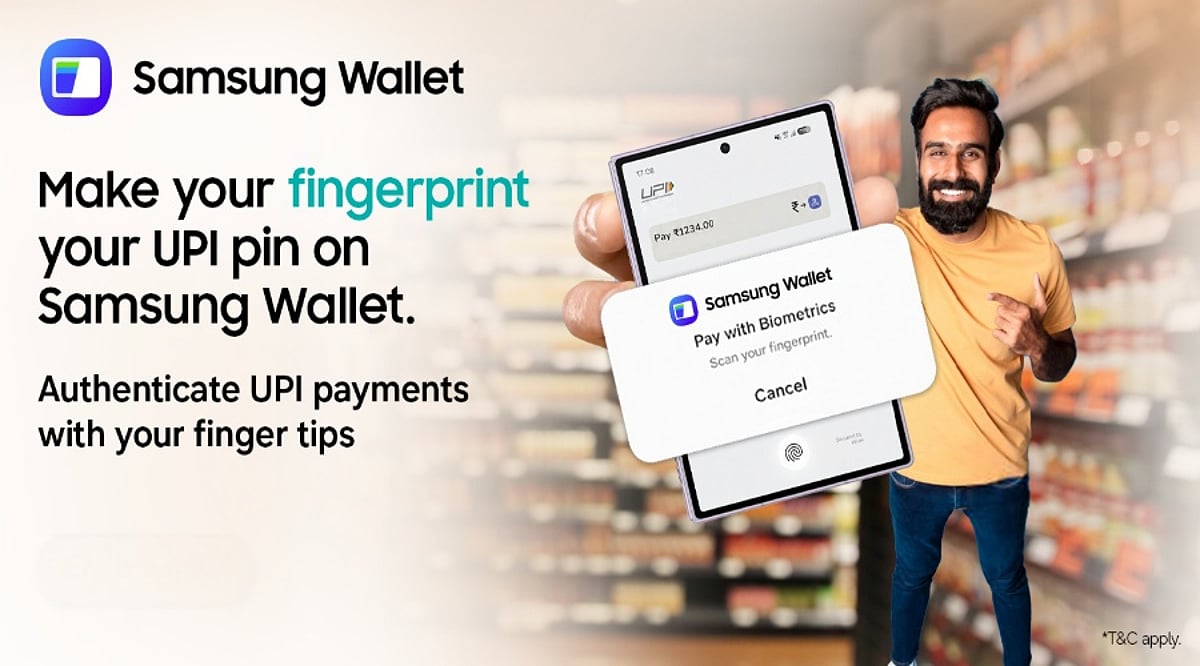
    Samsung India has announced a significant update to its Samsung Wallet service, enabling users to make UPI payments using their Galaxy device’s fingerprint sensor. The new on-device biometric authentication eliminates the need to enter a UPI PIN for transactions up to ₹10,000, making digital payments as simple as unlocking a phone.

    This feature enhances user privacy by keeping biometric data on the device and reduces transaction failures caused by mistyped PINs. By combining convenience, speed, and robust security, Samsung Wallet aims to simplify everyday UPI payments for Indian consumers.

    The update is part of Samsung’s ongoing efforts to improve digital payment experiences in India, where UPI has become the dominant payment method. Users with compatible Galaxy devices can now enjoy a frictionless payment process without compromising security.

  • Digital Wallets vs. Physical Cards: 7 Security Advantages You Need to Know

    Digital Wallets vs. Physical Cards: 7 Security Advantages You Need to Know

    Digital wallets are increasingly replacing physical cards for everyday payments, offering a range of security benefits that go beyond traditional methods. Here are seven key security advantages of using digital wallets over physical cards.

    1. Biometric Authentication Adds a Layer of Protection

    Digital wallets require authentication—such as Face ID, Touch ID, or a device passcode—before any payment can be made. This prevents unauthorized transactions even if someone gains access to your phone. For example, Apple Wallet mandates device authentication before using stored payment cards, providing an extra shield that many physical card transactions lack.

    2. Tokenization Protects Your Card Details

    Instead of sharing your actual card number with merchants, digital wallets use tokenization. A unique payment credential represents your card, and transactions include additional security codes. This makes stolen payment information far less valuable to attackers than an exposed physical card number, reducing the impact of potential data breaches.

    3. Reduced Risk of Card Skimming

    Digital wallets minimize exposure to traditional card skimming because you don’t need to insert a physical card into a payment terminal. Skimmers are designed to capture card data from physical transactions. Digital payments rely on tokenized credentials, although users should still be aware that fraudulent terminals can pose separate risks.

    4. Lost Phone Protection

    Losing your smartphone doesn’t automatically mean losing access to your payment cards. Device authentication prevents unauthorized use, and services like Apple Find My and Google Find My Device can help locate your phone or remotely disable wallet data. These controls give you additional options after a device is lost or stolen.

    5. Physical Cards Still Have Security Features

    Physical cards aren’t inherently unsafe. Modern chip and contactless payments also use tokenization and transaction-specific security mechanisms. However, physical cards can still be used through less secure magnetic-stripe systems in some situations. Digital wallets add another layer by keeping the physical card away from potentially compromised terminals.

    6. Digital Wallets Add Convenience

    Digital wallets let you carry payment cards on your smartphone or smartwatch instead of multiple physical cards. They also support payments within apps and online services. This convenience reduces dependence on a physical wallet while allowing you to authenticate transactions using the security controls built into your device.

    7. Security Still Depends on the Device

    While digital wallets offer strong security, users must still protect their devices. A strong passcode, updated software, and biometric authentication help reduce unauthorized access. Activate device-finding features and respond quickly if your smartphone is lost, stolen, or suspected of being compromised.

    Digital wallets provide robust security enhancements over physical cards, but they work best when combined with good device hygiene. By understanding these benefits, you can make informed choices about how to protect your payment information.

  • Key Cybersecurity Trends Driving Change in the Banking Industry

    Key Cybersecurity Trends Driving Change in the Banking Industry

    Banks are increasingly turning to advanced technologies and frameworks to protect digital assets and customer data. Here are the most significant cybersecurity trends shaping the banking sector.

    AI-Powered Fraud Detection

    Financial institutions are deploying artificial intelligence to analyze transaction patterns in real time, identify anomalies, and accelerate fraud detection while reducing financial losses across digital channels.

    Zero Trust Security

    The zero-trust model is gaining traction in banking. Instead of assuming trust based on network location, organizations continuously verify every user, device, application, and access request to minimize risk.

    Biometric Authentication

    Fingerprint scanning, facial recognition, voice verification, and behavioral biometrics are replacing traditional passwords. These methods strengthen customer verification and improve overall digital banking security.

    Cloud Security

    As banks migrate workloads to the cloud, they prioritize stronger encryption, identity and access controls, continuous monitoring, and secure configurations to protect sensitive data.

    Ransomware Protection

    Banking organizations are reinforcing backup strategies, endpoint security, network segmentation, and incident response plans to limit disruption from ransomware attacks.

    API Security

    The growth of open banking expands API exposure. Robust authentication, authorization, encryption, monitoring, and vulnerability testing are essential to safeguard financial data.

    Cyber Threat Intelligence

    Banks leverage threat intelligence feeds to track emerging attack methods, identify indicators of compromise, and adapt defenses against evolving cyber threats.

    Behavioral Analytics

    By examining patterns in customer and employee behavior, banks can detect unusual activities, account takeovers, insider threats, and potentially fraudulent transactions.

    Regulatory Compliance

    Changing cybersecurity regulations require stronger data protection, incident reporting, third-party risk management, governance, and operational resilience to meet compliance standards.

  • Money in Motion: The Key Technologies Transforming Digital Finance

    Money in Motion: The Key Technologies Transforming Digital Finance

    Digital finance is evolving at unprecedented speed. From artificial intelligence to biometric authentication, a range of technologies is changing how consumers and institutions handle money. Here is a closer look at the innovations reshaping payments, banking, and financial services.

    Artificial Intelligence

    AI is changing how banks and financial apps handle everyday money tasks. It can detect unusual transactions, assess risks, answer customer questions, and offer personalized financial services. AI also helps institutions process large amounts of data quickly, making digital payments and banking services faster, safer, and more responsive.

    Blockchain

    Blockchain provides a shared digital record that can track transactions without relying on a single central database. The technology supports cryptocurrencies, smart contracts, and other financial applications. Banks and businesses are exploring blockchain for faster settlements, cross-border payments, digital assets, and records that are easier to verify and trace.

    Mobile Payments

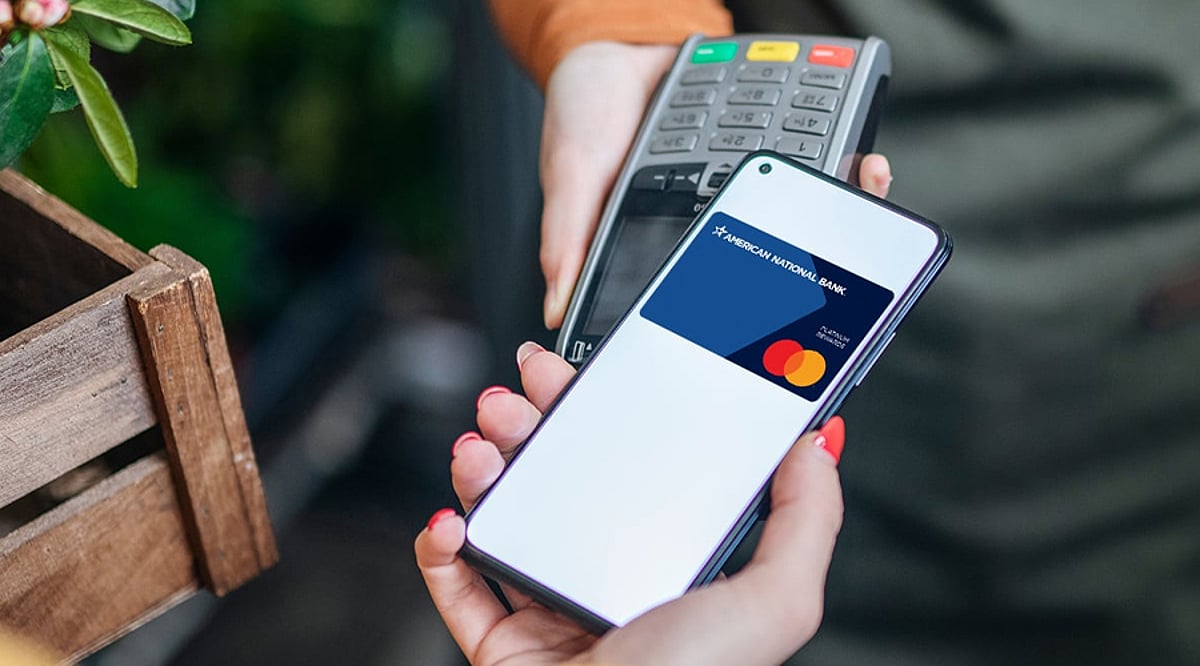
    Smartphones have become a central part of everyday finance. Users can pay bills, transfer money, shop online, and make purchases at physical stores through banking apps and digital wallets. QR codes and near-field communication have further simplified payments, reducing the need for cash and cards.

    Cloud Computing

    Cloud computing gives financial institutions flexible computing power and storage through internet-based systems. Banks use cloud infrastructure to run applications, manage data, and launch digital services without relying entirely on traditional hardware. It also supports faster updates and helps financial platforms handle changing customer demand.

    Open Banking

    Open banking allows customers to share financial information with authorized third-party services through secure APIs. This connects bank accounts with budgeting apps, payment platforms, lending services, and other financial tools. By making data easier to access with permission, open banking is creating more connected digital financial experiences.

    Biometric Authentication

    Biometric authentication uses features such as fingerprints, facial recognition, or voice patterns to confirm a user’s identity. It has become common across smartphones and financial applications, helping users access accounts and approve transactions. Biometrics make authentication quicker while adding another layer of identity verification to digital financial services.