
Tag: biotechnology

  • India’s Deep-Tech Boom: 9 Defining Technologies for 2026

    India’s Deep-Tech Boom: 9 Defining Technologies for 2026

    India is entering a new era of technological innovation. By 2026, a wave of deep-tech advancements is expected to reshape industries, businesses, and public services across the country. From artificial intelligence and semiconductors to space exploration and biotech, these are the key technologies driving India’s deep-tech boom.

    AI and Generative AI

    India’s AI ecosystem continues to expand rapidly, with applications spreading across business, research, and government services. Generative AI tools and platforms are becoming central to productivity and innovation, making advanced AI one of the most significant technology drivers of 2026.

    Semiconductor Technology

    India is investing heavily in semiconductor manufacturing, chip design, and related infrastructure. New fabrication plants and design centers are being developed to reduce reliance on global supply chains and strengthen the country’s electronics ecosystem.

    Quantum Computing

    Quantum technology is gaining momentum in India, with research focused on quantum computing, secure communications, advanced sensing, and future industrial applications. These developments could unlock entirely new capabilities across healthcare, finance, and logistics.

    Space Technology

    India’s space sector is opening up to private participation, fostering innovation in launch systems, satellites, Earth observation, and commercial space services. Startups and established companies alike are exploring new ways to make space more accessible.

    Robotics and Automation

    Robotics is moving beyond factory floors. Indian startups are developing intelligent machines for healthcare, logistics, agriculture, defense, and other real-world applications, bringing automation to everyday life.

    Advanced Drones

    Drone technology is expanding into agriculture, mapping, delivery, surveillance, and infrastructure inspection. These applications are creating new opportunities for deep-tech startups and transforming traditional industries.

    Biotechnology

    India’s biotechnology sector is advancing drug discovery, genomics, medical research, and agricultural innovation. These efforts are strengthening the country’s future pipeline of high-impact technologies.

    Electric Mobility Technology

    Battery innovation, electric vehicles, and charging infrastructure are transforming mobility in India. Deep-tech companies are developing more efficient energy solutions to support the shift to electric transportation.

    Defense Technology

    India’s defense sector is embracing drones, sensors, artificial intelligence, robotics, and space systems. A renewed focus on indigenous development is helping the country build self-reliant defense capabilities.

    Together, these technologies signal a transformative period for India, positioning the country as a major player in the global deep-tech landscape.
  • 10 Biotechnology Breakthroughs Transforming Modern Healthcare

    10 Biotechnology Breakthroughs Transforming Modern Healthcare

    The field of biotechnology is advancing at an unprecedented pace, bringing revolutionary changes to how we diagnose, treat, and prevent diseases. Here are ten key breakthroughs that are reshaping healthcare today.

    CRISPR Gene Editing

    This powerful tool enables precise modifications to DNA, offering promising treatments for inherited disorders, advancing cancer research, and paving the way for personalized medicine with unprecedented genetic accuracy.

    mRNA Vaccines

    The rapid development of mRNA vaccines has revolutionized infectious disease prevention, and the same technology is now being explored for cancer therapies and treatments for rare medical conditions.

    CAR-T Cell Therapy

    By engineering a patient’s own immune cells to target cancer more effectively, CAR-T cell therapy provides new hope for those with difficult-to-treat blood cancers around the world.

    Liquid Biopsies

    These tests detect cancers using simple blood samples, enabling earlier diagnosis, reducing the need for invasive procedures, and improving monitoring of treatment effectiveness over time.

    Personalized Medicine

    Using genetic information to tailor treatments improves effectiveness while reducing side effects across multiple diseases and diverse patient populations globally.

    AI-Assisted Drug Discovery

    Artificial intelligence accelerates the identification of promising drug candidates, shortening research timelines and helping pharmaceutical companies develop innovative treatments faster than ever before.

    Regenerative Medicine

    Stem cells and tissue engineering are being used to repair damaged organs, offering hope for treating chronic diseases and severe injuries that were once considered irreversible.

    Synthetic Biology

    By designing biological systems and engineered microorganisms, scientists can produce medicines, vaccines, and therapeutic proteins more efficiently and at lower cost.

    Wearable Biosensors

    Continuous monitoring of health indicators through wearable devices enables early disease detection, personalized care, and real-time medical insights for both patients and healthcare providers.

  • Colossal Biosciences Eyes $20 Billion Valuation as De-Extinction Efforts Gain Investor Momentum

    Colossal Biosciences Eyes $20 Billion Valuation as De-Extinction Efforts Gain Investor Momentum

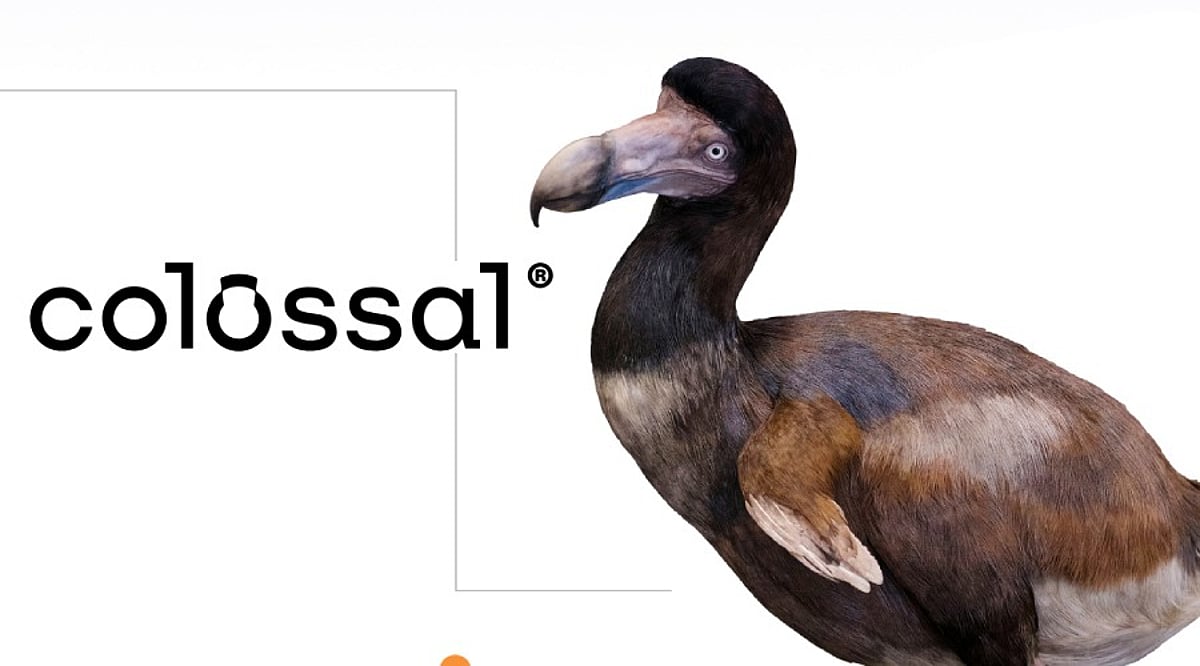
    Colossal Biosciences, the U.S. biotechnology company working to resurrect extinct species such as the woolly mammoth and the dire wolf, is reportedly in talks to raise new capital at a valuation of at least $20 billion. According to a report by Axios, the funding round could value the Dallas-based startup between $20 billion and $30 billion, nearly doubling its $10.2 billion valuation from early 2025. While the lead investor has not been disclosed, discussions have been ongoing for months and are said to be nearing completion.

    From Ambitious Science to Commercial Growth

    Founded in 2021 by entrepreneur Ben Lamm and Harvard geneticist George Church, Colossal is known for its “de-extinction” technology, which uses gene-editing techniques to recreate the traits of species that vanished thousands of years ago. Unlike its previous funding round when the company was pre-revenue, Colossal is now generating income — a significant shift in its business model. Investors view its technology as applicable beyond wildlife conservation, extending to pharmaceuticals, biodiversity preservation, climate adaptation, and longevity research.

    Recently, Colossal announced it had successfully hatched chicks from artificial eggs, a step toward reviving the extinct giant moa bird. CEO Ben Lamm has stated that the company plans to develop an artificial womb for mammals within the next year.

    Conservation Mission Draws Investor Interest

    Beyond de-extinction, Colossal collaborates with governments and research institutions to preserve the genetic material of endangered species. It has also spun off two businesses focused on plastic degradation and DNA analytics, broadening its commercial portfolio. The fundraising effort comes amid growing investor appetite for deep-tech startups, driven by advances in artificial intelligence, biotechnology, and climate innovation.

    Critics Urge Caution

    Despite billions in funding, Colossal remains under close scrutiny from scientists and conservation experts. Some critics argue that bringing back extinct animals generates headlines but does little to address the immediate threats facing living species. Others worry about ecological ripple effects: if genetically engineered animals are reintroduced into current ecosystems, they could disrupt food webs or compete with existing species. Colossal maintains that the technologies developed for de-extinction are also designed to bolster protection programs for species that still exist.

  • Breakthroughs in Sustainable Agriculture: MIT’s Latest Research and Innovations

    Breakthroughs in Sustainable Agriculture: MIT’s Latest Research and Innovations

    MIT News covers a wide range of groundbreaking research in agriculture, from climate resilience and urban farming to methane reduction and next-generation fertilizers. The following articles highlight recent discoveries and initiatives that are shaping the future of sustainable food production.

    Place-Based Pathways to a Viable Future

    The Living Climate Futures Symposium explored climate challenges and solutions at the community level, emphasizing local adaptation strategies.

    Testing Sustainable Agriculture in Barcelona

    Students in a MISTI Global Classroom confronted the challenges of climate change during farm and co-op visits in Barcelona.

    Plants Can Sense the Sound of Rain

    MIT engineers discovered that rice seeds sprout faster when exposed to the sound of rain, opening new avenues for plant communication research.

    From Idaho to MIT: Cutting Methane Emissions

    PhD student Audrey Parker studies methane mitigation in dairy farms and coal mines, aiming to reduce a potent greenhouse gas.

    Seeds of Something Different

    Kate Brown’s book Tiny Gardens Everywhere uncovers the hidden history and politics of urban farming.

    Nitrous Oxide and Soil Bacteria

    Fertilizer use increases nitrous oxide levels, which can harm beneficial soil bacteria that support plant growth.

    Designing Resilient Plants from the Cell Up

    Foray Bioscience, an MIT startup, engineers single plant cells to create novel materials and sustainable solutions.

    Bridging Science and Society in the Bioeconomy

    Course STS.059 explores the social and political factors shaping biotechnology and biological engineering.

    Regenerative Aquaculture in Arkansas

    MIT student Kiyoko Hayano worked with Keo Fish Farms to build a model for regenerative water systems.

    Post-COP30: Aggressive Climate Policies Needed

    The 2025 Global Change Outlook report highlights the need for accelerated action to cap warming at 1.5°C.

    Mind, Hand, and Harvest

    A volunteer pilot program brings low-cost organic produce to the MIT community.

    From Nanoscale to Global Scale

    MIT.nano’s cleanroom now bears the name of Robert Noyce, supporting advances in manufacturing, health, and climate.

    Returning Farming to City Centers

    Course 4.182, Resilient Urbanism: Green Commons in the City, teaches sustainable urban agriculture.

    Packard Fellows for Science and Engineering

    Darcy McRose and Mehtaab Sawhney recognized for research on antibiotics in ecosystems and agriculture.

    Engineering Next-Generation Fertilizers

    MIT postdoc Giorgio Rizzo uses plant chemistry to design sustainable fertilizers that could reshape farming.