Tag: Bitcoin

  • Bitcoin Drops to $63,235 as Ethereum, XRP, and Solana Slide Ahead of Fed Rate Decision

    Bitcoin Drops to $63,235 as Ethereum, XRP, and Solana Slide Ahead of Fed Rate Decision

    Bitcoin fell near $63,235 on Tuesday, extending recent losses as investors adopted a cautious stance ahead of the Federal Reserve’s two-day policy meeting. The broader cryptocurrency market also declined, with Ethereum, XRP, and Solana posting sharper drops than Bitcoin. Rising Treasury yields and a spike in rate hike odds have dampened risk appetite across trading desks.

    Bitcoin Price Today

    Bitcoin is trading at $63,235.23, down 3.15% over the past 24 hours, according to CoinMarketCap. Its market capitalization stands at approximately $1.26 trillion, with 24-hour trading volume of $27.81 billion. Price action remains tied to Fed rate expectations and shifting ETF flow trends.

    Selling Pressure Builds Ahead of FOMC

    Akshat Siddhant, Lead Quant Analyst at Mudrex, noted that Bitcoin came under renewed selling pressure as investors trimmed exposure to risk assets. The US 10-year Treasury yield climbed 14 basis points, lifting demand for fixed income. A dovish tone from the Fed could support a rebound toward $66,000–$68,000, while a hawkish surprise risks a slide toward $61,000.

    Recovery Slows Below Key Resistance

    Vikram Subburaj, CEO of Giottus, placed Bitcoin near $65,000, up more than 12% from its early July low. However, the recovery has slowed below the key $68,000 resistance level. Spot Bitcoin ETFs booked net outflows over the past two sessions after strong mid-July inflows. Ethereum traded near $1,893 and outperformed Bitcoin during the same period.

    BTC and ETH Outperform Equities in July

    The CoinSwitch Markets Desk reported that Bitcoin briefly moved toward $66,000 on easing US-Iran tensions. Elevated Treasury yields continue to limit broader risk appetite. BTC and ETH have still outperformed equities in July, gaining close to 11.6% and 24.6%, respectively. Bitcoin held above its 21- and 50-day moving averages near $64,300 and $63,300. A move above $66,000–$67,000 is needed to confirm stronger buying interest.

    ETF Outflows Highlight Fragile Conviction

    Nischal Shetty, founder of WazirX, said Bitcoin remains under pressure as investors weigh easing tensions against uncertainty around the Fed. Over $465 million in spot Bitcoin ETF outflows late last week point to fragile institutional conviction. Bitcoin trades near $63,050, with immediate support at $62,500–$62,800. Ethereum trades near $1,871, with resistance building between $1,900 and $1,920.

    Leveraged Positions Unwind Sharply

    Riya Sehgal, Research Analyst at Delta Exchange, noted that risk assets fell under pressure ahead of the Fed’s meeting. Bitcoin dropped sharply toward $63,000, triggering a heavy unwinding of leveraged positions. CoinGlass data showed 165,529 traders liquidated over 24 hours, totaling nearly $682 million. The $62,800–$63,000 zone stands as the first key demand area for buyers.

    Crypto Prices Today: Top 10 Coins at a Glance

    Based on live CoinMarketCap data as of today’s session.

    Biggest Losers: HYPE, XRP, SOL

    Hyperliquid led the decline, shedding nearly 7% through the session on heavy volume. XRP followed with a sharp drop, while Solana also slipped well below its weekly range.

    Relative Resilience: USDT, USDC, BNB

    Stablecoins held their pegs, remaining nearly flat amid the broader sell-off. BNB posted the smallest decline among majors, losing just over 1.5%.

    Key Headlines Impacting Prices

    Fed Meeting Kicks Off With Hawkish Undertones

    The Federal Reserve’s two-day policy meeting begins today, with a decision due Wednesday. Rate hike odds have climbed sharply this month under Chair Kevin Warsh, unsettling risk assets. CME’s FedWatch data shows a rising probability of a surprise hike this cycle. Traders across equities and crypto view this meeting as the week’s defining catalyst.

    Bitcoin ETF Streak Breaks After Strong Mid-July Run

    Spot Bitcoin ETFs booked a third straight week of inflows despite late losses near $465 million. BlackRock’s IBIT product accounted for nearly $415 million of those recent outflows. The reversal followed a strong run led by IBIT and Fidelity’s FBTC funds earlier this month. The break in momentum has weakened near-term sentiment across trading desks.

    CLARITY Act Momentum Fades Ahead of Recess

    The crypto market structure bill remains stalled in the Senate over ethics provisions. Republicans hold 53 seats and need seven Democratic votes to clear the required threshold. Prediction markets have cut 2026 passage odds sharply from earlier estimates. The delay keeps regulatory uncertainty elevated for exchanges and institutional desks.

    Investor and Market Outlook

    Bitcoin holds near $63,235 as traders weigh fragile ETF flows against Fed rate uncertainty. A close above $66,000 could open a path toward the $68,000 resistance zone. A slip below $62,500 risks exposing deeper support closer to $61,000 in coming sessions. Ethereum trades near $1,878, holding above key support after a volatile weekly session. Altcoins including Hyperliquid and Solana remain the most sensitive to shifts in risk sentiment.

  • Ethereum Surges Past Bitcoin Amid Record ETF Inflows and Surging Staking Demand

    Ethereum Surges Past Bitcoin Amid Record ETF Inflows and Surging Staking Demand

    Ethereum extended its July rally as ETF inflows and staking demand reduced available supply. ETH outperformed Bitcoin and moved toward $2,000. Traders now watch institutional flows, network upgrades, and key technical levels for further direction.

    ETF Demand and Staking Tighten Ethereum Supply

    Ethereum gained 2.5% to $1,911 as institutional ETF demand and staking activity supported its July advance. The asset has jumped nearly 20% this month, ahead of Bitcoin’s 11.7% gain. Bitcoin remained between $64,000 and $66,500 as traders assessed Federal Reserve rate uncertainty.

    BlackRock’s Ethereum funds recorded $99.2 million in net inflows during the five days ending July 24. Meanwhile, cumulative inflows into US spot Ethereum ETFs moved above $11 billion. On-chain data also showed exchange reserves falling to 15.1 million ETH. At the same time, Ethereum’s staking entry queue reached 2.53 million ETH, showing continued demand for validator participation.

    The validator exit queue fell to zero for the first time since September 2025. As a result, validators can process unstaking requests without the earlier backlog of more than 2.6 million ETH.

    Major staking providers, including Lido and Coinbase, help users enter and exit staking. The empty exit queue reduces immediate pressure from delayed withdrawals while the large entry queue limits available market supply.

    BitMine also plans to target 5% of Ethereum’s supply. Together, ETF purchases, exchange outflows, and staking demand show sustained accumulation across institutional and on-chain channels.

    Ethereum Breakout Shifts Attention Toward $2,000

    Ethereum moved above its recent consolidation range and traded above its seven-day and 30-day moving averages. Its 14-day relative strength index reached 56.01, indicating positive momentum without overbought conditions. The Altcoin Season Index climbed 7.84% during the past week. That move suggested some capital had rotated away from Bitcoin as Ethereum outperformed the largest cryptocurrency.

    Can Ethereum sustain its lead if ETF inflows slow before the next network upgrade? Near-term direction depends on institutional demand and developer updates for Glamsterdam, scheduled for September or October 2026.

    The market now faces support near $1,850 and resistance around $1,920. A daily close above the 23.6% Fibonacci retracement at $1,850.21 would maintain the breakout structure.

    Continued demand could send ETH toward the recent swing high near $1,955 and then the $2,000 level. Still, weaker ETF flows or softer market sentiment could trigger a retest of the 50-day exponential moving average near $1,823.

    Traders will monitor the next ETF flow figures, changes in staking queues, and updates to the Glamsterdam schedule. Those data points will shape Ethereum’s near-term position against Bitcoin and the wider altcoin market.

  • Bitcoin Holds Above $65,400 as Buyers Eye Breakout Toward $66,000

    Bitcoin Holds Above $65,400 as Buyers Eye Breakout Toward $66,000

    Bitcoin traded near $65,478 on July 27, 2026, after reaching an intraday high of $65,511 and a low of $65,454 on the Bitstamp 5-minute chart. The leading cryptocurrency maintained its position above the psychologically important $65,000 level despite a minor pullback from the day’s peak, signaling that buyers remain firmly in control.

    Technical indicators continue to paint a bullish picture. The price stayed above the middle Bollinger Band, while the upper band expanded following the recent breakout—a configuration that often precedes stronger price movement after a period of consolidation. The 20-period moving average also trended higher, reinforcing support for the current uptrend.

    Technical Picture Remains Positive

    Bitcoin opened the session below $64,700 before buyers stepped in with conviction. Within hours, the price surged past $65,500, supported by rising trading volume that indicated fresh capital inflows rather than mere short-covering. After the initial spike, the price stabilized in a tight range, a pattern that typically reflects strong conviction among bulls. Many traders view this consolidation as a healthy pause before the next leg higher.

    The Bollinger Bands widened after the breakout, confirming an increase in volatility. The middle band at $65,350 now serves as a key support level. As long as Bitcoin trades above this threshold, the bullish bias remains intact.

    RSI Shows Healthy Momentum

    The Relative Strength Index (RSI) settled near 64, just below the overbought zone. Earlier in the session, the indicator climbed higher before cooling off alongside the price pause. An RSI above 60 typically signals robust buying pressure. The current reading suggests momentum remains positive without reaching extreme levels, and as long as the RSI stays above the neutral 50 mark, the short-term trend should continue to favor buyers.

    Important Price Levels to Watch

    Bitcoin now faces immediate resistance between $65,550 and $65,600. Sellers have defended this zone multiple times during today’s session, making it a critical level for the next directional move. A breakout above this area on strong volume could propel Bitcoin toward $65,800 and then the psychological $66,000 target.

    On the downside, the first support sits near $65,350, reinforced by the middle Bollinger Band. The next support level lies around $65,150, which aligns with the earlier breakout area. If Bitcoin drops below this level, the price could revisit $65,000. However, the chart structure continues to favor buyers unless that key support gives way.

    Market Mood Stays Bullish

    The broader cryptocurrency market remains optimistic. Today’s breakout injected fresh confidence among traders. Although Bitcoin fell just short of its session high, there have been no signs of aggressive selling pressure. Some profit-taking occurred near resistance, but buying activity quickly absorbed the selling, reflecting a market with strong underlying demand.

    Traders are now watching for a decisive close above $65,600, which would confirm the potential for further upside.

    Latest Bitcoin News

    Institutional demand continues to support Bitcoin’s price. U.S. spot Bitcoin ETFs have recorded fresh net inflows after several weeks of mixed activity, helping to improve sentiment across the crypto market. Investors are also closely monitoring the upcoming U.S. Federal Reserve policy meeting, as interest rate expectations remain a key driver for Bitcoin and other risk assets.

    On-chain data is equally encouraging. Exchange reserves remain relatively low, indicating that fewer coins are available on trading platforms. This trend typically reduces selling pressure, as investors prefer to hold Bitcoin in long-term storage. Analysts emphasize that institutional demand continues to play a major role in Bitcoin’s recent strength.

    Why This Matters

    Bitcoin remains the largest cryptocurrency by market capitalization, and its price action often sets the tone for the entire digital asset market. A strong move above key resistance levels can boost confidence and attract additional buyers, while a sharp decline could dampen sentiment. Traders, investors, and institutions closely watch Bitcoin because its performance frequently influences other cryptocurrencies.

    Outlook

    After today’s rally, Bitcoin remains in a strong position, trading above all major support levels. Rising volume, ascending moving averages, expanding Bollinger Bands, and an RSI near 64 all support the bullish trend. If Bitcoin breaks above $65,600, expect increased buying momentum toward $66,000. Conversely, a drop below $65,350 could trigger a pullback to $65,150 before fresh buying emerges.

    For now, Bitcoin appears robust rather than vulnerable. The price is building solid support above former breakout levels, underpinned by strong demand from key market participants.

    Frequently Asked Questions

    1. What is Bitcoin’s price today?

    Bitcoin traded near $65,478 today after hitting an intraday high of $65,511 and a low of $65,454. The asset maintained its position above the key $65,000 level despite minor pullbacks.

    2. What is the next resistance level for Bitcoin?

    Immediate technical resistance for Bitcoin sits between $65,550 and $65,600. A strong breakout above this hurdle could boost buying confidence, pushing the asset toward $65,800 and the psychological $66,000 target.

    3. What support level should traders watch?

    Traders should closely monitor primary support near $65,350, aligned with the middle Bollinger Band. If prices drop further, secondary support sits around $65,150, followed by the critical $65,000 price boundary.

    4. What does the RSI indicate today?

    The Relative Strength Index hovers around 64, signaling healthy buying momentum. This indicates solid market demand without pushing into overbought territory, suggesting that the current short-term trend remains favorable.

    5. Why is Bitcoin gaining support?

    Bitcoin’s price strength is driven by fresh spot ETF inflows, reduced exchange reserves indicating long-term holding, stable interest rate expectations, and strong technical indicators that reinforce ongoing bullish sentiment.

  • Bitcoin Holds Steady Near $65,260 as Ethereum Surges Over 3.6% Ahead of Fed Meeting

    Bitcoin Holds Steady Near $65,260 as Ethereum Surges Over 3.6% Ahead of Fed Meeting

    Bitcoin traded near $65,260 on Monday, holding gains from last week’s volatile session as traders turned their attention to the Federal Reserve’s July 28–29 policy meeting. Ethereum, Hyperliquid, and Solana outperformed the leading cryptocurrency, while spot Bitcoin ETF inflows weakened after a strong run earlier in July.

    Bitcoin Price Today

    Bitcoin (BTC) is currently trading at $65,260.76, up 1.27% in the past 24 hours, according to CoinMarketCap. Its market capitalization stands near $1.3 trillion, with 24-hour trading volume of $16.07 billion. Price action remains tied to Fed rate expectations and shifting ETF flow trends.

    Market Analyst Insights

    Middle East Tensions Weigh on Risk Appetite

    Akshat Siddhant, Lead Quant Analyst at Mudrex, noted that Bitcoin is showing signs of recovery near $65,000 after holding support above $63,000 last week. However, the rebound is weak because US spot ETFs closed the week with net outflows. Markets now price a 38% probability of a Fed rate hike, sharply up from 13% a week earlier.

    Fed Decision Remains the Key Catalyst

    Vikram Subburaj, CEO of Giottus, said Bitcoin is near $65,200 after a 13% bounce from July’s low. The rebound was initially supported by nearly $1 billion in ETF inflows, but outflows of $465 million on July 23 and 24 weakened that support. He advised investors to avoid chasing the rally until Bitcoin clears $68,000.

    Support Holds as Dormant Supply Shrinks

    The CoinSwitch Markets Desk highlighted that Bitcoin held above $65,000 despite geopolitical tensions. Dormant Bitcoin activity fell to its lowest level since Q3 2022, suggesting long-term holders are trimming sales into recent strength. A sustained break above $66,000 could open the path toward $68,000.

    Institutional Conviction Stays Intact

    Nischal Shetty, founder of WazirX, noted that crypto markets opened the week on steady footing. Bitcoin traded near $65,100, while Ethereum hovered close to $1,944. He pointed to gradually improving regulatory clarity across major markets, with institutional participation providing underlying support.

    Bitcoin Structure Stays Constructive Above Key Levels

    Riya Sehgal, Research Analyst at Delta Exchange, said Bitcoin is consolidating near $65,200 after facing supply near $66,500. Its four-hour structure remains moderately bullish above major moving averages. A close above $67,000 could open the door toward $68,000, while a breakdown below $64,200 risks exposing the $62,500 zone.

    Crypto Prices Today: Top 10 Coins at a Glance

    Based on live CoinMarketCap data as of today’s session:

    • Biggest Gainers: ETH (+3.7%), HYPE (+3.08%), SOL (+1.68%)
    • Relative Laggards: TRX, XRP, USDT (flat to marginal gains)

    Key Headlines Impacting Prices

    CLARITY Act Momentum Fades

    Senate Majority Leader John Thune conceded that the crypto market structure bill will not clear Congress before August. Republican and Democratic lawmakers remain divided over ethics provisions. Prediction markets have cut 2026 passage odds to roughly 35%.

    Bitcoin ETF Inflow Streak Loses Steam

    Spot Bitcoin ETFs saw a strong run of inflows through mid-July, led by BlackRock’s IBIT and Fidelity’s FBTC. That momentum broke on July 23 when roughly $225 million exited the funds in a single session, closely coinciding with Bitcoin’s brief price pullback.

    Coinbase Rolls Out Payments for AI Agents

    Coinbase introduced a new feature allowing corporate clients to accept payments from AI agents, using the x402 protocol. This highlights growing overlap between AI tools and blockchain payment infrastructure, seen as an early step toward autonomous, agent-driven commerce.

    XRP Whales Accumulate Despite Slower ETF Pace

    Large XRP holders increased their positions this week despite cooling ETF inflows. Ripple continues strengthening its institutional footprint through fresh banking partnerships globally. XRP holds above $1.10, supported by its EU MiCA license.

    Fed Rate Decision Set to Guide Near-Term Direction

    The Federal Reserve meets on July 28–29, with rates expected to hold between 3.50% and 3.75%. Markets are pricing a rising probability of a hawkish tone. Any shift in language around inflation could quickly reprice risk assets, including Bitcoin.

    Investor and Market Outlook

    Bitcoin holds near $65,260 as traders weigh fading ETF momentum against Fed rate uncertainty. A close above $66,000 could open the path toward $68,000 resistance, while a slip below $64,200 could expose $62,500 support. Ethereum trades near $1,953, testing resistance near $2,000. Altcoins like Hyperliquid and Solana continue to show relative strength. The Fed’s decision remains this week’s defining catalyst.

    FAQs

    What is the Bitcoin price today? Bitcoin trades near $65,260.76, up 1.27% over the past 24 hours. Support holds near $64,200, resistance between $66,000 and $68,000.

    Why is the Fed meeting affecting crypto prices? Traders are pricing a rising chance of a hawkish surprise. Higher rate expectations typically pressure risk assets. A dovish tone could lift prices.

    What is the biggest crypto news today? The CLARITY Act’s stalled Senate momentum, cooling ETF inflows, Coinbase’s AI agent payments, and BNY Mellon’s tokenization plans are shaping sentiment.

    Which coins are performing best today? Ethereum (+3.7%), Hyperliquid, and Solana lead gainers. Stablecoins and XRP are flat.

    What should investors watch this week? Track the Fed’s July 28–29 meeting, ETF flow trends, Bitcoin’s key support zones, and Senate action on the CLARITY Act.

  • Proven Bankroll Management Tips for Bitcoin Dice Games

    Proven Bankroll Management Tips for Bitcoin Dice Games

    Smart bankroll management is essential for anyone playing Bitcoin dice games. It means deciding how much you will risk, how much to bet per roll, and when to stop — all before you start playing. In fast-paced crypto dice, where a round settles in seconds, having a plan keeps your session alive and your funds protected.

    No system can turn the odds in your favor, so a strong Bitcoin dice strategy is really about money management. This guide covers small bankroll strategies for Bitcoin dice games that every player should know.

    What Are Smart Bankroll Strategies for Bitcoin Dice Games?

    These simple rules protect your funds from a single bad streak. They fix your budget, bet size, and exit points, so emotion does not run the session. In crypto dice games, rolls settle in seconds and the odds are fixed, so discipline counts more than any clever pattern.

    The core rules are short:

    • Set a fixed bankroll you can afford to lose, kept separate from rent or savings.
    • Bet a small, fixed share of that bankroll on each roll.
    • Decide a loss limit and a win target before your first bet.

    Every dice game has a house edge, usually near 1% and up to about 5%. The math favors the site over time, so you can only manage risk, not erase it.

    How Much of Your Crypto Bankroll Should You Bet Per Roll?

    A safe bet size is 1% to 2% of your total funds on any single roll. On a 0.02 BTC bankroll, that is roughly 0.0002 to 0.0004 BTC per bet. This bet sizing helps you survive a long cold streak without wiping out.

    Here is a simple way to size and protect your roll:

    • Split your bankroll into 100 units, each one standard bet.
    • Keep every roll to one or two units, even when you feel hot.
    • Bring only a single session’s worth of funds to the table.
    • Hold your funds in a stablecoin such as USDT, so a coin price swing does not add extra risk.

    Flat, small bets are the core of good bankroll management for crypto dice — a rule the Responsible Gambling Council also stresses.

    How to Set Stop-Loss and Stop-Win Limits for a Dice Session

    A stop-loss limit is what you will lose before quitting; a stop-win is the profit that makes you cash out. A common setup pairs a stop-loss limit near 20% to 30% of your session bankroll with a 50% win target.

    Put both in place before the first roll:

    • Stop-loss: quit once you are down 20% to 30%, and do not top up the balance.
    • Stop-win: bank the funds and stop after a 50% gain.
    • Time cap: set a timer; long sessions grind your bankroll against the edge.
    • Walk away: when a limit hits, close the tab. The limit only works if you respect it.

    Some crypto sites, Moonbet among them, let you set deposit and cool-off limits that enforce these caps. Chasing a loss with bigger bets busts a bankroll, which GambleAware warns against.

    Do Betting Systems Like Martingale Protect Your Bankroll?

    Popular progressions change the size and timing of your bets, but none shield you from the house edge. They smooth or sharpen your swings — nothing more. The Martingale system is the best-known example; here is how the three common ones treat your funds.

    A disciplined Bitcoin dice strategy can use a system for structure, but keep every step within your 1% to 2% bet size. Crypto dice betting systems manage variance, not profit.

    How Low House Edge and Rakeback Stretch Your Dice Bankroll

    Every bet has a cost to the site, and that cost is the one thing you can influence. The house edge on most crypto dice games sits near 1%. Rakeback hands back a slice of every wager, which lowers the edge you actually pay.

    A 15% rakeback on a 1% edge trims the effective edge to roughly 0.85% over thousands of rolls. That gap looks tiny, yet compounds across a long session.

    Moonbet crypto casino, for instance, shows the RTP on every game tile before you bet, and credits real-time Moonrake rakeback of 20% to 40% by tier, win or lose. Its games are audited by labs such as eCOGRA.

    Two quick habits help:

    • Check the RTP before you bet; a lower edge means a longer bankroll.
    • Prefer rolls closer to 50/50; long-shot bets carry sharper variance.

    Conclusion

    Smart bankroll strategies for Bitcoin dice games come down to control, not luck. Set a bankroll you can afford to lose, keep your bet sizing small and steady, and lock in stop-loss and stop-win limits before you play.

    Betting systems like Martingale only reshape your swings, so a low house edge and steady rakeback do more to stretch a crypto dice bankroll. Play small, quit on your terms, and the session lasts far longer than luck alone.

    Disclaimer: Play responsibly. This guide is for information only, not financial or betting advice, and no strategy overcomes the house edge. You must be 21 or older in most US states, and should only wager funds you can afford to lose. If gambling stops being fun, contact the National Council on Problem Gambling or call 1-800-GAMBLER.

  • Best Cryptocurrencies to Buy in July 2026: Top 10 Picks for Long-Term Growth

    Best Cryptocurrencies to Buy in July 2026: Top 10 Picks for Long-Term Growth

    The cryptocurrency market has undergone significant transformation in 2026. After a rocky start, the market has gained strength as institutional adoption, Bitcoin ETFs, and tokenized assets have boosted investor confidence. With the total market capitalization fluctuating between $2.5 and $3 trillion and Bitcoin maintaining a 58%–62% market share, now is a prime time to consider these top 10 cryptocurrencies for July 2026.

    Key Takeaways

    • Bitcoin and Ethereum remain the strongest long-term choices due to institutional adoption and market leadership.
    • Solana, Chainlink, Avalanche, Sui, and Ondo Finance offer higher growth potential with greater risk.
    • A diversified crypto portfolio can help balance stability and high-growth opportunities while managing market volatility.

    1. Bitcoin (BTC)

    Bitcoin remains the world’s largest cryptocurrency, trading near $64,600 with a market cap of about $1.26 trillion. Often called digital gold, its limited supply of 21 million coins attracts institutional investors. Large financial firms continue to buy Bitcoin through ETFs, and many companies hold it as a reserve asset. Experts forecast 40% to 120% returns over the next three to five years.

    2. Ethereum (ETH)

    Ethereum is the second-largest cryptocurrency, priced near $1,780 with a market cap of ~$215 billion. It powers thousands of decentralized apps, NFT platforms, and financial services, and leads the real-world asset tokenization sector. Staking provides additional incentives. Analysts expect Ethereum to rise 70% to 200% in the coming years.

    3. Solana (SOL)

    Solana trades around $76.60 with a market cap of $44.6 billion. Its high speed and low fees attract developers and users. Despite past technical issues, confidence has returned. Market experts see potential gains of 100% to 300% over the next few years.

    4. XRP

    XRP is priced at ~$1.07 with a market cap of $67.1 billion. It focuses on fast international payments and works with financial institutions. Better regulatory clarity has improved sentiment, and analysts see possible returns of 50% to 200%.

    5. BNB

    BNB trades around $570 with a market cap of $76.7 billion. It supports the Binance ecosystem, one of the largest crypto exchanges. Regular token burns reduce supply, potentially boosting value. Despite regulatory concerns, BNB has a solid long-term outlook.

    6. Chainlink (LINK)

    Chainlink is priced between $15–$18 with a market cap of $10–$12 billion. It provides secure data feeds for smart contracts. Banks and blockchain projects rely on Chainlink, and as tokenized assets grow, demand may rise. Analysts estimate 100% to 250% gains.

    7. Avalanche (AVAX)

    Avalanche trades between $24–$30 with a market cap of $10–$13 billion. Its fast blockchain supports business apps and gaming, with subnet technology for private systems. Despite competition, Avalanche has room to grow, with potential returns of 100% to 300%.

    8. Sui (SUI)

    Sui is one of the fastest-growing blockchains in 2026, priced between $3–$5 with a $12–$16 billion market cap. Its high speed and modern technology attract developers and venture capital. As a young network, volatility is high, but analysts see 150% to 400% upside.

    9. Cardano (ADA)

    Cardano trades around $0.16 with a market cap of $5.8 billion. It follows a research-driven, secure approach. While growth has been slower than rivals, strong community support persists. Analysts suggest 100% to 250% ROI if development continues.

    10. Ondo Finance (ONDO)

    Ondo Finance has become a standout project in 2026, trading between $0.80–$1.20 with a market cap of $2–$4 billion. It focuses on tokenized real-world assets, especially US Treasuries. Experts believe this sector could be a major trend, with potential returns of 200% to 500%—though higher risk applies.

    Final Thoughts

    July 2026 offers numerous opportunities for crypto investors. Bitcoin and Ethereum provide stability and long-term growth. Solana, XRP, BNB, and Chainlink give exposure to evolving blockchain tech. Avalanche and Sui have high growth prospects, while Cardano remains a steady long-term project. Ondo Finance stands out for its real-world asset tokenization. Always do thorough research, diversify your portfolio, and only invest what you can afford to lose.

    FAQs

    1. Which cryptocurrency is considered the safest investment in July 2026?
    Bitcoin is generally viewed as the safest due to market dominance, institutional adoption, and limited supply.

    2. Why is Ethereum still a top investment?
    Ethereum powers DeFi, NFTs, tokenized assets, and smart contracts, making it a leading blockchain ecosystem with long-term growth potential.

    3. Which cryptocurrencies have the highest growth potential?
    Sui, Ondo Finance, Solana, Avalanche, and Chainlink are considered high-growth opportunities, though they carry increased risk.

    4. Is it better to invest in one cryptocurrency or several?
    Diversifying across established and emerging cryptocurrencies can reduce risk while improving exposure to different market opportunities.

    5. What should investors consider before buying cryptocurrencies?
    Research each project’s fundamentals, market trends, adoption, and risk level. Only invest funds you can afford to lose due to crypto’s volatility.

    Disclaimer: This article is for informational purposes only and does not constitute financial advice. Always do your own research before investing.

  • Tesla Stock Drops Near $300 After Q2 Earnings Miss Triggers Market Selloff

    Tesla Stock Drops Near $300 After Q2 Earnings Miss Triggers Market Selloff

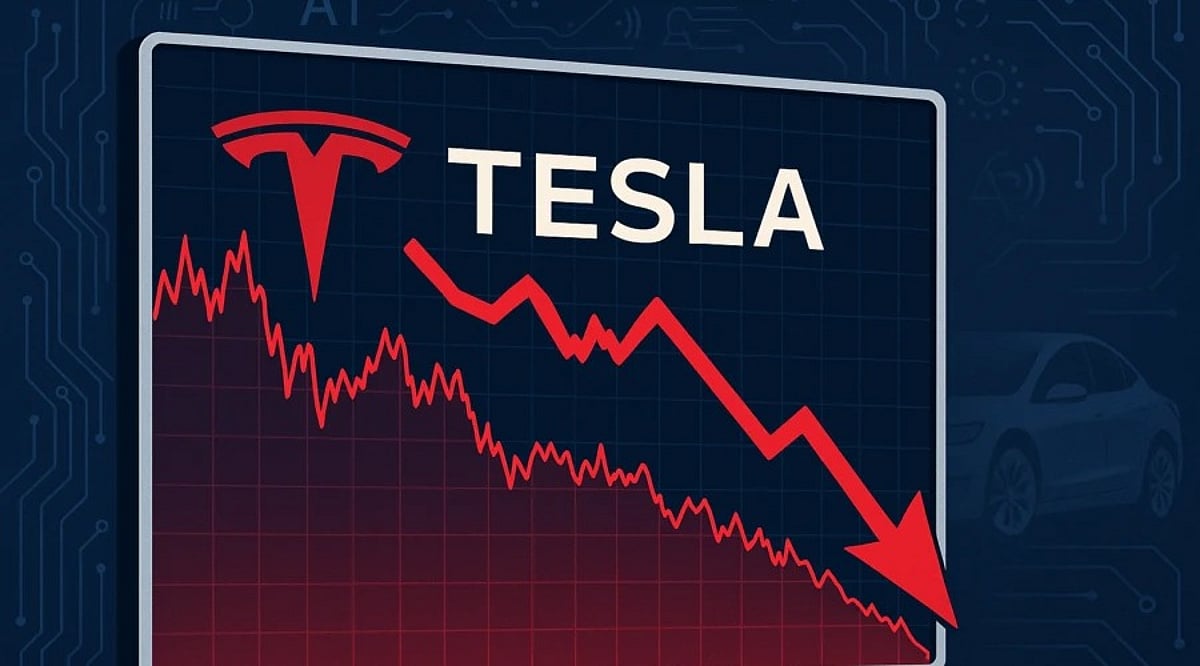
    Tesla shares fell nearly 15% after second-quarter results raised concerns over weaker margins, negative free cash flow, and rising AI spending. The selloff pushed the stock toward the $300 support area and added pressure to the NASDAQ, while Bitcoin and Ether also declined as risk sentiment weakened.

    Tesla shares closed at $313.03 on July 24 after falling 2.08% during the session. The stock also slipped to about $311.40 in after-hours trading. Over one month, Tesla lost around 16.55% as investors reassessed the company’s second-quarter results and spending plans.

    The latest decline followed a 14.52% plunge on July 23. Tesla reported record vehicle deliveries and higher revenue, yet weaker margins and negative free cash flow drew more attention. The stock now trades close to the lower end of its recent range, with $300 becoming the nearest major technical level.

    Tesla Stock Nears Key $300 Support

    Tesla stock traded as high as $322.87 on July 24 before falling to an intraday low near $306.53. Selling pressure stayed firm after the earnings-driven decline. As a result, the shares closed only a few dollars above their first major support zone.

    The area between $306.50 and $300 now serves as short-term support. A sustained close below $300 could bring the 52-week low near $297.82 back into focus. On the other hand, buyers need to reclaim the $320 to $323 range to slow the current decline.

    Stronger resistance sits between $340 and $342. Tesla traded near that area before the post-earnings gap widened. A recovery toward that range would require stronger demand and improved confidence in the company’s profit outlook.

    Record Deliveries Fail to Calm Investors

    Tesla delivered a record 480,126 vehicles during the second quarter. The total exceeded the company-compiled estimate of about 406,000 vehicles. Model 3 and Model Y deliveries reached 467,762 units and accounted for most of the quarter’s volume.

    Revenue rose 26% from a year earlier to about $28.24 billion. Automotive revenue reached nearly $20.5 billion, while services and other revenue increased 50% to $4.58 billion. These results showed that Tesla continued to expand sales across its main business lines.

    Nevertheless, investors focused on profitability. Tesla’s operating margin fell to 1.4% from 4.1% a year earlier. Lower vehicle prices and higher costs supported deliveries but reduced earnings from each sale.

    The weaker margin also raised questions about how quickly Tesla can turn rising sales into stronger cash generation. This issue became more important as the company increased spending on artificial intelligence, batteries, robotics, and autonomous-driving systems.

    AI Spending Adds Pressure Across Markets

    Tesla’s capital expenditure reached about $5.8 billion during the quarter. Free cash flow turned negative by roughly $1.1 billion, marking the company’s first quarterly cash burn in more than two years. Tesla also expects annual capital spending to exceed $25 billion.

    The company continues to fund robotaxi development, artificial intelligence infrastructure, next-generation manufacturing, and the Optimus robot program. Meanwhile, investors are waiting for clearer revenue growth from these projects as costs rise in the near term.

    The concern spread beyond Tesla. Alphabet shares also fell as investors reviewed higher artificial intelligence spending plans. It raised its 2026 capital expenditure guidance to between $195 billion and $205 billion, up from its earlier range.

    The NASDAQ moved lower as investors reduced exposure to high-growth technology stocks. Risk-off trading also reached digital assets. Bitcoin fell about 1.8% toward $64,800, while Ether dropped around 3% to nearly $1,870. Concerns over technology spending affected several risk markets during the same trading period.

  • Top Layer-1 Blockchain Coins to Watch in July 2026: Bitcoin, Ethereum, Solana, and More

    Top Layer-1 Blockchain Coins to Watch in July 2026: Bitcoin, Ethereum, Solana, and More

    Layer-1 blockchains are the backbone of the cryptocurrency ecosystem, enabling transactions, smart contracts, decentralized applications, and more. In July 2026, these foundational networks continue to attract significant investor attention. Here’s a look at the most promising Layer-1 coins to consider for your portfolio.

    Key Takeaways

    • Bitcoin remains the safest and most trusted Layer-1 cryptocurrency.
    • Ethereum leads the smart contract and decentralized application market.
    • Solana, Sui, and Hyperliquid offer higher growth potential with greater risk.

    Bitcoin (BTC) – The Gold Standard

    Bitcoin, currently trading at $63,056, is widely regarded as digital gold. Its limited supply and institutional adoption through ETFs make it a cornerstone of any crypto portfolio. While its growth may be slower than smaller coins, it remains the most secure choice for long-term investors.

    Ethereum (ETH) – Smart Contract Leader

    Ethereum, priced at $1,785, is the largest smart contract platform, hosting thousands of dApps, NFTs, and DeFi projects. Its robust community, staking rewards, and improved scalability keep it among the top Layer-1 investments for 2026.

    BNB and Solana – Strong Ecosystem Growth

    BNB ($570) powers one of the most extensive blockchain ecosystems, used for trading, payments, and DeFi. Solana ($76.6) is renowned for its high-speed, low-cost transactions, attracting developers in gaming and finance. Both networks continue to expand their user bases.

    TRON and Hyperliquid – Rising Stars

    TRON ($0.32) has become a key network for stablecoin transfers, handling billions daily. Hyperliquid ($60) is a newer Layer-1 focused on decentralized trading, gaining traction among traders despite higher risk.

    Cardano, Avalanche, Sui, and Aptos – Diverse Options

    Cardano ($0.16) emphasizes research-backed development and staking rewards. Avalanche ($20-25) allows custom blockchain creation, attracting enterprise users. Sui and Aptos, both modern Layer-1s, are growing rapidly with DeFi ecosystems, though they carry higher risk due to smaller market caps.

    Investment Strategy

    A balanced portfolio might include 35% Bitcoin, 25% Ethereum, 15% Solana, 10% BNB, 5% Avalanche, 5% Sui, and 5% Hyperliquid. For lower risk, stick with Bitcoin and Ethereum. For higher potential returns, consider Solana, Hyperliquid, and Sui.

    FAQs

    1. What is a Layer-1 blockchain?

    A Layer-1 blockchain is the main network that processes transactions and supports apps, smart contracts, and other blockchain services.

    2. Which Layer-1 coin is the safest to invest in?

    Bitcoin is widely considered the safest Layer-1 cryptocurrency because of its strong security and global adoption.

    3. Why is Ethereum still popular?

    Ethereum has the largest smart contract ecosystem and supports thousands of decentralized apps and crypto projects.

    4. Which Layer-1 coins have high growth potential?

    Solana, Sui, Hyperliquid, Avalanche, and Aptos are popular choices for investors seeking higher growth opportunities.

    5. Should beginners invest only in one Layer-1 coin?

    Many investors prefer a mix of Layer-1 coins to reduce risk and increase long-term growth potential.

    Disclaimer: This article is for informational purposes only and does not constitute financial advice. Cryptocurrency investments carry risk; always do your own research before investing.

  • Bitcoin Holds Near $65,200 as Record ETF Inflows Offset Geopolitical Uncertainty

    Bitcoin Holds Near $65,200 as Record ETF Inflows Offset Geopolitical Uncertainty

    Bitcoin traded near $65,218 on Friday, supported by seven consecutive sessions of spot ETF inflows totaling nearly $1 billion, even as escalating US-Iran tensions and rising oil prices kept overall market sentiment fragile. The leading cryptocurrency showed resilience ahead of the Federal Reserve meeting on July 28-29, with resistance at $66,000 and key support at $64,350.

    Market Overview

    Bitcoin held near $65,218.75, up 0.51% over the past 24 hours, according to CoinMarketCap data. The price action remains anchored to oil movements, ETF flows, and shifting Fed rate expectations. Altcoins outperformed, with Ethereum gaining 2.27%, Solana 2.39%, and Dogecoin jumping 4.78%.

    Analyst Perspectives

    Middle East Escalation Tests Risk Appetite

    Akshat Siddhant, Lead Quant Analyst at Mudrex, noted Bitcoin slipped to around $64,800 as fresh attacks in the Middle East dampened investor confidence. Crude oil pushed past $90 a barrel, driving US bond yields to 18-month highs. Despite this, spot Bitcoin ETFs extended their inflow streak to seven sessions, drawing nearly $1 billion. Resistance sits at $66,000, with $64,350 acting as the key support zone.

    Fed Meeting Looms as Next Catalyst

    Vikram Subburaj, CEO of Giottus, placed Bitcoin near $65,100, down about 1% as oil above $100 and firmer Treasury yields weighed on sentiment. He called the July 28-29 Fed meeting the most important near-term catalyst. Spot ETFs attracted close to $999 million across seven straight sessions through July 22, though preliminary data hinted at a pause on July 23.

    Support Holds Despite Selling Pressure

    The CoinSwitch Markets Desk noted Bitcoin briefly dipped below $65,000 before recovering. Brent crude climbed past $100, while bond yields hit 18-month highs. Higher energy costs revived inflation worries. The 21-day moving average near $64,000 is key support, with $68,000 marking the next resistance band.

    Regulatory Signals Add a Silver Lining

    Nischal Shetty, Founder of WazirX, flagged Argentina’s proposal allowing mutual funds to invest directly in Bitcoin as a meaningful adoption signal. Bitcoin’s near-term support lies between $64,200 and $64,500, with traders watching whether it can reclaim $66,000.

    Bitcoin’s Structure Stays Comparatively Resilient

    Riya Sehgal, Research Analyst at Delta Exchange, said gold and silver fell despite geopolitical tensions, as rising Treasury yields and a stronger dollar outweighed safe-haven demand. Bitcoin held up better than Ethereum and most altcoins. A move past $66,100 could open the $66,600 to $66,900 zone, while a break under $65,000 risks a drop toward $64,200.

    Top 10 Coins at a Glance

    Biggest Gainers: DOGE (+4.78%), ETH (+2.27%), SOL (+2.39%).

    Relative Laggards: USDT, USDC, TRX (minimal movement).

    Key News Driving Market Sentiment

    US-Iran Tensions Keep Oil and Yields Elevated

    Fresh hostilities pushed oil above $90 a barrel, reviving inflation concerns just as the Fed prepared for its meeting. Traders trimmed exposure to riskier assets.

    CLARITY Act Text Sparks Fresh Senate Debate

    The full text of the CLARITY Act became public on July 22, reigniting disagreement over enforcement roles. Passage odds are roughly 43% in prediction markets.

    Bitcoin ETF Inflow Streak Faces a Test

    Preliminary data hinted at a possible outflow midweek, suggesting institutional appetite may be cooling. Analysts are watching whether the trend resumes.

    XRP Whales Accumulate as ETF Pace Slows

    Large XRP holders increased positions this week. The token holds above $1.10, supported by its EU MiCA license and cumulative ETF inflows near $1.48 billion.

    Coinbase Expands Payments for AI Agents

    Coinbase introduced a feature allowing corporate customers to accept payments directly from AI agents via the x402 protocol, signaling growing overlap between AI and blockchain.

    BNY Mellon Advances Tokenized Treasury Plans

    BNY Mellon confirmed plans to launch tokenized US Treasuries by late 2026, targeting round-the-clock settlement by 2027.

    Investor and Market Outlook

    Bitcoin holds near $65,200 as ETF demand offsets Middle East pressure. A close above $66,000 could open a path toward $69,000. A slip below $64,350 risks exposing support near $64,000. Ethereum trades near $1,874, testing resistance at $1,950. Oil prices, Treasury yields, and the Fed decision remain the key macro variables.

  • Bitcoin Under Pressure: Rising Oil Prices, High Interest Rates, and Regulatory Uncertainty Weigh on Market

    Bitcoin Under Pressure: Rising Oil Prices, High Interest Rates, and Regulatory Uncertainty Weigh on Market

    Bitcoin is facing a challenging period as rising oil prices fuel inflation concerns, elevated interest rates reduce risk appetite, and ongoing regulatory uncertainty keeps investors cautious. Despite these headwinds, institutional support through spot Bitcoin ETFs continues to provide a long-term foundation for the cryptocurrency.

    Key Takeaways

    • Rising oil prices have renewed inflation fears, increasing pressure on Bitcoin.
    • High interest rates are shifting investor capital toward safer assets.
    • Institutional demand via spot Bitcoin ETFs remains a positive factor for long-term confidence.

    Higher Oil Prices Stoke Inflation Worries

    Bitcoin’s recent weakness is largely tied to the surge in oil prices. Brent crude has climbed back to $100 per barrel amid escalating tensions in the Middle East. Higher oil costs ripple through the economy, raising transportation, manufacturing, and service expenses — costs that are ultimately passed on to consumers. This inflationary environment makes central banks hesitant to cut interest rates, which in turn dampens appetite for riskier assets like Bitcoin.

    Interest Rates Dampen Demand for Cryptocurrencies

    Central banks worldwide have kept borrowing costs high to combat inflation, making government bonds and money market funds more attractive due to their reliable, low-risk returns. Consequently, capital that might have flowed into cryptocurrencies has moved into traditional financial products. Investors are closely monitoring central bank meetings, with many expecting rates to remain elevated if inflation stays above target — especially with oil prices continuing to rise.

    Regulatory Uncertainty Lingers

    Governments around the globe are still crafting new rules for cryptocurrencies, covering taxation, stablecoins, exchange operations, anti-money laundering, and investor protection. While many investors welcome clear regulations — which could boost confidence and attract institutional money — the current uncertainty creates caution. Any major policy announcement can quickly move Bitcoin prices as traders react to the latest developments.

    Market Sentiment Remains Cautious

    Bitcoin has held relatively steady near $66,000, but volatility persists. Trading volumes are lower than in previous bull markets, indicating a wait-and-see stance among many investors. They are unlikely to re-enter the market until inflation slows, interest rates fall, or economic conditions improve. Analysts note that Bitcoin is now more sensitive to macroeconomic data — such as inflation, unemployment, and central bank decisions — than in earlier years.

    Institutional Investors Provide a Buffer

    Despite short-term pressures, institutional demand remains a strong pillar. U.S. spot Bitcoin ETFs have recently reported fresh inflows after periods of withdrawals. These regulated products make it easier for pension funds, wealth managers, and large financial institutions to gain exposure to Bitcoin without directly holding the asset. This steady institutional participation helps support Bitcoin even during uncertain times.

    What’s Next for Bitcoin?

    The coming months will be crucial. Investors will watch central bank decisions, inflation reports, oil market developments, and regulatory updates closely. Continued inflows into spot Bitcoin ETFs could provide additional support. The balance between these positive and negative factors will likely determine Bitcoin’s next major price move.

    Why This Matters

    Bitcoin has become a significant part of the global financial system, so changes in oil prices, interest rates, and government policies now affect millions of investors. Understanding these risks helps investors interpret Bitcoin’s performance and prepare for future market shifts.

    Outlook

    Several factors are currently working against Bitcoin: oil prices above $100, high interest rates limiting risk appetite, and regulatory hurdles. However, institutional adoption via spot Bitcoin ETFs has helped cushion losses from previous shocks. The near-term direction depends on inflation trends, interest rate decisions, oil prices, and regulatory signals.

    Frequently Asked Questions

    1. Why do higher oil prices affect Bitcoin? Higher oil prices can increase inflation, making investors less willing to buy riskier assets like Bitcoin.
    2. How do interest rates impact Bitcoin prices? Higher interest rates make safer investments more attractive, reducing demand for cryptocurrencies.
    3. Is Bitcoin still attracting institutional investors? Yes. Spot Bitcoin ETFs continue to draw institutional investment despite short-term volatility.
    4. Why does regulation matter for Bitcoin? New regulations can affect how cryptocurrencies are traded, taxed, and adopted by financial institutions.
    5. What could help Bitcoin recover? Lower inflation, interest rate cuts, stable oil prices, and greater regulatory clarity could improve market confidence and support Bitcoin prices.