
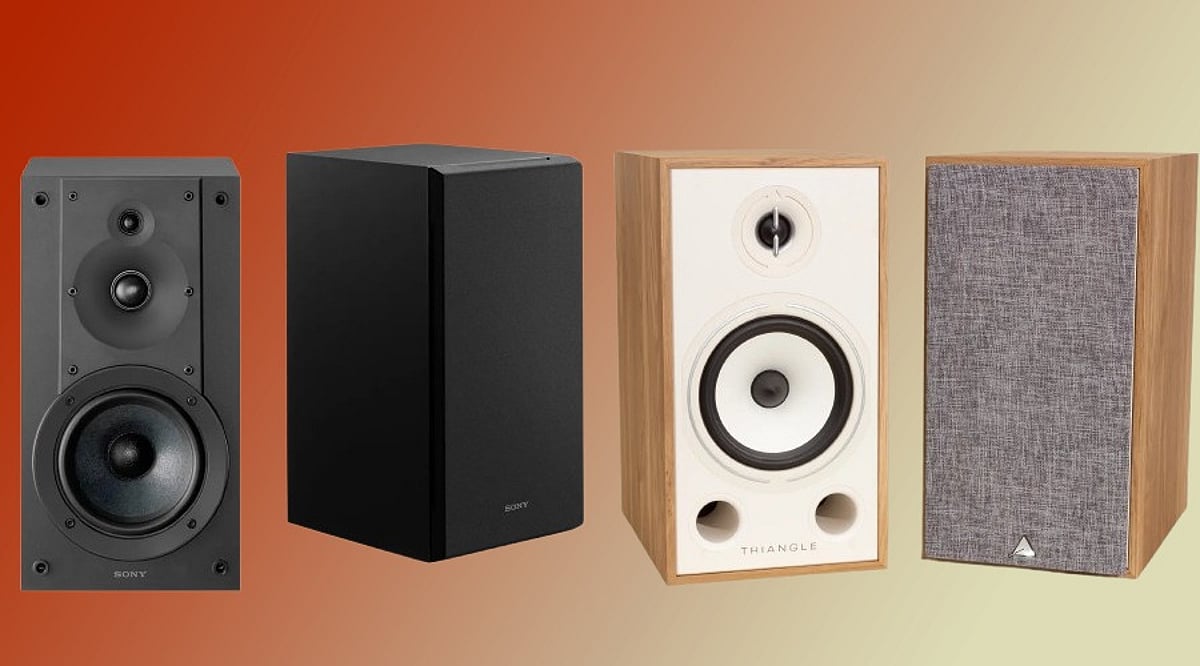
Bookshelf speakers deliver high-quality sound in a compact form, making them a popular choice for music lovers who lack space for floor-standing systems. Selecting the right pair depends on several factors, including room dimensions, speaker type, amplifier compatibility, and listening habits. This guide covers everything you need to know before making a purchase.
Choose Speaker Size Based on Your Room
Larger speakers typically produce deeper bass and fill bigger rooms with sound, while smaller models excel in tighter spaces by delivering clear vocals and crisp highs without overwhelming the area. For rooms under 150 square feet, speakers with 4–5 inch drivers work well. Larger rooms of 200 square feet or more benefit from 6–8 inch drivers or the addition of a subwoofer.
Active vs. Passive Speakers: Which Is Right for You?
Active bookshelf speakers have a built-in amplifier, making setup quick and simple with minimal wiring. They are ideal for users who want convenience and an all-in-one solution. Passive speakers require an external amplifier or receiver, offering more flexibility for customization and future upgrades. Audiophiles often prefer passive setups, while casual listeners may favor active models for ease of use.
Key Amplifier Features to Consider
Modern amplifiers often include Bluetooth or Wi-Fi for wireless streaming from smartphones and computers. Bass boost, app control for volume and EQ adjustments, and compatibility with streaming services such as Spotify, Apple Music, and Tidal are valuable features that enhance the listening experience. Ensure the amplifier matches the power handling and impedance of your speakers for optimal performance.
Top Bookshelf Speaker Brands
Reliable brands known for high-performing bookshelf speakers include ELAC, KEF, Bowers & Wilkins, DALI, Polk Audio, and Definitive Technology. Each offers models suited to different budgets and room sizes, with consistent sound quality and durable build.
Placement Tips for Best Sound
Position speakers at ear level, equidistant from your listening spot, and angle them slightly inward (toe-in). Avoid placing them flush against walls to reduce unwanted reflections. Soft furnishings like carpets and curtains help tame echoes, while hard surfaces can brighten the sound. Use lossless or high-resolution audio sources to get the most from your speakers.
Frequently Asked Questions
1. How do I choose the right bookshelf speaker size for my room?
Smaller rooms perform well with 4–5 inch speakers; larger spaces benefit from 6–8 inch models or a subwoofer. Matching driver size to room dimensions improves clarity and bass response.
2. Are active or passive bookshelf speakers better?
Active models simplify setup and reduce equipment needs. Passive speakers offer greater customization and upgrade potential, making them popular among audio enthusiasts.
3. Do bookshelf speakers need an amplifier?
Passive speakers always require an external amplifier. Active speakers have a built-in amplifier and can connect directly to audio sources.
4. Where should bookshelf speakers be placed for the best sound?
Place them at ear level, angled slightly inward, and away from walls. Keep equal distance from the listening position for a balanced soundstage.
5. Which bookshelf speaker brands are worth considering?
ELAC, KEF, Bowers & Wilkins, DALI, Polk Audio, and Definitive Technology are consistently recommended for their quality and performance across various budgets.