
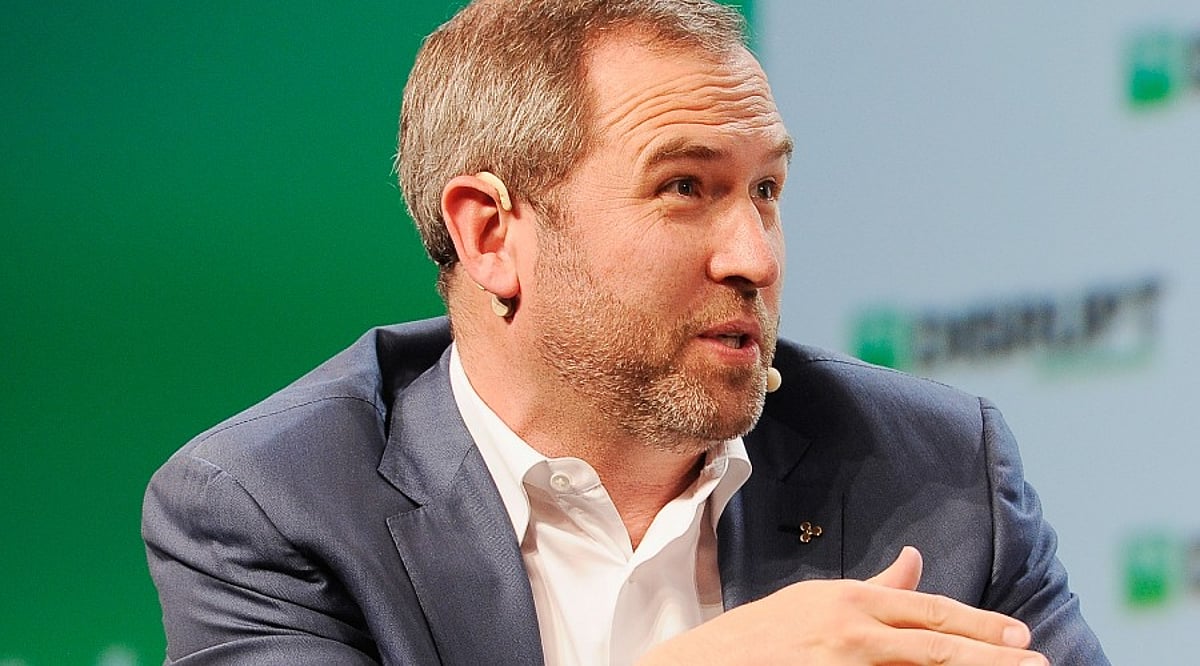
Ripple CEO Brad Garlinghouse says the crypto industry has more than one path to growth, even as the U.S. CLARITY Act remains stuck in Congress. The bill, designed to provide clearer federal rules for digital assets, failed to advance in the Senate last week.
What Happened With the CLARITY Act?
The Senate voted 49–50 against moving the CLARITY Act forward, well short of the 60 votes needed to proceed. The legislation would have clarified which federal agencies oversee different segments of the crypto market and given companies a more defined compliance roadmap.
Garlinghouse: Technology and Adoption Matter More Than Legislation
Speaking at a digital asset conference in Kansas City on September 15, Garlinghouse said crypto growth doesn’t depend on any single bill. He pointed to faster, more efficient blockchain technology as a key adoption driver.
“The industry can keep building, and users can keep adopting the technology while lawmakers debate new rules,” Garlinghouse emphasized.
Market Impact and Ripple’s Legal Battle
The Senate setback added fresh uncertainty to U.S. crypto policy, and the market reacted sharply. Roughly $571 million in crypto long positions were liquidated across exchanges following the vote.
Separately, Ripple has spent more than $150 million defending itself in an ongoing legal battle with the U.S. Securities and Exchange Commission. The company remains focused on expanding its cross-border payment solutions despite regulatory headwinds.
Why This Matters for Crypto Companies
Clearer rules would make it easier for companies to launch new products and services, but innovation isn’t on hold. Real-world use cases, lower costs, and faster settlement times continue to attract users regardless of legislative progress.
Garlinghouse’s remarks underscore a broader industry sentiment: while clear regulation is welcome, the long-term growth of crypto isn’t dependent on any one piece of legislation.
