Tag: broadband

  • AT&T and Corning Ink $3 Billion+ Fiber Deal to Fuel Network Expansion and Data Demand

    AT&T and Corning Ink $3 Billion+ Fiber Deal to Fuel Network Expansion and Data Demand

    AT&T has signed a multi-year agreement valued at more than $3 billion with Corning to purchase fiber optic cable and components, accelerating the telecom giant’s push to expand its high-speed network across the United States.

    The deal comes as internet usage continues to surge, driven by streaming services, cloud computing, connected devices, and the growing demands of artificial intelligence applications. Corning shares rose 3.3% in premarket trading following the announcement.

    Household Data Consumption Has Skyrocketed

    AT&T reports that the average household using its fiber service now consumes over 1 terabyte of data per month—roughly five times the amount recorded in 2016. The company anticipates this trend will continue as consumers and businesses increasingly rely on bandwidth-intensive services.

    Video streaming and video calls have already contributed to rising network traffic, while cloud computing, connected devices, and AI applications are adding another layer of demand. Fiber networks are critical because they can move large volumes of data at high speeds while offering the capacity and reliability required by modern broadband services.

    AT&T Targets 60 Million Fiber Locations by 2030

    The Corning agreement supports AT&T’s goal of reaching 60 million fiber locations by the end of 2030. The company has been expanding its footprint through both new construction and strategic acquisitions.

    AT&T’s purchase of Lumen Technologies’ mass-market fiber business for $5.75 billion added more than four million customer locations across 11 states. The company said the acquisition will help accelerate fiber deployment outside its traditional operating areas. As of the second quarter of 2026, AT&T’s network had reached 38.6 million consumer and business locations, putting it on track to exceed 40 million by year-end.

    Fiber Investment Accelerates Across the Telecom Industry

    AT&T’s agreement with Corning comes as major U.S. telecom companies increase spending on fiber infrastructure, responding to rising broadband consumption. Corning has also secured major fiber deals with other technology and telecom firms. Earlier this month, Verizon announced a multi-billion-dollar arrangement with Corning involving more than 80 million miles of high-density optical fiber between 2027 and 2032.

    For AT&T, the latest agreement ensures a long-term supply of fiber and cable as it works toward its 2030 network target. With data consumption expected to keep climbing, telecom operators are increasingly treating fiber infrastructure as a core component of their future networks.
  • India’s Internet Growth Faces Undersea Cable Vulnerabilities

    India’s Internet Growth Faces Undersea Cable Vulnerabilities

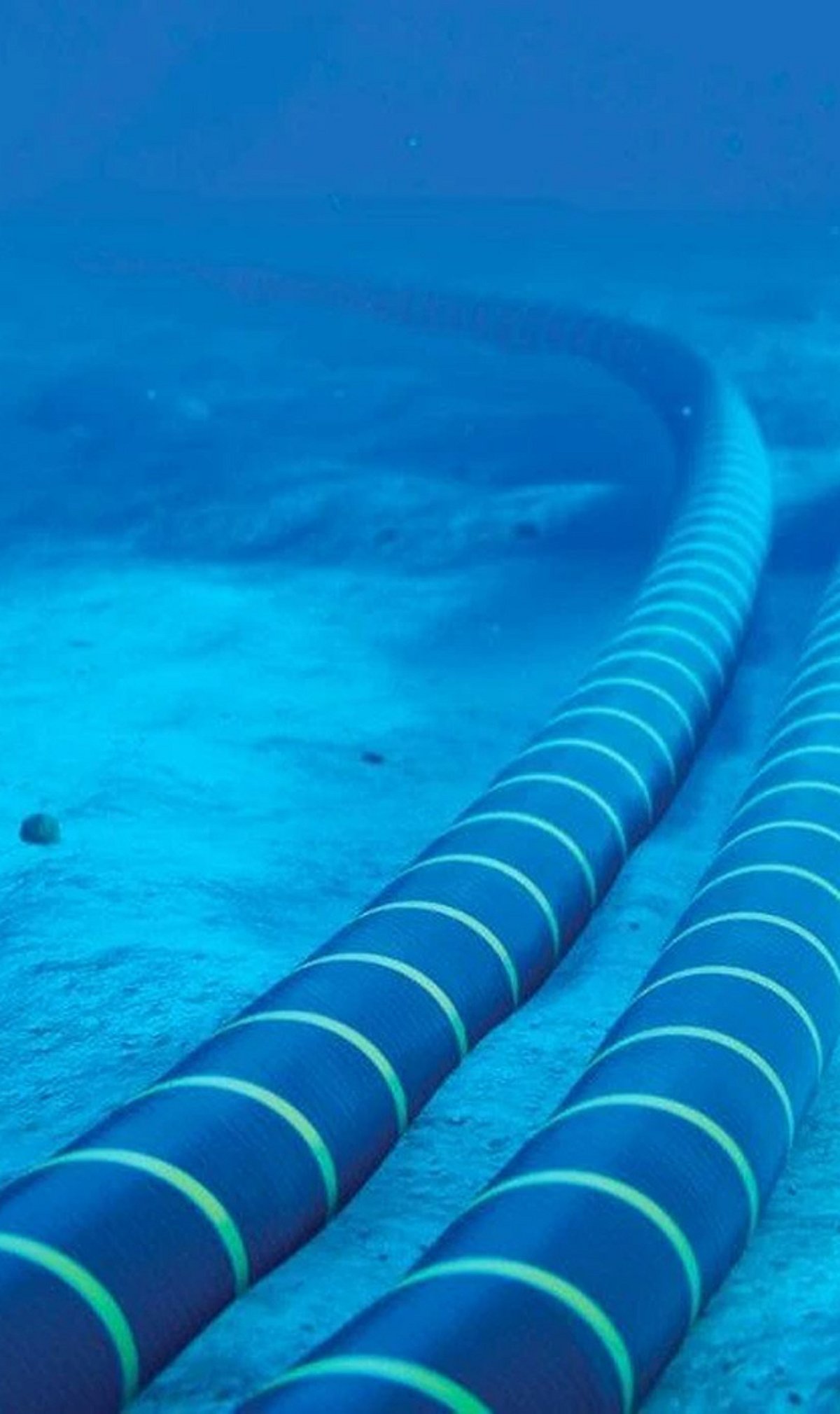
    India’s rapid digital expansion relies heavily on a network of submarine cables that carry the vast majority of its international internet traffic. However, this critical infrastructure faces several vulnerabilities that could threaten the country’s connectivity ambitions.

    Undersea Cables: The Backbone of Global Internet

    Almost all intercontinental digital communication depends on submarine cables. For India, these cables link the country with Europe, Africa, West Asia, and Asia, enabling seamless international data flow.

    Concentration Near Mumbai Creates a Bottleneck

    At least 13 of India’s 18 intercontinental submarine cables land within roughly six kilometers of Mumbai’s Versova coast. This single landing zone handles a major share of the nation’s international bandwidth, making it a critical point of failure.

    Soaring Data Consumption

    India’s broadband subscriber base surpassed 1.06 billion in March 2026. Wireless data usage jumped from 73,324 PB to 77,953 PB in just one quarter, underscoring the relentless growth in demand.

    Aging Infrastructure

    About 11 of India’s 18 international cable systems are over 20 years old, approaching the end of their typical design life. This aging infrastructure adds strain as AI, cloud computing, and video traffic continue to surge.

    No Domestic Cable Repair Capability

    India currently lacks an Indian-flagged, Indian-owned, or India-stationed submarine cable repair vessel. Repairs depend on foreign operators and ships, leading to potential delays when faults occur.

    Risks of Cable Cuts

    A single cable fault does not immediately disrupt India’s internet—traffic can reroute through other paths. However, multiple cuts, congested alternatives, or slow repairs can degrade international connections, causing higher latency and slower speeds.

    Geopolitical Risks in the Red Sea

    Several key international routes traverse the Red Sea and Strait of Hormuz. Damage in these regions forces traffic onto longer or more congested routes, adding pressure to global connectivity.

    New Projects Offer Hope

    Emerging cable projects aim to reduce dependence on Mumbai. The I-2SEA system will connect India with Malaysia and Singapore, with planned landings at Machilipatnam and South Chennai, targeting operational status by 2029.

    Need for Enhanced Repair Capacity

    The Telecom Regulatory Authority of India (TRAI) has recommended exploring Indian-flagged repair vessels and establishing cable depots on both the eastern and western coasts. Increasing landing sites, deploying newer cables, and speeding up repair systems are essential for building resilience.

    Read more stories and join our WhatsApp Channel for the latest news, exclusives, and videos.

  • India’s Internet Growth Exposes Fragility in Submarine Cable Network

    India’s Internet Growth Exposes Fragility in Submarine Cable Network

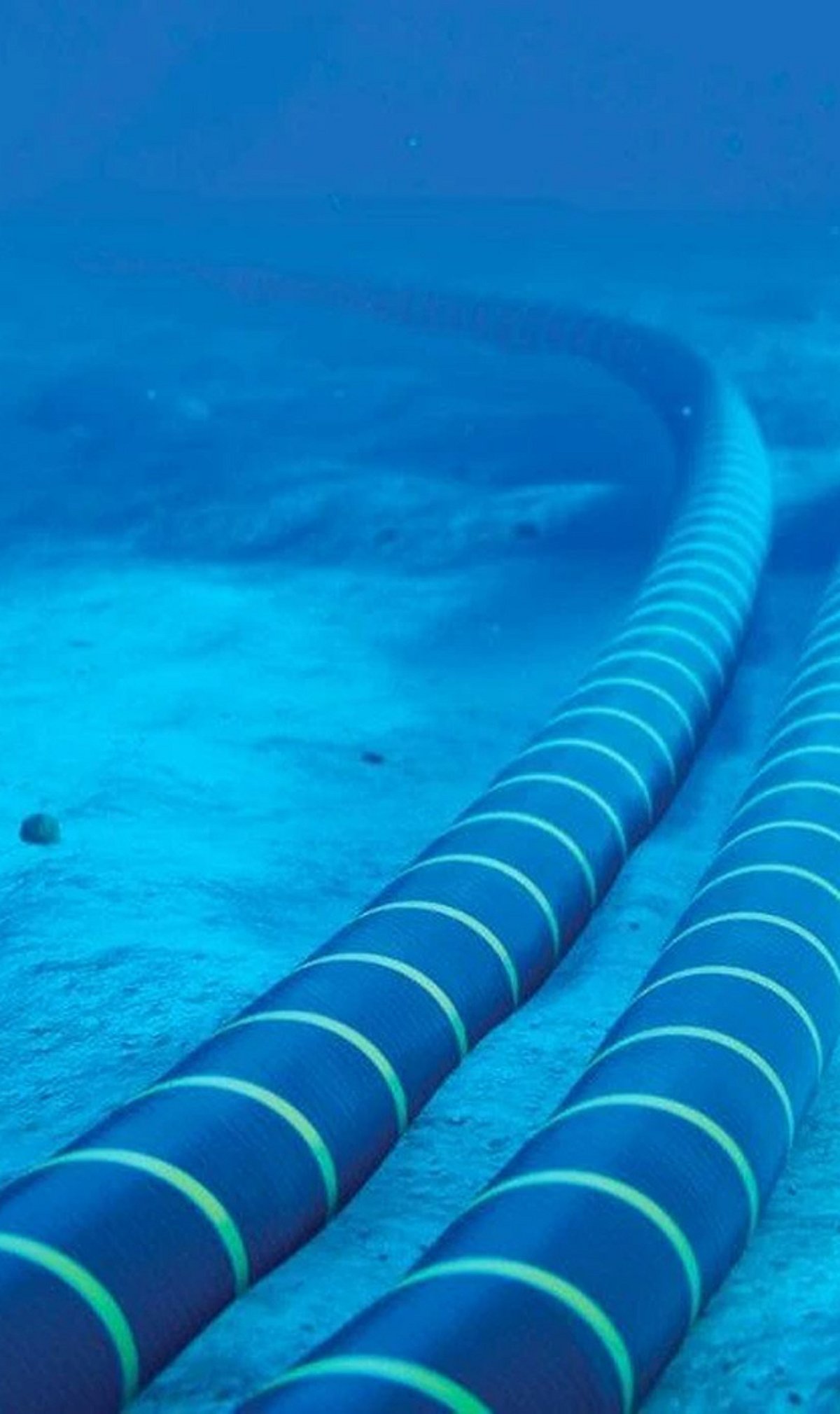
    India’s digital revolution is surging—broadband subscriptions have crossed 1.06 billion and data usage jumped from 73,324 petabytes to 77,953 petabytes in just one quarter. Yet the backbone of this connectivity, the undersea cables that carry nearly all intercontinental internet traffic, reveals a critical weakness.

    At least 13 of India’s 18 international submarine cables make landfall within about six kilometers of Mumbai’s Versova coast. This concentration means a single geographic point bears the brunt of the country’s international bandwidth. Meanwhile, 11 of those 18 cable systems are over 20 years old—pushing beyond their typical design life just as artificial intelligence, cloud computing, and video streaming drive demand even higher.

    India also lacks its own submarine cable repair fleet. There is no Indian-flagged, Indian-owned, or India-stationed repair vessel, so the country depends entirely on foreign operators and ships for fixes. While a single cable cut does not automatically crash the internet—traffic can reroute—multiple cuts, congested alternatives, or repair delays can lead to slower international connections and higher latency. Important routes like the Red Sea and Strait of Hormuz add another layer of risk.

    New projects offer hope. The I-2SEA system, connecting India with Malaysia and Singapore via landings at Machilipatnam and South Chennai, targets 2029. But the Telecom Regulatory Authority of India (TRAI) has also recommended developing Indian-flagged repair vessels and cable depots on both coasts. More landing sites, fresher cables, and faster repair capacity are essential to keep India’s internet boom from stalling.

  • Jio Independence Day Offer: Rs. 6,000 Discount on 100Mbps Broadband Plan

    Jio Independence Day Offer: Rs. 6,000 Discount on 100Mbps Broadband Plan

    Reliance Jio has introduced a special Independence Day offer for its home broadband customers in India. The Jio Freedom Pack provides a Rs. 6,000 discount on the regular price of its 100Mbps broadband plan, bringing the cost down to Rs. 10,000 for 15 months. This effectively reduces the monthly outlay from approximately Rs. 1,066 to just Rs. 666.

    Jio Freedom Pack Benefits

    The 100Mbps plan includes unlimited voice calling for the entire validity period. Subscribers also gain access to over 1,000 live TV channels via Jio’s home entertainment services, along with 15-month subscriptions to more than 12 OTT apps such as JioHotstar, SonyLIV, ZEE5, and others. Some reports indicate that a set-top box may also be included.

    Availability and Eligibility

    The offer is available through Jio’s website and the MyJio app, though availability may vary by account. Since Jio has not clearly defined eligibility criteria, customers are advised to check the offer in the MyJio app before making a payment. The long validity period makes this pack ideal for households planning to maintain the same broadband connection for over a year.

    This Independence Day deal targets both JioFiber and JioAirFiber customers seeking long-term broadband solutions. For the latest updates, join Jio’s WhatsApp channel.

  • Comcast Split Paves Way for NBCUniversal and Peacock to Pursue Streaming Partnerships

    Comcast Split Paves Way for NBCUniversal and Peacock to Pursue Streaming Partnerships

    Comcast is making one of the biggest changes in its history. The company has decided to split its broadband and media businesses into two separate public companies. The move will place NBCUniversal, Peacock, and other entertainment assets in one company, while broadband and cable services will remain in another.

    The decision comes at a time when the media business is changing quickly. Cable TV is losing viewers, and streaming services are now competing for subscribers. Broadband, however, remains a strong business for Comcast. By separating the two, the company believes each business can focus on its own future.

    Comcast Chooses Two Different Paths for Its Business

    The new media company will include NBCUniversal, Universal Pictures, Peacock, and other entertainment brands. Comcast will keep its broadband and cable business. This is a major change for the company. For years, both businesses worked under the same roof. Now each team can focus on its own goals.

    The broadband business can continue building internet services. The media company can spend more time on films, television, sports, and streaming. Investors may also find it easier to judge the performance of each business once each stands on its own. For Comcast, the split is less about today and more about the years ahead.

    The Co-CEO and chair, Brian Roberts, during an investor call, mentioned, “As we look ahead, it has become clear that our technology and media businesses each have compelling opportunities in front of them that are distinct in nature and best pursued with dedicated focus, strategic flexibility, and tailored investment priorities.” He also added, “That is why today we announced an important next step in Comcast’s evolution. Our plan to create two separate companies, Comcast and NBCUniversal.”

    A Fresh Start for Peacock

    Peacock has spent years trying to catch bigger streaming services. Now it may finally receive full attention from its own leadership. This could help the platform move faster. It may also become easier to form partnerships if the streaming market changes again. Some experts even believe Peacock could become part of a future business deal. Right now, those are only possibilities.

    The bigger task remains the same. Peacock still needs more subscribers and more popular shows to become consistently profitable.

    More Changes Could Follow Across the Media Industry

    The media business is changing fast. Many companies are looking for partners as streaming becomes more expensive. A separate NBCUniversal could have more freedom if merger talks happen in the future. Peacock could also benefit if streaming services collaborate instead of compete individually.

    Nothing has been announced except for the separation. Still, Comcast’s decision suggests that large media companies are preparing for another round of change, and this split could be only the beginning.