Tag: Broadcom

  • AI Reshapes Chip Industry: Top Semiconductor Companies by Market Cap

    AI Reshapes Chip Industry: Top Semiconductor Companies by Market Cap

    AI’s Impact on Semiconductor Valuations

    Artificial intelligence is fundamentally transforming how investors evaluate semiconductor companies. The industry now spans GPUs, memory, foundries, networking chips, manufacturing equipment, and advanced processors. Recent market-cap data underscores this shift, with several chipmakers reaching historic valuations as demand for AI infrastructure expands across data centers and increasingly complex computing workloads worldwide.

    Nvidia Leads the Pack

    Nvidia dominates the semiconductor rankings with a market capitalization of approximately $5.33 trillion. Its position reflects surging demand for accelerated computing, AI processors, and data center infrastructure. The company’s valuation is substantially larger than other listed semiconductor businesses, highlighting the financial importance of AI computing platforms and supporting technologies.

    TSMC Powers Advanced Manufacturing

    TSMC ranks second with a market cap of about $2.24 trillion. As the leading contract chip manufacturer for major technology companies, TSMC’s strategic importance has grown with the need for advanced processors — especially energy-efficient chips that can handle demanding AI workloads.

    Broadcom’s Networking Edge

    Broadcom appears among the largest with an estimated market capitalization of $1.72 trillion. Its portfolio includes networking and connectivity technologies that support large-scale computing infrastructure. As AI data centers expand, demand is rising not only for processors but also for high-speed networking and specialized components that connect complex systems.

    Memory Plays a Big Role

    Samsung and Micron hold market caps of approximately $1.20 trillion and $1.12 trillion respectively, while SK Hynix follows at around $907 billion. Their positions reflect the growing importance of memory technologies, particularly high-bandwidth memory (HBM), which is essential for demanding AI workloads and large-scale accelerated computing systems.

    Other Key Players

    AMD is shown at approximately $894 billion, ASML reaches $633 billion, CXMT stands at $565 billion, and Intel follows at about $547 billion. This ranking demonstrates that AI-related value extends beyond GPU manufacturers, encompassing processors, manufacturing equipment, and memory — all critical to producing advanced chips.

    AI Lifts the Entire Stack

    The semiconductor market is becoming increasingly interconnected as AI accelerates demand across multiple layers. Processor designers, memory manufacturers, foundries, networking companies, and equipment suppliers all support expanding AI infrastructure. The market-cap figures illustrate how investors are assigning significant value across this ecosystem, reflecting expectations for continued computing demand and technological investment.

  • AI Demand Drives These Semiconductor Stocks: NVIDIA, TSMC, and More

    AI Demand Drives These Semiconductor Stocks: NVIDIA, TSMC, and More

    Artificial intelligence continues to reshape the semiconductor landscape, creating opportunities for investors across the chip supply chain. From GPU leaders to memory manufacturers and equipment providers, several stocks are positioned to benefit from surging AI demand. Below, we analyze the key players and the risks that accompany their growth.

    Key Takeaways

    • NVIDIA remains the dominant AI chip supplier, while Broadcom provides exposure to custom silicon and networking.
    • TSMC and Micron gain from advanced manufacturing and high-bandwidth memory demand.
    • Equipment firms like ASML, Lam Research, Applied Materials, and KLA offer indirect AI growth avenues.

    NVIDIA and Broadcom Lead the AI Chip Race

    NVIDIA’s position as the premier AI chipmaker is unshaken. With its stock near $218.36 and a market capitalization approaching $5.30 trillion, the company supplies GPUs and networking solutions for AI data centers. A 2.26% dip on September 10 reflected broader tech pressure from rising Treasury yields, but its long-term trajectory remains tied to AI deployment.

    Broadcom offers a complementary play. Trading around $360.83, it designs custom AI chips and networking hardware for large tech firms. This diversification allows investors to tap AI growth beyond the GPU market.

    AMD adds a third option. At roughly $521.10, it has gained over 143% year-to-date, competing with NVIDIA through its AI accelerators and EPYC server processors. However, such sharp gains introduce higher valuation risk.

    TSMC and Micron: Supply Chain Pillars

    TSMC is the linchpin of advanced chip fabrication. Its U.S.-listed shares trade near $435.36, valuing the company at $1.58 trillion. The foundry posted record August revenue of NT$514.806 billion, up 53.3% year-over-year, with July revenue also strong at NT$467.580 billion. TSMC forecasts Q3 revenue between $44.6 billion and $45.8 billion, and plans capital expenditure of $60–$64 billion in 2026.

    Micron focuses on high-bandwidth memory (HBM), essential for AI workloads. With shares around $1,028, the company aims to boost HBM output to 100,000 wafers per month by year-end. HBM shortages are raising chip costs, but new entrants and rapidly shifting memory markets add risk. Micron’s fiscal Q4 results on September 30 will be a key catalyst.

    Equipment Stocks Provide Alternative Exposure

    Lam Research, Applied Materials, and KLA supply tools for chip manufacturing. Lam Research trades near $301.06, Applied Materials at $469, and KLA at $177.18—each fell over 3% on September 10. Their fortunes rise with fab expansions, not AI chips directly, making them a different risk-reward proposition.

    Marvell sits at the intersection of custom silicon and connectivity, with a stock price of $235.01 and a 176.55% year-to-date gain. Its high valuation amplifies downside risk.

    ASML stands out as the sole supplier of EUV lithography systems, crucial for shrinking process nodes. Closing near $1,698 on September 10, ASML’s technology monopoly gives it a long-term edge, though its stock can swing with capital spending cycles.

    The AI Chip Trade Faces New Tests

    Strong AI demand does not immunity from broader market forces. Higher oil prices and rising Treasury yields pressured tech stocks, and the broader U.S. market fell on September 10. Yet TSMC’s sales and HBM demand underscore robust chip demand, providing a solid business foundation amid stock volatility.

    NVIDIA, Broadcom, and TSMC offer the widest AI exposure. Micron and AMD provide targeted plays on memory and GPU alternatives. Lam Research, Applied Materials, KLA, and ASML serve the equipment segment. Marvell carries higher potential but also higher risk.

    Investors should monitor chip sales, HBM supply, AI data center budgets, and capital expenditure plans. The critical question is whether supply, capacity, and profits can keep up with the lofty expectations already baked into these stocks.

    FAQs

    Which semiconductor stock has the strongest AI exposure?

    NVIDIA has the most direct AI exposure through its GPUs and data center products.

    Why is TSMC important to AI growth?

    TSMC manufactures advanced chips for major tech firms, forming the backbone of AI processor supply.

    Why has Micron gained attention?

    Micron is a key supplier of high-bandwidth memory, critical for AI data center performance.

    Which semiconductor stocks offer equipment exposure?

    ASML, Lam Research, Applied Materials, and KLA provide exposure to chip manufacturing equipment.

    Are semiconductor stocks low-risk investments?

    No. Even with strong chip demand, share prices can decline due to high valuations, market conditions, and changing expectations.

    Disclaimer: This article is for informational purposes only and does not constitute financial advice. Investing in stocks involves risk, including potential loss of principal. Always conduct your own research before making investment decisions.

  • Top US Stocks Driving Strong Market Momentum in 2025

    Top US Stocks Driving Strong Market Momentum in 2025

    Several U.S. equities have consistently outperformed in recent months, buoyed by advancements in artificial intelligence, cloud computing, and digital advertising. Below is an overview of the top-performing stocks that continue to deliver robust market momentum.

    Nvidia (NVDA)

    Nvidia dominates AI chip manufacturing, benefiting from surging demand for data centers, enterprise computing, and artificial intelligence infrastructure worldwide.

    Microsoft (MSFT)

    Microsoft’s cloud services and AI-powered software continue driving revenue growth, making it a consistent performer among technology industry leaders globally.

    Apple (AAPL)

    Apple’s ecosystem, premium devices, and expanding services business generate resilient revenue, supporting long-term investor confidence despite competitive technology markets.

    Amazon (AMZN)

    Amazon combines cloud computing leadership with advertising, logistics, and artificial intelligence investments, creating multiple high-growth revenue opportunities for shareholders.

    Meta Platforms (META)

    Meta’s AI investments and digital advertising business continue improving profitability while expanding virtual reality and social media platform capabilities globally.

    Broadcom (AVGO)

    Broadcom benefits from rising semiconductor demand, enterprise software growth, and AI infrastructure expansion, supporting consistent financial performance and shareholder returns.

    Tesla (TSLA)

    Tesla continues innovating in electric vehicles, autonomous driving technology, and energy storage, maintaining significant influence within global automotive markets.

    Alphabet (GOOGL)

    Alphabet strengthens revenue through search, cloud computing, YouTube, and artificial intelligence innovations across consumer and enterprise technology services worldwide.

    Palantir Technologies (PLTR)

    Palantir’s AI-powered analytics platforms drive enterprise and government adoption, supporting impressive revenue growth and expanding commercial customer relationships.

  • Top 10 Semiconductor Companies Driving the AI Revolution

    Top 10 Semiconductor Companies Driving the AI Revolution

    The rapid advancement of artificial intelligence is heavily reliant on cutting-edge semiconductor technology. From high-performance GPUs to specialized memory and fabrication, these ten companies are at the forefront of powering AI workloads across data centers, edge devices, and consumer electronics.

    • Nvidia: Leads AI computing with powerful GPUs that accelerate machine learning, generative AI, scientific research, and enterprise data center workloads globally.
    • AMD: Develops high-performance CPUs and GPUs supporting AI workloads, cloud computing, gaming, and enterprise applications with competitive processing capabilities.
    • Intel: Expands AI hardware through advanced processors, AI accelerators, and data center solutions supporting enterprise computing and intelligent automation.
    • TSMC: Manufactures cutting-edge semiconductor chips for leading technology companies, enabling advanced AI processors through world-class fabrication technologies.
    • Samsung Electronics: Produces advanced memory chips and semiconductor technologies powering AI devices, smartphones, servers, and high-performance computing systems worldwide.
    • Qualcomm: Designs AI-enabled mobile processors delivering intelligent photography, voice assistants, efficient performance, and edge AI capabilities across connected devices.
    • Broadcom: Develops networking chips, AI infrastructure components, and connectivity solutions supporting large-scale cloud computing and enterprise artificial intelligence deployments.
    • MediaTek: Builds AI-capable smartphone processors with efficient performance, intelligent imaging, and advanced connectivity for affordable consumer electronics worldwide.
    • Micron Technology: Supplies high-performance memory and storage solutions essential for AI training, inference workloads, and modern data center infrastructure.
  • Apple and Broadcom Forge $30B+ Chip Supply Deal for US Manufacturing Through 2031

    Apple and Broadcom Forge $30B+ Chip Supply Deal for US Manufacturing Through 2031

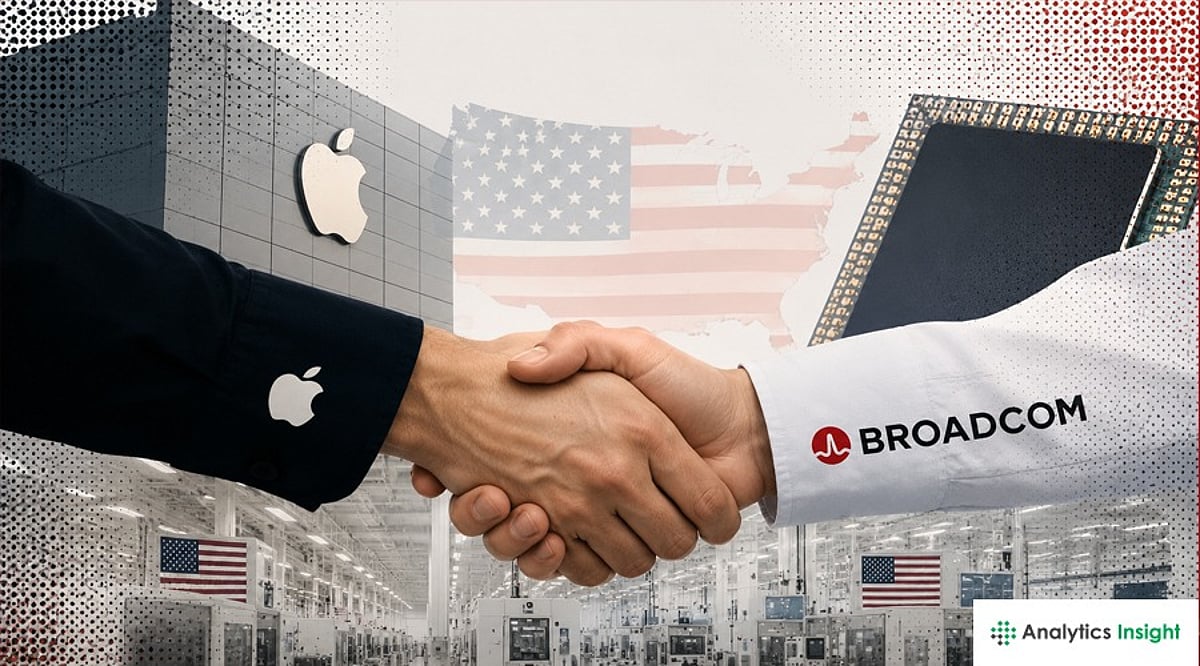
    Apple has signed a multiyear agreement valued at over $30 billion with Broadcom to design and produce custom silicon parts and wireless connectivity chips in the United States through 2031. The deal includes a $1.5 billion expansion of Broadcom’s Fort Collins, Colorado facility, reinforcing Apple’s broader commitment to domestic manufacturing.

    Strategic Partnership Expansion

    The agreement covers advanced radio-frequency components, including FBAR filters, which are critical for wireless communication features in Apple products. This expands a long-standing supplier relationship and secures a larger US-based production path for key components used across Apple’s device lineup.

    Apple expects the collaboration to result in the production of more than 15 billion chips in the United States, supporting hundreds of American jobs tied to chip production and related manufacturing work. This deal is the largest commitment under Apple’s American Manufacturing Program, which aims to increase domestic production and deepen ties with US suppliers.

    Infrastructure Investment

    Broadcom will invest $1.5 billion to expand and modernize its Fort Collins facility, which will produce radio-frequency components and advanced wireless connectivity technologies for Apple devices. Apple CEO Tim Cook stated, “The cutting-edge components built in Fort Collins are essential to delivering the incredible performance and connectivity our customers expect, and we’re proud to deepen our investments in US-based suppliers that share our commitment to excellence and innovation.”

    Hock Tan, President and CEO of Broadcom, added, “Broadcom is proud to continue to work with Apple after decades of success together, and we share a strong commitment to American innovation.”

    Broader US Supply Chain Strategy

    The agreement aligns with Apple’s plan to invest $600 billion in the US economy over four years, covering manufacturing, job creation, supplier growth, and technology development. It also comes amid federal efforts to boost domestic chip production, with the Trump administration urging tech companies to reduce reliance on foreign supply chains.

    Following the announcement, Broadcom shares rose over 4%, while Apple shares dipped slightly, reflecting investor reactions to the expanded supplier role and spending commitments.

  • Top 9 Long-Term Growth Stocks to Buy in July 2026

    Top 9 Long-Term Growth Stocks to Buy in July 2026

    Investors seeking stable, long-term growth should consider these nine stocks that are well-positioned for sustained performance across technology, healthcare, and financial services. Each company benefits from strong fundamentals, recurring revenue streams, and exposure to secular trends such as AI, cloud computing, digital payments, and advanced manufacturing.

    1. NVIDIA

    NVIDIA maintains its leadership in AI hardware innovation through advanced GPUs that power data centers, autonomous vehicles, enterprise computing, and AI applications worldwide.

    2. Microsoft

    Microsoft continues to expand its cloud computing and AI software offerings while maintaining robust recurring revenues from enterprise services, supporting long-term shareholder value and consistent growth.

    3. Amazon

    Amazon benefits from e-commerce dominance, AWS cloud leadership, and growing investments in AI, driving sustained revenue and profitability across global markets.

    4. Alphabet

    Alphabet strengthens its digital advertising, cloud computing, and AI platforms while investing aggressively in future technologies, supporting diversified long-term business expansion globally.

    5. Meta Platforms

    Meta Platforms continues to grow advertising revenue while advancing AI infrastructure, smart devices, and immersive technologies for future digital experiences.

    6. Taiwan Semiconductor Manufacturing Company (TSMC)

    TSMC manufactures advanced semiconductor chips that power smartphones, AI servers, automotive technologies, and next-generation computing platforms worldwide.

    7. Eli Lilly

    Eli Lilly strengthens its pharmaceutical leadership through innovative treatments for diabetes, obesity, and neuroscience, supported by expanding global healthcare demand and robust research pipelines.

    8. Visa

    Visa benefits from increasing digital payment adoption and cross-border transactions, along with resilient financial services that support dependable long-term earnings growth across international markets.

    9. Broadcom

    Broadcom delivers semiconductor and infrastructure software solutions while benefiting from accelerating AI networking demand and enterprise digital transformation investments globally.

  • S&P 500 and Nasdaq Rise on Chip Stock Rebound, Dow Slips After Record High

    S&P 500 and Nasdaq Rise on Chip Stock Rebound, Dow Slips After Record High

    U.S. stocks closed mixed on Monday as investors returned from the Independence Day holiday with renewed interest in technology and semiconductor shares. The S&P 500 and Nasdaq Composite advanced, while the Dow Jones Industrial Average slipped after briefly crossing the 53,000 threshold for the first time.

    The market’s focus remained on semiconductor stocks, Federal Reserve meeting minutes, and the start of second-quarter earnings season. Key names watched by traders included Broadcom, Apple, Microsoft, SpaceX, and SK Hynix.

    Chip Stocks Lead Nasdaq and S&P 500 Higher

    The Nasdaq Composite gained approximately 1.1%, while the S&P 500 rose 0.5% in morning trading. The Dow Jones Industrial Average fell 0.3% after briefly touching a fresh intraday record above 53,000. This divergence highlighted a split market, with technology stocks leading gains while some blue-chip names lost ground.

    Chip stocks rebounded after two weak sessions last week. The Philadelphia SE Semiconductor Index surged more than 4%, and the information technology sector led gains on the S&P 500. The recovery helped lift investor sentiment following recent pressure on AI-linked shares.

    Broadcom rose 5.7% after extending its chip supply partnership with Apple through 2031. The deal covers custom chip development and supply, giving investors another reason to return to semiconductor names. Micron Technology, Marvell Technology, Teradyne, Western Digital, and Oracle also gained as AI and data center demand remained in focus.

    Meanwhile, SK Hynix prepared to launch a U.S. listing aimed at raising approximately $28 billion. The offering added more attention to the global AI chip trade. The South Korean memory chipmaker has already drawn strong market interest this year, although its shares have also experienced sharp swings.

    Investors Watch Fed Minutes and Economic Data

    Investors also looked ahead to minutes from the Federal Reserve’s latest policy meeting. The minutes are due Wednesday and will be closely watched after the first meeting led by new Fed Chair Kevin Warsh. Traders have reduced bets on a July rate hike after last week’s cooler jobs report.

    According to CME FedWatch data, traders now see a 24% chance of a 25-basis-point rate hike at the July 29 meeting, down from about 30% a week earlier. The shift came as investors judged whether softer labor data could give the Fed more room to wait.

    The Institute for Supply Management reported that its services index slipped to 54.0 in June, close to market forecasts. The reading indicated that U.S. services activity continued to grow, though at a slightly slower pace. Prices eased but remained high, while employment moved back into growth territory.

    Trade Nation’s senior market analyst, David Morrison, expressed doubt about how much clarity the Fed minutes may offer. “Warsh wants the Fed to concentrate on the data and stick to that and not give any projections,” he said. “So it could be that the minutes don’t really give very much away.”

    Earnings Season and Stock Movers Stay in Focus

    Second-quarter earnings will become a key test for Wall Street later this week. Delta Air Lines and PepsiCo are among the companies expected to report results. Investors are watching whether corporate updates can support the market after strong gains in the major indexes last week.

    Morrison also pointed to uncertainty around the largest technology stocks. “This earnings season is important, given the fact that the Magnificent 7 have had a pretty tough time with things of late,” he said. He added that “just a little bit of good news” could help them resume their rally.

    Microsoft shares fell 1.8% after the company announced it would cut about 4,800 jobs, equal to roughly 2.1% of its workforce. The stock’s decline weighed on sentiment around large-cap technology, even as broader tech shares rose.

    SpaceX gained as investors prepared for its entry into the Nasdaq 100 on Tuesday. The move is expected to drive buying from funds that track the index. Elsewhere, O’Reilly Automotive dropped after reports indicated the company made a cash offer for Genuine Parts’ auto unit.

    Global markets were more muted. European stocks slipped slightly, while Asian markets ended mixed. Japan’s Topix rose, South Korea’s Kospi fell, and Hong Kong’s Hang Seng gained. Oil prices drifted after OPEC+ members agreed to raise output again in August, while U.S. Treasury yields edged lower.

    With the second-quarter earnings season beginning and the Federal Reserve minutes due later this week, investors are expected to look for fresh signals on corporate profitability and the future path of U.S. interest rates, which could shape the market’s next move.

  • Best Stocks to Buy Now With $3,000: Turn a Small Investment Into Long-Term Wealth

    Best Stocks to Buy Now With $3,000: Turn a Small Investment Into Long-Term Wealth

    Investing doesn’t require a fortune. With just $3,000, you can build a diversified portfolio of high-quality stocks that have strong growth potential. Here are some of the top picks for long-term wealth creation.

    NVIDIA (NVDA)

    The AI chip leader continues to benefit from booming demand for data centers and artificial intelligence. NVIDIA’s GPUs are essential for training large language models and powering AI applications, making it a core holding for any tech-focused portfolio.

    Microsoft (MSFT)

    Its cloud business (Azure) and AI investments, including its partnership with OpenAI, make Microsoft one of the strongest long-term technology stocks. The company’s diversified revenue streams from productivity software, gaming, and enterprise services provide stability and growth.

    Amazon (AMZN)

    Beyond e-commerce, Amazon’s cloud platform (AWS) and AI services continue driving future growth. AWS remains the dominant cloud provider, and Amazon’s logistics network and advertising business add further upside.

    Alphabet (GOOGL)

    Google’s AI expansion and advertising business keep Alphabet among the market’s strongest performers. The company’s search dominance, YouTube growth, and investments in autonomous driving (Waymo) and cloud computing provide multiple growth engines.

    Meta Platforms (META)

    Meta is investing heavily in AI while maintaining strong revenue from digital advertising. Its social media platforms (Facebook, Instagram, WhatsApp) generate massive user engagement, and its metaverse and AI initiatives could unlock new revenue streams.

    Broadcom (AVGO)

    Its semiconductor and infrastructure software businesses continue benefiting from enterprise AI demand. Broadcom’s networking chips are critical for data centers, and its software acquisitions (VMware) provide recurring revenue.

    Eli Lilly (LLY)

    Strong demand for weight-loss and diabetes treatments makes Eli Lilly a healthcare favorite. Its drugs like Mounjaro and Zepbound have blockbuster potential, and the company’s pipeline includes promising treatments for Alzheimer’s and other conditions.

    Visa (V)

    Global digital payments continue expanding, giving Visa steady long-term growth potential. As cash transactions decline worldwide, Visa’s network effects and transaction volume growth provide reliable returns.

    Disclaimer: This article is for informational purposes only and does not constitute financial advice. Always do your own research before investing.

  • Today’s Top Tech Stories: OpenAI and Broadcom Debut Jalapeño AI Chip, Progcap Targets $45M Funding, and More

    Today’s Top Tech Stories: OpenAI and Broadcom Debut Jalapeño AI Chip, Progcap Targets $45M Funding, and More

    Good morning, tech enthusiasts! Here’s a quick roundup of the biggest headlines making waves today, from OpenAI’s new AI chip to major funding rounds and regulatory updates.

    OpenAI and Broadcom Launch Jalapeño AI Chip to Supercharge ChatGPT

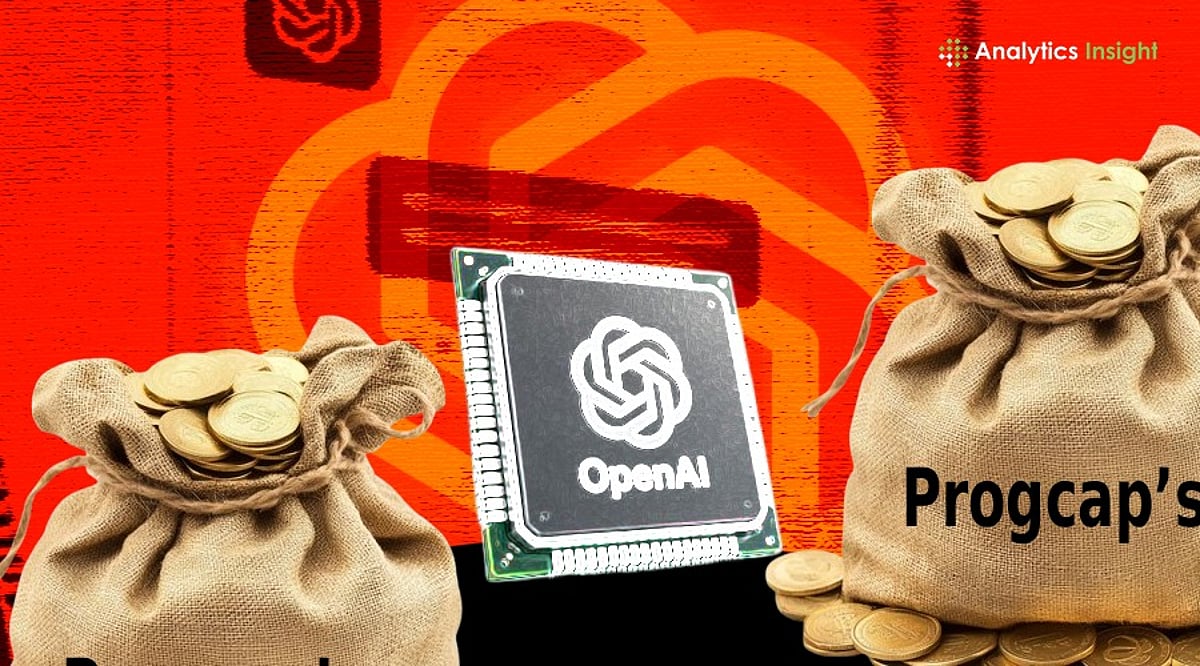
    OpenAI and Broadcom have introduced the Jalapeño AI chip, designed to make large language models like ChatGPT faster, cheaper, and more power-efficient. The chip aims to reduce costs and improve AI performance, with deployment planned for late 2026. It will support ChatGPT and other OpenAI tools.

    Indian Fintech Progcap Plans $45 Million Fundraise for MSME Lending

    Indian fintech company Progcap is preparing to raise $45 million to expand its small-business lending operations. The funding will help improve its technology, reach more shop owners and traders, support women-led businesses, and strengthen financial inclusion across underserved areas in India.

    AWS CEO Says AI Won’t Stop Hiring New Graduates

    AWS CEO Matt Garman stated that AI will change how people work but will not replace the need for new employees. Amazon plans to hire 11,000 interns and fresh graduates in 2026, emphasizing that young workers bring fresh ideas and can quickly learn the AI skills needed for future jobs.

    Why 10 IT Jobs Are Hard to Fill in 2026

    Many companies are struggling to fill critical IT roles in 2026 due to a shortage of qualified candidates with skills in AI, cybersecurity, cloud, and data. To address this, businesses are increasingly investing in training existing employees rather than relying solely on external hires.

    EU Proposes Major Fines for Crypto Companies Violating MiCA Rules

    The European Banking Authority (EBA) has unveiled plans to impose significant fines on major crypto firms that breach the EU’s MiCA crypto regulations. The goal is to ensure uniform enforcement across member states, improve market fairness, and encourage compliance with the new laws.

    For more details, visit the original article on Analytics Insight.