Tag: BTC

  • 5 Key Downside Risks Every Bitcoin Investor Must Watch in 2026

    5 Key Downside Risks Every Bitcoin Investor Must Watch in 2026

    Bitcoin trades near $64,700–$65,000 in mid-July 2026 after a recovery fueled by better-than-expected US inflation data and strong institutional interest. Yet several downside risks continue to hover over the market. Understanding these factors helps investors prepare for sudden volatility.

    1. Global Economic Pressure

    Macroeconomic conditions heavily influence Bitcoin. Lower inflation expectations recently boosted prices, but any reversal—such as renewed inflation or the Federal Reserve maintaining high interest rates—could drive investors toward safer assets, pulling capital out of crypto.

    2. ETF Money Flows

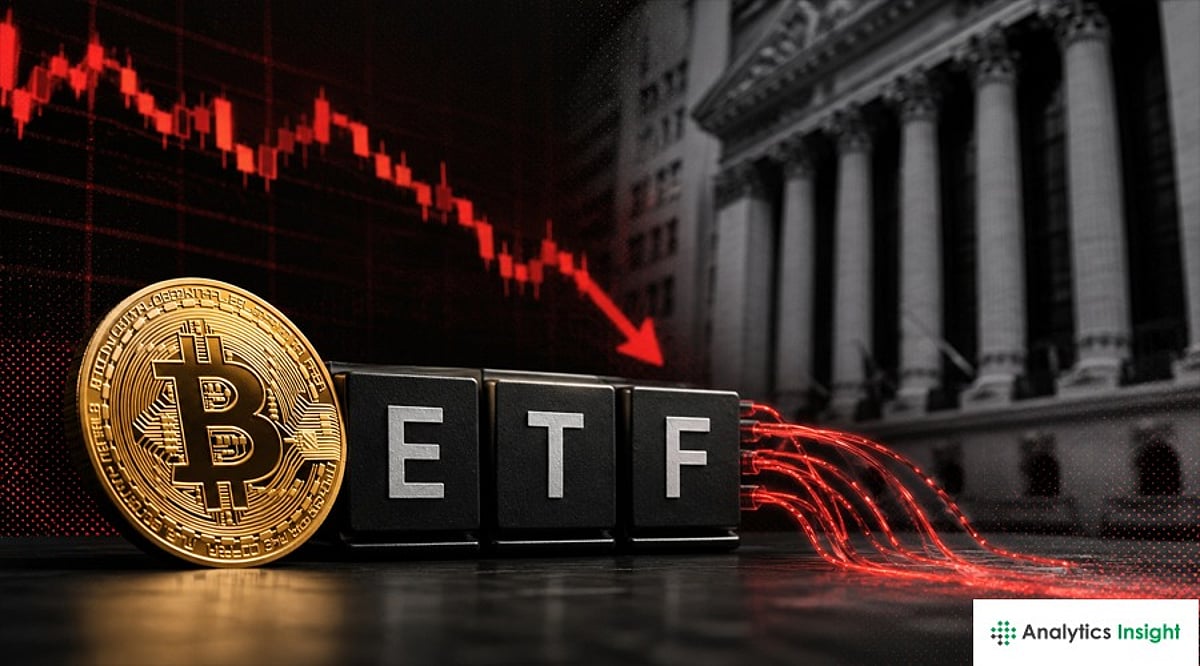
    Spot Bitcoin ETFs have become a major short-term price driver. Inflows push prices up; outflows pull them down. Recent sessions saw $143 million in inflows after outflows, demonstrating how institutional fund movements can swing the market within hours.

    3. Geopolitical Tensions

    Events in the Middle East have caused temporary sell-offs, pushing Bitcoin to near $62,000. Geopolitical uncertainty often drives investors into traditional safe havens, triggering volatility in cryptocurrencies.

    4. Options Expiry and Profit Booking

    The derivatives market has grown rapidly. A recent $1.4 billion options expiry created sharp price swings as traders adjusted positions. Additionally, profit booking after strong rallies increases selling pressure and can slow upward momentum.

    5. Regulatory Uncertainty

    Governments worldwide continue to develop new rules for taxes, exchanges, stablecoins, and anti-money laundering. Unexpected announcements can quickly shift market sentiment, keeping investors cautious despite improved clarity in some regions.

    Why It Matters: Bitcoin remains an emotional market. Positive catalysts attract buyers; negative headlines spark panic. Institutional adoption and a fixed supply support long-term optimism, but short-term risks demand vigilance.

    Disclaimer: This article is for informational purposes only and does not constitute financial advice. Always conduct your own research before investing.

  • Bitcoin Nears $65K Resistance Amid Softer Inflation Data and Surging ETF Inflows

    Bitcoin Nears $65K Resistance Amid Softer Inflation Data and Surging ETF Inflows

    Bitcoin traded near $64,600 on July 15 after hitting an intraday high above $65,100, gaining about 3% in 24 hours. The move brings the leading cryptocurrency close to a key resistance zone, fueled by cooler U.S. inflation data, robust ETF inflows, and short liquidations.

    Cooling Inflation Drives Bitcoin Higher

    The U.S. Consumer Price Index fell 0.4% in June—the largest monthly decline since April 2020. Annual inflation slowed to 3.5% from 4.2% in May, while core inflation remained unchanged and eased to 2.6% annually. The report reduced expectations for a near-term Federal Reserve rate hike, with market pricing dropping from 43% to 13%. Lower rate expectations supported risk assets like Bitcoin, as traders moved away from cash positions.

    Bitcoin’s correlation with the S&P 500 reached 86% during the move, indicating a broad macro reaction rather than a crypto-specific event. Fed Chair Kevin Warsh is addressing Congress this week, and the July policy meeting is scheduled for July 28–29.

    ETF Demand and Liquidations Add Support

    U.S. spot Bitcoin ETFs recorded $181 million in net inflows on July 14, led by BlackRock’s IBIT with approximately $139 million and Fidelity’s FBTC adding roughly $21 million. This fresh demand through regulated investment products coincided with rising prices that forced bearish traders to close leveraged positions. About $107.25 million in Bitcoin shorts were liquidated over 24 hours, adding upward momentum.

    The inflow data followed uneven institutional activity earlier in July. Traders are watching for sustained demand after the CPI-driven move.

    Bitcoin Price Faces a $65K Breakout Test

    Bitcoin now faces resistance at $65,000 and near its 50-day exponential moving average around $65,142. A daily close above that level could open a move toward $68,000, with the next resistance zone between $68,000 and $70,000. Analyst Michaël van de Poppe expects Bitcoin to reach $68,000 within one to two weeks, and possibly $75,000 to $80,000 in August, provided price clears nearby resistance.

    Order-book data shows notable selling interest near $67,000 and above, with buyers supporting between $63,500 and $63,800. A fall below $64,000 could expose $63,000, while a deeper break may bring $61,300 into focus.

    Oil prices add a near-term risk: Brent crude climbed to $85.42 after the U.S. restored a naval blockade on Iranian ports. Further supply disruption could lift inflation expectations and alter the rate outlook that supported Bitcoin’s rally.

  • Bitcoin Tumbles Below $63K After Brief Surge Past $64,250 Amid US-Iran Tensions

    Bitcoin Tumbles Below $63K After Brief Surge Past $64,250 Amid US-Iran Tensions

    Bitcoin briefly surged above $64,250 on Sunday before retreating to $62,839, a 0.65% decline, as renewed US-Iran tensions triggered a broad risk-off shift across global markets. The cryptocurrency’s volatile session underscores how tightly digital assets are now tied to geopolitical headlines far beyond the crypto ecosystem.

    Bitcoin Price Today: A Quick Snapshot

    The session split into two distinct halves. Early buyers pushed Bitcoin to fresh multi-week highs, only to watch those gains evaporate once news of tanker attacks near the Strait of Hormuz hit the wires. Volume rose noticeably during the retreat, indicating real selling pressure rather than a quiet weekend market.

    • Current price: $62,839 (down 0.65% on the day)
    • Weekly change: -1.94%
    • Intraday high: $64,250+
    • 24-hour crypto liquidations: $254 million (mostly long positions)

    Key Bitcoin Price Levels to Watch

    Technically, Bitcoin remains below its 50-day, 100-day, and 200-day exponential moving averages — a bearish stacking that often caps rallies. Key levels are:

    • Resistance: $64,000–$64,072, with a stronger barrier at the 50-day EMA near $65,577
    • Support: $61,748–$62,360; a break below $61,700 could expose a move toward $58,000

    The Relative Strength Index (RSI) sits in neutral territory (47–52), suggesting the market is neither overbought nor oversold.

    Why US-Iran Tensions Matter to Crypto Markets

    Geopolitical conflicts rarely stay confined to energy markets. Despite Bitcoin’s reputation as “digital gold,” it still behaves like a risk asset during military escalation. Key ripple effects include:

    • Rising oil prices fuel inflation worries, pressuring risk assets broadly.
    • Investors rotate into gold or the dollar, pulling liquidity away from crypto.
    • Leveraged Bitcoin positions get wiped out quickly as volatility spikes.

    Broader Market Reaction

    Bitcoin was not alone in the sell-off. Ethereum slipped to $1,789, while Solana held up better near $76.80. The Altcoin Season Index sat near 59, indicating altcoins have not meaningfully outpaced Bitcoin. The Fear and Greed Index dropped to 28, reflecting heightened fear.

    Analyst Outlook on Bitcoin Price Prediction

    Technical readings are mixed but not outright bearish. The daily MACD histogram has started to stabilize, and institutional buying offers a floor. Strategy (formerly MicroStrategy) added to its Bitcoin reserves, and ETF flows are showing early signs of steadying after a rough June.

    A confirmed daily close above $64,000 could open the door toward $65,500 and $67,000. Conversely, a break below $61,700 would likely trigger selling pressure toward $58,000.

    Factors That Could Shape Bitcoin’s Next Move

    • Further escalation near the Strait of Hormuz could spark a sharper retreat from risk assets.
    • A credible ceasefire announcement could quickly restore risk appetite.
    • Federal Reserve commentary on interest rates will shape broader liquidity conditions.
    • Sustained institutional buying could cushion Bitcoin against deeper downside.

    Final Words

    Bitcoin’s brief run to $64,250 shows that demand for higher prices has not disappeared. The pullback says less about crypto fundamentals and more about how tightly digital assets are now tied to geopolitical events. Two storylines to watch: the technical tug-of-war around $64,000 resistance and the geopolitical standoff thousands of miles away. The resolution of either will likely decide Bitcoin’s next direction.

  • Bitcoin Surges Past $60,000: Can the Rally Sustain Amid Bearish Headwinds?

    Bitcoin Surges Past $60,000: Can the Rally Sustain Amid Bearish Headwinds?

    Bitcoin has reclaimed the $60,000 level as stronger demand, ETF inflows, and positive market sentiment support recovery. However, inflation, global uncertainty, and key resistance levels still create caution.

    Key Takeaways

    • Bitcoin has moved back above the important $60,000 support level.
    • ETF inflows and stronger buying demand continue to support the market.
    • Global economic risks and resistance above $64,000 still limit confidence.

    Bitcoin has once again crossed the important $60,000 price mark after a period of sharp price swings. This move has boosted confidence across the cryptocurrency market, with $60,000 becoming a key level for traders and investors.

    What Helped Bitcoin Rise Again?

    Several reasons have supported Bitcoin’s return above $60,000. One major reason stems from Bitcoin’s strong performance in July. Market research from CryptoQuant shows that July has often brought positive returns for Bitcoin in past years. Current on-chain data also looks similar to earlier recovery periods, which has increased positive expectations.

    Another reason comes from stronger buying activity. More buyers have entered the market, while many long-term Bitcoin holders have reduced their selling. This balance between buyers and sellers has created better support for the current price. Lower selling pressure often gives Bitcoin a better chance to move higher. Market conditions outside the crypto sector have also played an important role. Rate cut expectations are building across major economies.

    Institutional Demand Remains Strong

    Institutional interest continues to support Bitcoin despite recent price swings. Spot Bitcoin exchange-traded funds, also known as ETFs, have continued to receive net inflows over recent weeks. These investment products allow large institutions and traditional investors to gain exposure to Bitcoin without directly buying the digital asset.

    Steady ETF inflows show that institutional demand has not disappeared even during periods of market uncertainty. This demand has provided additional support below current price levels and has helped Bitcoin recover after previous declines.

    Bear Market Risks Still Exist

    Although Bitcoin has regained an important price level, experts do not believe that all risks have disappeared. Several challenges still remain before a full bull market becomes clear.

    Global economic uncertainty continues to create pressure across financial markets. Inflation remains a key concern in many countries, while central bank interest rate decisions continue to influence investor sentiment. At the same time, geopolitical tensions continue to create uncertainty across global markets. Any major change in these areas could quickly affect Bitcoin prices.

    Another concern comes from Bitcoin’s struggle near the current trading range. During recent weeks, the price has found strong resistance around the low-to-mid $60,000 area. Sellers have repeatedly entered the market near these levels, which has limited further gains. Until Bitcoin breaks above this resistance with strong buying support, market caution will likely remain.

    Some analysts have also raised questions about future institutional adoption. According to views linked with JPMorgan research, the growth of private or permissioned blockchain networks could attract more business interest over time.

    Important Price Levels to Watch

    The $60,000 level now acts as one of the most important support zones for Bitcoin. As long as the price stays above this mark, buyer confidence may remain healthy.

    The range between $62,000 and $64,000 has become the current battleground between buyers and sellers. Strong demand above this range could open the path for another upward move.

    A successful break above $64,000 would strengthen bullish momentum and increase hopes for a larger rally. On the other hand, a fall below $60,000 could increase selling pressure and raise the possibility of another correction.

    What the Latest Data Suggests

    The most recent data obtained directly from on-chain has produced some great signs. Demand has increased, while selling pressure from long-term holders has declined. This decline in selling pressure has helped Bitcoin recover recently, and the market has recovered from the previous downtrend.

    At the same time, seasonal trends are now supporting Bitcoin. The historical data show that July has typically been one of the best months for Bitcoin. While it is true that history is not always indicative of future performance, it still attracts traders’ attention.

    Outlook Remains Positive but Careful

    Bitcoin’s recovery above $60,000 marks an important step after weeks of volatility. Stronger buying demand, lower selling pressure, positive seasonal history, and continued ETF inflows have all supported the latest rally. These factors have improved the short-term outlook and have increased hopes for additional gains.

    However, caution still remains necessary. Inflation, central bank decisions, geopolitical developments, and future institutional investment trends could all influence Bitcoin’s direction. Market experts believe that a few strong daily closes above the current resistance zone would provide stronger evidence that the recovery has become more durable.

    For now, Bitcoin appears to stand in a recovery phase rather than a confirmed long-term bull market. The latest rally has improved market confidence, but bear market risks have not completely disappeared. The coming weeks may decide whether Bitcoin builds on this momentum or faces another period of price pressure.


  • Bitcoin Holds $62K Support as Rising Japanese Yields Test Risk Appetite

    Bitcoin Holds $62K Support as Rising Japanese Yields Test Risk Appetite

    Bitcoin is holding near $63,300 after a turbulent week, as bulls defend the $62,000 support level. The rebound faces a fresh challenge from surging Japanese government bond yields, which have climbed to 30-year highs and are pushing global borrowing costs higher.

    Japanese 10-year bond yields rose to 2.85%, an 18-basis-point increase since the start of July. This move has lifted U.S. Treasury yields to test 4.5%, while German and UK yields are also climbing. Higher yields make fixed-income assets more attractive relative to Bitcoin, which does not pay interest, raising the opportunity cost of holding BTC.

    Bitcoin found support near $58,000 on July 1 and rallied to $64,000, driven by softer U.S. inflation data and weaker jobs numbers. Fed Chair Kevin Warsh noted on July 1 that inflation risks had diminished, and the June nonfarm payrolls report showed only half the expected job gains. The labor force participation rate fell to 61.5%, its lowest in over five years. These factors fueled rate-cut hopes and boosted risk assets.

    However, the recovery was partly futures-driven, with net futures buying reaching $415 million on Sunday while spot flows remained slightly negative. This made the rally vulnerable to a fast unwind. A subsequent sell-off was triggered by Strategy’s disclosure of a $216 million Bitcoin sale to fund dividends on preferred securities. The company sold 3,588 BTC, causing a sharp price drop.

    Bitcoin later recovered as futures buying returned, supported by $143 million in spot buying. Liquidations surged 279.73% to $236.38 million in 24 hours, forcing leveraged positions to close and driving a short squeeze. BTC is now trading in a tight range: holding above $62,000 could allow a test of $65,000, while a break below may expose $60,000 or $59,500. The Fear & Greed Index stands at 28, signaling ‘Fear.’

    Analysts remain divided on the impact of rising Japanese yields. Goldman Sachs expects the yen to weaken further and continues to favor yen-funded carry trades, suggesting that global risk appetite may not fully unwind. For now, traders are watching key support and resistance levels as macro factors and corporate flows shape Bitcoin’s next move.

  • Bitcoin Hovers Near $60K as Peace Talks Lift Stocks, Strategy Losses Mount

    Bitcoin Hovers Near $60K as Peace Talks Lift Stocks, Strategy Losses Mount

    Bitcoin opened Monday near $59,700 as renewed U.S.-Iran peace efforts lifted equity futures but failed to revive crypto demand. The asset fell 0.3% during the session and 6.8% across the week. Meanwhile, fresh criticism of Strategy’s Bitcoin purchases added pressure around the market’s largest corporate holder.

    Peace Talks Lift Stocks but Leave Bitcoin Flat

    Axios reported that the United States and Iran agreed to halt strikes and meet this week in Qatar. The talks will cover the Strait of Hormuz and a broader path toward ending the conflict. S&P 500 and Nasdaq 100 futures gained 0.5% following the report. Crypto markets barely responded, continuing a pattern that has shaped trading during the past two weeks.

    Ether rose 0.3% to $1,572, while Solana gained 1.5%. By contrast, XRP and Dogecoin extended their declines as traders remained cautious. Bitcoin rallied after the June 19 peace agreement. Yet those gains faded as a hawkish Federal Reserve outlook and exchange-traded fund outflows returned to focus.

    Meanwhile, South Korea announced plans to double DRAM production capacity around Seoul within five years. Samsung and SK Hynix committed 800 trillion won, or about $518 billion, toward four fabrication plants. Asian technology hardware shares declined during the rotation, although eight of the eleven MSCI Asia Pacific groups advanced. The artificial intelligence chip trade continued to shape wider market movements.

    Will the Qatar talks and Thursday’s inflation report give Bitcoin a lasting catalyst? Both events now represent major tests for crypto markets this week.

    Strategy Losses Renew Scrutiny of Saylor’s Approach

    Economist Peter Schiff said Sunday that Michael Saylor had destroyed shareholder value through Strategy’s Bitcoin accumulation plan. He cited the company’s paper losses and declining stock price. According to Schiff, Strategy carries almost $14 billion in unrealized losses on its Bitcoin holdings. He also compared its $29.54 billion market value with the $64.10 billion spent acquiring Bitcoin.

    Strategy holds more than 847,363 Bitcoin at an average purchase price of $75,651. That position makes the company the world’s largest corporate Bitcoin owner. Schiff argued that a large Strategy sale could push Bitcoin lower and limit potential liquidation proceeds. He has repeatedly criticized the company’s business model and cryptocurrency exposure.

    Last week, Schiff said Saylor’s Bitcoin bet could become the largest losing trade in history. He has also called MSTR stock the worst route to Bitcoin exposure.

    MSTR Slides as Strategy Defends its Market Role

    Concerns grew after Strategy disclosed Bitcoin sales earlier this month. The announcement weakened the ‘never sell’ position that many bullish investors had associated with the company. Since that disclosure, MSTR shares have fallen 45%. The stock closed Friday at $82.31 after dropping 3.54% during the regular trading session.

    Saylor has defended Strategy’s actions during the current bear market. He said the company has provided liquidity and support for Bitcoin rather than creating systemic risk.

    Bitcoin later traded near $60,041, up 0.28% over 24 hours, according to Benzinga Pro. That reading remained close to the level recorded during Monday’s flat market opening.

    What’s Next?

    Bitcoin remained near $60,000 even as U.S.-Iran peace talks supported equities, while Strategy faced renewed criticism over its mounting paper losses and declining share price. Investors should now watch the Qatar negotiations and inflation data, as both could shape Bitcoin’s next major market direction.

    This article was originally published by Analytics Insight and has been adapted for publication.

  • Bitcoin ETF Assets Drop Below $73 Billion as BTC Falls Under $60,000 – June Outflows Hit $3.61 Billion

    Bitcoin ETF Assets Drop Below $73 Billion as BTC Falls Under $60,000 – June Outflows Hit $3.61 Billion

    US-listed spot Bitcoin exchange-traded funds recorded $696.3 million in net outflows on June 25 as Bitcoin slipped below the $60,000 mark. This marked the largest single-day withdrawal in June and extended the funds’ losing streak to six consecutive trading days.

    The latest outflow pushed June total withdrawals to $3.61 billion and brought year-to-date net outflows to approximately $4.6 billion. The data signals weakening demand from institutional investors as Bitcoin trades near its lowest level of 2026.

    ETF activity has become a key focus for market participants. These products previously provided steady buying pressure, but persistent redemptions are now returning coins to the market while investors reassess risk across cryptocurrencies and high-growth tech assets globally.

    Bitcoin ETF Withdrawals Accelerate in June

    The June 25 outflow surpassed the previous monthly high of $519.2 million recorded on June 2. Second-quarter net withdrawals now stand at roughly $4.07 billion, despite the funds attracting nearly $1.97 billion in April.

    Investors withdrew about $2.43 billion in May and another $3.61 billion in June, bringing the combined two-month total to approximately $6.04 billion. Spot Ether ETFs also posted about $81.87 million in outflows on the same day.

    BlackRock’s iShares Bitcoin Trust led second-quarter losses with roughly $2.01 billion in net outflows. The fund saw around $4.02 billion in withdrawals across May and June, reducing its net assets to about $44.43 billion. Fidelity’s Bitcoin fund recorded approximately $889 million in second-quarter withdrawals.

    ETF Assets Fall as Bitcoin Tests Lower Prices

    Total assets held by US spot Bitcoin ETFs dropped to about $72.6 billion, the lowest level since late 2024 and a decline of nearly 57% from the October 2025 peak of $169.5 billion.

    The drop coincided with Bitcoin losing roughly half its value from its October high. The cryptocurrency touched a 2026 low near $58,190 on Thursday before recovering toward $60,000.

    Separate wallet data shows the ETFs hold about 1.24 million BTC, with roughly 63,500 BTC leaving the products over the past 30 days. This has raised fresh questions about short-term institutional demand. Traders are watching whether daily ETF withdrawals slow near the $60,000 level and monitoring trading volume, derivatives funding rates, and open interest for signs of additional selling pressure.

    Strategy Slows Purchases as Funding Questions Grow

    Strategy bought about 3,600 BTC in June, down sharply from nearly 25,000 BTC in May and more than 50,000 BTC in April. Company filings also showed a net sale of 32 BTC earlier in the month, an unusual move during its long accumulation campaign.

    The company’s STRC preferred stock closed at $75.69 on Thursday, down 6.37% and well below its intended $100 benchmark. Some analysts have questioned whether Strategy should pause Bitcoin purchases and rebuild cash while market prices remain under pressure.

    CryptoQuant analysts expressed doubts about the company’s buying schedule and risk controls. Bitcoin supporter Samson Mow offered a different perspective, noting that STRC has a “self-repairing mechanism” when it trades below $100. He said Strategy can stop issuing new shares through its at-the-market program, which limits added supply.

    Bitcoin’s near-term direction may depend on whether ETF flows stabilize. Investors are also watching large technology shares, as stronger demand for artificial intelligence stocks has drawn capital away from other assets.