

Tag: budgeting

  • PennyGuard: How Its Features Support Everyday Money Decisions

    PennyGuard: How Its Features Support Everyday Money Decisions

    PennyGuard is a personal finance tool designed to bring the details of your everyday spending into one view. Rather than focusing only on saving, it helps you understand what is happening with each charge, identify recurring expenses, and uncover benefits linked to the cards you already use.

    What PennyGuard Does

    PennyGuard connects to your financial data through a few different paths. It works with bank connections through Plaid, offers a card connection option, and supports email connections from Gmail, Outlook, or Yahoo. The level of bank support depends on Plaid coverage.

    Once connected, the platform uses that information to identify options tied to individual transactions. The outputs fall into three main categories:

    • Information: explaining what a charge is, reminding you of a renewal, or showing a card perk.
    • Requests: actions you confirm, such as a cancellation or refund request.
    • Fulfilled outcomes: completed results, such as a confirmed cancellation or a refund that has landed in your account.

    Keeping these categories separate helps you know exactly what a feature is doing and what still needs to happen.

    Card Benefits for Purchases You Plan to Keep

    Not every transaction needs to be reduced or eliminated. Some charges reflect purchases you are happy with, and your main interest is whether your card offers a benefit for them.

    PennyGuard’s planned transaction-focused main view is meant to surface cashback or perks associated with your card, along with possible ways to pay less. The goal is to help you notice a benefit you might otherwise miss.

    There is an important difference between seeing a benefit and receiving it. Cashback is paid by the bank or card network under its own terms, so eligibility and fulfillment matter after discovery.

    When You Need More Context About a Charge

    A charge can look unfamiliar without being something you want to stop. In those cases, the text AI assistant is designed to answer questions using the same connected information that powers transaction analysis.

    You could ask what a charge is, which subscriptions are worth reviewing, or what perk may apply to a specific transaction. The explanation comes first; deciding to keep a service, cancel it, or request a refund comes later.

    PennyGuard helps surface opportunities and prepares actions, but you stay in control before any request is sent.

    Subscription Review and Cancellation Support

    Subscription detection uses bank and email data to spot recurring payments. The tool also looks for regular bills, trial periods, price increases, and duplicate charges. Those findings are a starting point for reviewing what you actually use.

    For example, you might go through a list of subscriptions after a change in your routine. Some services may still be essential, others may be occasional, and a few may no longer make sense. PennyGuard helps organize that review without assuming every subscription should be canceled.

    When you decide to cancel a service, PennyGuard can initiate cancellation requests through an AI agent, email, or a partner. Confirmation is required before anything is sent. The time to completion depends on the service, and you should treat a cancellation request as separate from a confirmed cancellation.

    Refund Requests vs. Bill Negotiation

    Merchant refunds and bill negotiation both involve another organization’s response, but they address different situations. A refund request is about money already charged. Negotiation is about lowering a bill.

    If you want a merchant to review a charge, PennyGuard can help submit a refund request after your confirmation. The useful output at that stage is initiation. Approval and the return of funds are separate outcomes.

    If you want to keep a service but pay less, the path is negotiation through a partner. The intended result is a changed cost rather than ending the service.

    Because timing depends on the merchant or provider, it helps to distinguish between the request you sent, the decision that came back, and the actual money impact.

    Notifications and Safe to Spend

    PennyGuard includes notifications for renewals, trial endings, price changes, and unfamiliar charges. Email and in-app notifications are planned delivery methods. An alert may simply prompt you to make a conscious decision to keep a service unchanged.

    The Safe to Spend feature answers a common question: how much may be left before your next deposit? It is an estimate, not a guarantee, so you should use it alongside commitments and upcoming expenses when weighing a purchase.

    PennyGuard does not hold money, transfer funds, pay bills, or open financial products. Its role is to keep you informed and help you decide what deserves attention.

    How to Use PennyGuard in Practice

    Start with the question you actually have:

    • If the purchase is staying, look at card benefits.
    • If the charge is unclear, seek context.
    • If a recurring service is no longer useful, consider a cancellation request.
    • If the issue is a past charge, think about refund assistance.
    • If the issue is a high ongoing bill, explore negotiation.

    Then identify what result you are looking at: information displayed, an action you confirmed, or a completed outcome. That distinction is the thread that connects PennyGuard’s planned features without making them interchangeable.

    PennyGuard is scheduled to launch on October 15, 2026. For current product information, consult the official PennyGuard site.
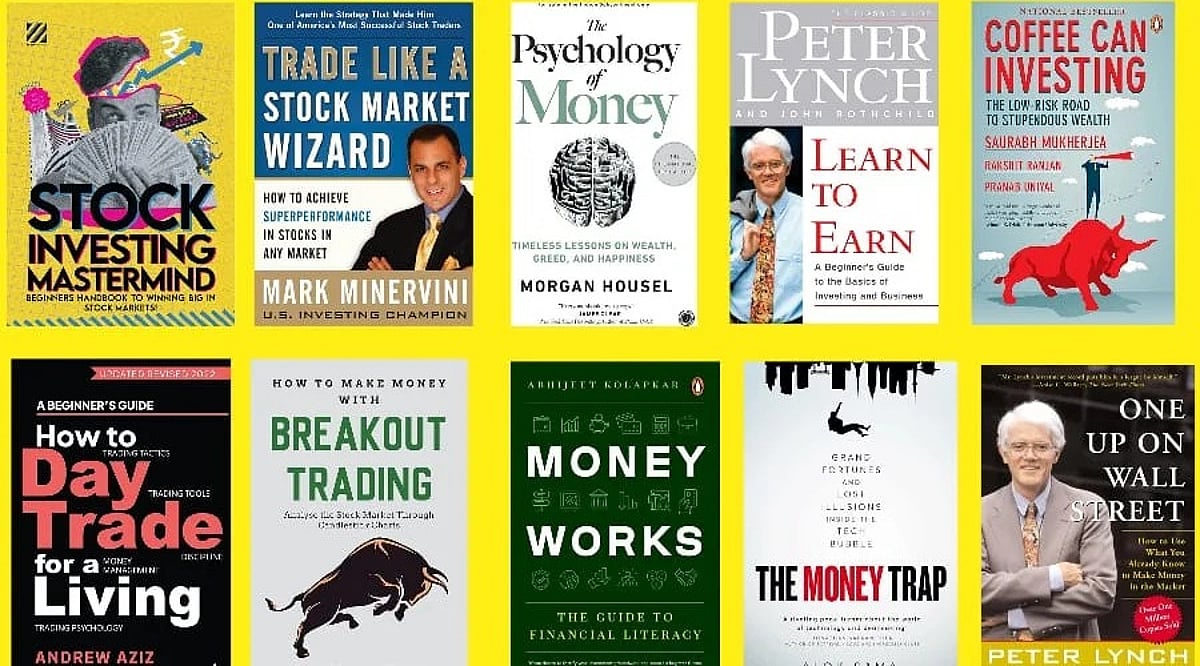
  • Top 10 Personal Finance Books to Master Money in 2026

    Top 10 Personal Finance Books to Master Money in 2026

    Managing money well depends as much on behavior as on financial knowledge. The right books can help build better saving, investing, and spending habits over time. Timeless principles remain valuable even as markets, technology, and personal finance continue to evolve.

    A budgeting app can track spending in seconds. It cannot explain why a person overspends every payday despite knowing better. That gap between knowing and doing is where books still earn their place, and it is wider in 2026 than it was five years ago, with gig income, AI-driven job cuts, and market swings reshaping how people relate to money.

    Here are the ten worth reading, grouped by financial stage rather than ranked by popularity.

    Strongest Starting Trio

    Most readers, regardless of stage, gain the most from three books together: The Psychology of Money, I Will Teach You to Be Rich, and The Simple Path to Wealth. One reshapes how money is understood. One provides a working routine for daily decisions. One builds a durable investing foundation. Together they cover the three most common failure points: poor instincts, no system, and fear of investing.

    For Money Mindset and Behavior

    The Psychology of Money, by Morgan Housel, explains why capable people still make poor financial decisions under stress and social pressure. Rich Dad Poor Dad, by Robert Kiyosaki, reframes how readers categorize assets and liabilities. That shift proves useful even though several of Kiyosaki’s specific claims have drawn criticism from financial professionals over the years. Housel holds up better on rereading and works well as a single starting point for anyone who reads only one book from this list.

    Financial anxiety has become routine for many readers in 2026. Layoffs tied to AI adoption and unpredictable gig income have made that anxiety a daily condition, and no budgeting app addresses it directly. Both books tackle that psychological layer instead of the numbers alone.

    For Budgeting, Debt, and Daily Money

    The Total Money Makeover, by Dave Ramsey, and I Will Teach You to Be Rich, by Ramit Sethi, solve the same problem through opposite personalities. Ramsey favors strict rules: cut up the cards, snowball the debt, and live on a fixed cash plan. It works well for readers who need firm boundaries. Sethi favors automation: build routines that run quietly in the background so willpower matters less. Neither method is wrong. They suit different temperaments.

    Get Good with Money, by Tiffany Aliche, serves a third kind of reader—someone who feels structurally lost rather than simply undisciplined, with no baseline financial education to build from. It starts several steps earlier than the other two, covering credit basics and account structure before moving into strategy. Rigid budgets tend to break under variable income, and gig work keeps growing. Sethi’s automation-first model tends to hold up better for readers without a fixed monthly paycheck.

    For Investing and Wealth Building

    The Simple Path to Wealth, by JL Collins, and The Intelligent Investor, by Benjamin Graham, are both essential but not interchangeable. Collins offers a direct, low-friction case for index investing that a reader could act on within a week. Graham offers a philosophy of value and risk that takes longer to absorb but shapes every future investment decision. Collins builds action. Graham builds judgment.

    Friends that Invest, by Simran Kaur, works as the right entry point for readers who find both intimidating. It skips theory and walks through mechanics instead: opening a brokerage account, choosing a first fund, and understanding fees. Together, Collins and Graham argue for disciplined, low-cost investing over chasing trends, a case that has only grown stronger as AI-driven volatility and a flood of new ETF products make picking individual winners harder.

    For Retirement, FIRE, and Life Design

    Die with Zero, by Bill Perkins, and Your Money or Your Life, by Vicki Robin, share a premise: most people over-save and under-live. They land in different places. Perkins argues for deliberate spending before health or energy declines, treating memories and experiences as assets with their own expiration date. Robin pushes further, asking readers to treat every purchase as hours of life spent rather than dollars traded.

    The FIRE conversation has moved past the question of early retirement itself. Higher borrowing costs and pricier healthcare have made the math harder than it looked a decade ago, shifting the real question toward what retirement is actually for. Perkins and Robin, read together, address both the numbers and the purpose behind them.

    Suggested Reading Order

    Start with The Psychology of Money to reset how money gets evaluated. Move to I Will Teach You to Be Rich for a working routine. Read The Simple Path to Wealth next to build investing confidence. From there, branch based on priority: Die with Zero for life design, or The Intelligent Investor for deeper investment judgment.

    Final Thought

    Reading ten books was never the goal. Applying one lesson from the right book, at the right stage, changes outcomes faster than collecting a shelf of titles that never get opened. That single act of follow-through will matter more in the next few years than it has in the last decade, as financial noise keeps multiplying and genuine signal gets harder to find.