Tag: Bybit

  • Ranking the World’s Largest Derivatives Exchanges: From NSE to Binance

    Ranking the World’s Largest Derivatives Exchanges: From NSE to Binance

    Derivatives trading is a cornerstone of global financial markets, enabling investors to hedge risk and speculate on price movements. Below, we rank the major exchanges worldwide by their derivatives activity, covering both traditional financial exchanges and leading cryptocurrency platforms.

    NSE India

    NSE India is a major derivatives marketplace, particularly known for its large equity options activity. Its derivatives segment covers index and stock futures and options, giving traders access to a broad range of instruments. High trading activity has made NSE an important exchange in global derivatives markets.

    CME Group

    CME Group operates one of the world’s major derivatives marketplaces, offering futures and options across interest rates, equity indexes, foreign exchange, energy, agricultural commodities, metals, and digital assets. Its diverse product range supports institutional and professional traders seeking exposure to global financial and commodity markets.

    Eurex

    Eurex is a leading European derivatives exchange offering products across equity indexes, interest rates, equities, and other financial markets. Its trading activity includes major European benchmarks and interest-rate contracts. The exchange serves banks, institutional investors, asset managers, and other market participants across international financial markets.

    Binance

    Binance operates one of the largest cryptocurrency derivatives marketplaces, offering futures and other leveraged products across numerous digital assets. Its derivatives platform attracts traders from international markets and records substantial daily activity. Bitcoin, Ethereum, and various altcoins contribute significantly to its overall cryptocurrency derivatives trading volumes.

    OKX

    OKX is a major cryptocurrency exchange with a significant derivatives business covering futures, perpetual contracts, and options. Its platform provides access to numerous digital assets and trading pairs. Strong activity in crypto derivatives has positioned OKX among the leading global platforms by trading volume and market participation.

    Bybit

    Bybit is a major cryptocurrency derivatives platform offering perpetual contracts, futures, and options across a wide selection of digital assets. The exchange serves retail and professional traders globally. Its substantial derivatives activity reflects continued demand for leveraged cryptocurrency products and sophisticated trading instruments in digital asset markets.

    MEXC

    MEXC is a global cryptocurrency exchange with an active derivatives segment covering futures and perpetual contracts across numerous digital assets. The platform supports a wide range of trading pairs and attracts international users. Its derivatives volumes place it among the larger cryptocurrency exchanges competing in the global market.

    Join our WhatsApp Channel to get the latest news, exclusives and videos on WhatsApp.

  • OKX vs Bybit in 2026: Fees, Features, and Crypto Trading Compared

    OKX vs Bybit in 2026: Fees, Features, and Crypto Trading Compared

    Cryptocurrency exchanges OKX and Bybit compete across spot trading, derivatives, and automated trading. In 2026, their standard fees remain close, but recent fee changes, VIP structures, and product differences can materially affect trading costs. This comparison breaks down what each exchange offers and which one may be more cost-effective for your trading style.

    OKX Trading Fees

    OKX’s latest standard global schedule charges regular users a 0.08% maker fee and 0.10% taker fee on standard spot pairs. Standard futures fees are 0.02% for makers and 0.05% for takers.

    In August 2026, OKX simplified its fee structure by moving several Spot Group 2 and Group 3 pairs, along with Futures Group 2 pairs, to corresponding Group 1 rates. In September, it adjusted fees for VIP 7 and VIP 8 clients while leaving other tiers unchanged.

    For futures, OKX’s VIP 5 level currently charges 0.005% maker and 0.026% taker fees. Qualification can depend on account assets or 30-day trading volume. OKX also offers spot trading, perpetual swaps, expiry futures, options, trading bots, and Web3 services, though product availability varies by jurisdiction.

    Bybit Trading Fees

    Bybit’s fee schedule, updated September 2, 2026, charges VIP 0 users 0.10% for both maker and taker spot trades. Perpetual and futures contracts carry a 0.02% maker fee and 0.055% taker fee, while options charge 0.02% and 0.03%, respectively.

    Fees decline as users move through Bybit’s VIP system. At VIP 5, crypto spot fees fall to 0.04% maker and 0.05% taker. Futures rates drop to 0.01% maker and 0.032% taker, while options reach 0.01% maker and 0.015% taker.

    Bybit determines VIP status using asset balances or 30-day trading volumes. Its VIP 5 threshold includes either USD 2 million in assets, USD 50 million in 30-day spot volume, or USD 250 million in derivatives volume, among other qualifying criteria.

    Which Exchange Costs Less?

    At standard global rates, OKX is cheaper for spot makers, charging 0.08% versus Bybit’s 0.10%. Both charge 0.10% to regular spot takers. OKX also has a slightly lower standard futures taker fee of 0.05%, compared with Bybit’s 0.055%, while both charge 0.02% to futures makers.

    However, headline fees do not show the complete cost. Perpetual funding rates, spreads, withdrawal charges, and regional fee schedules can change the effective price of a trade.

    One important distinction is that fee schedules are not universal. Bybit explicitly says actual rates may vary by region and directs verified users to their fee page. OKX similarly publishes jurisdiction-specific schedules. This matters as product access, derivatives availability, and promotional pricing can differ between countries even when the exchanges operate under the same brand.

    Both exchanges provide advanced derivatives, automated tools, and VIP programs. Traders should therefore compare the specific markets they use, liquidity, funding costs, security controls, and local regulatory availability rather than selecting an exchange based only on its lowest advertised trading fee.

    Frequently Asked Questions

    1. What are the standard spot trading fees on OKX and Bybit?

    OKX charges regular users 0.08% maker and 0.10% taker fees on standard spot pairs. Bybit’s VIP 0 schedule charges 0.10% for both maker and taker crypto-to-crypto spot trades.

    2. Which has lower futures trading fees, OKX or Bybit?

    At standard rates, OKX charges 0.02% maker and 0.05% taker fees for futures. Bybit charges 0.02% maker and 0.055% taker, making their maker rates equal while taker fees differ slightly.

    3. How do OKX and Bybit VIP programs reduce trading fees?

    Both exchanges offer progressively lower trading fees for qualifying high-volume or high-asset users. Eligibility can depend on factors such as account assets and 30-day spot or derivatives trading volumes.

    4. What trading products are available on OKX and Bybit?

    Both platforms provide spot and derivatives trading alongside advanced trading tools. Depending on the jurisdiction, users may also have access to perpetual futures, options, margin trading, automated strategies, and institutional services.

    5. What should traders consider when comparing OKX and Bybit?

    Trading fees are only one factor. Traders should also compare liquidity, spreads, perpetual funding rates, withdrawal costs, security controls, supported assets, and whether particular trading products are legally available in their jurisdiction.

  • Bybit Secures US Court Approval to Track Funds Stolen in $1.5B Lazarus Hack

    Bybit Secures US Court Approval to Track Funds Stolen in $1.5B Lazarus Hack

    In a significant legal victory, Bybit has obtained a U.S. federal court order allowing expedited discovery to trace assets linked to the $1.5 billion Lazarus Group hack. The ruling empowers the exchange to identify account holders, balances, and transaction histories from platforms operating in the United States.

    Court documents reveal that the order, issued in the District Court for the District of Columbia, permits Bybit to request detailed records before any changes occur. The lawsuit, filed under seal on June 18, targets North Korea’s Reconnaissance General Bureau, the Lazarus Group, and 20 unnamed defendants. The court approved expedited discovery the following day, while keeping certain exhibits sealed.

    To preserve identifiable assets, a temporary restraining order was issued on June 19, barring defendants from transferring specific funds. This order was renewed on July 16, and a partial preliminary injunction was granted on July 30. Bybit claims these legal steps are critical to freeze assets while the case proceeds.

    Despite these efforts, Bybit informed the court that 90.2% of the stolen assets had become untraceable by June 18. The funds were allegedly laundered through mixers, cross-chain bridges, and over-the-counter dealers, obscuring the transaction trail. Nonetheless, 9.8% of the total remains traceable, including $75.5 million that has either been frozen or returned to recovery channels.

    The February attack drained over 400,000 ETH and staked ETH from the Dubai-based exchange. Investigators linked the breach to compromised Safe Wallet infrastructure and developer credentials. The FBI officially attributed the theft to North Korea on February 26, 2025, under the operation name TraderTraitor.

    Bybit’s lawsuit seeks the return of stolen assets and $1.5 billion in compensatory damages, plus punitive and treble damages under the U.S. Racketeer Influenced and Corrupt Organizations Act. CEO Ben Zhou emphasized the company’s priority is to “protect our users first” and recover available funds, while holding those responsible accountable. Bybit plans to pursue further judicial relief and share blockchain records with investigators and regulators.

    North Korea has not publicly responded, and the defendants have yet to present a defense in unsealed filings. Parts of the proceedings remain confidential.

  • 8 Must-Know Crypto Apps for Investors: Trading, Staking, and Security Compared

    8 Must-Know Crypto Apps for Investors: Trading, Staking, and Security Compared

    Cryptocurrency investing has become far more accessible thanks to powerful mobile apps that combine trading, portfolio tracking, staking, and secure wallets in one place. Choosing the right platform, however, depends on several factors, including security, supported cryptocurrencies, fees, and overall user experience. Before entering the digital asset market with confidence, here are eight popular crypto apps every investor should know.

    Binance and Coinbase

    Binance offers one of the most extensive cryptocurrency listings in the industry, along with advanced trading tools, staking options, and competitive fees for global users. Coinbase, on the other hand, is known for its beginner-friendly interface, strong security measures, educational resources, and regulated services. For first-time cryptocurrency investors seeking simplicity and reliability, Coinbase is an ideal starting point.

    Kraken

    Kraken has earned a strong reputation for robust security, transparent fee structures, and advanced trading features. The platform supports spot trading, futures, staking, and institutional services. Its blend of accessibility and depth appeals to both beginners and experienced traders who want dependable cryptocurrency investing backed by comprehensive market access and reliable customer support.

    Crypto.com

    Crypto.com brings together cryptocurrency trading, staking, rewards, and a digital wallet within a single platform. Users can access a wide range of cryptocurrencies, earn rewards through staking programs, and spend digital assets using the company’s crypto-linked payment cards. This all-in-one approach makes it a versatile option for everyday crypto users around the world.

    Bybit and OKX

    Bybit is especially popular for derivatives trading, advanced charting, and fast execution speeds. OKX offers spot trading, futures, staking, decentralized finance services, and Web3 wallet integration. Both platforms provide comprehensive tools designed for active traders and experienced cryptocurrency investors who want diverse investment opportunities.

    Gemini and Bitget

    Gemini emphasizes regulatory compliance, security, and user protection, making it an attractive choice for cautious investors. Bitget has expanded rapidly with copy trading, derivatives, spot trading, and AI-powered features. Together, these platforms offer diverse options for users with different trading goals and investment strategies globally.

    Choosing the Right Crypto App

    The best crypto app ultimately depends on your investment goals, supported assets, fees, security standards, and the features you value most. Beginners often prefer simple interfaces, while experienced investors prioritize advanced analytics and trading tools. Comparing platforms carefully helps you select the most suitable app for long-term cryptocurrency investing success.

  • CASHCAT Surges 120% to $86M Market Cap as Robinhood Chain Deposits Rise and Bybit Launches Perpetual Contract

    CASHCAT Surges 120% to $86M Market Cap as Robinhood Chain Deposits Rise and Bybit Launches Perpetual Contract

    CASHCAT, the cat-themed memecoin on Robinhood Chain, has rebounded sharply to an $86 million market cap after a 120% weekly gain. The token’s price reached approximately $0.087 with a daily trading volume of $9 million, though it remains below its July peak of $0.22. Created by outside developers using Robinhood’s former cat-with-cash logo, the project is described by its website as ‘fan fiction with a ticker.’

    CASHCAT became Robinhood Chain’s first breakout memecoin within a week of the mainnet launch on July 1, with early wallets recording seven-figure returns during the initial surge. However, launch activity has since declined. The Noxa launchpad stopped accepting new launches on July 11 and went offline two days later, having earned an estimated $12 million in fees. Daily token deployments across Robinhood Chain launchpads fell from roughly 35,000 in mid-July to nearly 10,000. Noxa still holds about $137,000 in CASHCAT and has not sold.

    According to DEXTools data, there are approximately 41,200 holders, with the entire 989 million supply in circulation. The Uniswap liquidity pool holds 2.47% of the supply, while the next largest wallets each hold between 1.3% and 1.5%. The liquidity pool now contains $5 million, compared with $6.6 million when CASHCAT had a $105 million valuation.

    Robinhood Chain Activity Rises

    Robinhood Chain’s total value locked (TVL) reached $774 million after rising 20% in seven days. Lending protocols accounted for 43% of TVL, while asset management represented 41.5%. Key players include Morpho with $332 million (supporting Robinhood’s on-chain earn product) and Ethena with $236 million. Stablecoin balances grew 14% weekly to $575 million.

    Bybit Adds Leveraged Trading

    Bybit has introduced a CASHCAT perpetual contract with up to 10x leverage, further boosting trading activity. However, questions remain about trading momentum after Robinhood stops covering gas fees around late September. The chain’s stated tokenized-asset total stands at $27.6 million, while another active-market measure reached $100 million, up from about $70 million in late July. During that earlier period, about 12 tokenized stocks each recorded more than $500,000 in daily trading, with GameStop’s tokenized stock generating $26 million alone.

    CASHCAT’s recovery comes amid growing Robinhood Chain deposits and stablecoin balances, yet declining token launches and the impending end of subsidized gas fees represent key tests for the ecosystem’s sustainability.

  • Top Crypto Cards in India for 2026: A Comprehensive Buyer’s Guide

    Top Crypto Cards in India for 2026: A Comprehensive Buyer’s Guide

    Cryptocurrency cards have become a practical payment option for many users in India. These cards bridge digital assets with everyday spending, allowing quick payments at stores, restaurants, travel websites, and online platforms that accept Visa or Mastercard. Instead of selling crypto through an exchange before every purchase, cardholders can complete transactions with a single swipe or tap. This simple process saves time and offers greater convenience.

    The Indian market now offers several crypto card options with different rewards, supported assets, fees, and spending limits. Some cards focus on cashback in cryptocurrency, while others provide travel benefits, premium memberships, or lower conversion charges. A careful comparison helps cardholders select a card that matches personal spending habits and financial goals.

    How Cryptocurrency Cards Work

    A cryptocurrency card links to a crypto wallet rather than a traditional bank account. The wallet stores digital assets such as Bitcoin, Ethereum, or stablecoins. At the time of payment, the card provider converts the selected cryptocurrency into local currency. The merchant receives the payment in Indian Rupees or another supported currency, while the crypto balance decreases by the purchase amount.

    Most providers also offer mobile applications with balance tracking, transaction history, security controls, and asset management. Many cards allow users to switch between different cryptocurrencies before a transaction. This feature adds flexibility without extra steps during checkout.

    Key Features That Matter

    The popularity of crypto cards can largely be attributed to the incentives users get for using them. Several companies offer crypto cards that provide a percentage of every retail transaction as digital currency rather than traditional cashback. Over time, such tokens can significantly increase the user’s cryptocurrency balance without any additional investments.

    Equally important is the security provided by modern crypto cards. Most come with two-factor authentication, instant card freezing options, biometric login, and transaction alerts. These features reduce the chances of illicit transactions and enhance the security of crypto wallet activities.

    Another crucial factor is the supported cryptocurrency. Some cards support only a few digital currencies, while high-end cards support various coins and stablecoins. A greater variety enables users to spend their currencies more flexibly.

    Best Cryptocurrency Cards Available in India

    Several international crypto card providers continue to serve eligible Indian users through digital platforms.

    • Crypto.com Visa Card – Popular for attractive crypto rewards, airport lounge access for premium tiers, and support for multiple cryptocurrencies. Higher reward levels usually require larger platform token holdings.
    • Bybit Card – Gained attention with competitive cashback offers, virtual card support, and a simple mobile interface. Smooth crypto management for active traders and frequent users.
    • RedotPay Card – Expanded rapidly across regions. Supports direct crypto spending with competitive conversion rates and multiple digital assets. Straightforward account setup and broad payment acceptance.
    • Wirex Card – Attracts customers with flexible crypto spending, instant currency exchange, and reward programs. Supports both traditional currencies and digital assets.
    • Bitget Card – Targets regular crypto users with multi-currency support, quick wallet integration, and secure payment controls through its mobile app.

    Advantages of Crypto Cards

    Crypto cards simplify daily spending without repeated manual conversions. Grocery shopping, hotel reservations, subscription payments, and travel bookings become easier with direct wallet access. Fast payments reduce delays and create a familiar payment experience.

    Reward programs add another layer of value. Crypto cashback allows users to collect digital assets after each eligible purchase. Over time, frequent spending can build a meaningful crypto balance.

    International travel also becomes more convenient with many crypto cards. Several providers support global payment networks, enabling smooth transactions across multiple countries. Travelers also benefit from lower foreign exchange costs on selected cards.

    Important Points Before Choosing a Card

    Before applying, carefully review supported regions, as service availability can change according to local regulations. Verification requirements differ across providers and often include identity checks before card activation.

    Reward structures deserve close attention. Some cards advertise high cashback rates but require premium subscriptions or platform token staking. Review eligibility conditions to avoid unexpected limitations.

    Security standards should remain a top priority. Strong authentication methods, quick account recovery options, and reliable customer support create a safer experience for digital asset holders.

    Spending limits also matter. Daily transaction caps, ATM withdrawal limits, and monthly purchase limits vary across providers. A card with suitable limits supports smoother financial management.

    Future of Cryptocurrency Cards in India

    The crypto payment sector continues to evolve with stronger technology and better user experiences. More providers now focus on faster settlements, lower transaction costs, and broader cryptocurrency support. Mobile applications also improve with smarter security tools and advanced wallet management.

    Regulatory developments may influence future availability and features within the Indian market. Card providers continue to adapt their services to meet changing compliance standards while expanding payment options for digital asset users.

    Final Thoughts

    Cryptocurrency cards have become an important bridge between digital assets and everyday spending. Strong security, competitive rewards, broad cryptocurrency support, and transparent fee structures separate the best options from ordinary alternatives. Crypto.com Visa Card, Bybit Card, RedotPay Card, Wirex Card, and Bitget Card stand among the leading choices for eligible users in India during 2026. A detailed comparison of features, costs, and supported services helps every cardholder select an option that delivers long-term value and a smooth payment experience.

    Frequently Asked Questions

    What is a cryptocurrency card?

    A cryptocurrency card is a payment card linked to a crypto wallet that converts digital assets into local currency during transactions.

    Can cryptocurrency cards be used for daily purchases in India?

    Yes, eligible crypto cards can be used for everyday payments at merchants, websites, and platforms that accept supported card networks.

    Which cryptocurrency cards are popular in India in 2026?

    Popular options include Crypto.com Visa Card, Bybit Card, RedotPay Card, Wirex Card, and Bitget Card, depending on availability and eligibility.

    Do crypto cards offer cashback or rewards?

    Many crypto cards provide rewards in cryptocurrency, including cashback programs, loyalty benefits, or premium features based on usage levels.

    What should users check before choosing a crypto card?

    Users should review supported regions, fees, security features, supported assets, transaction limits, and reward conditions before applying.


  • The Essential 2026 Crypto App Guide: What to Know Before You Download

    The Essential 2026 Crypto App Guide: What to Know Before You Download

    Choosing the right crypto app can make or break your investment experience. Before you download any app in 2026, take a moment to understand what each platform offers and the common pitfalls to avoid. This guide breaks down the top crypto exchanges and key security practices every investor should follow.

    Top Crypto Apps for 2026

    Coinbase – Ideal for beginners with a simple interface, strong security, and support for hundreds of cryptocurrencies.

    Binance – Perfect for experienced traders offering advanced tools, low fees, and an extensive selection of coins.

    Kraken – One of the most secure crypto exchanges, combining advanced trading features with regulatory compliance.

    Crypto.com – An all-in-one ecosystem for crypto trading, rewards, and Visa cards, designed for comprehensive digital asset management.

    Bybit – Popular among derivatives traders thanks to high liquidity and advanced charting tools.

    Gemini – A security-focused exchange known for regulatory compliance and institutional-grade protection.

    Key Features to Check

    Always compare security protocols, supported coins, transaction fees, customer support quality, and withdrawal options before committing to any app.

    Common Mistakes to Avoid

    Ignoring security settings, using weak passwords, and skipping two-factor authentication are the most frequent errors that lead to serious losses. Take the time to set up proper protections from day one.

    By following this guide, you can avoid costly mistakes and choose the crypto app that best fits your needs in 2026.

  • MEXC Hires Robert MacDonald as Chief Compliance Officer to Steer Global Regulatory Strategy

    MEXC Hires Robert MacDonald as Chief Compliance Officer to Steer Global Regulatory Strategy

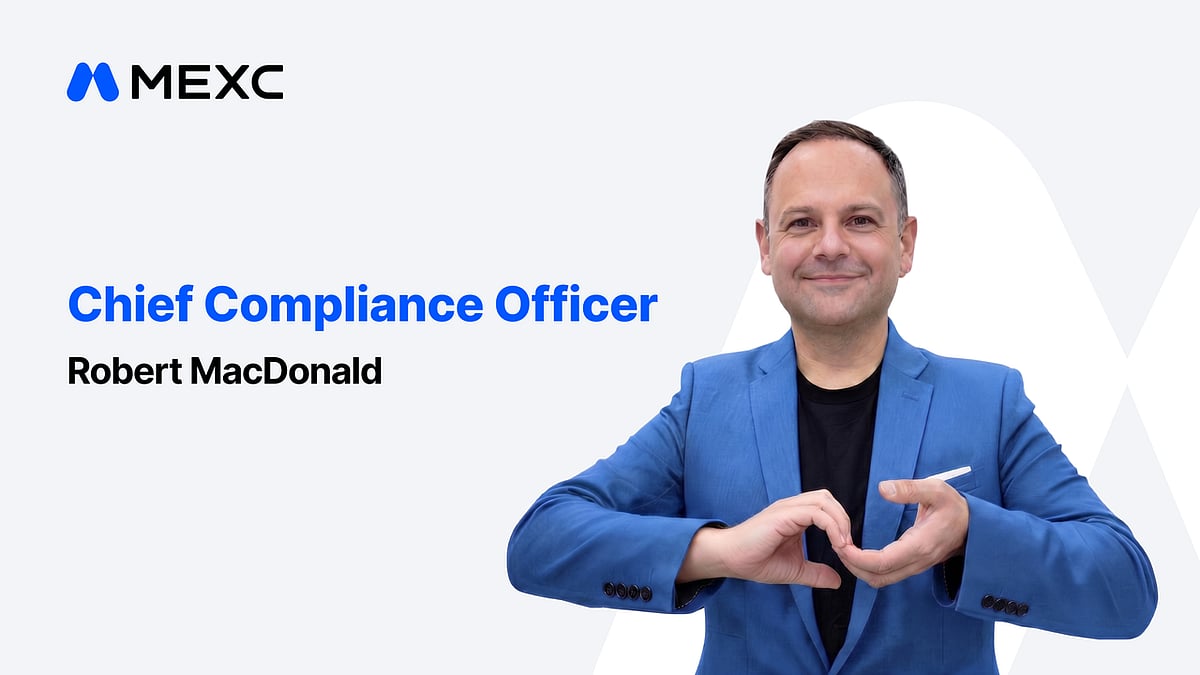
    MEXC, a leading zero-fee digital asset trading platform, has appointed Robert MacDonald as its new Chief Compliance Officer. MacDonald brings more than two decades of experience in regulatory transformation spanning traditional finance and digital assets. He will oversee MEXC’s global compliance strategy, governance framework, and regulatory engagement.

    MacDonald joins MEXC from Bybit, where he served as Chief Legal & Compliance Officer, directing global licensing and corporate legal operations while implementing international AML and KYC frameworks. His prior roles include senior positions at Standard Chartered and Binance, focusing on regulatory strategy and compliance transformation. In 2025, Asian Legal Business recognized him among the Top 15 Chief Compliance Officers for navigating regulatory complexity in digital assets.

    MEXC has recently expanded beyond crypto to offer retail users access to equities-related products, IPO access, and other asset classes. MacDonald’s mandate centers on three pillars: cross-jurisdictional governance, data-driven risk management, and strategic regulatory engagement.

    “Trust won’t be a competitive advantage but the price of entry,” MacDonald said. “Compliance is the gateway to trust and sustainable growth. The platforms that endure protect their users.”

    CEO Vugar Usi added, “Innovation and compliance can no longer be treated as separate priorities. Robert’s experience will strengthen the governance foundation needed to scale responsibly.”

    MEXC, trusted by over 40 million users across 170+ markets, continues investing in compliance infrastructure to support its multi-asset expansion.

  • Best Crypto Exchanges of July 2026: Binance, Coinbase, Kraken Lead Rankings

    Best Crypto Exchanges of July 2026: Binance, Coinbase, Kraken Lead Rankings

    Cryptocurrency exchanges are the backbone of the digital asset market, enabling users to buy, sell, and store coins like Bitcoin and Ethereum. As of July 2026, the top platforms are evaluated on security, liquidity, trust, transparency, and trading volume. Here are the leading exchanges ranked for the month.

    Key Takeaways

    • Binance dominates with the highest market share, liquidity, and trading volume worldwide.
    • Coinbase and Kraken stand out for regulatory compliance, security, and investor trust.
    • Features, fees, security, and supported assets remain the biggest factors when choosing an exchange.

    Top Cryptocurrency Exchanges of July 2026

    1. Binance

    Binance retains its position as the world’s largest cryptocurrency exchange, commanding the majority market share and futures trading volumes. It supports hundreds of cryptocurrencies and offers staking, savings, launchpads, and a Web3 wallet. Its deep liquidity minimizes price impact on large trades, and low fees attract both retail and institutional investors. Despite regulatory hurdles in some countries, Binance remains dominant globally.

    2. Coinbase

    Coinbase ranks second, known for strict regulatory compliance, high security, and transparent practices. It offers an intuitive interface for beginners and advanced tools via Coinbase Advanced. Institutional investors trust its custody services and secure infrastructure, making it one of the most respected names in crypto.

    3. Kraken

    Kraken takes third place, praised for excellent security and transparent operations. Proof of reserves, strong customer protection, and reliable services have built long-term trust. It’s a top choice for security-conscious traders.

    4. Bybit

    Bybit secures fourth place, excelling in futures and derivatives trading. Fast order execution, copy trading, and professional tools attract experienced traders. Continued growth has made it a close competitor to the biggest exchanges.

    5. OKX

    OKX claims fifth, offering decentralized finance services, NFTs, a Web3 wallet, and blockchain apps. Its broad ecosystem and advanced financial products like futures and options keep it competitive.

    6. MEXC

    MEXC ranks sixth, often listing newly launched digital assets before larger exchanges. Competitive fees and broad market access attract active traders seeking new opportunities.

    7. Gate

    Gate takes seventh, supporting thousands of cryptocurrencies and early-stage blockchain projects. Its wide selection appeals to investors looking beyond major coins.

    8. Crypto.com Exchange

    Crypto.com Exchange ranks eighth, with a complete ecosystem including trading, staking, payment cards, and a mobile app, fostering a loyal global customer base.

    9. HTX

    HTX remains strong in Asian markets, ranking ninth with high trading activity and a broad selection of cryptocurrencies and futures products.

    10. KuCoin

    KuCoin rounds out the top ten, known for its large collection of digital assets and quick access to new projects, attracting traders seeking early opportunities.

    Market Share: Binance’s Strong Lead

    Binance dominates with an estimated 39.2% market share. Bybit follows at 9%, MEXC at 8%, Crypto.com at 7%, and Coinbase and OKX each hold about 6%. The rest is split among smaller exchanges.

    Trust Scores Highlight Reliable Platforms

    Coinbase, Binance, and Kraken receive the highest trust scores from CoinGecko, based on liquidity, cybersecurity, trading activity, transparency, API quality, and proof of reserves. High trust scores indicate strong security and customer confidence.

    Final Thoughts

    Leading exchanges have consolidated their positions in July 2026. Binance remains top due to liquidity and volume. Coinbase and Kraken excel in security and regulation. Bybit and OKX leverage trading tools and blockchain capabilities. MEXC, Gate, Crypto.com, HTX, and KuCoin maintain strength with diverse assets. Security, liquidity, trust, transparency, and market forces continue to define success in the crypto exchange industry.

    FAQs

    1. Which is the largest cryptocurrency exchange in July 2026?
    Binance remains the world’s largest by trading volume and market share.

    2. Which exchange is considered the most beginner-friendly?
    Coinbase is widely regarded as one of the easiest and safest platforms for beginners.

    3. Which exchanges offer the best security?
    Coinbase, Binance, and Kraken consistently receive high trust scores for security and transparency.

    4. Which exchange lists the most new cryptocurrencies?
    MEXC and Gate are known for listing a wide variety of new and emerging crypto projects.

    5. What should users consider before choosing an exchange?
    Compare security, liquidity, fees, supported assets, regulatory compliance, and available trading features.

  • Today’s Tech Roundup: Tata’s Semiconductor Strategy, NVIDIA Robotics, Bybit in Indonesia, and Cognizant Hiring

    Today’s Tech Roundup: Tata’s Semiconductor Strategy, NVIDIA Robotics, Bybit in Indonesia, and Cognizant Hiring

    Welcome to today’s tech roundup! From chips and AI to crypto, climate tech, and hiring, here’s a quick look at the stories shaping the technology world today.

    Tata Group Resorts to Older Tech to Launch Its Chip Foray

    Tata Group’s entry into the field of semiconductors takes an efficient course whereby the company begins its venture from older and tested technologies of chips rather than advanced technology. This ensures cost efficiency, quicker production, and helps meet demands in fields such as the automotive industry, power, and industrial electronics.

    Climate Tech Venture Funding Surges Driven by AI Infrastructure Demand

    There has been renewed interest in climate technology, driven by the accelerated development of AI infrastructure. With the increased usage of energy by data centers, venture capital firms are funding startups that specialize in renewable energy, batteries, smart power grids, and energy efficiency.

    Bybit Launches in Indonesia After NOBI Acquisition

    Bybit crypto exchange has now officially made its entry into Indonesia after taking over local exchange platform NOBI. This marks the extension of their operations in Southeast Asia and gives the firm the ability to provide regulated crypto trading services to customers.

    NVIDIA Partners with Japanese Robotics Firms to Accelerate AI Development

    With the collaboration between NVIDIA and Japanese robotics firms, there is an effort to make progress in developing AI automation. By using its computing technology together with Japan’s robotics expertise, it hopes to produce industrial robots that are better than current ones.

    Cognizant to Hire 1,500 US Graduates by End of 2026

    As part of efforts to build its artificial intelligence team, Cognizant is set to recruit 1,500 graduates in the US by 2026. These new employees will be trained in areas such as artificial intelligence, digital engineering, and other new technologies.