
Tag: BYD

  • Trump-Xi Summit to Focus on AI Safety, Tariffs, and Rare Earths with Top Tech Leaders in Attendance

    Trump-Xi Summit to Focus on AI Safety, Tariffs, and Rare Earths with Top Tech Leaders in Attendance

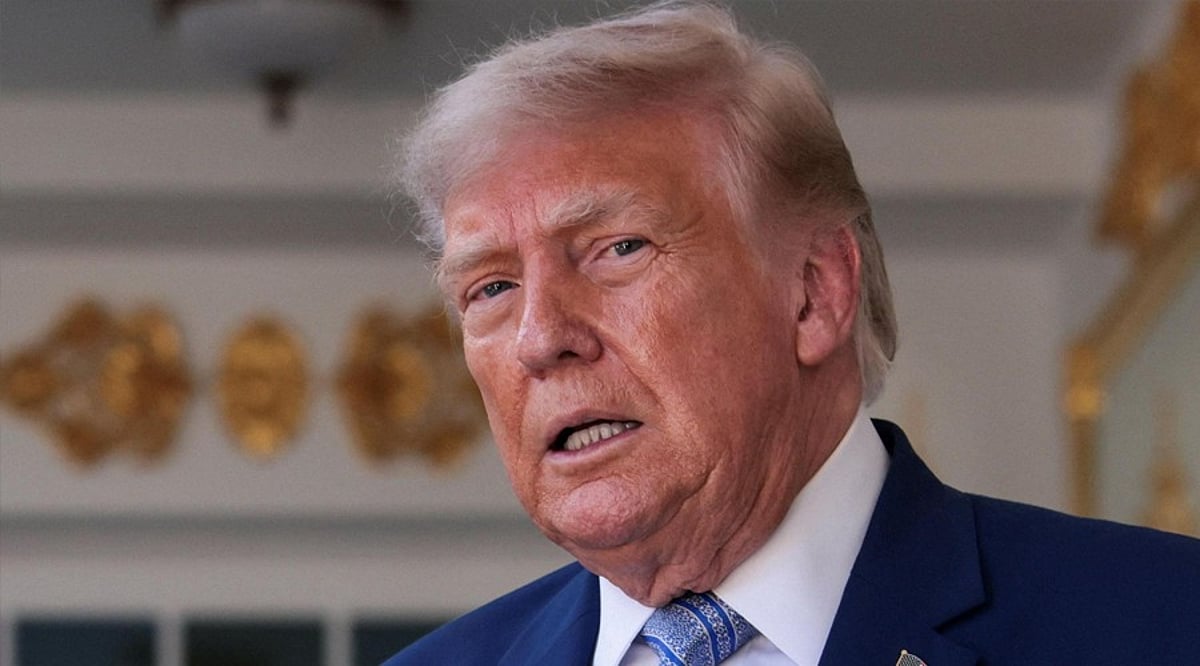
    President Donald Trump will host Chinese President Xi Jinping at the White House on September 24 for a summit centered on technology, trade, and supply chains. The meeting is expected to draw top executives from major U.S. and Chinese technology companies, although the final guest list has not been confirmed.

    U.S. Tech Leaders Receive State Dinner Invitations

    Several leading U.S. technology executives have reportedly received invitations to the White House state dinner. The list includes Nvidia CEO Jensen Huang, Alphabet CEO Sundar Pichai, OpenAI CEO Sam Altman, and Amazon founder Jeff Bezos. Elon Musk, Michael Dell, and JPMorgan CEO Jamie Dimon are also among the reported invitees.

    Their expected attendance places artificial intelligence near the center of the Trump-Xi summit. However, no formal agreement between the companies or governments has been announced. The White House has also rejected a proposed roundtable between U.S. and Chinese chief executives, according to Reuters.

    China Considers BYD, CATL, and Xiaomi Executives

    China is arranging its own business delegation, but officials were still working on the final list. BYD Chairman Wang Chuanfu, CATL Chairman Robin Zeng, and Xiaomi Chairman Lei Jun may join Xi’s visit. Executives from Wanxiang Group, Hisense, and Bank of China are also under consideration.

    The proposed delegation covers electric vehicles, batteries, financial services, and data-center technology. Several companies face close regulatory attention in the United States. As a result, their attendance would create opportunities for direct contact but would not remove existing trade restrictions or security reviews.

    AI Safety Talks May Produce Broad Commitments

    U.S. and Chinese officials are expected to discuss artificial intelligence safety during the summit. Washington has accused some Chinese companies of copying restricted American technology. Beijing rejects that claim and argues that “open-source development is a global trend.”

    Still, both governments have reasons to discuss safeguards. U.S. officials have raised national security concerns linked to powerful AI systems, while Beijing closely monitors risks to political and social control. Any joint statement will likely use broad language because the two sides disagree over export controls, access to advanced chips, and technology development.

    Tariffs and Rare Earths Remain Core Issues

    Trade talks may focus on extending the current tariff truce. Washington reportedly prefers extensions lasting between six months and one year. Beijing is said to favor a longer arrangement covering the rest of Trump’s term. Neither government has publicly confirmed the final period.

    The United States also wants steadier access to Chinese rare earth materials and stronger purchases of American agricultural products, including soybeans. China may seek lower tariffs on selected goods. However, the White House is unlikely to ease controls covering sensitive technology, advanced semiconductors, or products tied to national security.

    Before the summit, Treasury Secretary Scott Bessent and U.S. Trade Representative Jamieson Greer are due to meet Chinese Vice Premier He Lifeng at JPMorgan’s headquarters in New York. Their discussions will cover trade, artificial intelligence security, and other economic matters.

    Trump and Xi may also discuss Taiwan, Iran, and North Korea. China could again request a clear U.S. statement against Taiwanese independence. Meanwhile, Washington may ask Beijing to support talks involving Iran and North Korea. No agreement on those issues has been announced.
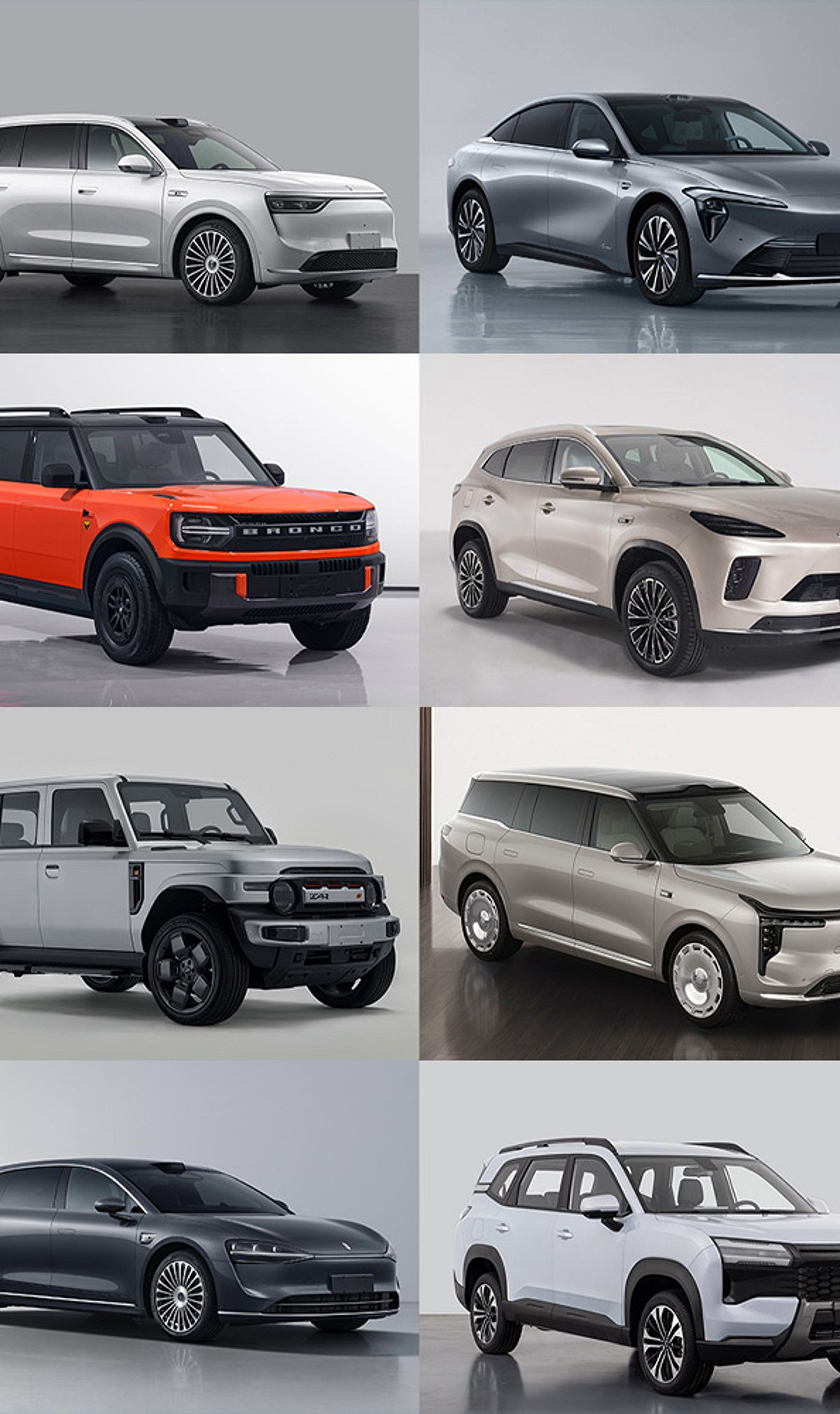
  • Top 9 Automakers Dominating Global Vehicle Sales in 2026

    Top 9 Automakers Dominating Global Vehicle Sales in 2026

    The global automotive landscape is shifting rapidly, with established giants and emerging EV leaders vying for dominance. Based on current sales trajectories and market trends, these nine car brands are expected to lead worldwide vehicle sales in 2026.

    Toyota – Continues to dominate global vehicle sales with its dependable models, hybrid leadership, and an unmatched worldwide manufacturing network.

    Volkswagen – Maintains strong demand across markets thanks to a broad portfolio of passenger cars, SUVs, and a growing lineup of electric vehicles.

    BYD – Has emerged as one of the fastest-growing automakers by offering affordable EVs, leveraging battery innovation, and rapidly expanding internationally.

    Honda – Attracts millions of buyers with reliable cars, efficient engines, and strong hybrid offerings across major global markets.

    Hyundai – Expands market share through stylish SUVs, advanced technology, and competitive EV options tailored for modern consumers.

    Ford – Remains a global leader thanks to its bestselling pickup trucks, commercial vehicles, and continued investments in electric vehicles.

    Tesla – Sustains strong global EV demand with software-driven innovation, long-range batteries, and advanced autonomous driving technologies.

    Nissan – Retains customer confidence through practical vehicles, affordable pricing, and an expanding lineup of electrified models.

    Chevrolet – Continues delivering strong sales with versatile SUVs, pickup trucks, and growing electric vehicle options worldwide.

  • Top Electric Vehicle Makers to Track in 2026

    Top Electric Vehicle Makers to Track in 2026

    The electric vehicle (EV) landscape is evolving rapidly, with several manufacturers poised to make significant strides by 2026. From established giants to ambitious newcomers, these companies are driving innovation in battery technology, autonomous driving, and global market expansion. Here are the key EV manufacturers to watch.

    • Tesla – Continues advancing autonomous driving, battery innovation, and global manufacturing while expanding affordable electric vehicle options across major international markets.
    • BYD – Dominates electric vehicle production through vertically integrated manufacturing, advanced battery technology, and rapidly growing exports across Europe and emerging regions.
    • Rivian – Focuses on premium electric trucks and SUVs while expanding commercial delivery partnerships and improving manufacturing efficiency for sustainable long-term growth.
    • Hyundai – Strengthens its EV lineup with dedicated electric platforms, competitive pricing, longer driving ranges, and advanced connectivity features for global customers.
    • Kia – Expands affordable electric mobility through stylish models featuring fast charging, practical interiors, improved software integration, and strong worldwide consumer demand.
    • BMW – Combines luxury engineering with electrification by introducing premium electric sedans, SUVs, and high-performance models featuring innovative digital technologies consistently.
    • Mercedes-Benz – Accelerates premium electric mobility through advanced battery platforms, intelligent software ecosystems, and luxury-focused design for discerning global buyers everywhere.
    • Lucid Motors – Impresses with long-range luxury electric sedans featuring high efficiency, premium interiors, and innovative engineering targeting premium automotive markets worldwide.
    • VinFast – Expands internationally with competitively priced electric vehicles, aggressive manufacturing investments, and customer-focused strategies supporting rapid global brand recognition successfully.

    These manufacturers represent the forefront of EV innovation and are set to shape the industry in 2026 and beyond.