
Beijing Reviews Frontier AI as Strategic Technology
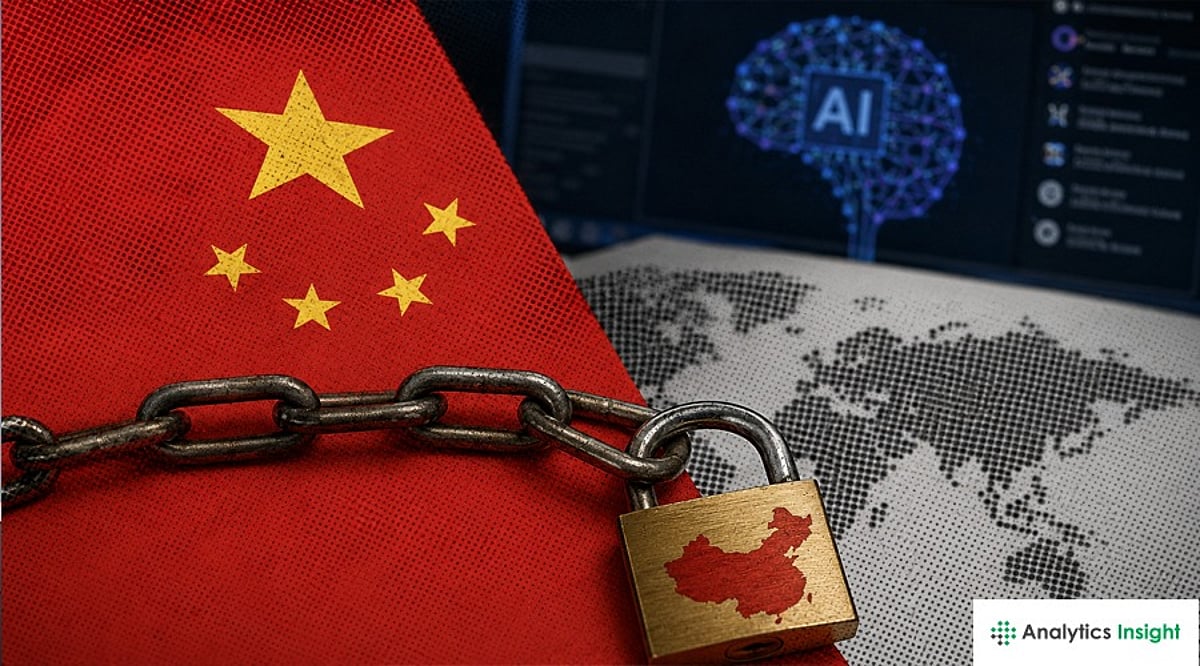
China is evaluating potential new controls that would restrict overseas access to its most advanced artificial intelligence models, according to sources familiar with recent government-led discussions. The talks signal that Beijing now views frontier AI systems as strategic assets rather than mere commercial software, raising the stakes for global developers and businesses that rely on Chinese AI technology.
Over the past month, officials from China’s Ministry of Commerce and the state planning agency met with major technology firms including Alibaba, ByteDance, and Z.ai to discuss possible limits on the use of top AI models outside the country. The proposals cover both closed-source systems and open-weight models, which allow users to download and modify parts of the technology. Sources told Reuters that the plans remain under review and that no final decision has been made.
National Security Concerns Drive the Initiative
The Ministry of Commerce led the meetings, with one proposal suggesting that leaks or theft of proprietary AI technology could be treated as an offense under China’s national security law. Officials also discussed tightening controls on who can fund domestic AI startups, adding another layer of oversight around sensitive technology and data.
Chinese authorities are reportedly worried about advanced US AI systems, such as Anthropic’s Mythos model, and their potential use in finding software vulnerabilities. This mirrors US concerns that foreign actors could misuse frontier AI tools for military or intelligence purposes. The talks reflect a growing mutual anxiety between the two countries over AI security.
Scope of Restrictions Remains Unclear
Alibaba’s Qwen, ByteDance’s Doubao, and Z.ai’s GLM-5.2 are among the Chinese models that have gained global attention for their lower costs and strong performance. However, officials indicated that any new rules may apply only to future models, leaving existing systems unaffected. The scope and timeline remain uncertain, creating ambiguity for companies that integrate Chinese AI tools into software, research, automation, and customer service.
Legal experts in China have already discussed a tiered approach for open-source AI. Under one proposal, basic tools would require simple filing, more powerful systems would face security reviews, and the most sensitive frontier models could be limited to domestic use only.
Global Developers Face Potential Disruption
Chinese AI models, particularly DeepSeek’s R1, have become a low-cost alternative for developers worldwide. If Beijing proceeds with restrictions, foreign companies may lose access to affordable AI options, potentially shifting to US or European alternatives or seeking domestic solutions. Costs could rise for businesses that have come to rely on Chinese AI systems.
For now, formal rules have not been announced. Sources said it is not clear when, or even whether, the curbs will take effect. The global AI community continues to watch closely as China’s advanced models become central to national technology policy.