
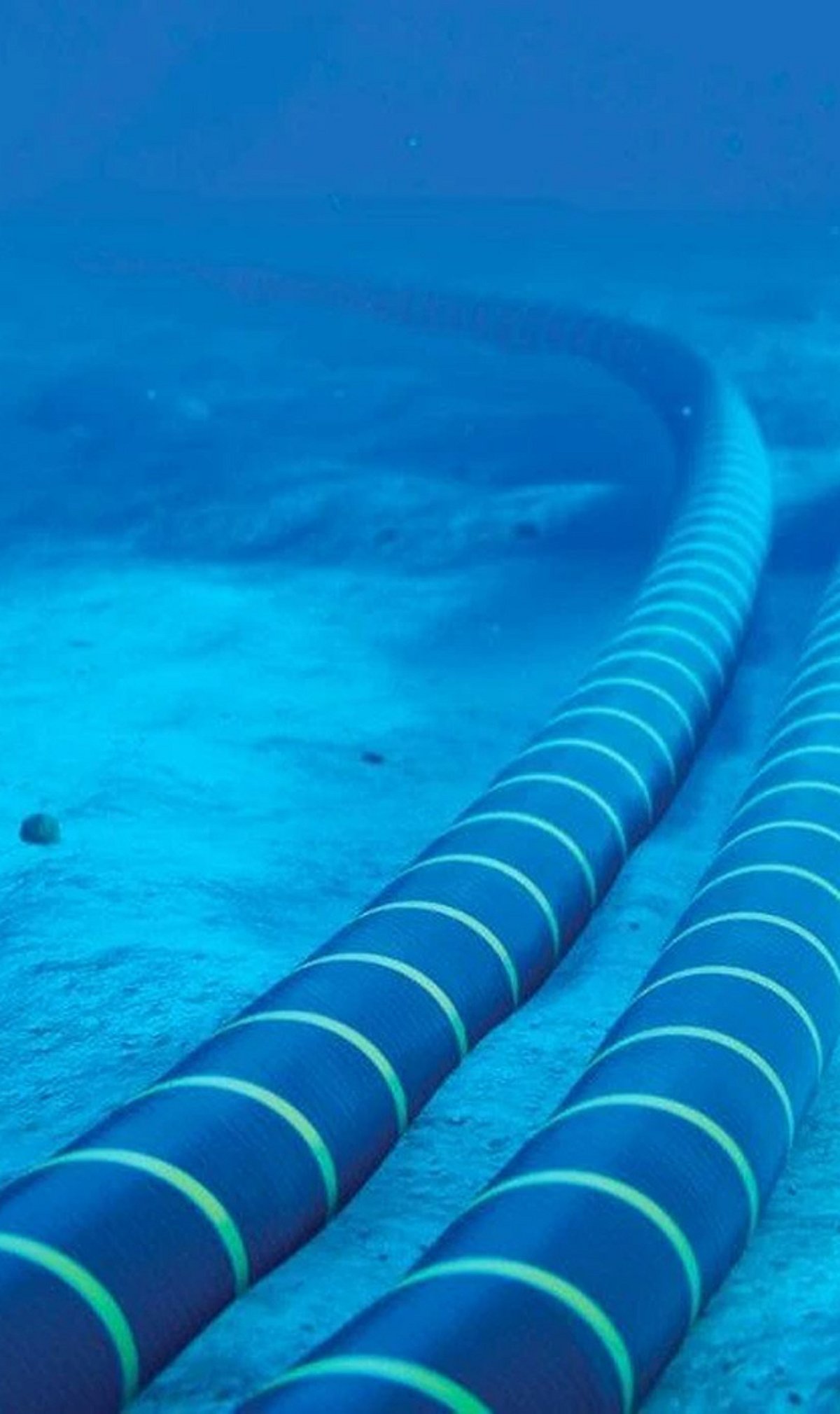
India’s rapid digital expansion relies heavily on a network of submarine cables that carry the vast majority of its international internet traffic. However, this critical infrastructure faces several vulnerabilities that could threaten the country’s connectivity ambitions.
Undersea Cables: The Backbone of Global Internet
Almost all intercontinental digital communication depends on submarine cables. For India, these cables link the country with Europe, Africa, West Asia, and Asia, enabling seamless international data flow.
Concentration Near Mumbai Creates a Bottleneck
At least 13 of India’s 18 intercontinental submarine cables land within roughly six kilometers of Mumbai’s Versova coast. This single landing zone handles a major share of the nation’s international bandwidth, making it a critical point of failure.
Soaring Data Consumption
India’s broadband subscriber base surpassed 1.06 billion in March 2026. Wireless data usage jumped from 73,324 PB to 77,953 PB in just one quarter, underscoring the relentless growth in demand.
Aging Infrastructure
About 11 of India’s 18 international cable systems are over 20 years old, approaching the end of their typical design life. This aging infrastructure adds strain as AI, cloud computing, and video traffic continue to surge.
No Domestic Cable Repair Capability
India currently lacks an Indian-flagged, Indian-owned, or India-stationed submarine cable repair vessel. Repairs depend on foreign operators and ships, leading to potential delays when faults occur.
Risks of Cable Cuts
A single cable fault does not immediately disrupt India’s internet—traffic can reroute through other paths. However, multiple cuts, congested alternatives, or slow repairs can degrade international connections, causing higher latency and slower speeds.
Geopolitical Risks in the Red Sea
Several key international routes traverse the Red Sea and Strait of Hormuz. Damage in these regions forces traffic onto longer or more congested routes, adding pressure to global connectivity.
New Projects Offer Hope
Emerging cable projects aim to reduce dependence on Mumbai. The I-2SEA system will connect India with Malaysia and Singapore, with planned landings at Machilipatnam and South Chennai, targeting operational status by 2029.
Need for Enhanced Repair Capacity
The Telecom Regulatory Authority of India (TRAI) has recommended exploring Indian-flagged repair vessels and establishing cable depots on both the eastern and western coasts. Increasing landing sites, deploying newer cables, and speeding up repair systems are essential for building resilience.
Read more stories and join our WhatsApp Channel for the latest news, exclusives, and videos.