Introduction
Nikon has made full-frame photography more accessible with the launch of the Z5IIC, a mirrorless camera that cuts costs by removing the electronic viewfinder and one SD card slot. Priced at $1,399.95 for the body, it retains the same 24.5-megapixel BSI CMOS sensor and EXPEED 7 processor found in the Z5II, ensuring image quality remains uncompromised. The camera is set to hit stores by mid-October 2026, targeting beginners and content creators who want serious photo and video capabilities without a steep learning curve.
What Makes the Nikon Z5IIC Different
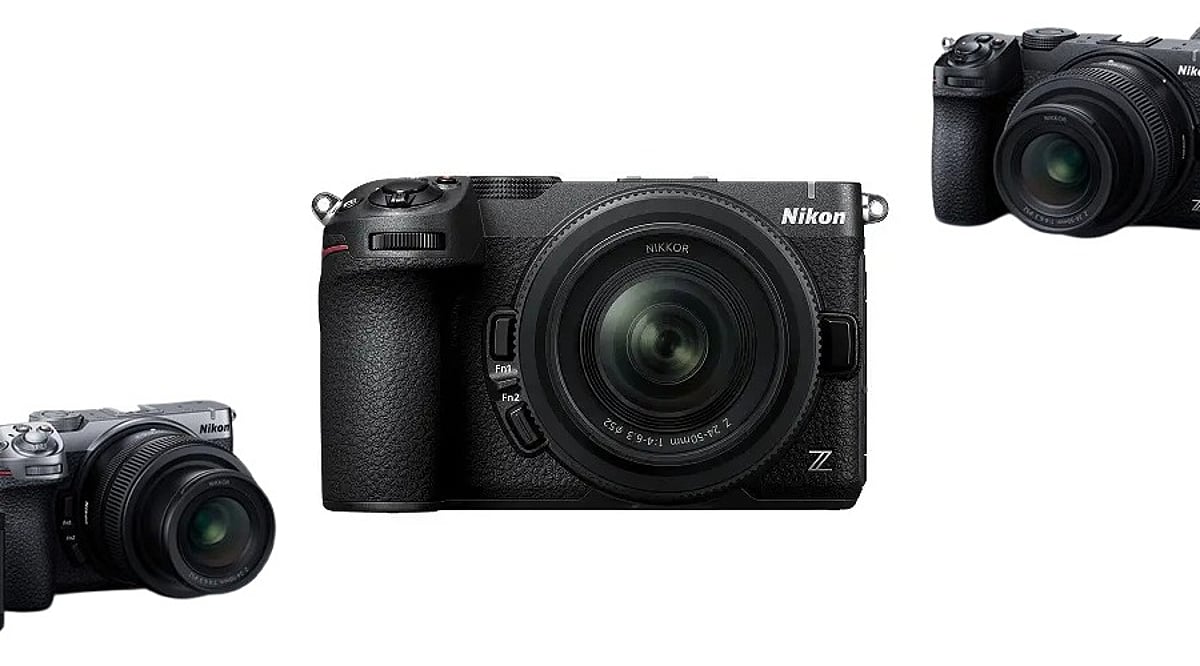
The most notable change is the absence of an electronic viewfinder, a first for Nikon’s full-frame lineup. The camera also features a single SD card slot instead of two. These omissions result in a flatter, lighter body that is easier to carry, and they allow Nikon to offer the camera at a lower price than the Z5II. However, all the components that matter for image quality—the sensor, processor, and stabilization—remain identical to the Z5II.
Sensor, Autofocus & Image Stabilization
The Z5IIC uses a proven 24.5-megapixel full-frame BSI CMOS sensor with in-body image stabilization rated up to 7.5 stops (CIPA 2024). Autofocus is equally robust, with AI-based subject detection that can track people, pets, vehicles, and even fish. A new “aquatic life” mode is included specifically for aquarium shooting, giving the Z5IIC a slight edge over the Z5II in this niche scenario.
Video Capabilities
For video, the Z5IIC records 4K at up to 60 fps (with an APS-C crop) and Full HD at up to 120 fps for slow motion. It supports 12-bit N-RAW recording, H.265 10-bit color, and N-Log profiles for flexible color grading. A dedicated Product Review Mode shifts focus quickly to handheld objects, ideal for unboxing or review content. The camera can also serve as a plug-and-play webcam via USB.
Design, Build Quality & Handling
Despite the cost-saving measures, the Z5IIC features a magnesium alloy build with dust and moisture sealing. It comes in silver and black finishes. The mode dial introduces scene modes for the first time on a Nikon full-frame camera, allowing beginners to select a scene type and let the camera adjust settings automatically. AI-based subject detection in Auto mode further simplifies exposure control.
Why the Nikon Z5IIC Matters
This camera lowers the barrier to full-frame photography at a time when many users are upgrading from smartphones. Fumiko Kawabata, Nikon’s senior vice president of marketing and planning, emphasized that the Z5IIC is about expanding access to full-frame imaging for a new generation of creators. The camera’s design prioritizes ease of use without sacrificing image quality, making it a practical choice for those seeking their first serious camera.
Final Thoughts
The Nikon Z5IIC proves that full-frame photography doesn’t require a viewfinder or a premium price. By retaining the core components of the Z5II while trimming extras, Nikon offers a camera at $1,399.95 that delivers excellent image quality, reliable autofocus, and capable video features in a user-friendly package. It’s an ideal entry point for beginners and content creators alike.
Frequently Asked Questions
What is the price of the Nikon Z5IIC?
The Nikon Z5IIC is priced at $1,399.95 for the body only. A kit with the NIKKOR Z 24-50mm f/4-6.3 lens is available for $1,699.95, with other lens bundles offered by select retailers.
Does the Nikon Z5IIC have a viewfinder?
No, the Z5IIC does not include an electronic viewfinder. Composition is done entirely via the rear LCD screen, making it Nikon’s first full-frame mirrorless camera without an EVF.
What sensor does the Nikon Z5IIC use?
It uses the same 24.5-megapixel full-frame BSI CMOS sensor and EXPEED 7 processor as the Nikon Z5II, ensuring consistent image quality.
Can the Nikon Z5IIC shoot 4K video?
Yes, it records 4K video at up to 60 frames per second (with an APS-C crop) and Full HD at up to 120 fps for slow-motion footage.
Who is the Nikon Z5IIC designed for?
The Z5IIC is designed for beginners and content creators who want full-frame image quality without complexity. Its scene modes, AI subject detection, and lighter body make it approachable for those upgrading from smartphone photography.