
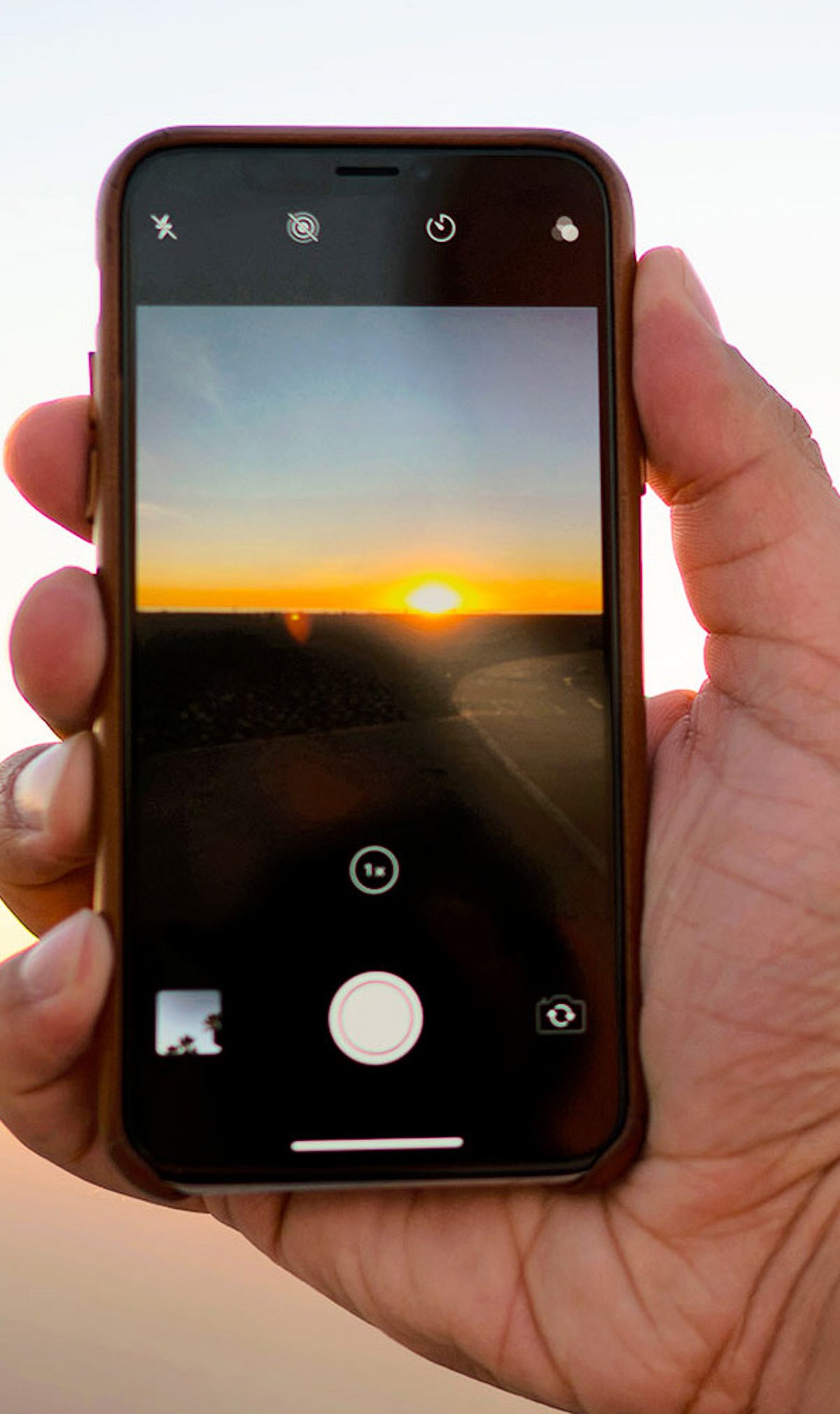
Capture the Next Solar Eclipse Like a Pro
Solar eclipses are rare, breathtaking events that demand preparation—especially if you want to document them with just your smartphone. While phone cameras aren’t built for astrophotography, a few smart techniques can help you capture stunning shots without damaging your device. Here are nine essential tips to get you ready.
1. Use a Certified Solar Filter
Never point your phone directly at the sun without a certified solar filter. These filters protect your camera sensor from intense light and heat, preventing permanent damage. Attach one that fits your lens securely before you start shooting.
2. Stabilize Your Phone
Use a tripod or rest your phone on a stable surface to eliminate camera shake. This is especially important when using longer exposures, which help capture the eclipse’s subtle details. Even a small tremor can blur the shot.
3. Clean the Camera Lens
Dust, fingerprints, and smudges can ruin an otherwise perfect photo. Wipe your lens with a microfiber cloth before the eclipse begins to ensure maximum clarity and sharpness.
4. Turn Off Flash
Flash is useless during an eclipse—it won’t illuminate the sun and can interfere with your camera’s exposure settings. Disable it completely to avoid unexpected lighting issues.
5. Use Manual Controls
Most smartphone camera apps allow manual adjustments. Set focus to infinity, lower ISO to reduce noise, and experiment with exposure to adapt to the changing light as the moon crosses the sun. This gives you far more control than auto mode.
6. Shoot in High Resolution
Capture images at the highest resolution your phone supports. This preserves fine details and gives you more flexibility to crop and edit later without losing quality.
7. Avoid Digital Zoom
Digital zoom simply enlarges pixels, resulting in blurry, low-quality images. Instead, move closer only if it’s safe (e.g., during totality with proper eye protection) or crop the photo in post-processing.
8. Capture the Surroundings
Don’t focus only on the sun. Photograph the changing sky, landscape silhouettes, and the reactions of people around you. These contextual shots tell a richer story of the eclipse experience.
9. Practice Before Eclipse Day
Test your camera settings, tripod setup, and solar filter in advance. Practice focusing and adjusting exposure on a bright day so you’re ready to act quickly when the eclipse begins. Timing is everything.
With these tips, you’ll be well-prepared to document the next solar eclipse safely and beautifully. Happy shooting!