Tag: camera

  • Tecno Camon 50 Ultra Review: A Camera-Focused Mid-Range Smartphone with Impressive Battery Life

    Tecno Camon 50 Ultra Review: A Camera-Focused Mid-Range Smartphone with Impressive Battery Life

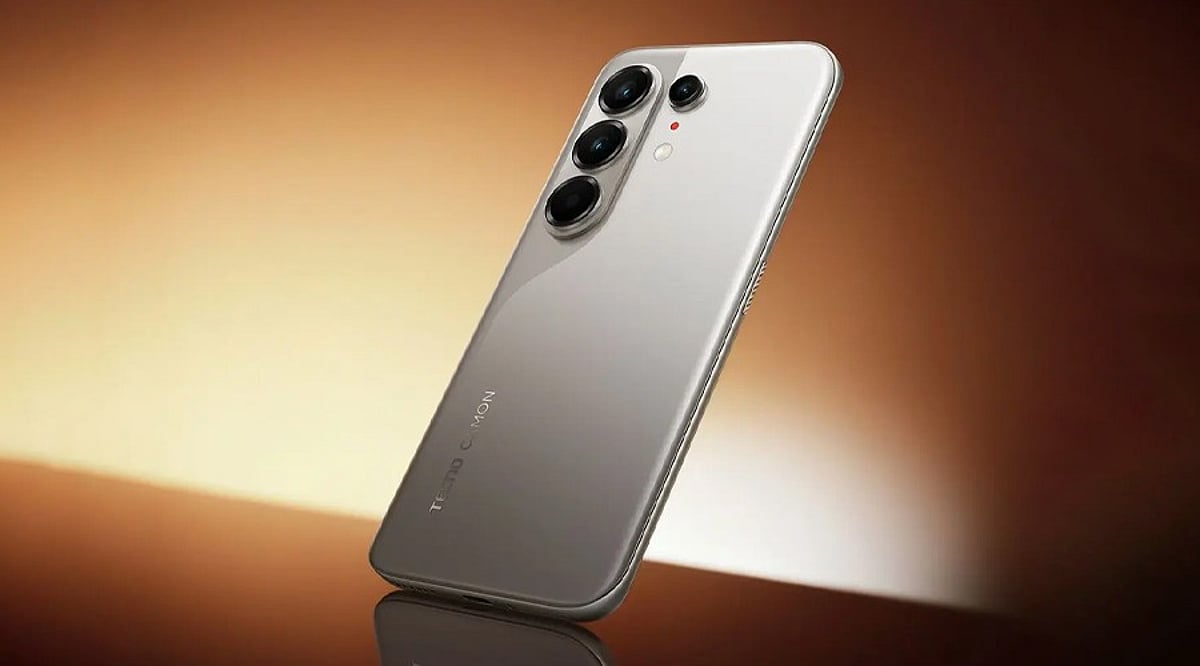
    The Tecno Camon 50 Ultra is a smartphone that positions itself as a high-end-looking mid-range device, prioritizing camera quality, design, and battery life over raw processing power. It combines a curved AMOLED display, a versatile multi-camera system with a dedicated telephoto lens, and a substantial 6,500mAh battery. Here is a detailed breakdown of what this phone offers.

    General Specifications

    The Tecno Camon 50 Ultra comes equipped with a 6.8-inch curved AMOLED screen offering a high refresh rate and vivid colors, ideal for media consumption. The device is powered by a mid-range processor that handles everyday tasks smoothly but is not designed for intensive gaming. Its triple rear camera setup includes a primary sensor, an ultra-wide lens, and a telephoto module for optical zoom capabilities. The front camera is also capable of high-resolution selfies. With 8GB of RAM and 256GB of internal storage, the phone provides ample space and multitasking capability. The 6,500mAh battery supports extended usage and fast charging.

    Pros and Cons

    Here are the key advantages and disadvantages of the Tecno Camon 50 Ultra:

    Pros

    • Premium curved AMOLED display with vibrant colors and good brightness
    • Versatile triple camera setup with a dedicated telephoto lens
    • Long-lasting 6,500mAh battery
    • Elegant design that resembles higher-end smartphones
    • Good value for money for everyday users

    Cons

    • Processor not suited for heavy gaming
    • 144Hz refresh rate is implemented poorly, causing occasional inconsistencies
    • No wireless charging support
    • Software experience may vary depending on region

    Final Verdict

    The Tecno Camon 50 Ultra delivers a balanced user experience by focusing on the aspects that matter most to photography enthusiasts and daily users. Its high-end appearance, bright curved AMOLED screen, good triple camera system with a separate telephoto lens, and impressive battery life fulfill the core expectations of its target audience. However, the processor is not built for gaming, and the 144Hz refresh rate implementation leaves room for improvement. Nevertheless, for its price point, the phone is a solid choice for everyday use and entertainment, making it a worthy contender in the mid-range segment.

  • Apple iPhone 18 Pro Camera: Manual Controls for Aperture, Shutter Speed, and Zoom

    Apple iPhone 18 Pro Camera: Manual Controls for Aperture, Shutter Speed, and Zoom

    Introduction

    Apple’s iPhone 18 Pro puts the power of professional photography in your hands. Instead of relying solely on auto mode, you can now manually adjust aperture, shutter speed, and zoom to capture exactly the shot you envision.

    Aperture Control for Perfect Lighting

    Aperture determines how much light enters the camera. In low-light situations, a wider aperture brightens the image, while a narrower aperture keeps more of the scene in focus—ideal for group shots or expansive landscapes.

    Shutter Speed for Creative Motion Effects

    Slowing down the shutter speed allows you to capture motion creatively. Car light trails, silky waterfalls, or blurred movement become possible. For best results, use a tripod or rest the phone on a stable surface.

    4x Telephoto Zoom for Closer Shots

    The telephoto lens offers up to 4x optical zoom, letting you get closer to your subject without moving. This is particularly useful for portraits or distant scenes where you want to maintain a natural perspective.

    Night Photography and Starburst Effects

    At night, bright lights like streetlamps can be transformed into sharp, spiky bursts. With the right settings, your night photos gain a dramatic flair that elevates them above typical smartphone snaps.

    Additional Professional Features

    The iPhone 18 Pro also includes optical image stabilization, ProRAW support, and up to 16x optical zoom. These features give you the flexibility to shoot in challenging conditions without sacrificing image quality.

    Conclusion: A Creative Tool, Not Just a Camera

    The iPhone 18 Pro moves beyond simple point-and-shoot functionality. It offers real creative control, allowing you to decide how light, motion, and distance shape your photos. Whether you’re a casual shooter or an enthusiast, these tools help you achieve the image you have in mind.

  • Motorola Signature 27 Announced: Snapdragon 8 Elite, Google Gemini AI, and 200MP Camera Lead Premium Flagship

    Motorola Signature 27 Announced: Snapdragon 8 Elite, Google Gemini AI, and 200MP Camera Lead Premium Flagship

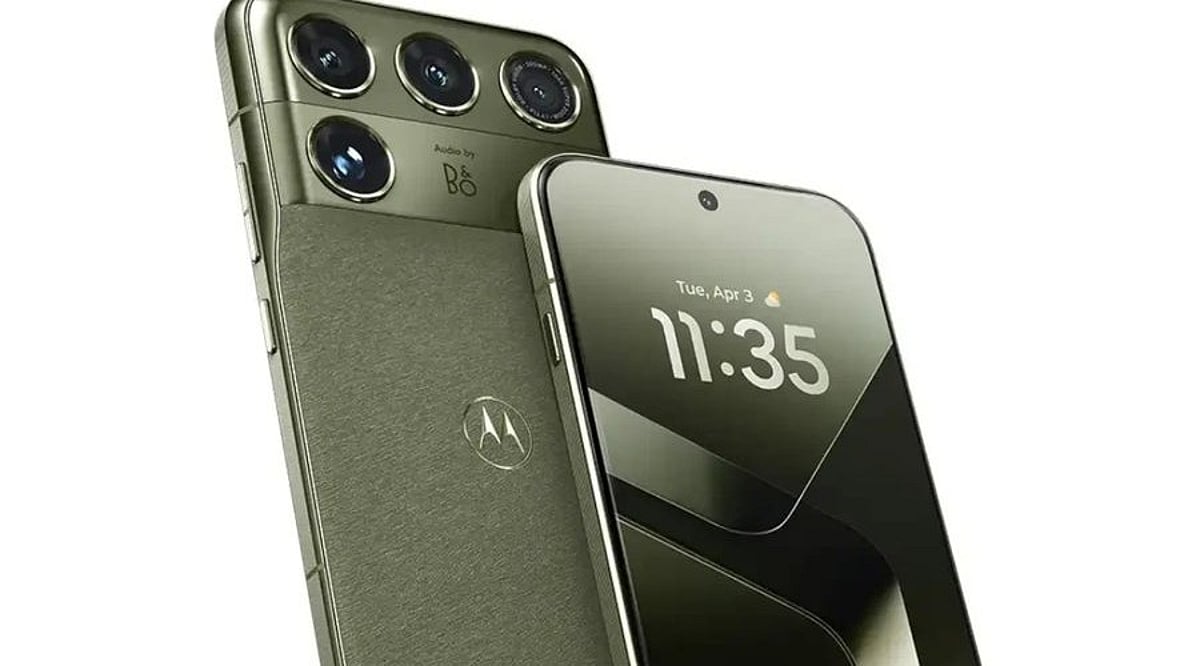
    Motorola has officially unveiled the Motorola Signature 27, the second-generation model in its premium Signature family, at the Snapdragon Summit 2026. The device is one of the first smartphones to feature Qualcomm’s new Snapdragon 8 Elite Extreme Gen 6 Mobile Platform, and it is designed to deliver flagship performance, on-device AI, advanced photography, sustained cooling, and a premium design. While several core specifications remain undisclosed, Motorola has confirmed key features that position the Signature 27 as a high-end contender in the smartphone market.

    Snapdragon 8 Elite Extreme Gen 6 Performance

    The Signature 27 is powered by Qualcomm’s Snapdragon 8 Elite Extreme Gen 6 Mobile Platform, which Motorola says enables stronger on-device AI, responsive gaming, enhanced camera processing, and faster downloads. The phone also uses six antennas working together to support connectivity and cloud-based AI applications. Motorola has not yet detailed the processor’s clock speeds, memory configuration, or benchmark performance.

    AI Features with Google Gemini

    The smartphone integrates Google Gemini for tasks that go beyond conventional question answering. Motorola says Gemini can help users plan activities, make bookings, and find event tickets. Gemini Omni can turn prompts, photos, or existing footage into videos, while Lyria can generate original music and custom soundtracks. These features require compatible services, languages, and an internet connection.

    50MP Sony LYTIA 910 Main Camera

    Motorola has confirmed a 50MP Sony LYTIA 910 main sensor for the Signature 27. The company highlights its ability to capture detailed images with strong colour reproduction and contrast. The camera system combines dedicated hardware with computational photography and intelligent processing. Motorola has not yet provided full sensor dimensions, aperture details, or a complete list of camera modes.

    200MP Periscope Telephoto Camera

    A 200MP periscope telephoto camera is another major component of the phone’s camera system. Motorola says it is designed for photographing distant subjects, architectural details, and landscapes. The camera also combines Qualcomm Technologies’ image stabilisation with 3.5-degree OIS hardware.

    AI-Powered Video Enhancement

    Motorola’s Video Enhancement Engine adds an AI layer to video recording. It analyses a scene before and during capture and adjusts colour tones in real time. Motorola says the system is designed to support low-light recording, sharper footage, and natural-looking colours. The company did not publish detailed technical information about the processing pipeline or supported recording resolutions.

    ArcticMesh Cooling System

    The Signature 27 introduces Motorola’s ArcticMesh cooling system, combining diamond-infused thermal gel, liquid metal, copper mesh, and a redesigned 3D vapour chamber. Motorola says the vapour chamber is 40 percent larger than the previous generation. The system is intended to manage heat during sustained gaming, AI workloads, and video use, helping maintain performance over longer sessions.

    Audio by Bang & Olufsen

    The Signature 27 will be Motorola’s first smartphone featuring Audio by B&O, following the company’s recently announced multi-year partnership with Bang & Olufsen. The collaboration brings B&O’s audio expertise and design approach into Motorola’s premium smartphone range. Motorola has not yet revealed detailed speaker specifications, supported audio formats, or other hardware information related to the partnership.

    Premium Design and Finishes

    The phone features an aluminium silhouette with contoured edges and a distinctive camera housing combining ceramic and brushed aluminium. Motorola has announced two finishes: PANTONE Coal Smoke with a Tactical Weave texture and PANTONE Capulet Olive with a brushed, textile-inspired finish. The company says the textures are intended to provide a distinctive tactile experience and improved grip.

    Seven Years of Software Updates

    Motorola is promising seven OS upgrades and up to seven years of security updates, starting from the global launch date. The company notes that support can vary by market, network provider, and model. The Signature 27 is expected to launch with Android 17, although Motorola has not yet disclosed the precise software rollout schedule.

    Availability and Specifications yet to be Confirmed

    Motorola did not announce the Signature 27’s price or exact sale date. Several important specifications also remain undisclosed, including display size and refresh rate, battery capacity, charging speeds, RAM, storage, and the complete camera configuration. Motorola says the phone is expected to reach markets worldwide in 2026 and will provide additional details closer to availability.

    Frequently Asked Questions

    What processor does the Motorola Signature 27 use?

    The Motorola Signature 27 uses Qualcomm’s Snapdragon 8 Elite Extreme Gen 6 Mobile Platform, supporting on-device AI, gaming, camera processing, and connectivity.

    What AI features are available on the Motorola Signature 27?

    The phone integrates Google Gemini, Gemini Omni, and Lyria, enabling assistance, video creation from prompts or footage, music generation, and personalised soundtracks.

    What cameras does the Motorola Signature 27 feature?

    Motorola has confirmed a 50MP Sony LYTIA 910 main sensor and 200MP periscope telephoto camera, alongside Qualcomm stabilisation and 3.5-degree OIS.

    How long will Motorola support the Signature 27?

    Motorola promises seven OS upgrades and up to seven years of security updates, beginning from the global launch date, subject to market variations.

    When will the Motorola Signature 27 launch?

    Motorola says the Signature 27 is expected to reach markets worldwide in 2026, but it has not announced pricing or an exact sale date.

  • Vivo X500 Pro Max: 200MP ZEISS Camera, 8,000mAh Battery, and 2nm Dimensity Chip – Full Specs

    Vivo X500 Pro Max: 200MP ZEISS Camera, 8,000mAh Battery, and 2nm Dimensity Chip – Full Specs

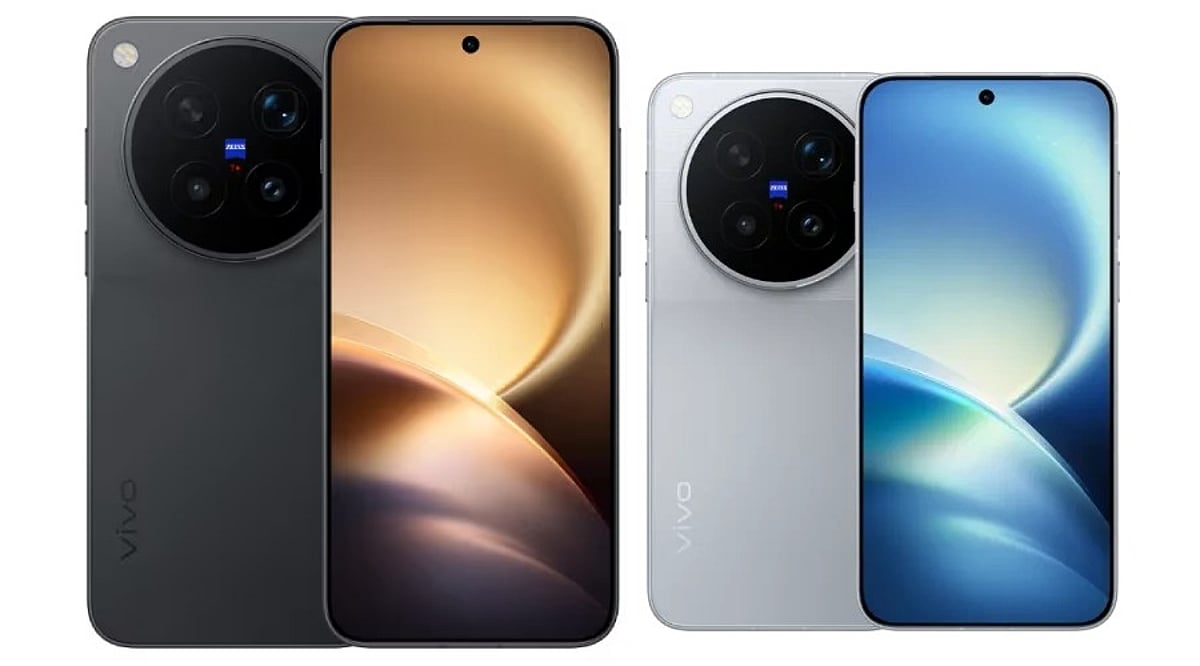
    The vivo X500 Pro Max has officially launched in China, marking a major step forward in flagship smartphone hardware. With a 200MP ZEISS APO super-telephoto camera, an 8,000mAh silicon-carbon battery, and MediaTek’s new 2nm Dimensity 9600 Pro chip, the device targets photography enthusiasts and power users alike.

    Display and Performance

    The phone features a 6.85-inch BOE Q11 ZEISS Master Color OLED display with a 2K resolution and an adaptive refresh rate ranging from 1Hz to 144Hz. This large panel sets it apart from the smaller 6.36-inch X500 Pro, making it ideal for reviewing photos, watching videos, and gaming.

    Under the hood, the Dimensity 9600 Pro is built on a 2nm process with a tri-cluster CPU: two cores at 4.55GHz, three at 4.35GHz, and three at 3.1GHz. Memory options go up to 16GB RAM with storage up to 1TB. Software is handled by OriginOS 7 based on Android 17.

    Battery and Charging

    The 8,000mAh fifth-generation silicon-carbon cell (25% silicon content) supports 90W wired charging and 40W wireless charging. Vivo also states that the battery can operate at temperatures as low as -30°C under test conditions.

    Camera System

    The rear camera consists of a 50MP Sony LYTIA L910 main sensor with LOFIC technology and 3° optical stabilization, a 50MP ultra-wide camera, and the highlight: a 200MP ZEISS APO super-telephoto camera offering approximately 3.7x optical zoom. The telephoto supports the ZEISS G2 Ultra teleconverter, extending the equivalent focal length to 400mm for distant subjects. CIPA 7.0-class stabilization is included on the telephoto.

    Video capabilities include 4K at 240fps slow motion, 4K at 120fps with advanced subject lock, 8K recording, 10-bit Log, 4:2:2 capture, ACES support, Cinematic Video, Cinematic Portrait Video, and 8K Native Live. The phone integrates BlueImage Dynamic Imaging Technology Stack, combining sensor, chip, ZEISS optics, and vivo’s V3+ and VS1+ image processors. A 50MP front camera completes the setup.

    Pricing and Global Launch

    China pricing starts at CNY 6,999 (12GB/256GB) and goes up to CNY 12,999 (16GB/1TB Creator Edition). A satellite communication model (12GB/1TB) is priced at CNY 8,999.

    According to a vivo Austria microsite, the global launch is scheduled for October 27, 2026, at 4 p.m. CEST, with preorders beginning the same day. International pricing and exact specifications are still unconfirmed. Some reports suggest that global models may feature a smaller battery than the China version.

    Key Takeaways

    • 200MP ZEISS APO super-telephoto camera with ~3.7x optical zoom and 400mm teleconverter option.
    • 8,000mAh battery with 90W wired and 40W wireless charging.
    • MediaTek Dimensity 9600 Pro chip on 2nm process.
    • 6.85-inch 2K OLED display with 144Hz adaptive refresh rate.
    • Global launch expected October 27, 2026.
  • iPhone 18 Pro vs Galaxy S26 Ultra: Which Flagship Wins in 2026?

    iPhone 18 Pro vs Galaxy S26 Ultra: Which Flagship Wins in 2026?

    Overview: Two Flagships, Two Philosophies

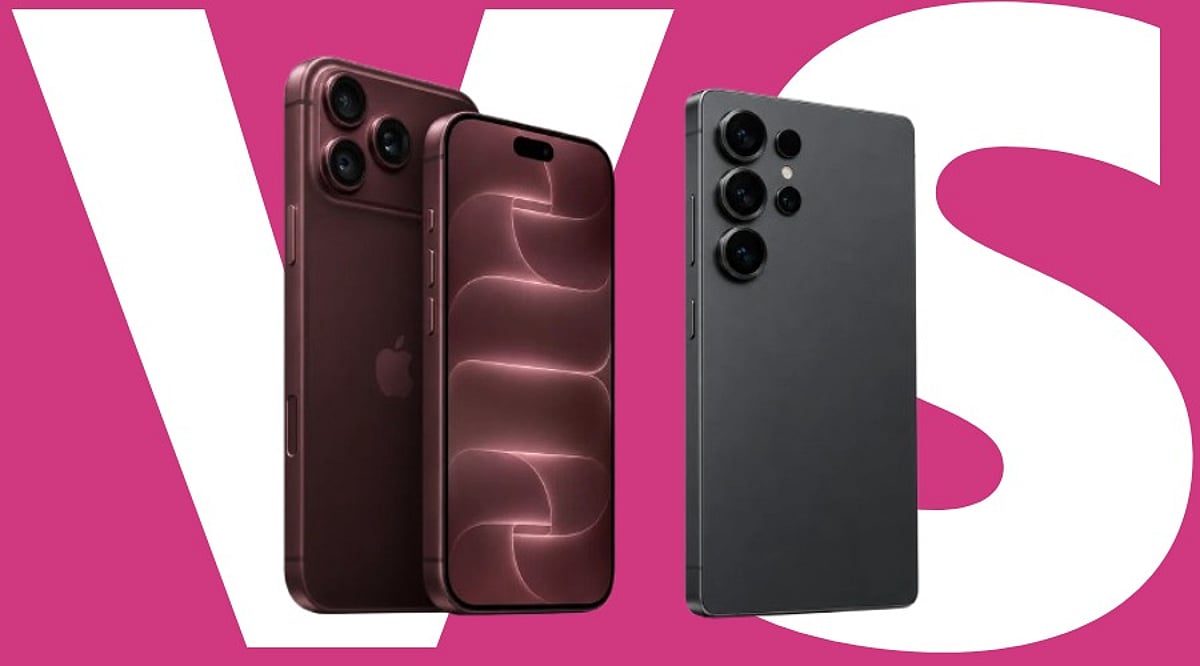
    In 2026, the flagship race comes down to one thing: which phone removes more friction from daily life? Samsung’s Galaxy S26 Ultra arrived first, bringing a 200MP camera system, a large display, and a built-in Privacy Display. Apple followed with the iPhone 18 Pro, which carries the A20 Pro chip, a variable-aperture camera, and the new C2 modem. Samsung widens what the phone can do; Apple sharpens camera control, sustained performance, and tight hardware integration.

    Chip and Connectivity: A20 Pro vs. Snapdragon 8 Elite Gen 5

    The A20 Pro gives the iPhone 18 Pro a strong performance base. It runs on a 2nm process and carries a 7-core GPU that Apple rates up to 40% faster than the A19 Pro. It also adds a dual 16-core Neural Engine for on-device AI. Apple redesigned the vapor chamber too—it’s now three times larger, bringing up to 40% higher sustained performance.

    The new C2 modem adds another change: Apple says it improves cellular quality through AI and enables faster uploads than C1X while using 15% less energy. mmWave 5G support now extends to the U.S.

    Samsung counters with a Galaxy-tuned Snapdragon 8 Elite Gen 5 and its own thermal system for heavy workloads. Both chips handle daily tasks well. The real gap shows up during long gaming sessions, video editing, and connectivity-heavy tasks, where thermal design and modem efficiency start to matter more.

    Camera: Precision vs. Resolution

    Apple’s camera strategy favors control over count. The 48MP Fusion Main camera adds variable aperture—a first for iPhone. Six laser-cut blades shift automatically for light and depth, or a user can set the aperture manually across four positions in the Camera app. Apple points to sharper low-light shots and cleaner detail toward the back of group photos.

    Samsung’s rear setup, confirmed on its own listing, pairs a 200MP main sensor (f/1.4) with a 50MP ultrawide (f/1.9), a 50MP periscope telephoto at 5x optical zoom (f/2.9), and a 10MP telephoto at 3x optical zoom (f/2.4). Four lenses give the S26 Ultra more framing range, especially at long zoom, than the iPhone’s three-lens setup built around aperture control instead.

    Neither system wins outright. The choice comes down to whether zoom range or aperture control matters more to the person holding the phone.

    Display and Everyday Privacy

    Samsung’s biggest hardware story this year is Privacy Display, which the company calls the industry’s first built-in privacy display on a phone. It narrows the viewing angle from the sides. Samsung’s own support page confirms it can cover the whole screen, single apps, notifications, or moments like typing a PIN. A commuter checking a banking app on a crowded train gets a real reason to switch it on. Samsung also notes that results can shift with viewing angle and brightness.

    The iPhone 18 Pro carries a smaller, redesigned Dynamic Island on its 6.3-inch screen, now able to run three Live Activities at once while still powering Face ID. It has no matching privacy mode, relying instead on standard Face ID and app-level controls.

    Battery and Charging

    Samsung lists a 5,000mAh battery and 60W wired charging for the Galaxy S26 Ultra. Apple does not share the iPhone 18 Pro’s exact battery size, but says the new battery design and chip efficiency bring better battery life. eSIM-only models get up to 36 hours of video playback.

    The iPhone 18 Pro can reach 50% charge in about 15 minutes with a 60W-capable cable and a USB PD 3.1 adapter. Apple and Samsung test battery life under their own conditions, so their figures cannot be compared directly.

    Price Comparison

    Phone Starting Price (India, 256GB)
    iPhone 18 Pro ₹1,64,900
    Galaxy S26 Ultra ₹1,39,999

    The Galaxy S26 Ultra is ₹24,901 cheaper at launch.

    Which One Actually Fits?

    Photography-focused buyers who value aperture control and those staying close to Apple’s ecosystem get more from the iPhone 18 Pro. Buyers who want a bigger screen, longer zoom, or extra privacy from side-angle glances in public, at a lower starting price, tend to lean toward the Galaxy S26 Ultra. Neither phone wins across the board. The right pick tracks daily habits more than spec count.

    Final Thoughts

    The gap between these two phones has less to do with one dominant chip or camera number and more to do with the role each one is built to play. The iPhone 18 Pro pushes harder on camera control and in-house hardware like the C2 modem. The Galaxy S26 Ultra pushes harder on screen size, zoom range, and a privacy feature no rival currently matches. For anyone spending more than ₹1 lakh on a phone, those everyday differences carry more weight than a single benchmark number.

    FAQs

    1. Which is more powerful, the iPhone 18 Pro or Galaxy S26 Ultra?

    Both offer flagship-level performance. The iPhone 18 Pro uses the A20 Pro, while the Galaxy S26 Ultra uses the Galaxy-tuned Snapdragon 8 Elite Gen 5.

    2. Does the iPhone 18 Pro have a better camera than the Galaxy S26 Ultra?

    They take different approaches. The iPhone 18 Pro adds variable aperture for greater camera control, while the Galaxy S26 Ultra offers a 200MP main camera and multiple telephoto lenses for greater zoom flexibility.

    3. Which phone has the larger display?

    The Galaxy S26 Ultra has the larger 6.9-inch display, compared with the iPhone 18 Pro’s 6.3-inch screen.

    4. What is the price difference between the iPhone 18 Pro and Galaxy S26 Ultra in India?

    The iPhone 18 Pro starts at ₹1,64,900, while the Galaxy S26 Ultra starts at ₹1,39,999, creating a difference of ₹24,901.

    5. What is the main difference between the iPhone 18 Pro and Galaxy S26 Ultra?

    The iPhone 18 Pro focuses on camera control, sustained performance, and Apple’s hardware ecosystem. The Galaxy S26 Ultra emphasizes camera versatility, a larger display, long-range zoom, and Privacy Display.

  • Master Your Android: A Complete Guide to Changing Default Apps for Browser, Messaging, Camera & More

    Master Your Android: A Complete Guide to Changing Default Apps for Browser, Messaging, Camera & More

    Android phones ship with a set of default apps for browsing, messaging, calling, and more. Most people never bother changing them, but customizing these defaults can make your phone feel truly personal. Whether you prefer a different browser, a dedicated gallery app, or a specific messaging service, switching defaults takes only a few taps. This guide explains where to find these settings, how to change them, and why it matters more than most users realize.

    What Default Apps Actually Are

    Every Android phone assigns a default app to handle common actions—opening a web link, sending a text, viewing a photo. When you tap a link in an email, the phone needs to know which browser should open it. That decision comes from the default app setting. Without a default set, Android sometimes asks you to pick an app every single time, which gets tiring fast. Setting a clear default removes that repeated prompt and speeds up everyday tasks like opening links, dialing numbers, or viewing images.

    Where to Find Default App Settings

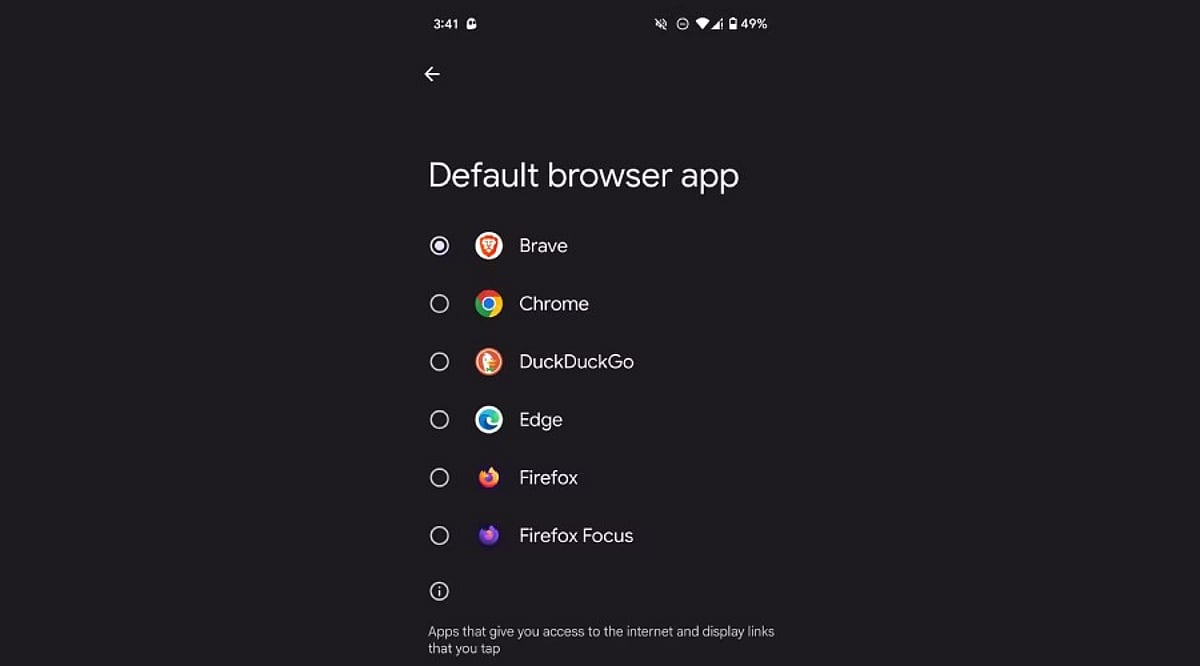
    The exact path varies slightly by phone brand, but the core steps are the same across most Android devices. Open the Settings app, scroll down, and tap Apps. Inside this menu, look for Default apps—on Samsung and Xiaomi it may be under a submenu called Advanced or App Management. Tapping this opens a full list of categories: browser, phone, SMS, gallery, and digital assistant. Here you can see exactly which app currently handles each task.

    Changing a Default Browser, Messaging, or Camera App

    Switching a default app takes just a few taps. Select the category you want to change, such as Browser app, and a list of every compatible installed app appears. Tap the desired app—like Chrome, Firefox, or Brave—to set it as the new default immediately. The same process works for messaging apps (WhatsApp, Google Messages) and camera or gallery apps. Android applies the change instantly, so the very next link, text, or photo opens through the newly chosen app without needing a restart.

    Handling Default Apps for Specific File Types and Links

    Beyond the main categories, Android lets you control which app opens specific file types or web links—known as “Opening links” settings. This sits inside each app’s settings page rather than the general Default apps menu. For instance, you can choose whether Instagram links always open in the Instagram app or default to a browser instead. This level of control matters if you juggle multiple similar apps, like two PDF readers or note-taking tools, since it avoids constant pop-ups asking which to use.

    Why Setting the Right Defaults Matters

    Choosing the right default apps affects daily convenience far more than people expect. A slow default browser adds unnecessary loading time to every link you tap. A messaging app that isn’t the default might cause missed notifications if messages route through another service. Privacy also plays a role—some apps collect more data than others, and picking a privacy-focused default browser or keyboard reduces exposure. For professionals relying on specific tools for calls, calendars, or file management, correct defaults keep workflows smooth without repeated interruptions.

    A Quick Recap for Everyday Use

    Changing default apps on Android takes only a minute but improves the overall experience noticeably. Open Settings, head to Apps, then Default apps, and pick your preferred option for each category. Beyond the basics, checking individual app link settings adds another layer of control for anyone using multiple apps that serve similar purposes. This small adjustment—across browsers, messaging, camera, and file handling—adds up to a phone that behaves exactly the way you want, cutting down on unnecessary taps and confusing pop-ups. Taking a few minutes to set these preferences correctly makes a real difference in how smooth and personal your Android phone feels every day.

    Frequently Asked Questions

    Where exactly are default app settings located on Android?

    Default app settings live inside the main Settings app. Open Settings, scroll down to Apps, and look for an option called Default apps. On some brands like Samsung or Xiaomi, this option sits inside a submenu named Advanced or App Management. Once inside, a full list shows categories like browser, phone, SMS, gallery, and digital assistant, each showing the app currently handling that task.

    Can users change the default browser without uninstalling the old one?

    Yes. Switching the default browser does not require removing any other browser. Inside the Default apps menu, selecting the Browser app category shows every compatible browser installed. Tapping a different option—such as Firefox or Brave—instantly sets it as the new default, while the old browser stays installed and available whenever needed.

    Why does Android keep asking which app to open a link with?

    This repeated prompt usually appears when no default app has been set for that category, or when multiple apps handle the same file type without a clear preference. Setting a proper default through the Default apps menu removes this pop-up for general categories. For specific links (like Instagram or YouTube URLs), you may also need to check that app’s individual “Opening links” setting to stop the recurring prompt.

    Does changing default apps affect phone performance or battery life?

    Changing default apps mainly affects convenience rather than overall performance or battery life. A faster default browser or messaging app can make everyday tasks feel quicker due to less friction from selection prompts, but the difference in actual battery usage or system performance is minimal. The bigger benefit shows up in daily experience—links, texts, and photos open through your preferred app right away without extra taps or delays.

    Is it possible to reset all default apps back to original settings?

    Most Android phones allow you to reset app preferences through a single option, usually found at the bottom of the Default apps or App Management screen, sometimes labeled “Reset app preferences.” Tapping this clears every custom default you’ve set, and the phone goes back to prompting for a choice the next time an action like opening a link or file happens. This works well for troubleshooting a default app that stopped working correctly or for starting fresh.

  • Samsung Galaxy S27 Ultra Leaks Hint at ₹1,49,990 Price, Horizontal Camera and 200MP Sensor

    Samsung Galaxy S27 Ultra Leaks Hint at ₹1,49,990 Price, Horizontal Camera and 200MP Sensor

    Fresh leaks surrounding the Samsung Galaxy S27 Ultra suggest an early 2027 launch in India, with a rumored starting price of ₹1,49,990. While Samsung has not confirmed the device or its specifications, CAD renders and insider reports point to one of the most significant design changes in the Ultra series in years.

    The most notable visual shift could be a horizontal camera module, replacing the familiar separate camera rings seen on recent Ultra models. Leaked renders show three cameras aligned inside a single wide island, resulting in a cleaner, more streamlined rear panel.

    Camera specifications are expected to remain impressive: a 200MP primary sensor with optical image stabilization, a 50MP ultrawide lens, and a 50MP 5x telephoto camera. Notably, Samsung may drop the dedicated 3x telephoto sensor, leaning more heavily on computational photography to cover the mid-range zoom gap.

    Under the hood, the Galaxy S27 Ultra is rumored to pack a 6.9-inch Dynamic LTPO AMOLED 2X display with a 120Hz adaptive refresh rate and a peak brightness of 3,000 nits. Processing duties should fall to Qualcomm’s Snapdragon 8 Elite Gen 6 Pro chip, though an Exynos variant remains possible for certain markets.

    Battery capacity could see a significant boost to 5,700mAh, with charging speeds potentially reaching 65W — up from earlier expectations of 45W. The larger battery would likely become one of the device’s standout features, alongside brighter display technology and improved power efficiency.

    Higher storage variants may cost considerably more than the base model. All details remain preliminary until Samsung officially unveils the phone, expected around February 2027.

  • iPhone 18 Pro and Pro Max: 9 Key Features and Upgrades You Need to Know

    iPhone 18 Pro and Pro Max: 9 Key Features and Upgrades You Need to Know

    Apple’s next-generation flagship smartphones, the iPhone 18 Pro and iPhone 18 Pro Max, are set to bring a host of improvements in performance, camera, display, and intelligent features. Here are the nine most important things to know about these upcoming devices.

    1. A19 Pro Chip

    Apple’s next-generation A19 Pro chip is expected to deliver faster performance, improved efficiency, and stronger capabilities for demanding applications, setting a new standard for smartphone processing power.

    2. Camera Upgrades

    The iPhone 18 Pro models bring camera improvements designed to enhance photography, video recording, low-light performance, and computational photography, pushing the boundaries of mobile imaging.

    3. Advanced Display Technology

    Apple’s latest Pro models feature advanced display technology aimed at delivering brighter visuals, smoother performance, and improved outdoor viewing experiences.

    4. Apple Intelligence

    New Apple Intelligence capabilities are expected to make the iPhone more useful through smarter features, enhanced assistance, and personalised experiences.

    5. Battery Improvements

    Efficiency improvements and hardware optimisation could help the iPhone 18 Pro models deliver longer battery life during everyday smartphone use.

    6. Design Refinements

    Apple introduces design refinements that give the latest Pro models a refreshed appearance while maintaining the distinctive premium iPhone identity.

    7. Enhanced Connectivity

    The iPhone 18 Pro series brings updated connectivity technologies, potentially offering faster wireless performance and improved reliability across supported networks.

    8. Larger Display on Pro Max

    The Pro Max delivers Apple’s premium smartphone experience with a larger display, enhanced hardware, and features designed for demanding users.

    9. Overall Performance Leap

    Combining the A19 Pro chip, camera upgrades, display improvements, and Apple Intelligence, the iPhone 18 Pro and Pro Max represent a significant leap in overall performance and user experience.

  • iPhone 18 Pro Camera Adds Mechanical Iris for Truer Aperture Control

    iPhone 18 Pro Camera Adds Mechanical Iris for Truer Aperture Control

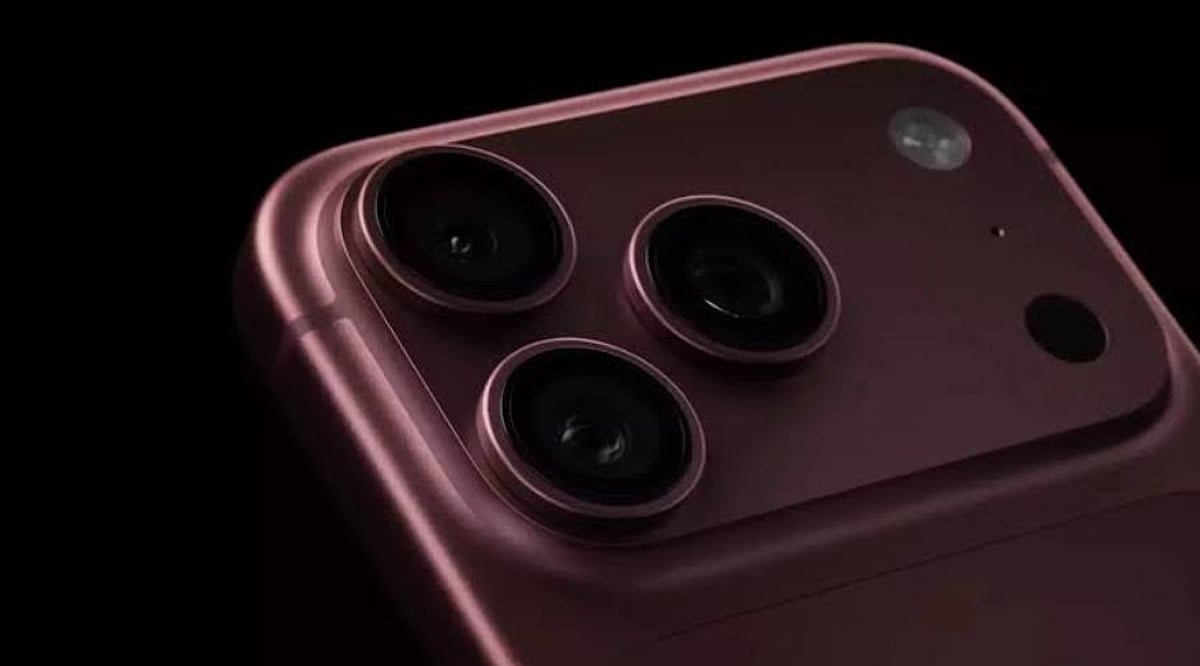
    Apple is bringing a significant change to the iPhone 18 Pro camera. After nine years, the Cupertino-based company has redesigned the lens of the 48MP Fusion main camera with a mechanical iris made of six laser-cut blades. This iris adjusts the lens opening, giving users control over how much light enters the camera and how depth of field appears in their shots.

    Four Aperture Settings for More Flexibility

    The new mechanical iris supports four aperture settings: f/1.48, f/1.8, f/2.8, and f/4. At the widest setting, the lens lets in about 50% more light than f/1.8, which is a meaningful advantage in low-light scenes. Users can also close the aperture when they want deeper focus or a different cinematic look, giving the camera more creative flexibility.

    How the Aperture System Works

    Aperture controls both exposure and depth of field. Light gathering depends on the ratio between f-numbers: dividing the smaller opening by the larger one and squaring the result gives the light multiplier. Depth of field is also influenced by sensor size, so the f-number can be multiplied by the crop factor to find the full-frame equivalent look.

    A Focus on Lens Design, Not a Bigger Sensor

    Apple appears to be focusing on optical engineering rather than sensor size. The 1/1.28-inch main sensor reportedly remains the same one used since the iPhone 14 Pro. Instead, the redesigned lens unit is said to cost about 50% more than the seven-element lens in the iPhone 17 Pro, according to supply chain analysis.

    More Camera and Video Upgrades

    The iPhone 18 Pro also brings several video improvements. Cinematic effects can now be applied to standard footage after the shot at up to 4K Dolby Vision 60 frames per second. Time-lapse recording supports 4K Dolby Vision HDR as well. In addition, Smart Focus Tracking will hold a subject on the device and automatically reacquire it after the subject leaves the frame and returns. The combination gives both casual users and photographers more control over their mobile photography.

  • Google Pixel 11 Pro Matte Black Renders Leak: Design, Camera, and Tensor G6 Details

    Google Pixel 11 Pro Matte Black Renders Leak: Design, Camera, and Tensor G6 Details

    Fresh leaked renders have revealed the Google Pixel 11 Pro in a striking matte black finish. Unlike previous Pixel Pro models, the matte coating now covers the back, frame, and even the sides of the camera bar, giving the phone a cleaner and more premium appearance. The images, shared by trusted leaker Evan Blass, closely resemble official marketing renders.

    The new matte finish is exclusive to the black model, also referred to as Obsidian or Midnight in different leaks. It extends across both the Pixel 11 Pro and Pixel 11 Pro XL, while other colors are expected to retain glossy metallic frames. This design aims to reduce fingerprints and improve grip without changing the phone’s overall shape.

    The leaked gallery highlights the phone from multiple angles, showing a more uniform look around the camera bar. Google appears to have removed the reflective metal sides found on earlier Pro models, making the camera module blend seamlessly with the rest of the device for a more refined design.

    Leaks also point to major camera improvements. The Pixel 11 Pro is expected to offer up to 120x zoom, simultaneous photo and video capture, and enhanced Night Sight performance. While the 120x zoom sounds impressive, some of that range may rely on AI-powered image processing rather than optical zoom.

    Google is also expected to introduce the Tensor G6 processor, bringing faster AI performance and better power efficiency. Another leaked feature is the new HiLight interface, a successor to Pixel Glow, which appears in multiple visual modes and is designed to work closely with Gemini AI.

    According to recent leaks, the Pixel 11 Pro lineup could arrive in Midnight, Fog, Pine, and Dune color options. However, only the Midnight (matte black) version is expected to feature the fully matte frame and camera bar, making it the standout choice for buyers who prefer a cleaner finish.

    Google is expected to unveil the Pixel 11 series at its Made by Google event on August 12, 2026. If the leaks prove accurate, the matte black design, Tensor G6 chip, and upgraded AI camera features could make the Pixel 11 Pro Google’s most polished flagship yet.