Tag: Career Development

  • AWS AI & ML Certifications: A Guide to Choosing the Right Path in 2026

    AWS AI & ML Certifications: A Guide to Choosing the Right Path in 2026

    AWS offers a growing range of AI and machine learning certifications for beginners, developers, data engineers, and experienced AI professionals. Each credential is designed for different skills and career goals. Understanding the certification path makes it easier to choose the right option. This guide compares the key certifications to help you decide which one best fits your career.

    Overview

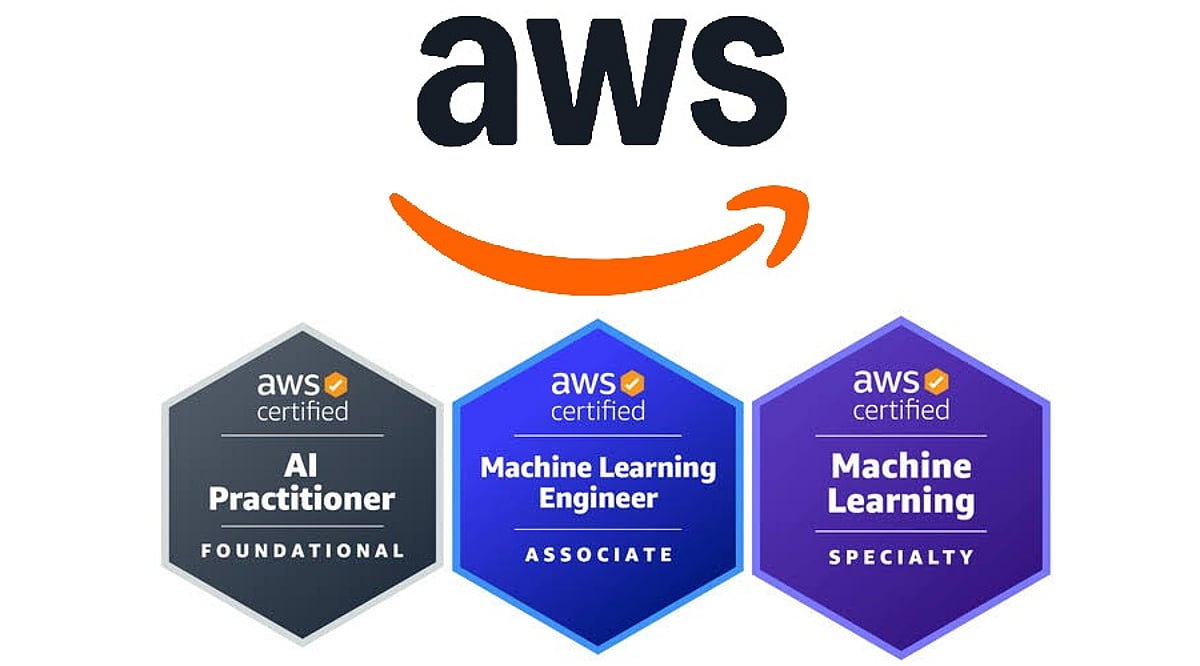
    AWS offers a role-based AI and machine learning certification portfolio that supports beginners, machine learning engineers, data engineers, and developers building AI-powered applications. The certifications cover AI fundamentals, machine learning model development, MLOps, data engineering, foundation models, retrieval-augmented generation (RAG), and Amazon Bedrock.

    AWS has modernized its certification ecosystem by replacing the legacy Machine Learning – Specialty path with role-specific credentials aligned with today’s AI and generative AI workloads. AWS certifications used to funnel almost everyone toward one exam. This has changed, and the lineup now spans across four credentials, each built for a distinct kind of work. It includes a foundational exam for newcomers, an associate-level path for engineers who build and deploy models, a data-focused associate track, and a professional certification for developers shipping generative AI features.

    The Machine Learning Specialty exam was retired for new candidates on March 31, 2026. Existing holders will keep the certification until its original expiry. More than an administrative change, this shift signals AWS’s move toward role-based certifications that better match candidates’ actual job responsibilities.

    What the Current Lineup Covers

    The active AWS AI and ML certifications include:

    • AWS Certified AI Practitioner (Foundational): Covers core AI and machine learning concepts, responsible AI practices, and how AWS services support common use cases. No coding background is required.
    • AWS Certified Machine Learning Engineer – Associate: Focuses on building, tuning, deploying, and monitoring machine learning models using services such as Amazon SageMaker, Amazon S3, and Amazon CloudWatch. Built for professionals who already have hands-on ML experience.
    • AWS Certified Generative AI Developer – Professional: Validates the ability to integrate large language models into applications, build retrieval-augmented generation (RAG) architectures, and work with vector databases and Amazon Bedrock for production-ready AI solutions.
    • AWS Certified Data Engineer – Associate: Centers on designing and managing data pipelines, storage, and reliable data infrastructure that supports machine learning and generative AI workloads.

    Matching the Exam to the Job

    A newcomer pivoting into AI from another field or a business analyst who needs to speak the same language as an engineering team gets the most value from AI Practitioner. It builds a baseline in AI and ML concepts without demanding coding depth.

    Someone already training and deploying models is better served by ML Engineer – Associate, which centers on data preparation, model tuning, and running workloads in production rather than staying inside a notebook.

    Developers already working with large language models, RAG pipelines, and Bedrock fit the Generative AI Developer – Professional role. This credential expects prior implementation experience rather than theory alone, and choosing it over AI Practitioner or ML Engineer comes down to one question: is the work built around foundation models or traditional ML pipelines?

    Data engineers who feed pipelines into ML systems should look at Data Engineer – Associate, a track that rarely gets the same attention as the AI-branded exams but supports all of them underneath.

    Product managers and stakeholders overseeing AI projects without building them get more practical value from AI Practitioner than from an engineering-level exam, since the goal is informed oversight rather than hands-on implementation.

    Deciding Where to Start

    The simplest approach starts with hands-on experience, not ambition. Someone new to AWS and AI belongs in AI Practitioner first. Someone already building or deploying models can skip straight to ML Engineer – Associate. A developer working with foundation models in production is the right candidate for Generative AI Developer – Professional.

    A common progression looks like AI Practitioner, then ML Engineer – Associate or Data Engineer – Associate depending on the role, then Generative AI Developer – Professional once foundation model work becomes part of the job.

    For those already deep into machine learning specialty prep, finishing it still holds some value, given less than a year remains before it closes to new candidates. For everyone else, moving straight to ML Engineer Associate offers more current coverage and a clearer path forward.

    The strongest certification choice rarely lines up with the most advanced option available. It lines up with what the job actually requires now and with where that job is headed next.

    Final Thoughts

    AWS restructuring its AI credentials around roles rather than a single tiered ladder points to where cloud certification is heading in general. It clarifies that the exam is less about climbing a fixed hierarchy and more about proving specific, current skills tied to specific work. Candidates who treat certification as a career-mapping exercise, rather than a checklist, will likely find their credentials relevant as AWS splits its portfolio.

  • Top Google AI Certifications and Courses for 2026: A Comprehensive Guide

    Top Google AI Certifications and Courses for 2026: A Comprehensive Guide

    Google’s AI learning ecosystem has expanded to include professional certifications, structured courses, and hands-on learning paths. Each credential targets specific skills and career objectives, making it essential to understand the options available. This guide breaks down the eight best Google AI certifications and courses, ranked by audience and career value, to help you choose the right path for building artificial intelligence expertise.

    Certifications vs. Courses: What’s the Difference?

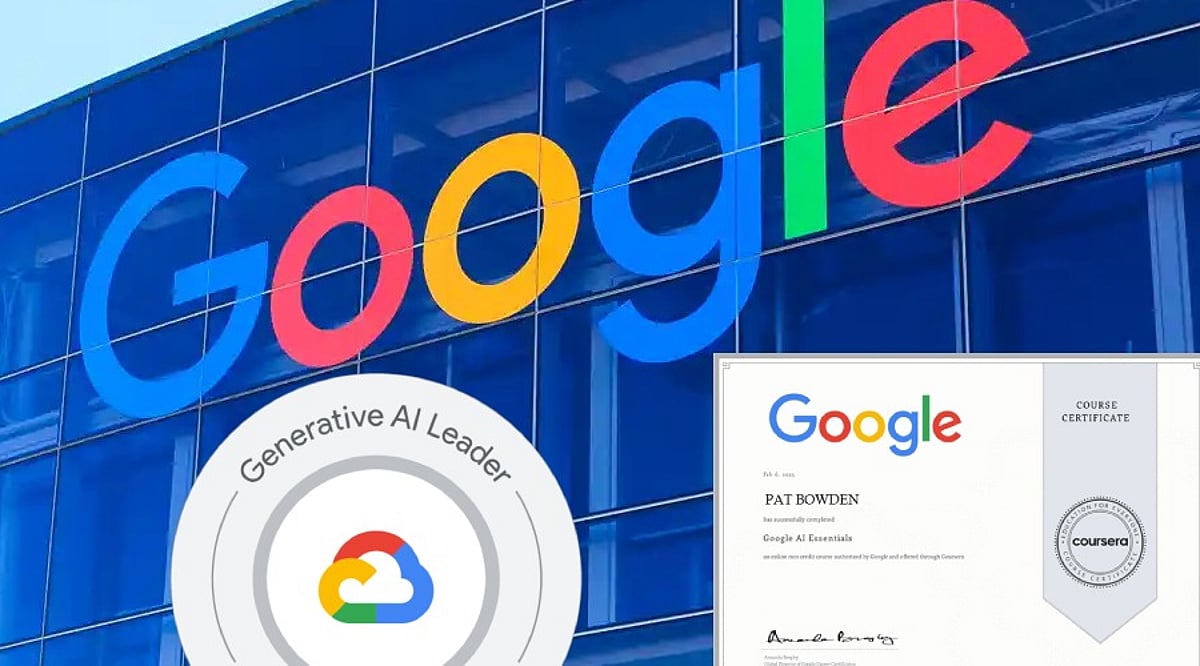
    Google Cloud offers three proctored exams: Generative AI Leader, Professional Machine Learning Engineer, and Cloud GenAI Engineer. These exams carry a pass or fail result and a fixed validity window. In contrast, courses on Coursera or Google Skills focus on building practical skills rather than resume credentials. Understanding this distinction is key to making the right investment.

    1. Google AI Essentials

    Five short courses totaling approximately five hours, priced at $49 per month with no prerequisites. This is the most enrolled generative AI course on Coursera, covering prompting, responsible use, and everyday AI fundamentals rather than technical depth. Best for: Beginners seeking workplace fluency fast.

    2. Google Prompting Essentials

    A standalone course priced at $49, focusing purely on prompt design. Google states this will not prepare anyone for a prompt engineering role. Best for: Professionals who want sharper outputs from AI tools.

    3. Google AI Professional Certificate

    Launched on Coursera in February 2026, this certificate pairs seven short courses with a capstone project, totaling about ten hours, priced at $49 per month with no prerequisites. Enrollment includes three months of free Google AI Pro access for labs. Best for: Learners past the basics who want documented, practical proof of AI work.

    4. Introduction to Generative AI (Google Skills)

    Google Cloud’s free learning path includes four short courses covering generative AI fundamentals and responsible AI, each about an hour long. It sits on the free Google Skills tier with monthly lab credits at no charge. Best for: Those planning to attempt the Generative AI Leader certification who need Google Cloud terminology first.

    5. Google Cloud Generative AI Leader

    The first proctored credential on this list, built for non-engineers. The 90-minute exam includes 50 to 60 questions and costs roughly $99, valid for three years with renewal by retake. No coding is tested. Best for: Business leaders and product managers needing a recognized credential without writing code.

    6. Generative AI for Developers (Google Skills)

    The technical counterpart to the beginner path above, requiring prerequisite courses in responsible AI. Full access requires a paid Google Skills subscription near $30 per month. Coverage includes retrieval-augmented generation and multimodal application building with Gemini. Best for: Developers heading toward the Cloud GenAI Engineer exam.

    7. Cloud GenAI Engineer

    Priced near $200, this exam focuses on building generative AI applications through the Gemini API, RAG pipelines, and agentic workflows on existing infrastructure. Best for: Developers shipping GenAI features who do not manage full ML systems.

    8. Professional Machine Learning Engineer

    The most demanding credential. Google recommends three or more years of industry experience, including at least one year on Google Cloud. The two-hour exam includes 50 to 60 questions and costs $200, valid for two years with renewal options. A recent update shifted the exam toward the Gemini Enterprise Agent Platform. Best for: Engineers with real production experience who want Google Cloud’s strongest technical signal.

    Final Thoughts

    None of these credentials serves as a shortcut. The certifications with real hiring weight—Generative AI Leader, Cloud GenAI Engineer, and Professional Machine Learning Engineer—all expect existing baseline knowledge. The smarter move is matching the credential to your current experience level, not the one that looks most impressive on paper.

  • Why ADAS Demands Systems Thinkers, Not Just Engineers: The Rise of Cross-Disciplinary Expertise

    Why ADAS Demands Systems Thinkers, Not Just Engineers: The Rise of Cross-Disciplinary Expertise

    Advanced Driver Assistance Systems (ADAS) are no longer defined by isolated engineering disciplines. Instead, they represent a convergence of mechanical design, electronics, software, sensor technology, and human-centered design. The complexity of modern ADAS—spanning everything from real-time sensor fusion to predictive algorithms—demands professionals who can see the bigger picture while understanding the intricate workings of each component. A purely mechanical or purely software-centric approach often leaves gaps; only a cross-disciplinary, systems-oriented mindset can ensure that all moving parts work in harmony to deliver safe, reliable, and user-friendly solutions.

    Gaurav Baban Pokharkar has made a career in this changing interlinked multilateral scenario. Having started his education in mechanical engineering and after graduating and returning to work in his field of study after becoming a self-taught coder, he has naturally made the shift between old and new fields of discipline. The development of his career can be explained as a calculated growth within the engineering of vehicle structures to roles related to leadership concerning ADAS, in which he has been in charge of the integration of advanced safety systems and their calibration. This career path is motivated by the fact that he has integrated mechanical, software and validation organizations against a common vision that ensures a balance between innovation and practices, regulatory requirements and consumer demands.

    His work exemplifies how systems thinking transforms ADAS development. By automating large-scale data analysis processes through scripting and Linux-based tools, he accelerated validation cycles by nearly 70%, enabling quicker identification of issues and reducing the time to implement corrective measures. This efficiency not only improved engineering turnaround but also directly contributed to cost savings and resource optimization. In another instance, his analytical rigor during on-road testing identified a performance issue that, if overlooked, could have led to production delays and additional development costs. His ability to translate technical findings into actionable, system-wide improvements highlights the real-world value of a multidisciplinary approach in high-stakes automotive programs.

    His technical competence can be measured: fewer rework cycles, more prompt deliveries of calibration files, and increased customer satisfaction are all signs of more than technical skill. They address a sentiment that measures success not on the workability of individual components but rather the workability of the whole system of vehicles in real-world conditions. His ability to anticipate downstream consequences, to get cross-functional teams pulling in the same direction, and to make strategic tradeoffs shows how ADAS development is enhanced by leaders who think in systems, not silos.

    Looking ahead, Gaurav believes that the path forward for ADAS will be shaped by even greater integration of artificial intelligence, computer vision, and edge computing. Yet, he notes that as these technologies advance, so too will the need for holistic oversight that ensures safety, compliance, and reliability remain paramount. His journey reinforces a critical truth in the ADAS arena: innovation is not solely about introducing new technology—it is about orchestrating diverse elements into a cohesive system that consistently serves its purpose in the real world.

  • 5 Top AI Engineer Certifications to Land a Job in 2026

    5 Top AI Engineer Certifications to Land a Job in 2026

    Artificial intelligence is no longer confined to research labs—it now powers products, services, and operations across every industry. As companies invest heavily in generative AI, automation, and machine learning, the demand for skilled AI engineers continues to surge. Recruiters, however, are looking for more than theoretical knowledge; they want candidates who can apply AI to solve real-world problems.

    A recognized certification can strengthen your resume, validate your skills, and help you stand out during the hiring process. While it is not a substitute for practical experience, it complements a strong portfolio and improves your chances of landing interviews. Below are five industry-recognized AI certifications that can help you get hired in 2026.

    1. Google Cloud Professional Machine Learning Engineer

    The Google Professional Machine Learning Engineer certification is highly valued by employers for enterprise-scale AI roles. It covers the development, deployment, and management of machine learning models using Vertex AI and Google Cloud. Topics include model optimization, MLOps, monitoring, and responsible AI. This certification is ideal for professionals with some experience in machine learning and cloud computing.

    2. Microsoft Azure AI Engineer Associate (AI-102)

    This certification is designed for developers and cloud professionals who want to build AI-powered applications on Microsoft’s Azure platform. Learners gain hands-on skills with Azure AI services, Azure OpenAI, computer vision, speech services, and natural language processing. The course also emphasizes building secure and responsible AI applications.

    3. AWS Certified AI Practitioner

    AWS Certified AI Practitioner is an entry-level certification for those building a foundation in artificial intelligence. It introduces AI concepts, generative AI, prompt engineering, responsible AI, and AWS AI services. This is a practical starting point for IT professionals, software developers, and cloud engineers transitioning into AI roles.

    4. Databricks Certified Generative AI Engineer Associate

    As organizations deploy AI assistants and enterprise chatbots, generative AI skills have become highly sought after. This certification focuses on Retrieval-Augmented Generation (RAG), large language models, vector databases, prompt engineering, and AI agent development. It is aimed at engineers working on modern LLM-powered applications.

    5. IBM AI Engineering Professional Certificate

    IBM’s certification emphasizes project-based learning over theory. Participants learn Python, machine learning, deep learning, TensorFlow, and PyTorch through practical projects. This program is an excellent way for beginners to combine technical skills with a portfolio of AI projects.

    Final Takeaway

    Candidates are now evaluated on their ability to create rather than just their credentials. While a certification can make your profile stand out, practical experience is what gets you through the door. Recruiters prefer candidates who have built AI products, contributed to GitHub repositories, deployed models using cloud technology, and understand vector databases, prompt engineering, and MLOps. A relevant certification can give you the edge over other applicants, but remember: earning a certification is only the first step in your AI career journey.

    Frequently Asked Questions

    What is the best AI certification for beginners in 2026?

    AWS Certified AI Practitioner and IBM AI Engineering Professional Certificate are top choices for beginners. They cover AI fundamentals, generative AI, Python, and practical skills without requiring extensive machine learning experience.

    Which AI certification is most valued by employers?

    Google Cloud Professional Machine Learning Engineer and Microsoft Azure AI Engineer Associate are highly regarded, especially for enterprise AI, cloud computing, and production-scale machine learning roles.

    Do AI certifications guarantee a job?

    No. Certifications improve your resume and validate your knowledge, but employers also expect practical experience through AI projects, GitHub portfolios, cloud deployments, and problem-solving skills during technical interviews.

    Which certification is best for generative AI careers?

    The Databricks Certified Generative AI Engineer Associate is a strong choice for those interested in large language models, RAG, prompt engineering, vector databases, and enterprise AI applications.

    How should I prepare for an AI engineering role in 2026?

    Build a strong foundation in Python, machine learning, and cloud platforms. Earn a recognized AI certification, create real-world projects, and maintain an active portfolio to showcase your technical abilities.

  • Top 10 Data Analytics Certifications to Boost Your Career in 2026

    Top 10 Data Analytics Certifications to Boost Your Career in 2026

    In 2026, data analytics certifications remain a powerful tool for professionals aiming to validate their skills and stand out in a competitive job market. Whether you’re a beginner or an experienced analyst, the right certification can sharpen your expertise in SQL, visualization, reporting, and business intelligence—while signaling to employers that you can solve real-world problems with data.

    Below, we break down the ten most valuable data analytics certifications for 2026, covering everything from entry-level credentials to advanced, cloud-focused designations. Each certification is chosen for its relevance, industry recognition, and practical, hands-on focus.

    1. Google Data Analytics Professional Certificate

    An excellent starting point for beginners, this certification covers the fundamentals: cleaning data in spreadsheets, writing SQL queries, creating basic visualizations, and translating numbers into actionable business insights. No prior technical background is required, making it a solid first step toward a career in analytics.

    2. Microsoft Power BI Data Analyst Associate

    Ideal for business intelligence professionals, this certification focuses on data preparation, modeling, dashboard creation, and DAX (Data Analysis Expressions). It’s a perfect fit for organizations already using Microsoft products and needing skilled report creators.

    3. CompTIA Data+

    A vendor-neutral certification that covers data governance, reporting, and interpretation. It’s great for beginners who want a broad, foundational understanding of analytics without being tied to a specific platform. Data+ is especially useful for analysts who value versatility.

    4. IBM Data Analyst Professional Certificate

    This project-based certificate teaches Excel, SQL, Python, and dashboard creation. It’s designed to build practical skills and a portfolio—ideal for those who want to demonstrate hands-on ability to employers.

    5. Certified Analytics Professional (CAP)

    An advanced certification for seasoned analysts, CAP validates end-to-end analytical skills: problem formulation, methodology selection, data analysis, and business impact assessment. It’s best for professionals seeking strategic recognition in analytics.

    6. aCAP (Associate Certified Analytics Professional)

    Targeted at early-career professionals, aCAP introduces core principles, standards, and professional requirements. It’s a stepping stone for those not yet ready for the full CAP certification.

    7. Tableau Certified Data Analyst

    Focused on visualization and dashboarding, this certification proves you can connect to data, prepare it, analyze it, and communicate insights using Tableau. It’s particularly valuable for roles that require clear data storytelling.

    8. AWS Certified Data Analytics – Specialty

    For cloud-focused roles, this certification covers data pipelines, storage, analytics services, and large-scale workflow management on AWS. It’s suited for engineers and data professionals working in cloud-based environments.

    9. SAS Advanced Analytics Professional

    Essential for industries heavily reliant on SAS, this certification demonstrates advanced statistical and analytical abilities. It’s highly relevant for sectors like healthcare, finance, and insurance where SAS is a standard tool.

    10. Cloudera Certified Associate Data Analyst

    Relevant for big data environments, this certification validates SQL analysis and querying on Cloudera platforms. It’s ideal for analysts working with large datasets who need to prove their competence in handling massive data volumes.

    The Road Ahead

    In 2026, data analytics certifications are valued for their practical, hands-on focus. Employers prioritize credentials that prove real skill in SQL, dashboards, cloud tools, and business thinking. While certifications alone won’t guarantee a job, they give candidates a strong edge when combined with portfolio projects and real-world experience. The best strategy: choose one focused certification, build a portfolio, and demonstrate you can solve actual business problems with data.

    FAQs

    Which data analytics certification is best for beginners?
    Google Data Analytics Professional Certificate and IBM Data Analyst Professional Certificate are excellent beginner-friendly choices because they cover SQL, spreadsheets, visualization, and practical analytics skills through hands-on projects.

    Do employers value data analytics certifications in 2026?
    Yes. Certifications remain valuable because they demonstrate verified technical skills, especially when combined with practical experience, portfolio projects, and the ability to solve real business problems using data.

    Which certification is best for Power BI professionals?
    The Microsoft Power BI Data Analyst Associate certification is ideal for professionals working with dashboards, data modeling, DAX, reporting, and business intelligence using Microsoft’s analytics ecosystem.

    Is AWS Data Analytics certification suitable for beginners?
    No. AWS Certified Data Analytics – Specialty is better suited for professionals with cloud analytics experience and knowledge of AWS services, data pipelines, and large-scale data processing environments.

    Are certifications enough to get a data analytics job?
    Certifications improve your resume, but employers also expect practical projects, SQL knowledge, visualization skills, problem-solving ability, and experience demonstrating how you analyze and communicate business insights effectively.

  • Top Generative AI Certification Courses for 2026: From Beginner to Advanced

    Top Generative AI Certification Courses for 2026: From Beginner to Advanced

    Generative AI has become one of the most transformative technologies in today’s digital landscape. Businesses across industries are leveraging AI to enhance customer service, automate workflows, generate content, analyze data, and boost productivity. As demand for AI expertise grows, employers actively seek professionals who understand generative AI and can apply it effectively.

    Learning AI has never been more accessible. Numerous trusted platforms now offer certification programs tailored to both beginners and seasoned professionals. Some courses focus on foundational concepts, while others dive into advanced topics like large language models, prompt engineering, AI agents, and application development. Choosing the right certification depends on your career goals, current skill level, and the knowledge you need to succeed.

    Below are some of the best generative AI certification courses to consider in 2026.

    Coursera – Generative AI: Introduction and Applications

    This introductory course is ideal for anyone wanting to understand generative AI from the ground up. It explains core concepts in simple language and illustrates how different industries apply AI in real-world scenarios. Topics include popular AI tools, foundation models, prompt engineering basics, and responsible AI practices. Real-world examples make the material accessible even to non-technical learners.

    Coursera – Generative AI for Everyone Specialization

    Designed for business professionals, students, managers, and educators, this specialization emphasizes practical uses of generative AI in the workplace. It covers how organizations use AI to improve productivity and decision-making, along with prompt design, responsible AI, ethical considerations, and digital transformation. No programming knowledge is required.

    Coursera – Generative AI for Content Creation

    Content creation is one of the most common applications of generative AI. This course focuses on leveraging AI to produce blogs, marketing copy, social media posts, presentations, emails, and more. Lessons cover writing effective prompts, refining AI-generated content, maintaining quality, and the ongoing importance of human creativity.

    Udemy – Complete Generative AI Course with LangChain and Hugging Face

    This advanced, hands-on course is perfect for developers. It covers developing modern applications using LangChain and Hugging Face, including retrieval-augmented generation, vector databases, embeddings, prompt engineering, AI agents, and large language models. Numerous practical exercises help you build real AI-powered apps.

    BITS Pilani Digital – Generative AI and Agentic AI Course

    Offered by BITS Pilani Digital, this certification blends generative AI with the emerging field of agentic AI. The structured curriculum combines theory with practical business applications, covering foundation models, AI agents, autonomous workflows, prompt engineering, and enterprise AI solutions. Industry case studies and projects reinforce learning.

    FutureSkills Prime – Fundamentals in Generative AI and Machine Learning

    This beginner-friendly certification builds a solid foundation in machine learning and generative AI. It starts with simple concepts and gradually introduces more advanced topics like neural networks, foundation models, and responsible AI. The course prepares learners for future advanced certifications.

    Microsoft Learn – Generative AI for Beginners

    Microsoft provides a free, self-paced course featuring tutorials and learning materials for hands-on learners. Topics include large language models, prompt engineering, semantic search, vector databases, AI agents, and responsible AI. The course is regularly updated to reflect the latest trends.

    Great Learning – IIT Bombay Certificate in Generative AI

    This certification combines academic rigor with practical experience. It covers fundamentals before progressing to advanced topics like prompt engineering, large language models, and industry applications. Expert guidance, live sessions, and project-based learning help learners understand real-world AI use cases.

    How to Choose the Right Generative AI Certification

    The best certification depends on your career goals and background. Beginners may prefer introductory courses from Coursera, Microsoft Learn, or FutureSkills Prime. Business-oriented learners who want to understand AI’s impact may benefit from “Generative AI for Everyone.” Developers and technical professionals should consider courses covering LangChain, Hugging Face, and agentic AI. Before deciding, compare curricula, practical projects, instructor expertise, certification value, and how often content is updated.

    Final Thoughts

    Generative AI is now an essential skill across many industries. Certification programs provide a clear path to learning this technology, but hands-on projects are what truly build expertise. The demand for AI skills continues to grow, making now a great time to invest in your education.

    Frequently Asked Questions

    1. Which is the best Generative AI certification course for beginners? Courses from Coursera, Microsoft Learn, and FutureSkills Prime provide a strong foundation.
    2. Are Generative AI certifications worth it in 2026? Yes. They help build practical AI skills and improve career opportunities across many industries.
    3. Which course is best for developers? The Udemy course with LangChain and Hugging Face is a strong choice for developers seeking hands-on experience.
    4. Do these courses require coding knowledge? Not all of them. Many are suitable for non-technical learners, while others focus on programming and AI development.
    5. What should I consider before choosing a certification? Compare the curriculum, practical projects, certification value, instructor expertise, and how often the content is updated.
  • Top Online Learning Platforms Every Software Engineer Should Explore

    Top Online Learning Platforms Every Software Engineer Should Explore

    Software engineering is a field that demands continuous learning. Whether you are a beginner or an experienced developer, choosing the right online learning platform can accelerate your career growth. Below are some of the best platforms known for their quality content, hands-on projects, and industry-recognized certifications.

    Coursera

    Offers university-backed software engineering courses, professional certificates, cloud computing, AI, cybersecurity, and hands-on projects with recognized industry credentials worldwide.

    Udemy

    Features affordable programming courses covering Python, Java, web development, DevOps, mobile apps, and practical projects for developers of every experience level.

    Pluralsight

    Delivers structured technology learning paths, skill assessments, cloud certifications, cybersecurity training, software architecture, and advanced developer courses for professional growth.

    Educative

    Provides interactive text-based programming courses with built-in coding environments, specializing in system design, interview preparation, algorithms, and backend engineering concepts.

    Codecademy

    Teaches programming through interactive browser-based exercises covering Python, JavaScript, SQL, data science, web development, and computer science fundamentals effectively.

    freeCodeCamp

    Offers completely free coding certifications, responsive web development, JavaScript, Python, machine learning, and real-world projects supporting practical software engineering skills.

    Frontend Masters

    Specializes in advanced frontend development with expert-led courses covering JavaScript, React, TypeScript, performance optimization, accessibility, and modern web engineering practices.

    O’Reilly Learning Platform

    Combines technical books, live training, interactive labs, certification preparation, and expert content across software engineering, cloud computing, AI, and DevOps.

    LeetCode

    Focuses on coding interview preparation through algorithm challenges, data structures, company-specific questions, contests, and problem-solving practice for software engineering careers.

  • Best Cloud Architecture Certifications to Boost Your Career in 2026

    Best Cloud Architecture Certifications to Boost Your Career in 2026

    Advance your cloud career with the industry’s most respected certifications. Here are the top cloud architecture credentials to earn in 2026:

    • AWS Certified Solutions Architect – Professional: A top credential for designing secure and scalable AWS cloud environments.
    • Microsoft Certified: Azure Solutions Architect Expert: Ideal for professionals building enterprise-grade cloud solutions on Microsoft Azure.
    • Google Professional Cloud Architect: Recognized globally for designing reliable and scalable Google Cloud infrastructure.
    • AWS Certified Solutions Architect – Associate: One of the best entry points for aspiring cloud architects.
    • Certified Kubernetes Administrator (CKA): Validates skills in managing Kubernetes clusters and containerized workloads.
    • Google Professional Cloud DevOps Engineer: Focuses on automation, monitoring, and continuous cloud delivery.
    • Microsoft Azure Administrator Associate: Builds practical skills for managing Azure infrastructure and cloud resources.
    • HashiCorp Terraform Associate: Demonstrates expertise in infrastructure automation using Terraform.

    Stay ahead in cloud computing by earning these certifications in 2026.

  • Why Cloud Solution Architecture Is a Top Career Path in Modern IT

    Why Cloud Solution Architecture Is a Top Career Path in Modern IT

    The explosive growth of cloud computing has transformed the way organizations design, deploy, and manage their IT infrastructure. The current trend for enterprises is to move from traditional on-premise systems to cloud-based solutions to maximize scalability, reduce cost, and improve operational efficiency. This transformation has created a strong demand for professionals who can design and manage complex cloud environments effectively.

    At the center of this digital shift is cloud solution architecture. It involves designing secure, scalable, and high-performing cloud systems that meet business requirements. The need for skilled cloud architects is skyrocketing as organizations adopt multi-cloud and hybrid environments, making this one of the most in-demand and valuable roles in the IT industry.

    Understanding Cloud Solution Architecture

    The design of a cloud computing solution involves creating and organizing the systems necessary for companies to operate in the cloud. This includes determining what type(s) of cloud service(s) should be used, defining the structure of these services, and ensuring that each service works well together.

    Cloud solution architects translate an organization’s requirements into solutions by designing and managing all aspects of the infrastructure to ensure the smooth flow of data from one part of the system to another while meeting security requirements and optimizing overall system performance. A cloud solution architect must know everything there is to know about using cloud-based platforms, networking, storage, and application integration.

    Unlike traditional IT architecture, cloud-based architecture is constantly changing, and a system needs to be built to automatically scale with demand so that the application remains available and responsive despite changes in the workload being processed. This flexibility is a significant advantage of cloud-based computing.

    Why Cloud Architecture Skills Are in High Demand

    Cloud architecture skills are highly sought after due to the widespread adoption of cloud technologies across industries. Organizations are moving workloads to cloud platforms to improve efficiency and cut infrastructure costs.

    Cloud systems offer numerous benefits, including scalability, flexibility, and global accessibility. However, the design and management of these systems requires specialized expertise. As a cloud architect, you have to make sure your systems are secure, cost-effective, and can handle large-scale operations.

    Another factor driving demand is the complexity of modern IT environments. Many organizations use multiple cloud providers, creating hybrid and multi-cloud architectures. These settings demand high-level technical skills and strategic planning.

    The Role of Certification in Cloud Career Development

    In the IT industry, certifications are essential for validating technical knowledge and demonstrating professional expertise. They provide structured learning paths that help individuals understand key concepts and apply them in real-world scenarios.

    Certification programs in cloud architecture typically cover topics such as identity management, security design, infrastructure optimization, and disaster recovery planning. These programs help professionals develop a strong foundation in designing enterprise-level cloud solutions.

    Many learners rely on resources like TestKings to support their certification preparation journey. These materials help candidates understand exam structures, practice real-world scenarios, and reinforce important concepts. While hands-on experience remains crucial, structured study resources can significantly improve exam readiness.

    Certifications also enhance career opportunities by making candidates more competitive in the job market. Employers often prefer certified professionals because they demonstrate verified skills and commitment to professional growth.

    Key Responsibilities of a Cloud Solution Architect

    Designing and implementing cloud solutions that meet an organization’s requirements is the task of a cloud solution architect. They analyze the business need and use it to determine the best approach for developing a block of usable, sustainable technologies.

    Infrastructure design (types of cloud, network architecture, and scaling) is one of the roles of cloud architects. Cloud service providers offer different cloud services to users; therefore, before developing Cloud Services, architects analyze the pros and cons of various clouds based on the organization.

    Another responsibility of a cloud architect is designing secure systems for storing sensitive information and ensuring compliance with all federal and state regulations.

    Security is also important in developing an overall cloud architecture and infrastructure for organizations. Some of the security measures then implemented include identity management, encryption, and access control.

    To operate as designed after failure, systems must have built-in redundancy. Therefore, the cloud architect is also responsible for developing backup and disaster-recovery plans to maintain business functions should a system fail.

    Microsoft Azure Solutions Architecture Certification Overview

    Looking to validate your cloud architecture skills? Microsoft offers some specialized certifications. These certifications are well-known in the IT industry and are for experienced professionals.

    AZ-305 certification is all about designing Microsoft Azure Infrastructure Solutions. It covers key areas like the design of identity and security, data storage solutions, business continuity planning, and infrastructure optimization. This certification is intended for professionals responsible for designing enterprise-level Azure environments.

    Earning this certification demonstrates advanced knowledge of cloud architecture principles and the ability to design scalable, secure, and efficient systems. It is considered a valuable credential for IT professionals aiming to advance their careers in cloud architecture.

    Career Opportunities in Cloud Architecture

    Cloud architecture offers a wide range of career opportunities across various industries. As more organizations adopt cloud technologies, the demand for skilled cloud architects continues to grow.

    Common job roles include cloud architect, solutions architect, cloud consultant, IT architect, and infrastructure engineer. These roles involve designing cloud strategies, implementing solutions, and ensuring system performance and security.

    With experience, professionals can move into senior leadership positions such as enterprise architect or IT director. These roles involve strategic decision-making and oversight of large-scale IT systems.

    Cloud architecture skills are also applicable across multiple industries, including healthcare, finance, education, and technology. This versatility makes it one of the most valuable career paths in modern IT.

    The Importance of Continuous Learning in Cloud Computing

    Cloud technology is constantly evolving, with new services and features being introduced regularly. As a result, continuous learning is essential for professionals working in cloud architecture.

    Staying updated with the latest technologies ensures that cloud architects can design modern, efficient, and secure systems. Continuous learning can include certifications, online courses, hands-on labs, and participation in professional communities.

    Employers highly value individuals who demonstrate a commitment to learning and adapting to new technologies. This mindset not only enhances career growth but also ensures that organizations remain competitive in a rapidly changing digital landscape.

    Frequently Asked Questions

    What is cloud solution architecture?

    Cloud solution architecture is the design of cloud-based systems that support business operations, including infrastructure, security, and application integration.

    Why is cloud architecture important?

    It is important because it ensures that cloud systems are scalable, secure, and efficient for business use.

    What does the AZ-305 certification cover?

    The AZ-305 certification covers designing Microsoft Azure infrastructure solutions, including security, storage, networking, and disaster recovery.

    Are cloud architects in demand?

    Yes, cloud architects are in high demand due to the rapid adoption of cloud computing across industries.

    How can I become a cloud architect?

    You can become a cloud architect by learning cloud fundamentals, gaining hands-on experience, and earning relevant certifications.

    Conclusion

    Cloud solution architecture has become a critical discipline in modern IT as organizations continue to adopt cloud-based technologies. Skilled cloud architects are essential for designing systems that are secure, scalable, and efficient.

    With the increasing complexity of cloud environments, the demand for experienced professionals in this field continues to grow. Certifications and continuous learning play a vital role in helping individuals build the skills needed to succeed in cloud architecture.

    By combining practical experience with structured learning and industry-recognized certifications, professionals can build successful and rewarding careers in cloud solution architecture and contribute to the ongoing digital transformation of businesses worldwide.