

Tag: career guide

  • Highest-Paying AI Jobs in Singapore: 2026 Career Guide & Salary Trends

    Highest-Paying AI Jobs in Singapore: 2026 Career Guide & Salary Trends

    Singapore has rapidly emerged as one of Asia’s leading hubs for artificial intelligence, driven by strong government backing, rising digital investment, and the presence of multinational corporations. As AI adoption accelerates across finance, healthcare, manufacturing, and logistics, the demand for skilled professionals has surged—making AI roles among the most lucrative in the country’s tech sector.

    Why AI Careers Are Booming in Singapore

    The National AI Strategy 2.0 has spurred organizations to weave AI into their daily operations. Banks use AI for fraud detection and personalized services; hospitals apply machine learning for diagnostics; factories adopt automation; and logistics, retail, cybersecurity, and government agencies all invest heavily in AI technologies. This broad adoption creates strong demand for experts who can design, implement, and maintain AI systems, driving up salaries across the board.

    Highest-Paying AI Jobs in Singapore

    Below are some of the top AI roles, with salary ranges based on experience and industry:

    • AI Research Scientist – SGD 170,000–250,000
    • AI Solutions Architect – SGD 150,000–220,000
    • Machine Learning Engineer – SGD 120,000–180,000
    • Data Scientist (AI focus) – SGD 110,000–170,000
    • NLP Engineer – SGD 120,000–175,000
    • Computer Vision Engineer – SGD 130,000–190,000
    • MLOps Engineer – SGD 130,000–185,000
    • AI Product Manager – SGD 140,000–200,000

    Actual compensation varies by employer, experience level, and technical expertise.

    Skills Employers Look For

    Technical skills remain essential, but companies increasingly value professionals who can apply AI to real business problems. Key skills include:

    • Python programming
    • TensorFlow and PyTorch
    • SQL and database management
    • Large Language Models (LLMs) and Prompt Engineering
    • Machine Learning and Deep Learning
    • MLOps
    • Cloud platforms – AWS, Azure, GCP
    • Data visualization
    • Communication and problem-solving

    Candidates with hands-on project experience often stand out more than those with certifications alone.

    Industries Paying the Highest AI Salaries

    Several sectors are competing aggressively for AI talent:

    • Banking and Financial Services – fraud detection, risk analysis, customer experience
    • Technology – AI research, product development
    • Healthcare – medical imaging, predictive diagnostics, personalized treatment
    • Manufacturing – automation, quality control
    • Cybersecurity – real-time threat detection
    • Government and Consulting – digital transformation projects

    How to Start an AI Career in Singapore

    Becoming an AI professional demands both expertise and hands-on experience:

    1. Start with Python programming and machine learning basics.
    2. Build projects showcasing your abilities and share them on GitHub.
    3. Compete on Kaggle to gain practical experience.
    4. Consider cloud computing or AI certifications, but note that employers value completed projects more.
    5. Network actively on LinkedIn, attend AI events, and apply for internships.

    Frequently Asked Questions

    Which AI job pays the highest salary in Singapore?

    AI Research Scientist and AI Solutions Architect are among the highest-paying roles, with experienced professionals earning between SGD 170,000 and SGD 250,000 annually.

    What qualifications are needed to start an AI career in Singapore?

    Most employers look for degrees in computer science, data science, AI, mathematics, or engineering. Practical experience, programming skills, AI projects, certifications, and a strong portfolio are often as important as formal degrees.

    Which industries hire the most AI professionals?

    Technology, banking, healthcare, manufacturing, cybersecurity, logistics, consulting, and government agencies are the largest employers.

    Do AI jobs require a master’s or PhD?

    Not always. Research-focused roles often need postgraduate qualifications, but many engineering and machine learning roles prioritize practical experience, coding ability, completed projects, and industry certifications.

    How can fresh graduates prepare for AI jobs in Singapore?

    Build hands-on AI projects, contribute to open-source, participate in Kaggle competitions, create a GitHub portfolio, complete internships, earn certifications, and stay updated with the latest AI frameworks.

    Why This Matters

    Singapore has positioned itself as one of Asia’s leading AI innovation hubs, creating strong demand for skilled professionals across finance, healthcare, manufacturing, logistics, and technology. Understanding salary trends, in-demand roles, and employer expectations helps professionals make informed career decisions and capitalize on one of the fastest-growing job markets in the region.
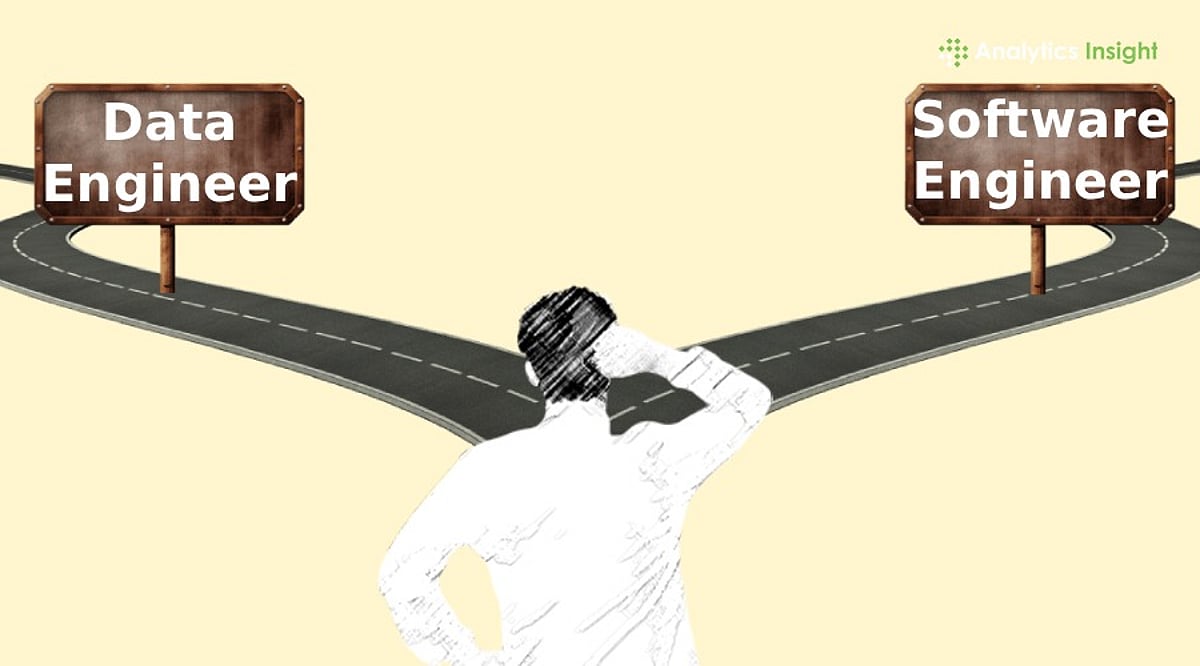
  • Data Engineer vs. Software Engineer 2026: Choose Your Ideal Tech Career Path

    Data Engineer vs. Software Engineer 2026: Choose Your Ideal Tech Career Path

    Artificial intelligence, cloud computing, and big data have reshaped the tech landscape, creating strong demand for skilled engineers across industries. Two of the most appealing career directions are Data Engineer and Software Engineer. While they share some similarities, the roles differ significantly: data engineers focus on making data easily accessible and ensuring smooth data flow, while software engineers concentrate on building products, applications, and the systems that support them. Understanding the differences can help you map out your future career path.

    What Sets Data Engineers and Software Engineers Apart?

    At first glance, both positions involve coding, cloud technologies, and collaboration with technical teams. However, their core responsibilities diverge:

    • Data Engineer: Builds systems that collect, store, process, and deliver data. Key tasks include developing data pipelines, optimizing databases, and ensuring data quality for business intelligence and machine learning.
    • Software Engineer: Develops software products that solve real-world problems—whether for banking, e-commerce, or enterprise solutions. The output is a usable product that people interact with.

    In short, data engineers build the infrastructure for data, while software engineers create the products that use data.

    Side-by-Side Comparison

    Aspect Data Engineer Software Engineer
    Primary focus Data infrastructure, pipelines, and quality Product development, applications, and systems
    Key technologies SQL, Python, ETL, Apache Spark, cloud services, data warehousing Algorithms, system design, frameworks, APIs, version control, cloud deployment
    Typical deliverables Data pipelines, databases, analytics platforms Web apps, mobile apps, enterprise software
    Industry demand High in analytics, cloud, AI-driven firms High across all sectors (fintech, healthcare, games, e-commerce)
    Salary outlook Competitive, often slightly higher in AI-focused companies Strong, with many specialization opportunities

    Technical Skills for Success

    Both roles require programming and problem-solving abilities, but the technical skill sets differ:

    Data Engineer

    • SQL, Python, data modeling, ETL processes
    • Distributed computing (Apache Spark)
    • Cloud platforms (AWS, Azure, GCP)
    • Data warehousing and real-time data processing

    Software Engineer

    • Programming languages (Java, Python, JavaScript)
    • Algorithms, system design, software architecture
    • Front-end and back-end frameworks
    • APIs, version control, CI/CD, DevOps
    • AI-driven development skills (increasingly valuable)

    Career Opportunities and Salary Outlook

    Both careers rank among the best-paid tech jobs. Data engineer demand is rising as companies invest in analytics and cloud systems, needing clean, scalable data. Software engineering remains one of the most versatile tech careers, with roles in fintech, healthcare, gaming, e-commerce, and more. Specialization is common and often leads to higher pay.

    Which Career Matches Your Interests?

    The right choice depends on the type of work you find most rewarding. If you enjoy working with databases, cloud computing, and data management tools, data engineering is a strong fit. If you are passionate about creating applications and solving software problems, software engineering may suit you better.

    Final Verdict

    Both specializations promise good salaries, abundant job opportunities, and exposure to modern technologies. The two paths are increasingly converging due to the importance of AI and cloud technologies. Learning to code, understanding cloud fundamentals, and following AI trends will benefit you regardless of your chosen career in 2026.

    FAQs

    1. Which career pays more: Data Engineer or Software Engineer? Both offer competitive salaries; experienced data engineers often earn slightly more in AI-driven and cloud-focused companies.
    2. Is Data Engineering harder than Software Engineering? Neither is harder; each requires different technical skills and domain expertise.
    3. Can a Software Engineer become a Data Engineer? Yes. Learning SQL, databases, cloud platforms, ETL tools, and big data technologies enables a smooth transition.
    4. Which career has better future prospects in 2026? Both have excellent prospects, fueled by AI, cloud computing, digital transformation, and enterprise software innovation.
    5. Which career is better for beginners? Software Engineering offers broader entry-level opportunities; Data Engineering suits those passionate about databases, analytics, and cloud infrastructure.