Tag: central banks

  • Global Gold Reserves: Top 7 Countries Holding the Most Bullion

    Global Gold Reserves: Top 7 Countries Holding the Most Bullion

    Global Gold Reserves: Top 7 Countries Holding the Most Bullion

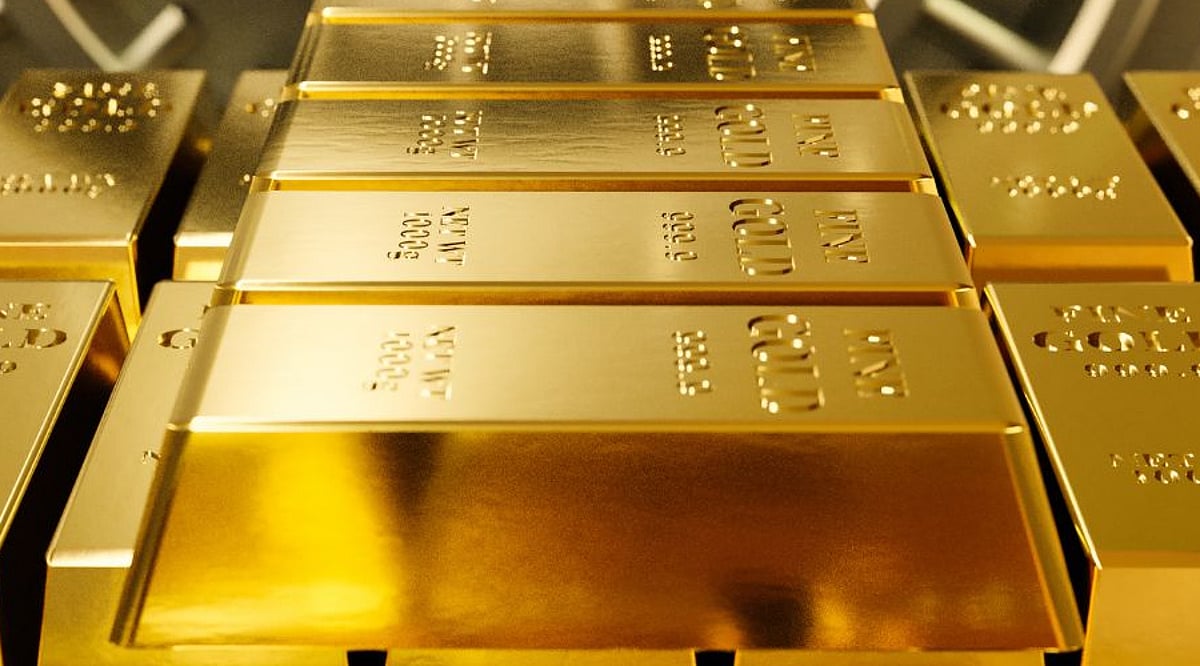
    Central banks around the world hold gold as a cornerstone of their foreign exchange reserves, providing stability and confidence in times of economic uncertainty. This article ranks the top seven countries by their official gold holdings, highlighting the sheer scale of these reserves and their significance in each nation’s financial strategy.

    1. United States – 8,133.5 Tonnes

    The United States holds the largest official gold stock in the world, with approximately 8,133.5 tonnes. This accounts for a staggering 81.4% of its foreign exchange reserves. Gold has been a long-term reserve asset for the U.S., reflecting its historical role as a pillar of the global financial system.

    2. Germany – 3,350.3 Tonnes

    Germany holds about 3,350.3 tonnes of gold, representing 81.0% of its foreign exchange reserves. The Bundesbank’s substantial gold holdings underline the country’s commitment to maintaining a robust and diversified reserve portfolio, making it one of the largest official gold holders globally.

    3. Italy – 2,451.8 Tonnes

    Italy ranks third with roughly 2,451.8 tonnes of gold, which constitutes 77.0% of its foreign exchange reserves. The Bank of Italy’s gold reserves are among the largest in the world, underscoring gold’s enduring importance as a monetary asset in the country’s financial framework.

    4. France – 2,437.0 Tonnes

    France holds approximately 2,437 tonnes of gold, making up 78.5% of its foreign exchange reserves. The Banque de France’s gold stock is a key component of the nation’s reserve assets, reflecting a long-standing tradition of gold accumulation among major European central banks.

    5. China – 2,366 Tonnes

    China’s official gold holdings stand at about 2,366 tonnes, but this represents only 8.0% of its massive foreign exchange reserves. This highlights the contrast between total gold tonnage and its proportion within the reserve mix, as China’s overall reserves are vast, with gold playing a relatively smaller but still significant role.

    6. Russia – 2,277 Tonnes

    Russia holds around 2,277 tonnes of gold, which accounts for 41.4% of its foreign exchange reserves. This relatively high share indicates gold’s strategic importance in Russia’s economic policy, especially as the country has steadily increased its gold purchases over the past decade.

    7. India – 880 Tonnes

    India rounds out the list with approximately 880 tonnes of gold, representing 16.8% of its foreign exchange reserves. The Reserve Bank of India’s gold holdings form a vital part of the country’s reserve assets, complementing its foreign currency and other reserve components, and reflecting gold’s cultural and economic significance in India.

    These figures underscore the enduring role of gold as a safe-haven asset and a key component of national financial security. As global economic conditions evolve, central banks are likely to continue relying on gold to diversify their reserves and mitigate risks.


  • Geopolitical Turmoil and Its Ripple Effects on Global Stock Markets

    Geopolitical Turmoil and Its Ripple Effects on Global Stock Markets

    Key Takeaways

    • Oil is the transmission channel: A prolonged energy disruption can raise costs, inflation, and pressure corporate profits.
    • Import-heavy economies face greater risks: Higher oil prices can weaken currencies, increase import bills, and hurt domestic demand.
    • The biggest danger is stagflation: Sustained geopolitical shocks can combine higher inflation with slower growth, complicating central-bank decisions.

    A fresh oil shock has put global stocks under pressure. Brent crude crossed USD 100 per barrel on September 9 after new U.S.-Iran military strikes and Houthi attacks on Saudi cities. Brent reached USD 100.95, its highest level since July 24.

    The Dow Jones fell 0.75%, the S&P 500 fell 0.30%, and the Nasdaq fell 0.35%. European stocks also lost ground, while gold rose 1.5% to USD 4,418 an ounce. These moves show how a geopolitical shock can reach stocks through oil, inflation, rates, trade and company profits.

    Oil Turns a Military Shock into a Market Shock

    Oil often gives the first signal after a major conflict. A threat to oil fields, ports or the Strait of Hormuz can cut supply or raise fear of a supply cut. Higher crude prices raise costs for airlines, transport firms, chemical makers and factories. Consumers can also face higher fuel and food costs.

    The current shock has a wider effect. The 10-year U.S. Treasury yield stood at 4.794% on September 9, close to a recent three-year high. Higher energy costs can lift inflation, while higher inflation can push central banks toward higher rates. Higher bond yields then put pressure on stock values, with growth stocks under more pressure than firms with strong cash flow.

    The Federal Reserve now faces a harder choice. About 70% of economists expect the U.S. central bank to hold rates at its next policy session meeting, yet confidence in that view has weakened since August. U.S. inflation data can shift that view fast. Markets also expect the Bank of Japan to raise rates on September 17–18.

    Import-Heavy Markets Face a Sharper Hit

    India offers a clear example. On September 9, the rupee fell past the 95-per-dollar mark as Brent moved above USD 100. Mumbai’s stock index fell about 0.9%. The Reserve Bank of India likely used foreign exchange action and swaps to support the rupee and manage local liquidity. The rupee closed at 95.1050 per dollar, while the one-year implied dollar-rupee yield reached 3.16%, a three-month high.

    A weaker currency can lift import costs, while higher rates can reduce demand for homes, cars and business credit. Foreign funds can also leave local markets when global risk appetite falls. The IMF has warned that commodity importers face a larger financial shock than stronger economies.

    The Bigger Risk Sits Between Inflation and Growth

    Geopolitical tensions do not always cause a long stock market decline. Markets can absorb a short conflict if oil prices fall back and trade routes stay open. The danger grows when a military crisis turns into a long energy shock.

    The IMF expects global growth at 3.1% in 2026 and 3.2% in 2027 under the assumption of a limited Middle East conflict. It also expects global inflation to rise modestly in 2026 before a decline in 2027. A longer conflict, deeper geopolitical division or fresh trade tensions could weaken growth and unsettle markets.

    The IMF’s April 2026 financial stability report points to higher energy costs, lower equity prices, higher bond yields, capital outflows, currency pressure and leverage at non-bank financial firms. It also flags high valuations in artificial intelligence stocks as a source of wider market stress.

    If oil returns below USD 100, inflation pressure may ease and stocks may regain ground. If oil stays above that level for a long period, central banks may keep rates high for longer, which can weaken stock values and business demand.

    What Matters Most for Global Stocks Now

    The Strait of Hormuz remains a key market risk. A long disruption could raise energy costs across Asia, Europe and other import-heavy regions. Freight and supply costs could also rise, which would add pressure to company margins and consumer prices. The IMF has warned that a prolonged conflict could weaken growth and raise inflation much more sharply.

    Gold has shown its role as a defensive asset, while the Japanese yen reached a seven-month high. The U.S. dollar index slipped to 98.65. These moves show that investors still seek protection, yet higher oil prices also create pressure on major economies.

    J.P. Morgan’s mid-year outlook remained constructive on equities if the energy shock stays manageable. The key risk sits where war meets inflation. A short conflict may create a sharp but limited market shock. A longer crisis could raise oil prices, lift inflation, force tougher central bank policy and slow economic growth at the same time. That chain can turn a geopolitical event into a broad financial problem.

    FAQs

    1. How do geopolitical tensions affect stock markets?

    They can increase oil prices, disrupt trade, weaken currencies, raise inflation and increase uncertainty, leading investors to reduce exposure to riskier assets.

    2. Why is a rise in oil prices bad for stocks?

    Higher oil prices increase operating and transportation costs for many companies and can reduce consumer spending, corporate margins and economic growth.

    3. Which economies are most vulnerable to an oil shock?

    Oil-importing economies are generally more exposed because higher crude prices increase import bills, inflationary pressure and currency risks.

    4. Why do higher oil prices affect interest rates?

    Expensive energy can push inflation higher. Central banks may therefore delay rate cuts or maintain tighter monetary policy, which can weigh on equity valuations.

    5. Can geopolitical tensions create a long-term stock market decline?

    Not necessarily. Markets can recover if the conflict remains contained and oil prices normalize. A prolonged energy or trade disruption poses a much greater risk to global growth and equities.

  • Central Banks Shift Reserves: Gold Gains Ground Over US Treasuries

    Central Banks Shift Reserves: Gold Gains Ground Over US Treasuries

    Central Banks Rethink Reserve Strategies

    Central banks worldwide are reshaping how they manage national reserves. For decades, US Treasuries were the go-to reserve asset, prized for safety, liquidity, and steady interest income. Gold held a secondary role, with most reserves parked in dollar-denominated instruments. That dynamic is now shifting.

    Over the past several years, gold has taken on a much larger role in reserve portfolios. While central banks still hold significant amounts of US Treasuries, many are accelerating gold purchases to build more balanced and resilient reserves. This strategic pivot reflects changing economic realities, geopolitical tensions, and a desire for long-term stability.

    Record Gold Buying Spree

    Central bank gold demand has surged to historic levels. Between 2022 and 2025, official gold purchases averaged roughly 1,000 tonnes annually—nearly double the 500-tonne average of the prior decade.

    The latest World Gold Council survey underscores this momentum. Nearly 89% of reserve managers expect global gold reserves to rise in the next 12 months, and 45% plan to increase their own gold holdings—the highest percentage ever recorded. Looking ahead, 83% foresee gold gaining a larger share of global reserves within five years, while 74% anticipate a decline in the dollar’s reserve share.

    Why Gold Is Gaining Favor

    Gold offers unique attributes that appeal to reserve managers in uncertain times. Unlike government bonds, gold carries no default risk and is not tied to any single country’s fiscal health or policies. This independence provides a safety net during economic stress or geopolitical upheaval.

    According to the World Gold Council survey, 90% of reserve managers value gold for its strong performance during financial crises. About 84% see it as a dependable long-term store of value, and 82% believe it enhances portfolio diversification. Geopolitical risk has also become a more prominent consideration in reserve decisions.

    Gold does have drawbacks: it generates no income, incurs storage costs, and can be volatile in the short term. Still, many central banks prioritize long-term stability over regular interest payments.

    US Treasuries Remain Relevant

    The rise in gold demand does not spell the end for US Treasuries. American government bonds still offer significant advantages, including regular interest income, deep liquidity, and the ability to support large transactions. Central banks can trade these securities quickly without major price disruptions.

    However, reserve managers are increasingly mindful of risks tied to inflation, interest rate fluctuations, rising US government debt, and geopolitical developments. These concerns are prompting many countries to spread reserves across a broader set of assets rather than concentrating in dollar-denominated securities.

    Diversification, Not Abandonment

    Commentary often frames this trend as a move away from the dollar, but the reality is more nuanced. Central banks are not dumping US Treasuries; most continue to hold substantial amounts while gradually expanding gold reserves.

    Many reserve managers allow the Treasury share to decline naturally as total reserves grow. New inflows often fund additional gold purchases rather than larger Treasury positions. This gradual approach creates a more diversified portfolio without disruptive market shifts.

    Leaders in the Shift: India, China, Poland

    Several countries exemplify this changing strategy. India has steadily increased gold reserves while trimming its US Treasury holdings, which recently fell to around $181 billion—the lowest in six years. The Reserve Bank of India has also ramped up regular gold purchases.

    China has expanded its reported gold reserves and developed a broader gold market, including additional bullion storage in Hong Kong and yuan-based gold trading, as part of efforts to reduce reliance on Western financial infrastructure.

    Poland has been one of the most aggressive buyers in 2026, acquiring 64 tonnes in the first five months alone. Other notable buyers include Kazakhstan, Singapore, and the Czech Republic, reflecting a broad global trend rather than a strategy limited to a few nations.

    A New Era for Global Reserves

    Gold prices have remained volatile in 2026, trading near US$4,043 per troy ounce after retreating from record highs. Despite this, central bank demand stays strong, supporting the long-term outlook.

    Recent data revisions suggest early-2026 gold purchases were slightly below initial estimates, but reserve managers remain confident in higher gold allocations ahead. The global reserve system is entering a new phase where gold serves as an essential pillar of security alongside US Treasuries, reflecting careful, gradual diversification rather than abrupt change.

    Frequently Asked Questions

    Why are central banks buying more gold?

    Gold provides long-term value, portfolio diversification, and protection during financial or geopolitical uncertainty.

    Are central banks selling all their US Treasuries?

    No. Most central banks still hold substantial US Treasuries while gradually increasing gold allocations.

    Which countries have increased gold reserves recently?

    India, China, Poland, Kazakhstan, Singapore, and the Czech Republic have reported notable gold purchases.

    Why do US Treasuries remain important?

    They offer liquidity, regular interest income, and access to one of the world’s largest government bond markets.

    What does this reserve shift mean for the global economy?

    It signals a move toward diversified reserve management, which could influence currency markets, international finance, and long-term economic stability.

  • Top Gold-Holding Nations in 2026: US Dominates as China and India Expand Reserves

    Top Gold-Holding Nations in 2026: US Dominates as China and India Expand Reserves

    Central banks worldwide continue to rely on gold as a cornerstone of financial stability, reserve diversification, and economic confidence. As of 2026, the United States maintains its commanding lead in official gold reserves, while China and India steadily build their holdings. Despite a slowdown in central bank purchases during the first half of the year, gold remains a trusted asset in global finance.

    United States Far Ahead

    The United States holds the largest official gold reserve in the world with 8,133.5 metric tons, representing about 83% of the country’s total foreign exchange reserves. No other nation comes close; the U.S. stock alone exceeds the combined holdings of Germany and Italy, the second and third largest holders. This position has remained virtually unchanged for decades.

    European Nations Hold Strong Positions

    Germany ranks second with 3,350.3 metric tons of gold, followed by Italy (2,451.8 metric tons) and France (2,437 metric tons). Gold forms more than 80% of the official reserves in all three countries. Combined, euro area reserves exceed 10,800 metric tons, surpassing any single nation’s holdings.

    Russia and China Build Strategic Strength

    Russia holds 2,313.4 metric tons (fifth place), while China follows closely with 2,304.7 metric tons according to the World Gold Council. The People’s Bank of China added about 15 metric tons in June 2026—the largest monthly increase since 2023—marking 20 consecutive months of purchases. This reflects a clear long-term strategy to diversify reserves and strengthen financial security.

    India Moves Higher

    India holds 880.5 metric tons of official gold, ranking eighth in the world. Gold accounts for roughly 18% of the country’s foreign exchange reserves. The Reserve Bank of India has steadily expanded its holdings in recent years. Indian households own far more gold than the central bank, making the country a major overall owner of the precious metal.

    Other Notable Holders

    Switzerland ranks seventh with 1,039.9 metric tons, Japan holds about 845.9 metric tons, and the Netherlands completes the top ten with approximately 634.7 metric tons. Reserve strategies vary: Switzerland uses gold as part of a balanced portfolio, while Japan keeps only a small share of its reserves in gold.

    Central Bank Confidence Remains Strong

    The World Gold Council reports that central bank purchases slowed sharply in the first half of 2026—only 57 metric tons in Q1 (the lowest in 15 years) and about 345 metric tons total in H1. Even so, central banks still account for nearly one-third of global gold demand. A 2026 survey found that 89% of reserve managers expect global gold reserves to rise in the next 12 months, and a record 45% expect their own institutions to increase holdings. Gold continues to offer stability, liquidity, and protection against financial and geopolitical risks.

    Frequently Asked Questions

    1. Which country has the largest gold reserves in 2026?

    The United States leads with 8,133.5 metric tons.

    2. Why do central banks hold gold?

    Gold provides financial stability, diversifies reserves, protects against economic uncertainty, and strengthens confidence in a country’s financial system.

    3. Which countries are in the global top five for gold reserves?

    The United States, Germany, Italy, France, and Russia hold the five largest official gold reserves.

    4. Has China increased its gold reserves in 2026?

    Yes, China continued adding gold during 2026 as part of its long-term reserve diversification strategy.

    5. Why is gold still important despite slower central bank purchases?

    Gold remains a trusted store of value, offering liquidity, stability, and protection during financial and geopolitical uncertainty.

  • Central Banks Accelerate Gold Purchases in 2026: Diversification, De-Dollarization, and Geopolitical Stability Drive Record Demand

    Central Banks Accelerate Gold Purchases in 2026: Diversification, De-Dollarization, and Geopolitical Stability Drive Record Demand

    Central banks worldwide continue to increase their gold reserves in 2026, signaling a major shift in how reserve managers protect national wealth. Gold is no longer merely a traditional safe asset; it is now viewed as a strategic reserve that bolsters financial stability during periods of global uncertainty.

    Key Takeaways

    • Central banks view gold as a strategic reserve that strengthens financial resilience during global uncertainty.
    • Diversification away from the US dollar is driving long-term growth in official gold holdings.
    • Strong central bank demand continues despite record gold prices, supporting the metal’s long-term outlook.

    Countries Look Beyond the US Dollar

    Many central banks now aim to reduce heavy reliance on a single reserve currency. Gold offers a valuable alternative since no government or financial institution controls its value. This feature gives central banks greater flexibility during periods of political or economic stress.

    Reserve managers also seek stronger protection against financial sanctions and changing global alliances. These concerns encourage many countries to expand gold reserves while keeping a balanced mix of reserve assets. The World Gold Council survey shows that many reserve managers expect the share of US dollar reserves to decline over the coming years while gold gains a larger role.

    Geopolitical Tensions Support Gold Demand

    Global conflicts and rising political tensions continue to shape reserve strategies in 2026. Trade disputes, regional wars, sanctions, and diplomatic disagreements create uncertainty across financial markets. Gold remains attractive during such periods since it carries no credit risk and no foreign issuer controls it.

    Central banks value this independence and continue to strengthen national reserves with additional gold. Analysts also expect geopolitical risks to remain one of the strongest long-term factors that support official gold demand.

    Gold Adds Balance to Reserve Portfolios

    Central banks usually hold foreign currencies, government bonds, and other financial assets. Gold adds another layer of protection that works differently from these traditional reserves. Government bonds depend on fiscal policy, interest rates, and currency performance. Gold often follows a different path during market stress, which helps create a more balanced reserve portfolio. This diversification reduces overall financial risk and improves reserve strength during uncertain periods.

    Rising Debt Raises Fresh Concerns

    Government debt continues to expand across many large economies. Higher debt levels create concerns about long-term fiscal stability and the future value of paper currencies. Central banks respond by increasing exposure to assets that carry no liability from another country. Gold fits this requirement since it exists as a physical reserve asset with lasting value. This quality makes gold an important part of long-term reserve planning as governments face rising borrowing needs and uncertain fiscal conditions.

    Official Purchases Stay Strong Despite High Prices

    Gold prices reached record levels during 2026, yet central banks continued to add more metal to their reserves. The World Gold Council initially estimated official gold purchases at 244 tonnes during the first quarter of 2026. It later revised the estimate to 57 tonnes following updates to reporting methodology and data classification. Poland and Uzbekistan led reported purchases during the quarter, while China also continued steady accumulation.

    Later analysis revised the first-quarter estimate to 57 tonnes after changes in data classification and reporting methods. The revised figures also showed that central banks and sovereign wealth funds purchased about 345 tonnes during the first half of 2026, which marked the lowest six-month total since 2022. Even with this revision, analysts still describe central banks as dependable long-term buyers that continue to support the gold market through structural demand rather than short-term market movements.

    Confidence in Gold Remains High

    Gold also strengthens confidence in a country’s financial position. Large gold reserves signal strong reserve quality and improve trust in national balance sheets. Many central banks now store more gold within their own borders to strengthen control over strategic reserves. This approach reflects a wider effort to improve financial resilience during uncertain times. Gold also offers high liquidity, which allows central banks to access value quickly whenever financial markets face stress.

    Why This Matters

    The gold reserves of central banks are major contributors to global financial stability, currency confidence, and investment patterns. The increase in official demand showcases a big change in the management of reserves and priorities in the global economy. This development influences gold prices, foreign reserves, and other financial markets.

    Gold Will Remain a Strategic Reserve Asset

    Central bank demand for gold reflects long-term planning rather than short-term price movements. Reserve managers continue to value gold for its independence, liquidity, stability, and ability to strengthen national reserves. Recent revisions in quarterly purchase data highlight the difficulty of tracking official buying rather than any loss of confidence in gold. The latest surveys, market data, and analyst views all point toward one clear conclusion: Gold will continue to hold a central place in global reserve management as countries prepare for a more uncertain financial and geopolitical landscape.

    FAQs

    1. Why are central banks buying more gold in 2026? They are increasing gold reserves to diversify assets, reduce reliance on the US dollar, and strengthen financial stability amid geopolitical and economic uncertainty.
    2. Does higher gold buying mean countries are abandoning the US dollar? Not entirely. Most central banks are diversifying their reserves rather than replacing the dollar completely.
    3. Why is gold considered a strategic reserve asset? Gold has no credit risk, is highly liquid, retains long-term value, and is not controlled by any single government.
    4. Are central banks still buying gold despite record prices? Yes. Although first-quarter estimates were revised, central banks remain consistent long-term buyers driven by strategic objectives rather than short-term price movements.
    5. How does central bank gold buying affect investors? Strong official demand can support long-term gold prices and reinforces gold’s role as a safe-haven asset during periods of market uncertainty.
  • FTSE 100 Reaches All-Time High as Earnings and Energy Stocks Fuel July Rally

    FTSE 100 Reaches All-Time High as Earnings and Energy Stocks Fuel July Rally

    London’s FTSE 100 surged to a new intraday record on Friday, propelled by robust corporate earnings and gains in energy and mining stocks. The benchmark index climbed 0.5% to 10,947.73 points by 1003 GMT, marking its strongest monthly performance since February. The mid-cap FTSE 250 also advanced 0.4% during the session.

    Investors focused on a wave of corporate results, following a week that included key central bank decisions and ongoing geopolitical tensions in the Middle East. Strong earnings from several UK-listed companies buoyed market sentiment.

    Mining and Energy Stocks Lead Gains

    Mining shares were the top performers on Friday, with industrial metal miners jumping 2.1% as copper prices rose. Precious metal miners added 0.9%. Energy stocks also provided significant support, with the sector gaining over 15% in July, making it one of the strongest on the index. Heavyweight energy companies added 1.4% on Friday despite oil prices dipping below $90 per barrel, as concerns over potential fuel supply disruptions linked to US-Iran tensions kept the sector in focus.

    Banking Sector Boosted by NatWest Results

    Banking stocks contributed to the broader market recovery. NatWest shares climbed 4.3% after the lender reported first-half operating profit before tax of £4.3 billion ($5.8 billion) and raised its full-year outlook. The positive update lifted the financial sector.

    Corporate Earnings Drive Investor Activity

    UK companies continued to release quarterly and half-year results, with investors closely monitoring earnings and economic data. IG Group shares fell 10.2% after the company agreed to acquire US daily fantasy sports and prediction markets operator Underdog for up to $1.3 billion. In contrast, Sainsbury’s shares rose 2.5% following the sale of Argos for at least £120 million ($161 million). Airline group IAG also reported results, with analysts noting cost controls and lower-than-expected fuel expenses supported its performance.

    Central Bank Decisions and Global Markets

    The market moves followed decisions from the Federal Reserve and the Bank of England, both of which kept interest rates unchanged. The Fed offered limited guidance on future rate adjustments, while the BoE saw three policymakers vote against the decision, more than the expected two. Additionally, strong gains in US technology shares improved global market sentiment.

    The FTSE 100 ended the week supported by earnings updates, commodity-linked sectors, and ongoing attention to global economic developments.

  • The Hidden Inflationary Risks of Central Bank AI Spending

    The Hidden Inflationary Risks of Central Bank AI Spending

    Massive investments in artificial intelligence are reshaping global economies, but they also carry hidden risks for central banks. As governments and corporations pour billions into AI infrastructure—chips, data centers, energy, and skilled labor—these spending surges are creating powerful demand pressures that could stoke inflation before any productivity benefits materialize.

    Central banks face a difficult policy dilemma. They must balance the promise of AI-driven growth against the risk of overheating economies. Prematurely restricting investments could stifle future productivity gains, but ignoring inflationary signals could destabilize prices. The challenge is compounded because AI’s productivity improvements may take years to emerge, while the costs are immediate.

    Financial markets are increasingly tied to AI optimism. Stock valuations and investor sentiment now hinge on AI companies’ performance, raising systemic risks if returns fall short. Meanwhile, corporate debt levels are climbing as firms borrow heavily to fund AI infrastructure. If demand slows or investments underperform, this debt could trigger financial stress.

    Energy demand is another concern. AI data centers require enormous electricity supplies, potentially driving up energy prices and adding to inflationary pressures. This creates a feedback loop where AI spending itself becomes a source of cost increases.

    Traditional economic models may prove unreliable in this new landscape. Rapid technological change is disrupting historical relationships between productivity, employment, inflation, and growth. Policymakers can no longer rely on conventional indicators alone. They must now monitor AI investment levels, market concentration, infrastructure spending, and corporate debt alongside standard metrics.

    Central banks need to develop new tools to track these hidden systemic risks. The era of AI-driven economies demands a broader, more dynamic approach to monetary policy—one that accounts for the unique pressures of technological transformation.

  • The Complex Web of Control Behind the World’s Gold Market

    The Complex Web of Control Behind the World’s Gold Market

    No single government, institution, or investor controls the world’s gold market. Instead, prices and supply are shaped by multiple stakeholders, including central banks, bullion banks, mining companies, commodity exchanges, and investors. Their collective actions determine how gold is traded, valued, and stored across international markets every day.

    Central Banks Hold the Biggest Influence

    Central banks are the largest owners of gold reserves worldwide. Countries such as the United States, China, Germany, Russia, Italy, and France maintain significant holdings. Their buying and selling decisions influence investor confidence, market sentiment, and long-term gold prices, making them among the market’s most influential participants.

    London and New York Set the Trading Pulse

    Most global gold trading takes place through London’s over-the-counter bullion market and New York’s COMEX futures exchange. While London dominates physical bullion transactions, COMEX drives price discovery through futures contracts. Together, these financial hubs shape daily benchmark prices followed by traders and investors across the world.

    Bullion Banks Keep the Market Moving

    Major international bullion banks connect central banks, mining companies, refiners, and institutional investors. They provide liquidity, store physical gold, facilitate trading, and manage price risks through hedging. Their operations ensure that global gold transactions remain efficient and that markets function smoothly under changing economic conditions.

    Mining Companies and Consumer Demand Matter

    Gold mining companies determine the amount of new gold entering global markets each year. Meanwhile, strong jewellery and investment demand from China and India significantly affects consumption. Supply disruptions, increased mining costs, or rising consumer demand can tighten markets and support higher gold prices over time.

    Investors Drive Short-Term Price Swings

    Institutional investors, hedge funds, exchange-traded funds (ETFs), and retail buyers influence short-term gold prices through buying and selling activity. Economic uncertainty, inflation, geopolitical tensions, and changing interest rates often trigger increased investment in gold, reinforcing its reputation as a safe-haven asset during volatile periods.

    Gold is Controlled by Market Forces, Not One Entity

    The world’s gold market operates through a complex network rather than a single authority. Central bank reserves, trading exchanges, bullion banks, mining output, investor sentiment, and global demand work together to determine prices. Ultimately, gold remains a globally traded asset shaped by economics, finance, and geopolitical developments.