
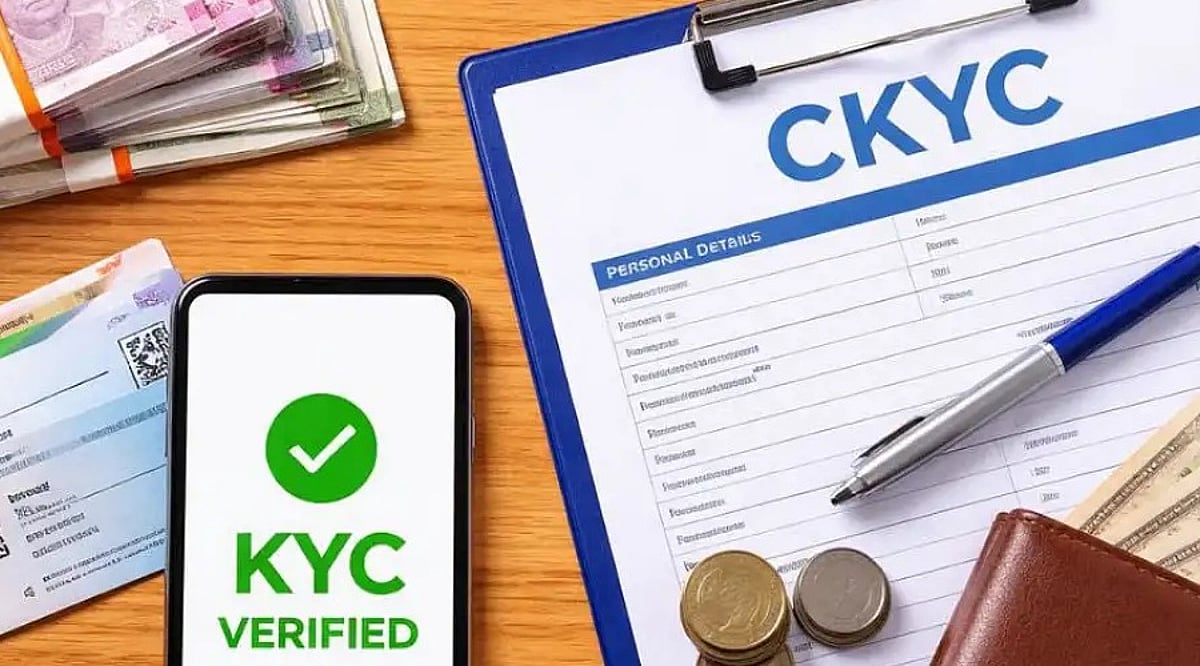
The Central Know Your Customer (CKYC) Number is revolutionizing the way Indians access banking and financial services. This unique 14-digit identifier stores verified KYC records in a single centralized registry, eliminating the need to repeatedly submit documents like PAN, Aadhaar, and address proof when opening accounts or applying for financial products.
What Is the CKYC Number?
Issued under the Central KYC Records Registry (CKYCR), the CKYC Number acts as a permanent ID linked to an individual’s verified identity documents. Once a bank, NBFC, mutual fund, or insurance company completes the initial KYC process, the verified data is uploaded to the central database. With the customer’s consent, any other regulated financial institution can access the same record, making subsequent verifications instant and paperless.
Key Benefits
The CKYC system dramatically cuts down on paperwork and reduces account opening times from days to minutes. It also enhances security by ensuring that only authenticated records are used across institutions. For customers, this means faster access to banking, loans, insurance, and investments without the hassle of submitting the same documents repeatedly.
How to Find Your CKYC Number
According to the Reserve Bank of India (RBI), customers can obtain their CKYC Number by contacting their bank, giving a missed call to 7799022129, or visiting the official CKYC portal. The central bank continues to promote financial awareness through its campaign, “RBI Kehta Hai, Jaankar Baniye, Satark Rahiye” (RBI Says, Be Informed, Stay Alert).
Experts view the CKYC framework as a major step toward a more efficient and secure financial ecosystem in India. By centralizing KYC records, it benefits both consumers and institutions, paving the way for smoother digital transactions and broader financial inclusion.