
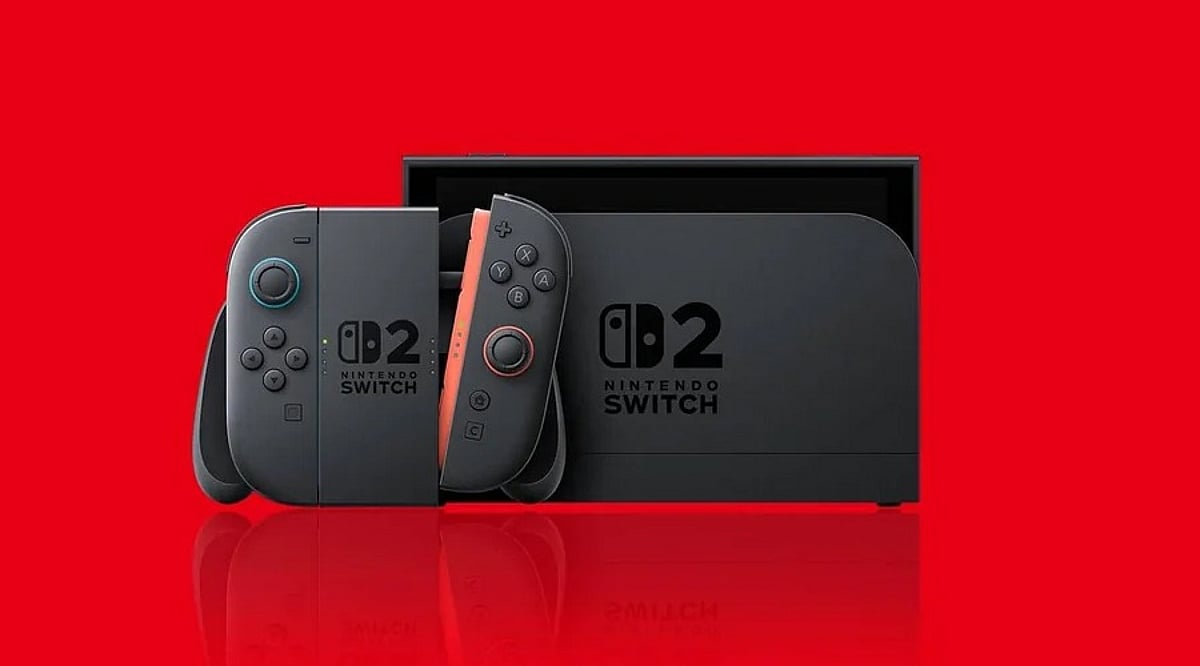
Nintendo has filed a motion in a U.S. court to dismiss a lawsuit demanding refunds for Switch 2 buyers following adjustments to import tariffs. The company argues that customers are not legally entitled to refunds because it never promised price reductions if tariffs changed.
The lawsuit, initially filed in April 2026 by two consumers in California and Washington, claims Nintendo used tariff refunds to grow the company instead of returning the extra charges to gamers. The dispute stems from price hikes on Switch 2 controllers and the original Switch after U.S. tariffs were imposed—tariffs later declared illegal by the Supreme Court.
In its legal filing, Nintendo stated it did not assure customers that the console’s price would fluctuate with tariff changes. “Customers knew the price before placing their orders and chose to buy the console at that amount,” the company said, emphasizing there are no legal grounds for refunds.
Background of the Lawsuit
The controversy began during the Switch 2 pre-order period. Nintendo delayed U.S. pre-orders to assess tariff impacts, but when orders opened, the console price remained unchanged—though the controller cost $5 more. After tariffs were overturned, Nintendo reportedly secured refunds on those duties, prompting the lawsuit.
Plaintiffs Gregory Hoffert and Prashant Sharan seek class action status for all U.S. purchasers of price-hiked Nintendo items between February 1, 2025 and February 24, 2026. Nintendo CEO Shuntaro Furukawa previously stated the company views tariffs as a cost factor and incorporates them into pricing.
Broader Implications
The case raises a fundamental question for businesses: when a company saves money from reduced tariffs, must it lower prices for customers? Legal experts note that in most cases, companies are free to set their own prices unless they made explicit promises or violated consumer protection laws. Lower costs do not automatically translate to lower retail prices.