
Tag: cloud gaming

  • In-Car Gaming: How Connected Entertainment Is Transforming Vehicles

    In-Car Gaming: How Connected Entertainment Is Transforming Vehicles

    In-car gaming is turning parked cars into new entertainment spaces. With large screens, internet access, smartphones, and controllers, modern vehicles can offer games during charging stops, breaks, and long trips.

    Overview

    In-car gaming allows people to play video games inside a vehicle using built-in displays, smartphones, controllers, or cloud gaming services. The feature is most useful when the car is parked or when passengers want entertainment during a journey. Modern cars already have many of the tools needed for gaming: large displays, internet connections, Bluetooth, powerful processors, and smartphone support. This technology can transform the car screen into more than just a tool for maps and music.

    Electric vehicle charging is a key use case for in-car gaming. Drivers often spend time waiting for their vehicle to charge, providing a perfect opportunity to play a quick game or watch entertainment.

    How In-Car Gaming Works

    There is no single way to play games inside a car. The setup depends on the vehicle and the technology offered by the automaker. A basic system connects a smartphone to the car’s display, where the phone runs the game and the vehicle screen mirrors it. More advanced setups use the car’s own computer to run games directly.

    Cloud gaming offers another potent option. In this setup, the game runs on a remote server, and video is streamed to the car over the internet while player controls are sent back. This reduces the need for expensive gaming hardware inside the vehicle and gives users access to more games without downloading large files.

    Some automakers have already tested gaming features. Tesla offers games through its in-car screen, and other brands have explored gaming as part of their entertainment systems. A large screen and a physical controller can make the experience far more enjoyable than playing on a phone, especially for racing, sports, and action games.

    The biggest issue is safety. Drivers cannot play games while driving, so gaming features are typically limited when the car is parked. Automakers must ensure the system knows whether the vehicle is stationary or moving to keep the driver focused on the road.

    The Future of Connected Entertainment

    In-car gaming can be part of a much larger shift in how people use their vehicles. Cars are becoming connected devices, and entertainment can be a major feature. Passenger entertainment is an obvious sector: people in the back seat can play games, watch films, or connect their own devices. Families on long trips can stay entertained without everyone using a phone.

    Cloud gaming will play a bigger role as mobile networks improve, reducing delays and enhancing picture quality. The car could eventually connect with a person’s existing gaming setup, allowing them to start a game at home, continue on a phone, and later use the car’s screen while parked.

    Artificial intelligence may add another layer. An in-car assistant could help users find games, change settings, suggest entertainment, or manage connected services. The main challenge is ensuring these features do not distract the driver.

    Cost is another factor. Premium cars may get advanced entertainment systems first, while cheaper vehicles may rely more on smartphone connections. Internet charges and subscriptions will also affect how widely these services are used.

    The gaming experience itself must match how people use cars. Someone waiting for 15 minutes may not want to start a game that takes an hour. Short races, puzzles, sports games, and other quick experiences make more sense.

    Cars Could Become the Next Entertainment Screen

    In-car gaming is growing, but the basic technology is already available. Modern vehicles have large displays, internet connections, computer systems, and smartphone support, giving automakers a strong foundation for connected entertainment. Gaming inside a car won’t replace consoles, PCs, or phones, but it offers another option for people who spend time inside their vehicles. If companies balance safety, usability, and content, cars will become more than transport—they will be an extension of the connected entertainment experience.
  • Cloud Gaming Decoded: How Streaming Works and What’s Next

    Cloud Gaming Decoded: How Streaming Works and What’s Next

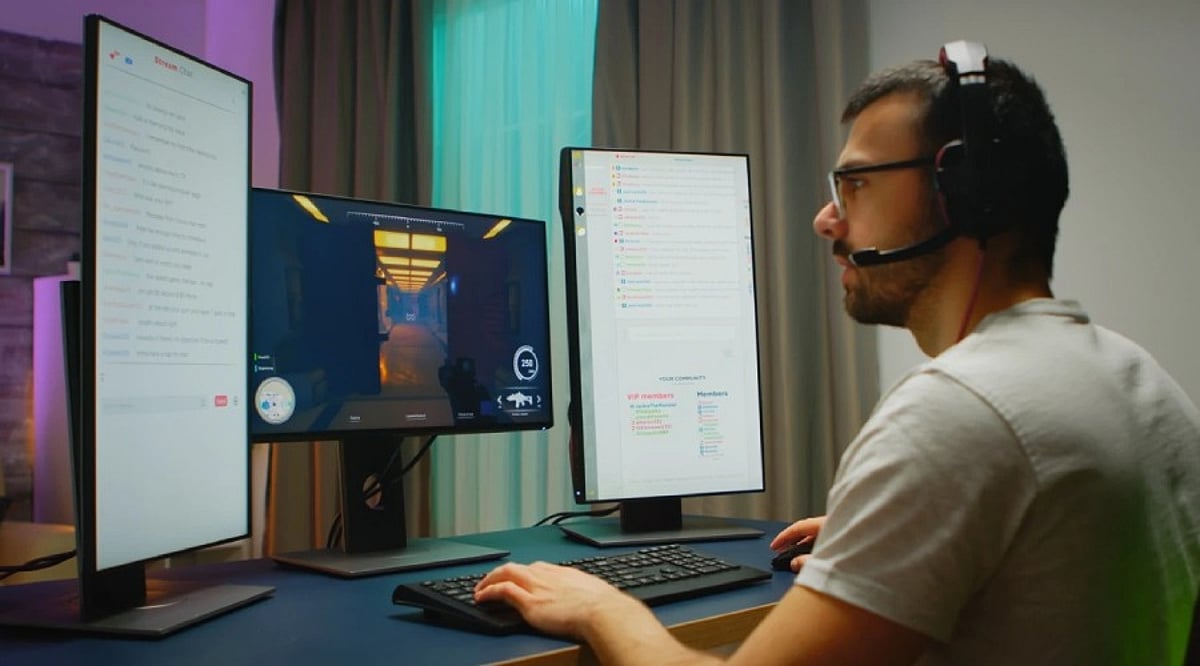
    Cloud gaming is transforming how players access video games, removing the need for expensive hardware and massive downloads. Instead of running a game locally on a PC or console, the game executes on remote servers, with the gameplay streamed directly to your device over the internet. All you need is a compatible screen and a stable connection—whether it’s a laptop, smartphone, tablet, or smart TV.

    How Cloud Gaming Works

    The process begins in a data centre, where powerful servers host the game. These machines handle all the heavy lifting—rendering graphics, processing physics, simulating lighting, and managing sound. Once the game is running, the server encodes the visual output into a video stream and sends it to your device. When you press a button, your command travels back to the server, which processes it and updates the stream accordingly. This entire loop repeats continuously while you play.

    Latency, or the delay between your input and the on‑screen response, is critical. A slow or unstable internet connection can introduce noticeable lag, making it difficult to react quickly in competitive games. For a smooth experience, NVIDIA recommends a delay under 80 milliseconds and a network speed of at least 25 Mbps for 1080p gaming at 60 frames per second. The physical distance to the server also matters—the closer you are, the faster your commands travel, which is why providers are expanding their data centre footprints globally.

    The Hardware Shift

    Cloud gaming fundamentally challenges the traditional notion that playing high‑end games requires a powerful local machine. A demanding AAA title can occupy over 100 GB of storage and demand a top‑tier graphics card—a cost barrier for many. With cloud gaming, the game lives in the cloud, so even a basic laptop can stream visually intensive experiences. This accessibility has sparked significant growth in the market, estimated at USD 3.4 billion in 2025 and projected to surge to USD 62.9 billion by 2033, with a compound annual growth rate of 43.7%.

    Key Players and Limitations

    Microsoft’s Xbox Cloud Gaming and NVIDIA’s GeForce NOW are the frontrunners, letting users stream games across a variety of devices. Xbox Cloud Gaming works on consoles, PCs, mobiles, and select smart TVs, while GeForce NOW focuses on PC titles, allowing subscribers to play on hardware they already own. Despite these advancements, cloud gaming isn’t without its challenges. A poor internet connection can degrade the experience, and for esports or latency‑sensitive games, even a few milliseconds of added delay can be a deal‑breaker for some players. Many gamers still prefer the stability and responsiveness of local hardware.

    What’s Next

    As broadband infrastructure improves and 5G becomes more widespread, cloud gaming is likely to evolve from a niche into a mainstream option. The technology won’t necessarily replace local gaming, but it offers a convenient alternative—one that lets you play the latest titles without upgrading your PC or console. The future will likely see a hybrid model, where players switch between local and cloud gaming depending on the game, their device, and their connection. With companies investing heavily in data centres and services, cloud gaming is poised to reshape how we think about access to games.

  • Next-Gen Gaming Hardware: AI GPUs, OLED Displays, and Modular PCs Leading the Way

    Next-Gen Gaming Hardware: AI GPUs, OLED Displays, and Modular PCs Leading the Way

    The Future of Gaming Hardware: Innovations That Are Redefining Play

    The gaming industry is undergoing a hardware revolution. From artificial intelligence-powered graphics processors to sustainable manufacturing, cutting-edge technologies are transforming how we play, compete, and experience virtual worlds. Here are the most significant innovations shaping the future of gaming hardware.

    AI-Powered GPUs

    Graphics processors are increasingly integrating artificial intelligence to deliver faster rendering, improved frame generation, enhanced ray tracing, and superior overall gaming performance. AI-driven features such as NVIDIA DLSS and AMD FSR boost frame rates without sacrificing visual quality, making high-fidelity gaming more accessible.

    Next-Generation CPUs

    Modern gaming processors feature more cores, smarter scheduling, and higher efficiency. These CPUs handle demanding games alongside multitasking and content creation workloads with ease, ensuring smooth performance even in the most intensive scenarios.

    OLED Gaming Monitors

    Advanced OLED displays offer deeper contrast, faster response times, vibrant colors, and smoother gameplay. Whether you’re a competitive esports player or a casual gamer, OLED technology enhances immersion by delivering true blacks and vivid visuals.

    PCIe Gen6 SSDs

    Ultra-fast storage drastically reduces loading times, accelerates game installations, and improves performance for increasingly demanding open-world gaming experiences. PCIe Gen6 SSDs bring data transfer speeds that make game worlds load almost instantaneously.

    AI Gaming Accessories

    Gaming keyboards, mice, and headsets now incorporate artificial intelligence for personalized controls, adaptive sound profiles, and improved competitive performance. AI-driven accessories learn your preferences and adjust settings in real time to give you an edge.

    Wireless VR Systems

    Next-generation virtual reality headsets eliminate cables while delivering higher resolution, lower latency, and greater comfort. Wireless VR enables immersive gaming experiences anywhere, without the hassle of tethered connections.

    Cloud Gaming Devices

    Dedicated cloud gaming hardware allows instant access to high-quality games through fast internet connections, removing the need for expensive local computing components. Services like Xbox Cloud Gaming and GeForce NOW are leading this shift.

    Modular Gaming PCs

    Future gaming desktops emphasize modular upgrades, enabling users to easily replace components, improve performance, and extend hardware lifespan with minimal effort. This approach reduces e-waste and keeps systems up to date.

    Sustainable Gaming Hardware

    Manufacturers increasingly adopt recyclable materials, energy-efficient components, and environmentally responsible production methods. From biodegradable packaging to low-power chips, sustainability is becoming a core design principle in gaming hardware.

    This article was originally published by Analytics Insight. Join our WhatsApp Channel to get the latest news, exclusives, and videos.

  • Microsoft Rolls Out Ad-Supported Xbox Cloud Gaming Trial for Insiders

    Microsoft Rolls Out Ad-Supported Xbox Cloud Gaming Trial for Insiders

    Microsoft has officially begun testing advertisements within Xbox Cloud Gaming, rolling out the trial to a select group of Xbox Insiders. The initiative, which launched on July 23, allows Insiders with an Xbox account to stream games they already own for free in exchange for watching ads. Crucially, Microsoft has confirmed that ads will only appear before a gaming session begins — never during gameplay or while waiting in a queue.

    In an official blog post, Microsoft acknowledged that advertising has been part of the gaming industry for decades. The company stated, “When done well, advertising can help lower the cost of access. It creates another way for players to get into games without an upfront streaming purchase and expands audiences through new ways to play.”

    Under the current model, Insiders will view a short block of ads before each stream starts, then enjoy an uninterrupted hour of gameplay. Microsoft emphasized that player experience remains the top priority, and ads will be clearly labeled and held to the same quality standards as Xbox content.

    How This Differs from Competitors

    Many mobile games interrupt gameplay with ads, a practice that often frustrates users. Microsoft’s approach is notably different. Competitors like PlayStation Plus Cloud Streaming, NVIDIA GeForce NOW, and Amazon Luna rely primarily on subscription fees. By placing ads outside of gameplay rather than requiring every player to pay upfront, Microsoft is experimenting with a model that could lower the barrier to entry for cloud gaming.

    The success of this strategy will hinge on player reception. If Microsoft keeps its promise of uninterrupted gameplay and the ad load remains minimal, this ad-supported model could become a viable way to bring cloud gaming to a much broader audience.

    For now, the trial is exclusive to Xbox Insiders. The company has not announced plans for a wider rollout, but early feedback will likely shape the future of Xbox Cloud Gaming’s monetization.

  • How Reward-Based Platforms Are Making Online Gaming Accessible Every Day of the Year

    How Reward-Based Platforms Are Making Online Gaming Accessible Every Day of the Year

    Modern reward-based online gaming communities are leveraging cutting-edge technologies and flexible motivation programs to eliminate traditional economic and geographic barriers. These ecosystems operate continuously throughout the year, ensuring high-quality gaming content is available to players worldwide.

    The digital transformation has turned video games from a luxury requiring expensive hardware into a widely accessible activity. A key driver of this shift is the explosive growth of reward-based gaming platforms. Their innovative hybrid business models and cross-platform structures have redefined how people perceive and engage with online entertainment.

    Dismantling Financial Barriers in Digital Entertainment

    In the past, premium gaming demanded costly hardware and subscription fees. Reward-based systems have changed this by introducing digital assets that replace money with active participation. Players can earn premium tokens, in-game assets, or platform access through engagement. Mechanics like free kredit 365 provide perpetual equity, allowing users to experience premium levels without spending their own funds. This financial freedom makes gaming accessible to those who previously could not afford it.

    The Technological Architecture Enabling Universal Access

    Year-round, accessible gaming relies on a solid stack of cloud infrastructure and cross-platform compatibility. Modern ecosystems handle hardware fragmentation, ensuring the same game version runs smoothly on budget phones, tablets, and older PCs.

    • Cloud Infrastructure: Offloads rendering to remote servers, enabling low-end devices to display high-quality visuals.
    • Unified API Frameworks: Synchronize rewards, identity verification, and cross-progression data in real time across operating systems.
    • Adaptive Security Measures: Protect in-game economies and ensure reliable token distribution.
    • AI-Driven Accessibility Services: Dynamically adapt interfaces with audio descriptions, adjustable text scaling, and customized input profiles.

    Psychological Drivers and Engagement Mechanics

    Behavioral psychology principles, particularly variable positive reinforcement, sustain these reward-based ecosystems. Platforms create clear, achievable progression paths, transforming repetitive play into a motivating experience. Daily challenges, leaderboards, and milestone rewards engage the drive for achievement. These tangible or universal rewards encourage players to feel their time is valued, shifting passive consumption into active participation.

    Continuous Availability: Redefining the Entertainment Calendar

    Traditional entertainment distribution is limited by seasons, geography, and time zones. Cloud-based incentive platforms eliminate these constraints by running a continuous global schedule. Automated systems ensure 24/7 operations with matching algorithms, payout verification, and live support. This constant accessibility is crucial for gamers with irregular schedules across different time zones.

    Inclusive Design of Interfaces

    Accessibility goes beyond affordability—it encompasses physical, sensory, and cognitive needs. Reward systems now employ universal design principles from the start. Many platforms feature haptic feedback, color blindness filters, text scalability, and voice-activated menus, removing physical and visual barriers to gaming.

    Conclusion

    The transition to reward-oriented online architecture marks a major breakthrough in digital entertainment. By combining cloud technologies, adaptive interfaces, and intuitive entry points, these platforms have created an open, inclusive global ecosystem. Features like free kredit 365 maintain constant engagement without upfront financial hurdles. As these technologies mature, barriers between casual players and high-tier digital spaces will continue to fade, ensuring secure, rewarding, and accessible entertainment for everyone, every day of the year.

  • NVIDIA GeForce NOW Cloud Gaming Launches in India: Play Steam and Epic Games on Any Device

    NVIDIA GeForce NOW Cloud Gaming Launches in India: Play Steam and Epic Games on Any Device

    NVIDIA has officially launched GeForce NOW in India, bringing cloud gaming to millions of users who want to play high-end PC games without investing in expensive hardware. The service streams supported titles from popular platforms like Steam, Epic Games Store, Ubisoft Connect, and Xbox directly to a user’s device, processing the game on NVIDIA’s servers and delivering it over the internet.

    This launch allows players to access their existing game libraries without repurchasing titles. NVIDIA has confirmed that over 5,000 games, including many free-to-play options, will be supported at launch. The service eliminates the need for large downloads or updates, as games run on cloud servers, enabling users to start playing almost immediately on older laptops, tablets, or basic computers.

    GeForce NOW offers several subscription tiers in India. The Performance membership is priced at Rs. 999 per month, while the Ultimate membership costs Rs. 1,999 per month. For those who want to test the service before committing, day passes are available at Rs. 399 for the Performance tier and Rs. 799 for the Ultimate tier.

    The arrival of GeForce NOW could reshape how people shop for laptops. With cloud gaming, a thin, lightweight office laptop with a good internet connection may be sufficient for both work and gaming, reducing the need for costly gaming laptops. Tablets might also become more appealing to casual gamers who prefer a larger screen without carrying heavy equipment.

    Gaming cafés may need to adapt as cloud gaming gains traction. While fewer players may visit cafés solely for powerful computers, these venues can pivot toward esports events, tournaments, and social gaming experiences that cloud services cannot replicate. Cafés could become community hubs where gamers meet, compete, and enjoy fast internet connections.

  • Rising Hardware and Software Costs: Is Gaming Becoming a Luxury Hobby?

    Rising Hardware and Software Costs: Is Gaming Becoming a Luxury Hobby?

    Gaming has long been one of the most cost-effective forms of entertainment, with a single title offering months of enjoyment and hardware staying relevant for years. However, that balance is shifting. Soaring hardware prices, premium accessories, and rising game costs are forcing consumers—and the industry—to confront a pressing question: Is gaming becoming a luxury rather than an everyday hobby?

    Hardware Upgrades Come with Higher Price Tags

    Each new generation of consoles and graphics cards delivers faster processors, superior graphics, larger storage, and improved cooling. But these advances come at a cost. Launch prices for the latest consoles and premium GPUs have steadily climbed. Building a mid-range gaming PC today costs significantly more than just a few years ago, as higher-quality components like DDR5 RAM, SSDs, and powerful power supplies drive up expenses.

    Premium Positioning Becomes a Trend

    Major gaming brands now position their products as premium consumer electronics rather than simple entertainment devices. Limited-edition hardware, bundles, and high-end peripherals—such as custom controllers and headsets—create higher-tier product lines that encourage customers to spend more for added value.

    Real Cost Extends Beyond the Console

    The initial purchase of a console or gaming PC is only the beginning. Gamers often invest in multiple controllers, gaming headsets, mechanical keyboards, high-refresh-rate monitors, external storage, and streaming gear. Subscriptions for online multiplayer, cloud gaming services, and digital game libraries add ongoing costs, making an apparently affordable rig far more expensive once fully equipped.

    Games Themselves Are Becoming More Expensive

    Major publishers have raised launch prices for blockbuster titles, driven by ballooning budgets for open-world worlds, cinematic storylines, and high-end graphics. This is not a one-time expense: downloadable content, battle passes, and seasonal cosmetic additions encourage continual spending throughout a game’s lifecycle. For dedicated players, gaming is becoming a constant stream of payments.

    Players Are Finding Smarter Ways to Save

    Rather than abandoning the hobby, consumers are adapting. Many wait for sales, buy refurbished or pre-owned hardware, or choose physical disc versions that can be resold. Cloud gaming services now allow players to stream high-end titles on modest hardware, while indie developers offer high-quality games at a fraction of the cost of major blockbusters.

    Accessibility Remains the Industry’s Biggest Challenge

    Historically, gaming has welcomed players regardless of income. But rising costs may change that. Students and first-time buyers may delay upgrades, families may skip new releases, and casual gamers may turn to mobile games or subscription services rather than expensive equipment. This could shrink player communities and push publishers to rely more heavily on established franchises.

    Defining Moment for the Gaming Industry

    The future of gaming hinges on balancing technological innovation with affordability. Consumers still demand speed, realism, AI-driven features, and immersion—all of which require robust hardware and extensive R&D. Competitively priced consoles, budget-friendly PC components, improved cloud streaming, and flexible subscription plans may be key to keeping gaming accessible for the masses.

    If hardware and software costs continue to outpace household incomes, gaming will indeed become a luxury activity. The industry’s greatest challenge is to make cutting-edge experiences available to as many people as possible.

    FAQs

    1. Why are gaming hardware prices increasing? Advanced technology, premium components, higher manufacturing costs, and flagship positioning have collectively pushed prices higher across markets.
    2. Are gaming PCs more expensive than consoles? Generally, gaming PCs require larger investments, especially with premium graphics cards, processors, memory, storage, and peripherals.
    3. How can gamers reduce expenses? Buying during sales, choosing refurbished hardware, subscribing to services, and exploring indie games help reduce costs.
    4. Is cloud gaming a cheaper alternative? Yes, cloud gaming reduces hardware investment by streaming games, making modern titles accessible without expensive systems.
    5. Will gaming become a luxury hobby? Gaming remains accessible for many, but rising hardware, software, and subscription costs make premium gaming increasingly expensive.