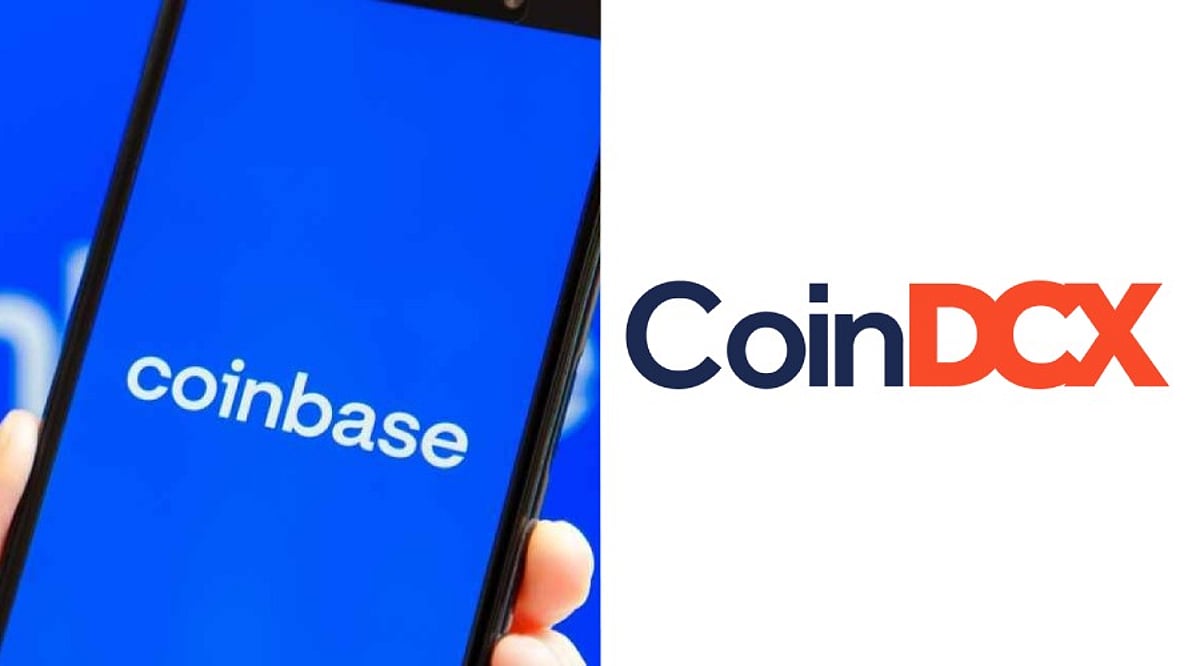
Coinbase and CoinDCX are two leading cryptocurrency exchanges serving Indian investors. While both platforms support INR trading, they target slightly different user bases. This comparison explores their fees, features, crypto offerings, and tax implications to help you decide which exchange fits your needs.
Coinbase Offers Direct INR Access in India
Coinbase restored full Indian retail access on May 31, 2026, enabling direct INR deposits and withdrawals. Indian users can now access spot trading, Coinbase Advanced, perpetual futures, staking, DEX access, and the Coinbase Wallet. The platform is registered with the Financial Intelligence Unit–India.
Funding options include IMPS, UPI, and NEFT/RTGS from verified linked bank accounts, though transaction and daily limits vary by method.
Coinbase Fee Structure
Coinbase Simple Trade charges fees that vary by order size, payment method, and market conditions, including a potential spread. Coinbase Advanced connects users directly to an order book without an embedded spread, with maker and taker fees based on 30-day trading volume. For detailed fee schedules, users should review the platform’s official fee page.
CoinDCX Uses Transparent Volume Tiers
CoinDCX offers INR spot trading, crypto-to-crypto markets, futures, options, SIPs, and Web3 access. The platform supports over 500 crypto assets and more than 300 futures pairs.
- INR spot fees: 0.50% for volume below ₹2 lakh (30-day); 0.42% between ₹2 lakh and ₹5 lakh.
- Crypto-to-crypto spot: 0.17%.
- USDT-margined futures: 0.02% maker / 0.05% taker.
- 18% GST applies to fees.
CoinDCX also offers INR-margined futures with up to 100x leverage and zero brokerage on crypto options (BTC, ETH, SOL) up to specified notional limits.
Tax Implications for Indian Investors
Both exchanges apply Indian tax regulations. Coinbase deducts 1% TDS on qualifying crypto sales and conversions, plus 18% GST on service fees. CoinDCX similarly deducts 1% TDS on INR sell orders and qualifying crypto-to-crypto trades, with a clear breakdown of fees, GST, and TDS in order details.
Which Platform Best Fits Your Needs?
CoinDCX may appeal to users who prioritize INR-focused trading, SIPs, options, and clearly published fee tiers. Coinbase offers deeper integration with self-custody (Coinbase Wallet), DEX access, and a broader international ecosystem.
Final Thoughts
Neither exchange is universally cheaper. Indian investors should always check the final order preview including spread, trading fees, GST, TDS, and withdrawal costs. The better choice depends on trading frequency, desired products, custody preferences, and whether local INR tools or global platform integration matter more.
Frequently Asked Questions
1. Is Coinbase available in India?
Yes. Coinbase supports eligible Indian users with INR deposits and withdrawals, spot trading, advanced trading, staking, DEX access, and other crypto services.
2. What fees does CoinDCX charge?
CoinDCX uses volume-based pricing; INR spot fees start at 0.50% for lower-volume users. Crypto-to-crypto and futures trades have separate maker/taker structures.
3. Which is cheaper, Coinbase or CoinDCX?
Neither platform is always cheaper. Coinbase fees vary by product and conditions; CoinDCX fees depend on trading volume and market.
4. Do Coinbase and CoinDCX deduct TDS in India?
Yes, both deduct 1% TDS on qualifying transactions, and GST may apply on service fees.
5. Which exchange is better for Indian crypto investors?
CoinDCX may suit those wanting INR-focused tools and transparent tiers; Coinbase appeals to those seeking global products, self-custody, and DEX integration.
Note: This article is for informational purposes only and does not constitute financial advice. Always conduct your own research before investing.