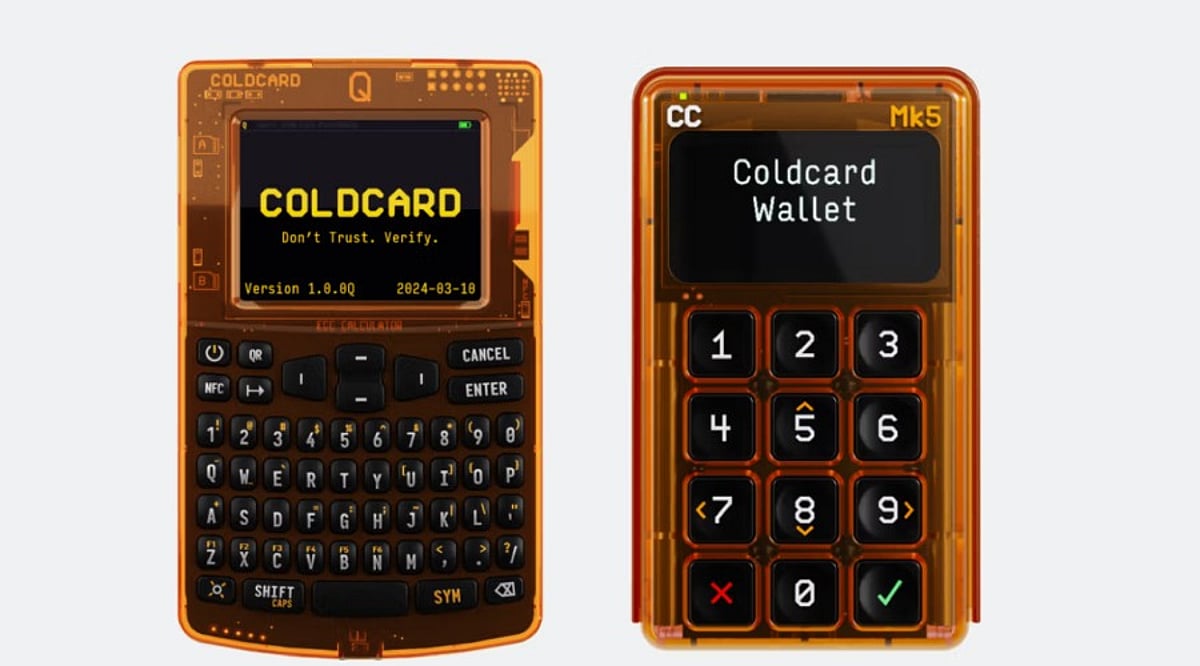
Tag: Coldcard

  • Bitcoin Holds Near $64,350 as ETF Inflows Surge Ahead of Key Jobs Report

    Bitcoin Holds Near $64,350 as ETF Inflows Surge Ahead of Key Jobs Report

    Bitcoin traded near $64,354.99 on Friday, holding a tight range through the session as spot ETF inflows snapped a longer stretch of outflows. The leading cryptocurrency consolidated after testing $64,920 earlier in the week, with analysts flagging $65,000 as the critical level to watch. Traders now turn to today’s US jobs report for direction, while the stalled CLARITY Act adds to cautious sentiment.

    Bitcoin Price Today

    Bitcoin stood at $64,354.99, broadly flat over the past 24 hours, according to live CoinMarketCap data. Its market cap hovered near $1.29 trillion, with 24-hour trading volume reaching $21.64 billion. Price action remains tied to ETF flows, the jobs report, and legislative headlines.

    Analyst Insights

    Bitcoin Attempts $65,000 Reclaim Ahead of Jobs Data, Says Mudrex

    Prateek Gupta, Head of Business at Mudrex, noted that Bitcoin is attempting to reclaim the $65,000 level ahead of today’s US jobs report. The market is approaching a critical technical and liquidity zone, with $65,000 emerging as the largest short-liquidation cluster. He added that institutional demand continues to grow, with spot Bitcoin ETFs attracting $626 million in net inflows over three sessions. A weekly close above $65,000 could open the path toward $70,000, while a close below $63,000 may expose Bitcoin to $60,000.

    BTC Stays Range-Bound Between $64,000 and $65,000, Says CoinSwitch

    According to CoinSwitch Markets Desk, BTC remained range-bound between $64,000 and $65,000 after testing the upper end of the range. Repeated rejections near $65,000 indicate continued selling pressure. Near-term support sits at $64,350-$64,400, and a break below this zone could expose $64,200. Reclaiming $64,600 may pave the way toward $64,800-$65,000.

    Institutional Demand Offsets Rate Uncertainty, Says Giottus

    Vikram Subburaj, CEO of Giottus, placed Bitcoin near $64,300, with improving institutional demand offset by uncertainty over US interest rates. Spot ETFs received about $626 million between August 3 and August 5, helping buyers defend the $63,000-$64,000 region. However, these inflows have not been strong enough to clear the larger resistance zone between $66,000 and $66,600. He advised staggering purchases and keeping leverage low until Bitcoin clears $66,600 or loses $63,000 support.

    Bitcoin Consolidates Ahead of Employment Data, Says Delta Exchange

    Riya Sehgal, Research Analyst at Delta Exchange, said Bitcoin is trading around $64,400, with the market consolidating ahead of the US employment report. Resilient labor data and renewed crude strength keep inflation expectations in focus. A softer print could ease yields and support risk assets. Bitcoin is holding the $64,000-$64,200 support zone. A break above $64,750-$65,000 could open $65,250-$65,600, while a move below $64,000 may expose $62,400-$63,100.

    Crypto Prices Today: Top 10 Coins at a Glance

    The broader market holds steady, with majors posting mild gains. Hyperliquid led the top 10 board with a gain near 3.7%, followed by XRP and Dogecoin with daily gains above 1%. Outside the top 10, Zcash extended its rally with a jump above 5.9% on the day. Stablecoins Tether and USDC barely moved, while Ethereum and Solana posted modest daily gains.

    Crypto News Today: Top Headlines Impacting Prices

    Bitcoin ETFs Post Third Straight Inflow Day

    US spot Bitcoin ETFs pulled in $244.4 million on Wednesday, extending a three-day streak to $626 million. BlackRock’s IBIT fund led the run, capturing $479 million of the total. The August run has yet to record a single outflow day, a sharp reversal from July’s choppier flows.

    CLARITY Act Faces Recess Deadline Pressure

    The Digital Asset Market Clarity Act remains stalled on the Senate calendar as the chamber’s summer recess begins around August 7. Ethics language disputes continue to block bipartisan support. A Franklin Templeton executive noted that passage would unlock federal preemption and bring bank liquidity into crypto.

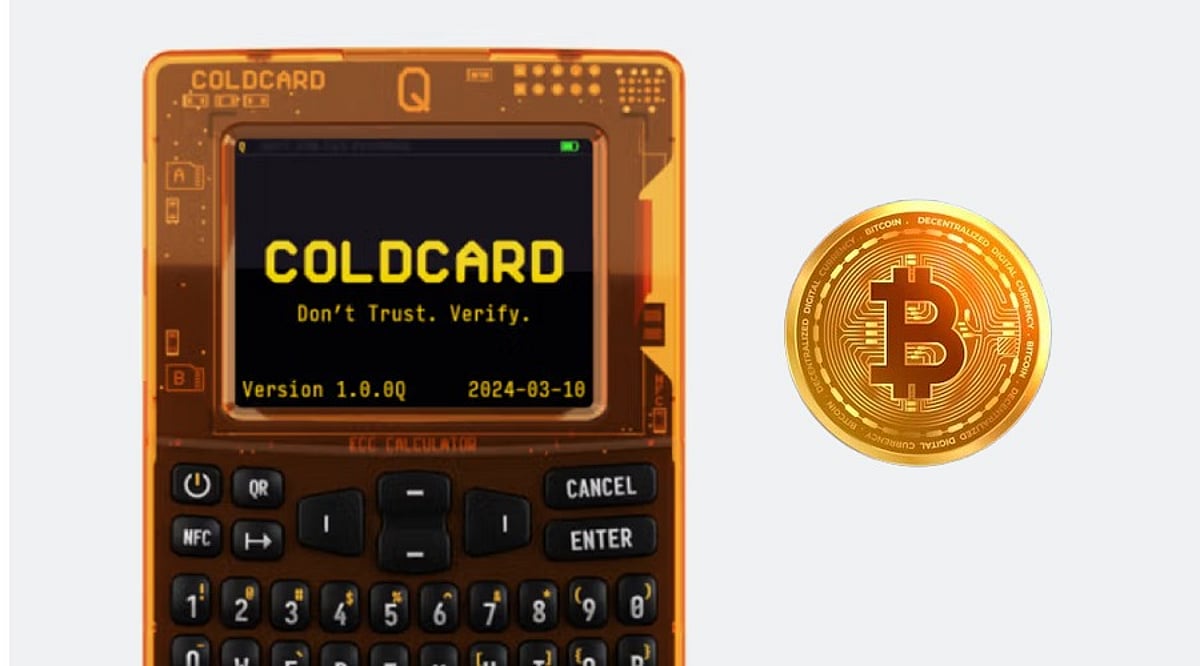
    Coldcard Firmware Flaw Keeps Custody Worries Alive

    A firmware bug tied to Coldcard hardware wallets has been linked to nearly $100 million in stolen Bitcoin this month. The exploit has driven dormant address movement as affected holders rush to secure funds. Whale Alert flagged a 6,196 BTC transfer worth nearly $397 million between unknown wallets this week.

    US Jobs Report Set to Drive Today’s Session

    Traders are bracing for today’s Non-Farm Payrolls report. A soft print could ease Treasury yields, while strong data may revive September rate hike bets. The Fed held rates steady at 3.50-3.75% in July, with three officials favoring a hike.

    Zcash and Cardano Lead Altcoin Momentum

    Zcash extended its rally with a weekly gain above 5.9%, pressing a key triangle breakout pattern. Cardano posted a sharp seven-day gain above 15%, outpacing most large-cap peers. Analysts tied Cardano’s strength to progress on its Ouroboros Leios scaling protocol.

    Tether Expands Tokenization Push in Saudi Arabia

    Tether announced plans to launch its Hadron tokenization platform in Saudi Arabia, starting with institutional real estate assets. The move aligns with the kingdom’s Vision 2030 diversification initiative but has limited near-term impact on Bitcoin’s price.

    Investor and Market Outlook

    Bitcoin holds near $64,350 as traders weigh a third straight ETF inflow day against a stalled CLARITY Act. Today’s jobs report stands as the session’s key catalyst. A close above $65,000 could open a path toward $66,600 resistance. A slip below $63,000 risks exposing deeper support closer to $60,000. Zcash and Cardano remain the most sensitive names to shifts in altcoin risk appetite. Next week’s inflation print stands as the market’s next defining catalyst.
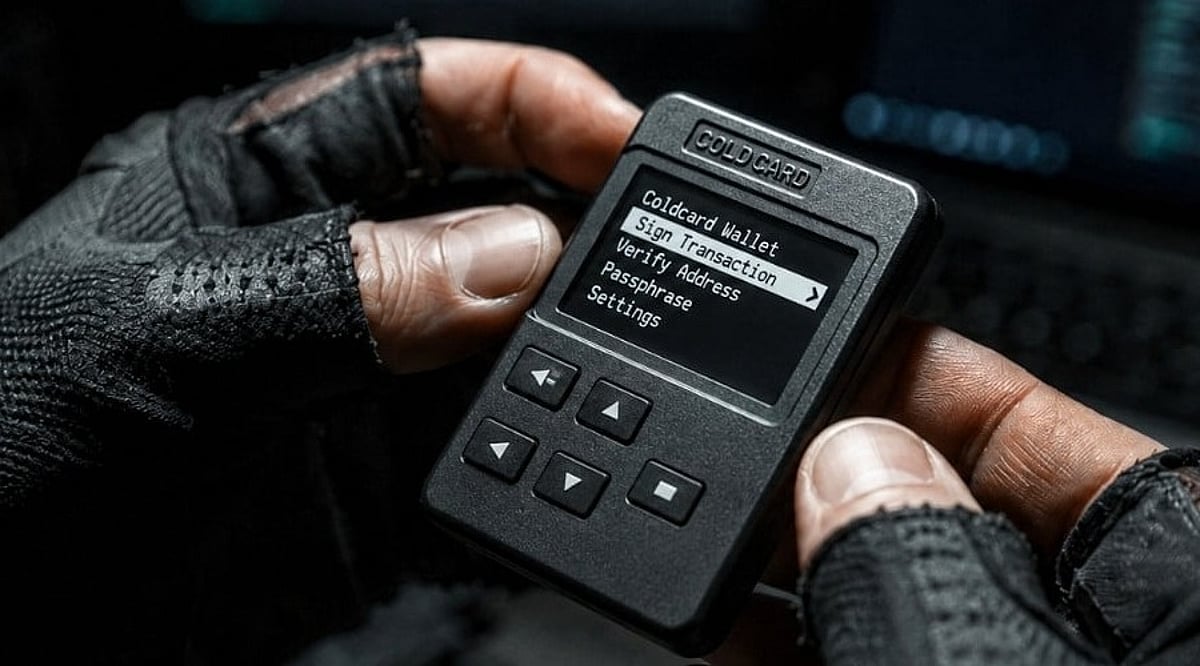
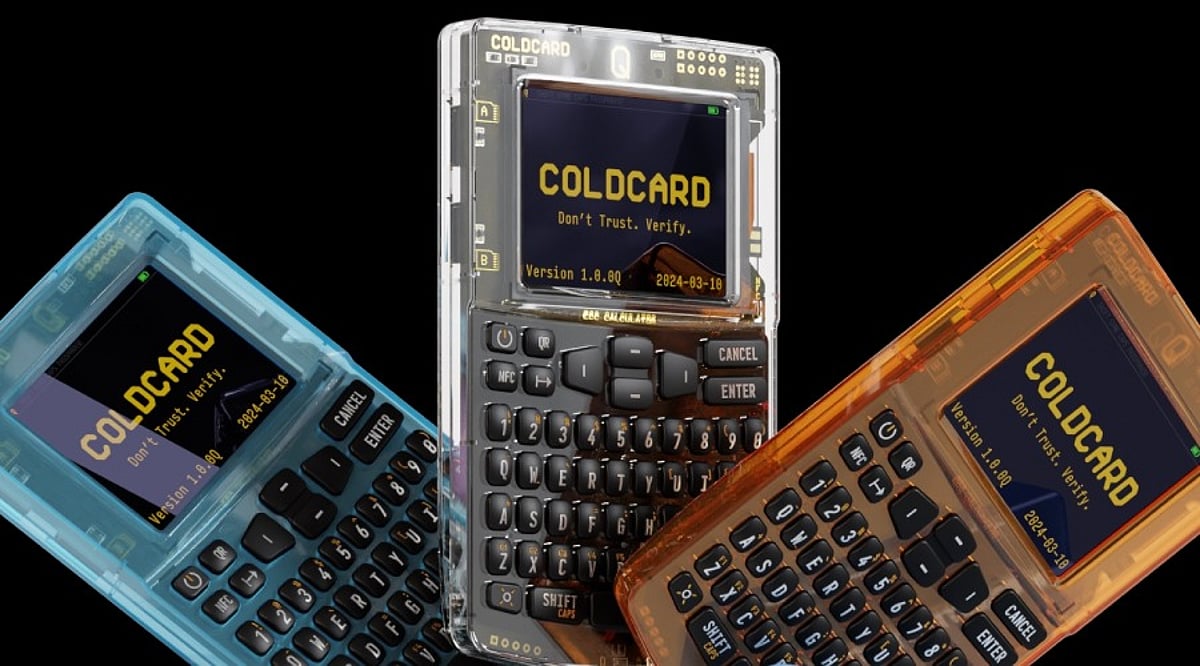
  • Coldcard Bitcoin Hack Update: 64 BTC Moves Through Wasabi Mixer While 1,159 BTC Stays Dormant

    Coldcard Bitcoin Hack Update: 64 BTC Moves Through Wasabi Mixer While 1,159 BTC Stays Dormant

    Investigators tracking the Coldcard wallet vulnerability have detected fresh movement of stolen Bitcoin through a privacy mixer. While a separate attacker has begun obscuring roughly 64 BTC via Wasabi Wallet, the largest known theft cluster remains untouched.

    1,159 BTC Still Unmoved

    Galaxy Research linked the biggest theft to approximately 1,159 BTC held across seven attacker-controlled addresses. The attacker consolidated the funds within about 41 minutes of the exploit and has not sent them to exchanges, mixers, or other identifiable services since then.

    Bitcoin’s protocol cannot freeze flagged addresses, so the funds remain spendable. However, converting such a large balance could expose the attacker. Exchanges, law enforcement agencies, and blockchain analytics firms are reportedly tracking around 600 addresses connected to the broader exploit.

    Separate Attacker Moves 64 BTC Through CoinJoin

    Analysts identified another attacker attempting to obscure approximately 64 BTC using Wasabi Wallet’s CoinJoin feature. About 10 BTC entered an initial mixing transaction, while roughly 54 BTC returned as change. The remaining Bitcoin later moved into outputs of about 7 BTC each, apparently for further mixing.

    CoinJoin combines multiple inputs and outputs, making direct links harder to establish. Still, timing patterns, output sizes, later consolidations, and exchange deposits can reveal useful clues for investigators.

    Exploit Scale and Affected Seed Phrases

    Galaxy Research estimates confirmed losses near 1,596 BTC. A suspected additional attack wave could raise the total to about 2,055 BTC, while other researchers have placed losses above 1,800 BTC.

    The vulnerability affected seed phrases created with weakened random-number generation. Firmware updates prevent new vulnerable seeds, but they cannot repair seed phrases already exposed. Affected users must create a new wallet seed and move their Bitcoin. Coldcard also destroyed remaining vulnerable inventory and urged users to generate fresh seeds.

    South Korean Users Avoided Major Losses

    South Korea’s Bitcoin community reported virtually no direct losses despite many experienced holders using Coldcard devices. Analyst Koji Higashi linked that outcome to local self-custody practices: community leaders had promoted independent entropy generation instead of relying solely on one hardware wallet manufacturer.

    Local guides described 128 coin flips for 12-word seeds and 256 coin flips for 24-word seeds. Some users converted binary results using hardware calculators rather than phones, adding another layer of protection against compromised random-number generators.

    Key Takeaways

    • The 1,159 BTC connected to the largest Coldcard attacker remains unmoved since consolidation.
    • A separate attacker has routed about 64 BTC through Wasabi Wallet CoinJoin transactions.
    • Confirmed losses stand at roughly 1,596 BTC, with possible totals exceeding 2,000 BTC.
    • Firmware updates cannot secure already exposed seed phrases; affected users must migrate to new wallets.
    • Independent entropy generation helped many Korean users avoid direct losses.
  • Coldcard Firmware Flaw Exposes $130M in Bitcoin: What Hardware Wallet Users Must Know Now

    Coldcard Firmware Flaw Exposes $130M in Bitcoin: What Hardware Wallet Users Must Know Now

    A series of hacks targeting Coldcard hardware wallets has reignited concerns about cryptocurrency self-custody, proving that even offline devices can fall prey to software vulnerabilities. According to blockchain security firms, hackers stole an estimated 1,596 BTC (worth roughly $130 million) from around 7,300 affected addresses, marking one of the largest hardware wallet security incidents in recent years.

    The exploit does not mean Bitcoin’s cryptography has been compromised. Instead, researchers say attackers exploited a weakness in certain Coldcard firmware versions that produced insufficient randomness when generating seed phrases, making them predictable.

    Firmware Vulnerability Enabled Seed Phrase Prediction

    Hardware wallets are widely regarded as one of the safest ways to store digital assets because private keys remain offline. However, security researchers at Block discovered that some Coldcard devices generated seed phrases using weak entropy. This allowed attackers to reconstruct private keys through brute-force methods.

    Blockchain analytics firm K33 reported that the attacks triggered an unusual spike in on-chain activity: approximately 890,000 BTC moved across the Bitcoin network over the past week—the highest weekly total recorded this year. K33 noted, “Therefore, the recent acceleration in BTC transaction activity is very likely driven by the Coldcard attacks.”

    Victims believed they followed industry best practices. One affected user, Jonathan Goodman, who lost $1.6 million, wrote on X, “I never shared my seed phrase with anybody. My devices never touched the internet.” He added that the vulnerability originated from “one line in their code from 2021.”

    What the Incident Means for Hardware Wallet Users

    The vulnerability is specific to certain Coldcard wallet implementations and does not compromise Bitcoin itself—only the wallet implementation. So far, no evidence suggests that hardware wallets from manufacturers like Ledger, Trezor, BitBox, Foundation, Cypherock, or KeepKey share the same flaw.

    After the announcement, Coinkite (Coldcard’s manufacturer) recommended that affected users immediately upgrade their firmware and create a new wallet using a fresh seed phrase. Restoring the old recovery phrase would not eliminate the susceptibility.

    The incident has also brought multi-signature (multisig) wallets back into focus. Multisig setups require approvals from several devices before funds can be transferred, greatly mitigating the risk if any single device is compromised.

    Why This Matters

    The Coldcard exploit proves hardware wallets are not foolproof. Flawed seed phrase generation exposed offline funds, highlighting that true crypto security requires constant firmware updates, multi-signature setups, and multi-layered protection rather than relying on a single device.

    Final Thoughts

    TRM Labs reports that the crypto sector has experienced over 200 hacks so far in 2026, totaling more than $950 million in losses. The Coldcard event underscores that hardware wallets remain one of the most secure storage solutions available, but security is a matter of layers: keeping firmware updated, using strong seed phrases, spreading assets, and monitoring security advisories. Ultimately, this attack serves as a stark reminder to long-term Bitcoin investors that cybersecurity is not a one-time setup, but an ongoing journey.

    Frequently Asked Questions

    1. What caused the Coldcard hardware wallet hack? The attack stemmed from a firmware vulnerability that generated predictable seed phrases due to insufficient randomness. This allowed attackers to reconstruct private keys without breaking Bitcoin’s underlying cryptography.
    2. Does this mean all hardware wallets are unsafe? No. The vulnerability appears specific to certain Coldcard firmware versions. There is currently no evidence that major brands like Ledger, Trezor, BitBox, Foundation, Cypherock, or KeepKey are affected by the same flaw.
    3. What should affected Coldcard users do immediately? Update the device to the latest firmware, generate a completely new wallet with a fresh seed phrase, and transfer Bitcoin to the new wallet. Simply restoring the old seed phrase does not eliminate the vulnerability.
    4. What is a multisignature (multisig) wallet, and why is it safer? A multisig wallet requires approvals from two or more devices or private keys before funds can be transferred. This significantly reduces theft risk because compromising one wallet is insufficient to access assets.
    5. What lessons can Bitcoin holders learn from the Coldcard incident? This attack highlights that hardware wallets remain highly secure but should not be the only layer of protection. Keeping firmware updated, securely backing up seed phrases, following official security advisories, and considering diversified custody or multisig setups can greatly improve long-term security.
  • AI Model Rediscovers Bitcoin Wallet Flaw for Just $2, Revealing New Era in Crypto Security

    AI Model Rediscovers Bitcoin Wallet Flaw for Just $2, Revealing New Era in Crypto Security

    Artificial intelligence is transforming cybersecurity at an unprecedented pace, and a recent experiment involving a Bitcoin hardware wallet has demonstrated just how quickly AI can uncover software vulnerabilities. Researchers reported that the AI model GLM 5.2 rediscovered the flaw behind the ColdCard wallet incident in approximately 20 minutes, at a total cost of roughly $2. While there is no evidence that cybercriminals used AI in the original theft, the experiment underscores how inexpensive AI-assisted code analysis has become.

    AI Makes Security Audits Faster and Cheaper

    Traditionally, finding vulnerabilities in cryptographic software required experienced security researchers spending days or even weeks reviewing firmware, source code, and cryptographic implementations. Now, AI models can perform an initial review across large codebases in a fraction of the time. According to Dragonfly managing partner Haseeb Qureshi, the most significant takeaway was the cost. “GLM 5.2 running for 20 minutes costs about $2. So what does that mean? It means we are in a new world.”

    Researchers directed multiple AI models to inspect the affected software after the ColdCard incident had become public. The models were reportedly not told where the vulnerability existed, yet GLM 5.2 identified the underlying weakness in roughly 20 minutes. However, rediscovering a vulnerability is not the same as carrying out an attack. Exploiting such a flaw still requires identifying affected devices, reconstructing usable private keys, locating valuable wallets, and successfully transferring funds before users or manufacturers can respond. The experiment therefore demonstrates AI’s growing ability to assist security research rather than proving that AI played any role in the original theft.

    Security Teams Face a New Arms Race

    The findings also highlight a shift in how cryptocurrency security may evolve. Much of the industry’s long-term focus has been on quantum computing, which could eventually threaten Bitcoin’s cryptographic foundations. AI presents a more immediate challenge because it can already identify mistakes in wallet firmware, random-number generation, key management, and cryptographic implementations without breaking Bitcoin’s underlying encryption.

    According to Qureshi, the affected users were “people who are doing all the right things.” Even users storing assets in offline hardware wallets remain dependent on the quality of the wallet’s firmware and cryptographic implementation. If private keys are generated using weak randomness, keeping a device offline cannot strengthen those keys afterward.

    For developers, AI represents both a defensive and offensive tool. Wallet manufacturers can repeatedly scan legacy firmware as newer AI models become available, while attackers can automate vulnerability discovery across older software releases at minimal cost. The experiment underscores an important lesson for the cryptocurrency industry: security reviews can no longer be treated as one-time events. As AI models become faster, cheaper, and more capable, continuous code auditing, responsible disclosure programs, and rapid patch deployment will become essential for protecting digital assets.

    FAQs

    1. What did the GLM 5.2 AI model accomplish?
    According to researchers, GLM 5.2 successfully rediscovered the software vulnerability linked to the recent ColdCard wallet incident in around 20 minutes. The exercise demonstrated AI’s ability to quickly identify known security flaws at a very low cost.

    2. Did AI play a role in the original ColdCard theft?
    No. There is currently no evidence that attackers used AI during the original theft. The experiment was conducted afterward to evaluate whether a modern AI model could independently identify the same vulnerability.

    3. Why is the reported $2 cost significant?
    The low cost shows that AI-assisted vulnerability research is becoming accessible to far more developers and researchers. It also means attackers could potentially scan many software projects for weaknesses without investing significant resources.

    4. Can AI break Bitcoin’s cryptography?
    No. The experiment did not demonstrate that AI can break Bitcoin’s underlying cryptographic algorithms. Instead, it showed that AI can help identify implementation bugs in wallet software, firmware, and cryptographic code surrounding Bitcoin.

    5. How can crypto developers use AI to improve security?
    Developers can use AI to scan source code before release, re-audit older firmware as AI models improve, identify potential vulnerabilities faster, and support bug bounty programs. Human security experts are still required to verify findings and deploy secure fixes.

  • Coldcard Firmware Bug Led to $70M Bitcoin Heist, Researchers Say

    Coldcard Firmware Bug Led to $70M Bitcoin Heist, Researchers Say

    Galaxy Research has linked a firmware flaw in Coldcard hardware wallets to the theft of 1,082.65 Bitcoin, worth approximately $70 million. The coordinated withdrawals, which occurred across 1,196 addresses on July 30, took place within just 41 minutes, marking one of the largest reported hardware wallet incidents this year.

    Galaxy Tracks a Coordinated Bitcoin Theft

    Galaxy Research identified a consistent transaction pattern across the stolen funds, pointing to a single attacker behind the operation. However, the firm cautioned that the observed transfers may not include all exposed wallets. Other vulnerable addresses could remain inactive or be moved later. Blockchain records cannot distinguish between theft and a legitimate owner transfer when both use valid private keys, leaving the true extent of the breach uncertain.

    Coinkite Expands Warning Across Coldcard Models

    Coinkite initially warned owners of Coldcard Mk3 devices running firmware version 4.0.1, released in March 2021, that seeds created with the affected software could expose user funds. The company later widened the advisory to include selected firmware versions on Coldcard Mk4, Mk5, and Coldcard Q devices. Emergency updates were issued for every impacted model. Coinkite CEO Rodolfo Novak (NVK) accepted responsibility and apologized to customers, stating that the company’s internal review process failed to catch the defect before release.

    AI-Assisted Analysis Raises New Security Concerns

    Novak suggested that attackers may have discovered the flaw through artificial intelligence-assisted code analysis. Such tools can detect subtle weaknesses faster than traditional manual reviews, creating a growing challenge for software developers. While AI can help defenders inspect code, it also shortens the path from public release to exploitation.

    What Affected Users Should Do

    Coinkite urged affected users to take the following steps:

    • Install the latest firmware version.
    • Create new wallet seeds.
    • Move Bitcoin into new wallets after testing small transfers first.
    • Keep original backups until every transfer succeeds.

    Coldcard wallets store private keys offline, but firmware bugs, supply chain risks, and configuration errors can still create attack paths. Galaxy Research linked the July 30 theft to vulnerable Coldcard wallet seeds across affected firmware versions. Coinkite released emergency updates and told users to create fresh seeds, test new wallets, and transfer funds while keeping original backups until every move succeeds.

  • Bitcoin Holds Above $64,200 as ETF Inflows Counter Coldcard Fears and Legislative Stalemate

    Bitcoin Holds Above $64,200 as ETF Inflows Counter Coldcard Fears and Legislative Stalemate

    Bitcoin traded near $64,236.97 on Tuesday, up 0.48% over the past 24 hours, as fresh institutional inflows offset ongoing security concerns and political uncertainty. The leading cryptocurrency steadied above $64,200 after a choppy start to August, supported by $170.1 million in net inflows into US spot Bitcoin ETFs on Monday.

    Bitcoin Price Today

    Bitcoin trades at $64,236.97, with a market cap of approximately $1.28 trillion and 24-hour trading volume of $23.11 billion. Key support lies near $62,800, while resistance is seen between $64,500 and $65,600, according to analysts.

    Analyst Perspectives

    Mudrex: $65,000 Key for Sentiment Shift

    Akshat Siddhant, Lead Quant Analyst at Mudrex, noted that Bitcoin trades above $64,000 as easing geopolitical tensions lift risk assets. He highlighted that Bitcoin futures open interest slipped to 740,000 BTC from a July peak of 776,000 BTC, a pattern that preceded April’s large short-side liquidation wave. “For now, $65,000 remains major resistance while support holds near $62,800,” he said.

    CoinSwitch: Equities Rally Supports BTC

    CoinSwitch Markets Desk observed that BTC held near $64,000 even as risk assets rallied on US-Iran de-escalation hopes. “Holding above $64,000 keeps the short-term structure positive for a push toward $64,400. A slip below $64,000 opens the next support zone near $63,600,” the desk stated.

    Delta Exchange: Break Above $64,500 Needed

    Riya Sehgal, Research Analyst at Delta Exchange, said Bitcoin reclaimed $64,000 after defending $62,200-$62,400 demand. “Bitcoin needs a sustained break above $64,500 to target $65,000-$65,600. Ethereum must reclaim $1,880 to confirm a broader breakout structure,” she added.

    Giottus: Weak Spot Demand Caps Recovery

    Vikram Subburaj, CEO of Giottus, placed Bitcoin near $64,260, up about 0.7% on the day. He advised investors to favor staggered buying ahead of Friday’s jobs report, noting that Bitcoin holds support near $63,000-$63,400, with resistance between $64,500 and $66,000.

    WazirX: Institutional Absorption Continues

    Nischal Shetty, founder of WazirX, said Bitcoin trades near $64,176 as easing tensions lift appetite. On-chain data shows 155,000 BTC accumulated between $62,000 and $65,000. Wintermute’s H1 2026 report shows institutions now drive 72% of spot volume. “A move above $64,800-$65,000 could trigger fresh long positions. Losing $63,900-$64,000 may raise the odds of a pullback toward $63,200,” he noted.

    Top 10 Coins at a Glance

    • Biggest Gainers: Hyperliquid (HYPE) led with a gain past 3%, followed by BNB (+1.27%) and XRP (+1%).
    • Biggest Losers: Stablecoins (USDT, USDC) and Solana (SOL) remained flat with minimal movement.

    Key Headlines Impacting Prices

    Bitcoin ETFs Return to Inflows With $170.1 Million

    US spot Bitcoin ETFs recorded $170.1 million in net inflows on Monday, ending a brief redemption streak. BlackRock’s IBIT led with $111.4 million, followed by Fidelity’s FBTC at $33.4 million. Ether ETFs slipped into modest net outflows of $11.9 million.

    Coldcard Firmware Flaw Fallout Continues

    A firmware bug in Coldcard hardware wallets has been linked to over $100 million in stolen Bitcoin this month. Emergency fixes have been rolled out, but security researchers warn that updating firmware alone is insufficient. Affected holders must generate fresh recovery phrases and migrate balances immediately.

    CLARITY Act Stuck Without Senate Floor Vote

    The Digital Asset Market Clarity Act remains absent from the Senate’s floor schedule. Senate Majority Leader John Thune indicated a vote could occur before recess, but Republicans need roughly seven Democratic votes to clear the 60-vote threshold. An unresolved ethics dispute over presidential crypto holdings remains a sticking point.

    Cardano Rallies on Heavy Whale Accumulation

    Cardano’s ADA token surged more than 26% this week as whale wallets added over 240 million tokens. Combined whale holdings have climbed to roughly 14.5 billion ADA, according to Santiment. Analysts say holding above $0.17 support keeps the bullish structure intact, with next resistance near $0.20 and then $0.24-$0.25.

    Ether ETFs Slip Into Mild Outflows

    US spot Ether ETFs recorded an $11.9 million net outflow on Monday, ending a two-day inflow streak. BlackRock’s ETHA and Grayscale’s ETHE led the modest redemptions. Analysts view the pullback as routine rotation rather than a shift in institutional demand.

    ISM Manufacturing Data Signals Resilient Economy

    The US ISM Manufacturing PMI climbed in July, pointing to resilient economic activity. Stronger readings reduce near-term expectations of Fed rate cuts. Traders now await Wednesday’s ADP payrolls and services PMI data, with Friday’s jobs report as the week’s most closely watched macro catalyst.

    Investor and Market Outlook

    Bitcoin holds above $64,200 as fresh ETF inflows offset lingering custody worries and legislative delays. A close above $64,500 could open a path toward resistance near $65,600. A slip below $63,900 risks exposing deeper support closer to $62,800. Cardano and Hyperliquid remain the most sensitive names to shifts in institutional risk appetite. Key catalysts this week include ETF flow trends, Fed rate signals, Friday’s jobs report, and the CLARITY Act’s Senate outcome.

  • Bitcoin Holds Above $63,800 Amid Coldcard Flaw, ETF Outflows, and Hawkish Fed

    Bitcoin Holds Above $63,800 Amid Coldcard Flaw, ETF Outflows, and Hawkish Fed

    Bitcoin traded near $63,812.96 on Tuesday, up 1.73% over the past 24 hours, as the market absorbed a mix of bearish headwinds and resilient price action. The token shrugged off a choppy start to August, with ETF outflows, a Coldcard hardware wallet firmware bug, and a hawkish Federal Reserve hold keeping sentiment cautious.

    Spot Bitcoin ETFs ended a three-week inflow streak with $61.53 million in net outflows for the week ending July 31, led by a sharp single-day withdrawal from BlackRock’s IBIT fund. Meanwhile, a firmware flaw linked to Coldcard wallets has been tied to nearly $70 million in stolen Bitcoin this month, prompting emergency firmware updates and warnings that affected holders must generate fresh recovery phrases.

    The Federal Reserve held rates steady but with a 9-3 vote split as three officials favored an increase, lifting September rate hike odds above 60%. The CLARITY Act remains stalled on the Senate calendar ahead of the August recess, with Democrats pushing for tougher ethics language. Traders now watch Friday’s jobs report for fresh direction.

    Bitcoin Price Today

    Bitcoin’s market cap stands near $1.28 trillion, with 24-hour trading volume at $26.81 billion. Analysts highlight $65,000 as key resistance, with support at $62,300 and $60,000 below.

    Analyst Insights

    Akshat Siddhant, Lead Quant Analyst at Mudrex: Bitcoin traded in the $63,000-$64,000 range amid growing macro uncertainty. A stronger yen, backed by an estimated $59 billion in intervention, has sped up carry trade unwinding. Strategy sold 1,638 BTC, its second largest sale this year. Bitcoin needs to reclaim $65,000 to lift sentiment, while $60,000 stands as major support.

    CoinSwitch Markets Desk: BTC approached $64,000 after the ISM Manufacturing PMI rose to 55.6, its highest since 2022. Sustained readings above 55 have historically coincided with strong altcoin performance. Near term, $64,000 is resistance, $63,000 is key support.

    Riya Sehgal, Research Analyst at Delta Exchange: Bitcoin holds between $63,500 and $64,000. Stronger US manufacturing data strengthens the case for the Fed to stay tight. Bitcoin needs to break and hold above $64,250 to improve momentum. Support at $62,300. ETH defends $1,820-$1,845 zone.

    Vikram Subburaj, CEO of Giottus: Bitcoin near $63,700, up 0.9%. Lower oil prices and improving global risk sentiment support the market. Weak spot demand and inconsistent ETF flows cap the recovery. Resistance at $64,000-$64,100.

    Nischal Shetty, founder of WazirX: Bitcoin gained 0.47% to around $63,602. Ethereum rose 0.34%. American Bitcoin reported record quarterly production of 932 BTC. Bitcoin futures traders watch $63,750-$64,300 recovery zone, with $63,000 as nearest support.

    Top 10 Coins at a Glance

    Biggest Gainers: Hyperliquid (+4.03%), BNB (+1%), TRON (+1%). Hyperliquid led major gainers with a daily jump, extending its strong weekly run. BNB and TRON also posted solid gains.

    Biggest Losers: Stablecoins (Tether, USDC) barely moved. Ethereum and Solana posted modest gains.

    Key Headlines Impacting Prices

    • Coldcard Firmware Flaw: A firmware bug drained nearly $70 million in Bitcoin. CEO Rodolfo Novak apologized. Emergency firmware rolled out, but affected users must generate new recovery phrases.
    • Bitcoin ETFs Snap Inflow Streak: $61.53 million in net outflows for week ending July 31. Spot Ether ETFs extended their four-week inflow streak with $27.42 million.
    • Fed Holds Rates: 9-3 vote split with three officials favoring a hike. September rate hike odds above 60%.
    • CLARITY Act Stalled: Senate recess deadline narrows legislative window. Democrats push for ethics language.
    • Strategy Sells 1,638 BTC: Second largest sale this year, adding selling pressure.
    • ISM Manufacturing PMI: Rose to 55.6 in July, highest since 2022, reducing expectations of near-term Fed cuts.

    Market Outlook

    Bitcoin holds above $63,800 as traders weigh ETF outflows, a hawkish Fed, and stalled legislation. A close above $64,250 could open a path to $65,000 resistance. A slip below $62,300 risks exposing $60,000. Next moves hinge on ETF flows, Fed rate signals, and Friday’s jobs report. The Senate recess deadline and upcoming inflation data are key catalysts.

  • Coldcard Bitcoin Wallet Sweeps Top $114 Million as Replace-by-Fee Rescue Window Opens

    Coldcard Bitcoin Wallet Sweeps Top $114 Million as Replace-by-Fee Rescue Window Opens

    Early Monday, a fourth wave of sweeping attacks targeted Bitcoin addresses generated by Coldcard wallets, pushing observed losses to approximately 1,816 BTC—worth around $114 million. Researchers have identified a narrow rescue window enabled by replace-by-fee (RBF), which allows victims to override unconfirmed theft transactions by paying a higher fee.

    Narrow Rescue Window

    Galaxy Research’s Alex Thorn flagged the active wave while transactions remained in Bitcoin’s mempool. He noted that attackers enabled replace-by-fee on their pending transfers, meaning victims who detect a targeted address can move their coins first by offering miners a higher fee. Thorn urged users to check balances, remove funds from affected devices, and raise transaction fees promptly.

    Thorn had no direct victim report when he published the warning. Instead, he relied on matching transaction patterns and chose speed while users still had time to respond.

    Predictable Seed Generation

    The first sweep began July 30, removing 1,083 BTC from 1,196 addresses within 41 minutes. Two weekend waves raised observed losses to 1,367 BTC across 4,585 addresses. The fourth wave lifted the possible total to about 1,816 BTC from more than 5,200 addresses. Thorn tracked activity across blocks 960,778 through 960,792.

    Researchers counted 218 transactions that targeted 462 victim addresses. The wave averaged about 14 sweeps per block, compared with 0.3 during a pre-incident control period. The flaw traces to a March 2021 firmware build that sent seed generation to a predictable software randomizer rather than the wallet chip’s hardware randomizer. As a result, anyone who identifies the relevant range can reproduce affected keys offline.

    Coinkite released emergency firmware for all affected models after the flaw was discovered. The manufacturer also instructed users who created seeds with the flawed software to move funds and use wallet addresses generated from fresh seeds.

    Transaction Patterns

    Every spent coin arrived after the Coldcard firmware boundary was identified by researchers. The attackers also sent each victim’s funds to a fresh destination with no previous transaction history. Unlike earlier waves, the fourth used one destination per victim instead of shared collector addresses, making the new activity harder to map through common destinations.

    None of the first three waves reached multisignature setups, matching a flaw tied to single-key seeds. Researchers also removed six old destination addresses as attacker-generated addresses should lack earlier activity. According to CryptoQuant Research Head Julio Moreno, small Bitcoin holders moved 39,600 BTC on July 31—transfers under 1 BTC reached about $2.5 billion that day. The last comparable total reached 39,900 BTC on November 16, 2022, days after FTX failed. Daily active addresses also climbed from 645,000 to almost one million, marking the highest level since December 2024. The increase centered on sending addresses rather than receiving addresses as news of the Coldcard flaw spread.

    Brief Roundup

    Four Coldcard-linked sweeps may have taken about 1,816 BTC from more than 5,200 addresses. Replace-by-fee gives users a narrow chance to override pending thefts. Anyone who created a seed with affected firmware should check funds, move coins to a fresh-seed wallet, and raise fees when necessary.

  • Coldcard Wallet Hack Exceeds $100 Million: 1,596 BTC Stolen Across 7,300 Addresses

    Coldcard Wallet Hack Exceeds $100 Million: 1,596 BTC Stolen Across 7,300 Addresses

    Galaxy Research has revised its estimate of the Coldcard wallet hack, now linking 1,596 Bitcoin (BTC) — worth over $100 million — to the exploit. The attack targeted approximately 7,300 addresses across three major waves and 14 smaller incidents. A suspected fourth wave could push total losses to 2,055 BTC, or roughly $130 million.

    Galaxy Raises Confirmed Theft Estimate

    Researchers at Galaxy received reports from 73 victims, which helped verify the three primary attack waves. The reports also revealed smaller transaction patterns that may involve other attackers exploiting the same vulnerability. The updated figure far exceeds the initial estimate of $70 million, as investigators continued to identify new addresses, victims, and transaction groups while the attacks unfolded.

    The first major wave began on July 30, draining approximately 1,082.65 BTC from 1,196 addresses in just 41 minutes. At the time, that Bitcoin was valued at about $70.2 million. Two subsequent waves followed. By August 2, researchers had traced roughly 1,367 BTC across 4,585 addresses. The third wave took about 208 BTC from 1,912 smaller accounts.

    Galaxy noted that each wave followed a consistent pattern, suggesting a single operator, but researchers could not definitively link every wave to the same attacker. It remains possible that additional attackers joined after the vulnerability was disclosed.

    Weak Seeds Exposed Private Keys

    The attackers did not compromise the Bitcoin network itself. Instead, they targeted recovery seeds generated by certain Coldcard firmware versions that used weak random data. A hardware wallet should generate a recovery seed from secure, unpredictable information — a process that creates entropy and protects private keys from offline guessing.

    Coldcard introduced the flaw during a firmware update in March 2021. Seed generation shifted from the device’s hardware random-number generator to software within the libNgU and MicroPython stack. An integration error then routed the process to MicroPython’s deterministic fallback, which relied heavily on device details and timing values. This drastically reduced the number of possible seeds, allowing attackers to generate candidate seeds offline, derive related Bitcoin addresses, and compare them with addresses on the blockchain — all without physical access to a victim’s device.

    Coinkite Lists Affected Firmware Versions

    Coinkite estimates that affected Mk2 and Mk3 wallets produced only about 40 bits of effective entropy. Mk4, Mk5, and Q models reached approximately 72 bits, still below the intended 128 bits. The advisory covers Mk2 and Mk3 firmware versions 4.0.1 through 4.1.9, Mk4 and Mk5 standard firmware before 5.6.0 and Edge firmware before 6.6.0X, and Coldcard Q standard firmware before 1.5.0Q and Edge firmware before 6.6.0QX. TAPSIGNER, OPENDIME, and SATSCARD use separate codebases and are not affected.

    The alert coincided with heavy movement from small Bitcoin addresses. Transfers below 1 BTC reached 39,600 BTC in one day, according to CryptoQuant research head Julio Moreno — the highest daily movement in that category since November 2022, when users moved about 39,900 BTC shortly after FTX collapsed. While not every transfer came from a Coldcard user, the timing suggests that some holders shifted funds to new wallets or exchanges after the security warning.

    Conclusion

    Galaxy Research has confirmed 1,596 BTC in losses across three attack waves and 14 smaller incidents. The flaw weakened recovery-seed randomness in several Coldcard firmware versions. Users with affected devices should follow Coinkite’s advisory and move funds to wallets created with secure, updated software.

  • Coldcard Firmware Bug Leads to $70M Bitcoin Theft From 1,196 Wallets

    Coldcard Firmware Bug Leads to $70M Bitcoin Theft From 1,196 Wallets

    An attacker drained 1,082.65 Bitcoin, worth approximately $70 million, from 1,196 wallets during a 41-minute sweep on July 30. Galaxy Research mapped the full event after early reports captured only part of the theft.

    Galaxy Maps a Batched Bitcoin Sweep

    Galaxy found that the attacker moved the bitcoin between 01:10 and 01:51 UTC across six blocks. Three blocks between those transfers contained no related transactions. That pattern indicates the operator broadcasts transactions in batches rather than sending them continuously. The stolen bitcoin now sits in four addresses and has not moved.

    Early coverage tracked only one destination address, which kept the first loss estimate much lower. Galaxy later connected the remaining addresses and nearly doubled the reported amount. The attacker drained 1,183 native SegWit wallets, seven older standard addresses, and six still older addresses. This mix points to systematic seed testing across several derivation paths.

    Firmware Error Reduced the Seed Range

    Coldcard devices should create seeds with a dedicated hardware random number generator. An internal build setting instead told affected firmware to skip that generator. A supporting library checked whether the setting existed but failed to check whether developers had enabled it. The software then used a fallback tied to the chip serial number and clock registers.

    The serial number remains fixed, while an attacker can narrow or reproduce clock timing. As a result, the possible seeds fell from an immense range to a searchable set. Security teams reproduced key generation on older Mk2 and Mk3 devices. For the Mk4, Q, and Mk5, they estimated a range of about four billion possible seeds. An attacker can generate candidate seeds, derive their addresses, and compare them with the public blockchain. The victim’s hardware never needs to connect during that search.

    Device Scope Dispute Leaves Owners Exposed

    Galaxy warned that more sweeps could follow unless affected owners move their funds. Owners cannot run a test that shows whether their seed falls inside the reproducible range. Coinkite, Coldcard’s maker, warned Mk3 owners and said newer models remain unaffected. Block’s report also placed the Mk2, Mk4, Q, and Mk5 within the affected scope.

    The disagreement leaves users without a verified way to separate safe devices from exposed ones. Anyone who generated a seed with affected firmware must treat that seed as vulnerable. Block’s Clay Garrett said the operator used a paid account at a well-known blockchain data provider. Internal logs reportedly matched the suspected queries by number, timing, and sequence. The provider supplied standard services and saw no clear sign of the attacker’s purpose. Block passed the account information and related evidence to authorities.

    Conclusion

    Galaxy Research traced the theft to 1,196 wallets and four holding addresses. The seed-generation flaw reduced key security to a searchable range, while reports disagree on affected models. Galaxy warned that further sweeps could follow, making fund movement the only action described for potentially exposed owners.