Tag: ColorOS 16

  • OPPO Reno 16T Debuts in China: 200MP Camera, 6700mAh Battery, and Dimensity 8550 Super for CNY 3,699

    OPPO Reno 16T Debuts in China: 200MP Camera, 6700mAh Battery, and Dimensity 8550 Super for CNY 3,699

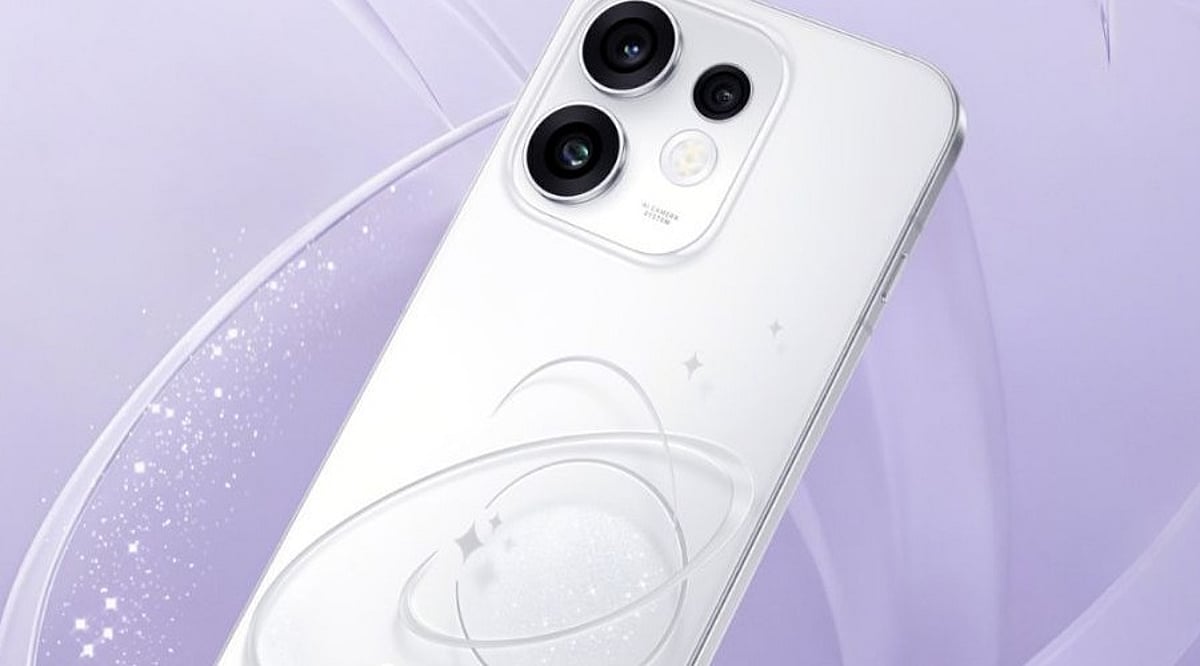
    OPPO has expanded its Reno 16 series with the launch of the Reno 16T in China. The new smartphone combines a compact 6.32-inch display with a massive 6,700mAh battery, a 200-megapixel primary camera, and MediaTek’s Dimensity 8550 Super chipset. The device starts at CNY 3,699 and is now listed on OPPO’s Chinese website.

    Price and Availability

    The OPPO Reno 16T is available in two configurations: the base model with 12GB RAM and 256GB storage at CNY 3,699, and a higher-end variant with 16GB RAM and 512GB storage at CNY 4,499. As of now, there is no official word on a launch in India or other global markets.

    Display and Design

    The Reno 16T features a 6.32-inch flexible OLED display with a resolution of 2,640 × 1,216 pixels. The panel supports a 120Hz refresh rate and up to 240Hz touch sampling, with a local peak brightness of up to 3,600 nits. The phone measures 151.21mm in height and 72.42mm in width, weighing between 188 grams and 191 grams depending on the color variant. It also carries an IP69K protection rating, making it highly resistant to dust and water.

    Camera System

    The rear camera setup is headlined by a 200MP primary sensor with OIS, accompanied by a 50MP ultrawide camera and a 50MP telephoto camera with OIS. The telephoto lens supports up to 3.5x optical zoom and up to 120x digital zoom. For selfies, OPPO has equipped the device with a 50MP autofocus front camera. The rear system can record 4K video at up to 60fps.

    Performance and Battery

    Under the hood, the Reno 16T runs on the Dimensity 8550 Super processor, paired with up to 16GB of RAM and UFS 3.1 storage. The phone packs a 6,700mAh battery with support for 80W SuperVOOC fast charging. Connectivity options include 5G, Wi-Fi 6, Bluetooth 5.4, NFC, and USB Type-C. The device ships with ColorOS 16 and features an under-display fingerprint sensor and an infrared remote control.

    For more details, visit the original article at Analytics Insight.

  • OPPO K14 Lite Review: 7 Key Factors to Evaluate Before Buying This Budget 4G Smartphone

    OPPO K14 Lite Review: 7 Key Factors to Evaluate Before Buying This Budget 4G Smartphone

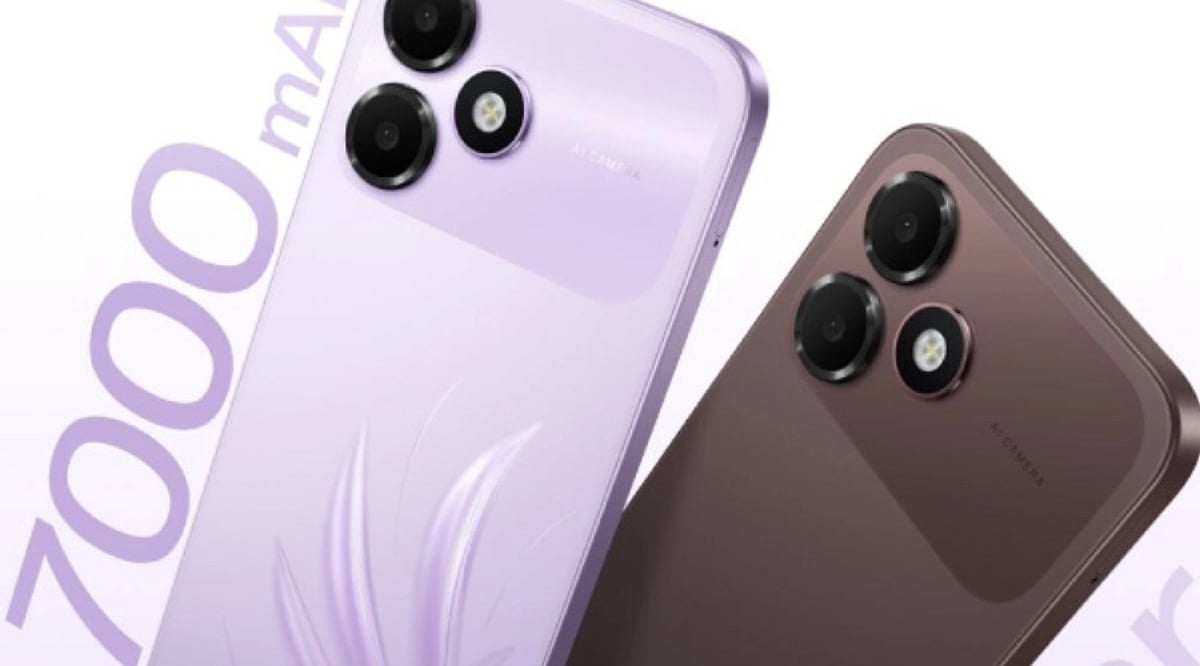
    The OPPO K14 Lite has one feature that stands out immediately: a huge 7,000mAh battery. OPPO has also confirmed a 6.75-inch display with a 120Hz refresh rate, ColorOS 16, an IP64 rating and a 13MP rear camera. The India launch takes place on September 16 at 12 PM IST, with Flipkart as the sales platform.

    There is also an important detail that changes the picture. Despite some reports and headlines that call the phone a 5G model, current specifications list the OPPO K14 Lite as a 4G-only phone. The listed chipset, Unisoc T7250, also supports 4G rather than 5G. That point deserves attention before any purchase decision.

    1. Check the 4G Network First

    Network support is the first major point to consider. The OPPO K14 Lite does not support 5G, according to the latest specification data. The phone supports 4G LTE, dual SIM use and Voice over LTE. This makes the device quite different from the OPPO K14 5G and K14x 5G.

    The difference matters for anyone who expects faster mobile data or plans to keep the phone for several years. A 4G connection can handle calls, social media, video and regular app use with ease, but the K14 Lite should not carry a 5G label in product coverage.

    2. Check the Large 7,000mAh Battery

    Battery capacity forms the strongest feature of the K14 Lite. The phone carries a 7,000mAh cell, while OPPO claims battery durability for up to six years. The company also lists up to 26.84 hours of video playback and up to 675.13 hours of standby time on a single charge.

    Such capacity can suit users who spend long hours away from a charger. The large cell also gives the K14 Lite a clear focus within the budget phone market. Battery size alone, however, should not decide the purchase. Charging speed also matters with such a large cell.

    3. Check the 6.75-Inch 120Hz Screen

    The K14 Lite uses a 6.75-inch LCD panel with a 120Hz refresh rate. Current specification data lists a 720 x 1570-pixel HD+ resolution, along with a peak brightness of 1,125 nits. The large size can help with video, reading and everyday app use, while the 120Hz rate can make menus and page movement feel smoother.

    The HD+ resolution is also worth noting. A 6.75-inch panel with this resolution will not offer the same sharp detail as a Full HD+ screen. The 120Hz rate adds smoothness, but resolution still matters for text, photos and fine details.

    4. Check the Unisoc T7250 Chip

    The Unisoc T7250 sits at the heart of the K14 Lite. Current listings show an octa-core setup with two Cortex-A75 cores at 1.8GHz and six Cortex-A55 cores at 1.6GHz, along with Mali-G57 graphics. The phone also carries 4GB of RAM, with virtual RAM support that can take the advertised memory figure up to 8GB.

    This hardware points toward basic daily tasks rather than heavy games. Calls, web use, video, messaging and common apps should fit the phone’s intended class. Buyers who want strong game performance should pay close attention to the chipset before purchase.

    5. Check the Camera Hardware

    The rear camera setup centres on a 13MP main sensor. Current listings also show a 5MP front camera, Full HD video at 30 frames per second from the rear camera and HD video at 30 frames per second from the front camera.

    The camera hardware looks simple rather than ambitious. That setup can handle casual photos, video calls and basic social media shots, but it does not match the camera hardware found on higher-priced phones. Camera quality will depend on image processing as well as the sensor count, so real-world tests should matter more than megapixel figures alone.

    6. Check ColorOS 16 and Durability

    OPPO gives the K14 Lite ColorOS 16, based on Android 16. The phone also carries an IP64 rating for dust and water resistance. OPPO has highlighted durability as part of the phone’s design, while reports also link the model with a claim for 36 months of smooth OS performance.

    The IP64 rating offers useful protection for normal dust exposure and water splashes. It does not make the phone suitable for underwater use, so the rating still needs careful interpretation.

    7. Check the Price Before Paying

    Price will decide how the K14 Lite fits into the market. As of the latest available pre-launch data, OPPO had not confirmed the official India price. Some reports place the phone below Rs. 20,000, while other estimates sit higher. Those figures remain estimates, not confirmed launch prices.

    Final Thoughts

    The OPPO K14 Lite has a mix of useful features and clear compromises. Its 7,000mAh battery and 120Hz display stand out, while 4G support and the basic chipset need close attention. These details can shape the phone’s daily experience, long-term value and suitability for different types of users.

    The K14 Lite therefore has a clear profile: a 7,000mAh battery, large 120Hz screen, ColorOS 16 and IP64 protection, paired with a basic processor and 4G connectivity. The final price will determine how those trade-offs fit the market.

    FAQs

    Is the OPPO K14 Lite a 5G phone?
    Current specifications list the OPPO K14 Lite as a 4G LTE phone, not a 5G model.

    How large is the OPPO K14 Lite battery?
    The phone has a 7,000mAh battery, with OPPO claiming up to 26.84 hours of video playback.

    What processor does the OPPO K14 Lite use?
    The phone uses the Unisoc T7250 chipset with two Cortex-A75 cores and six Cortex-A55 cores.

    What display does the OPPO K14 Lite have?
    The phone has a 6.75-inch LCD with a 120Hz refresh rate and 720 x 1570-pixel HD+ resolution.

    Which software does the OPPO K14 Lite use?
    The OPPO K14 Lite runs ColorOS 16 based on Android 16.

  • OPPO ColorOS 16 Debuts AI Mind Pilot and Smart Tools to Reduce App Switching

    OPPO ColorOS 16 Debuts AI Mind Pilot and Smart Tools to Reduce App Switching

    OPPO has rolled out its ColorOS 16 update, designed to minimize the number of apps users switch between for everyday tasks. The update is now live on select Find X and Reno series smartphones in India, with a broader rollout underway.

    The new system addresses the common frustration of jumping between multiple apps for simple activities like planning a trip, tracking expenses, or consulting an AI chatbot. OPPO aims to consolidate these scattered tasks into a single, seamless experience on the device.

    What the Update Offers

    The centerpiece of ColorOS 16 is AI Mind Pilot, a feature that integrates multiple AI models—including Gemini, GPT, and Perplexity—into one interface. According to OPPO, this provides users with diverse AI perspectives without requiring them to switch between separate applications.

    Another key addition is AI Mind Space, described as an intelligent memory hub that organizes saved articles, travel plans, reminders, and other scattered information in one place. Additional tools include AI Menu Translation for travelers, AI Bill Manager for tracking receipts and expenses, and a redesigned Live Space that displays real-time notifications in a capsule-style interface on the lock screen.

    More Relevant Details

    OPPO has also focused on smoothness and privacy. The update introduces Seamless Animation, powered by a new Luminous Rendering Engine, to make transitions between apps and widgets more fluid. On the privacy front, several AI features run locally on the device using Google’s Private Cloud Computing Security, ensuring data such as voice recordings and photos remain encrypted.

    Another addition is Screen Mirroring, which allows users to cast up to five apps simultaneously and control them with a mouse and keyboard. Together, these features mark one of OPPO’s most ambitious software updates to date.

  • Oppo Find N6 vs Motorola Razr Fold: Comparing Design, Performance, and Cameras

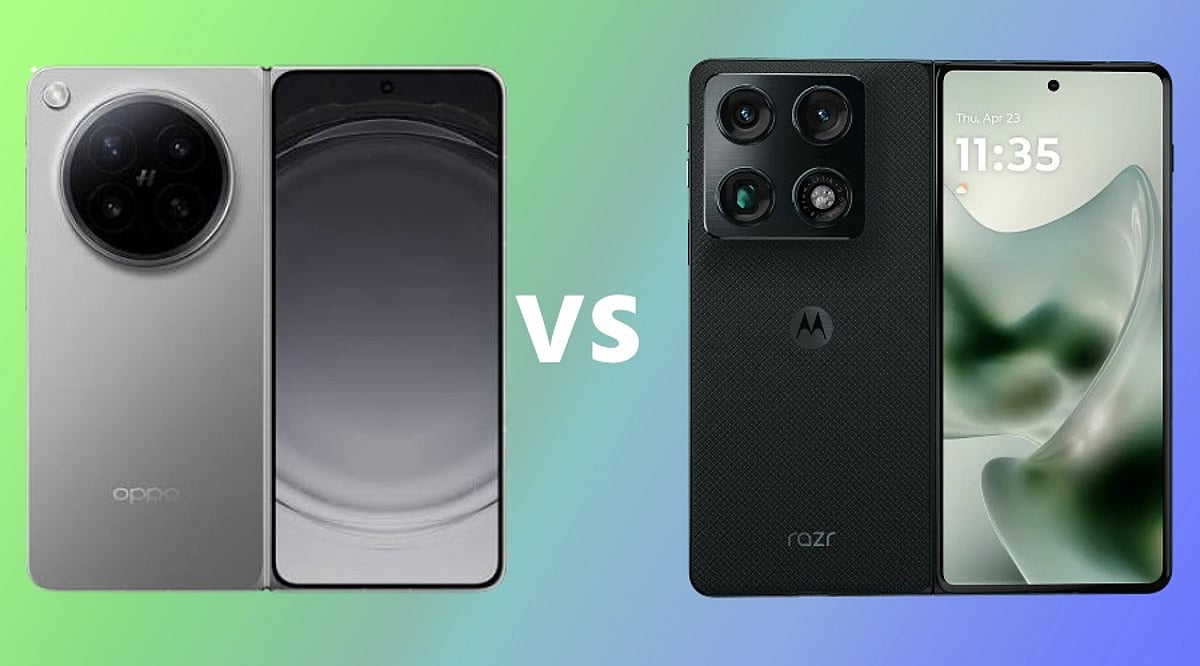
    Oppo Find N6 vs Motorola Razr Fold: Comparing Design, Performance, and Cameras

    The foldable smartphone market continues to heat up, with Oppo and Motorola each offering book-style devices that combine large screens with portability. The Oppo Find N6 and Motorola Razr Fold share several core specs—including 6,000mAh batteries, 80W wired charging, and 50W wireless charging—but differ significantly in design, camera systems, performance, and software support. This comparison breaks down the key differences to help you decide which foldable fits your needs.

    Design and Display

    The Oppo Find N6 features an 8.12-inch inner LTPO OLED display and a 6.62-inch cover screen, while the Motorola Razr Fold comes with an 8.1-inch internal display and a 6.6-inch cover panel. Both use LTPO OLED technology for the main screens, but the Razr Fold’s cover display supports a 165Hz refresh rate compared to the Find N6’s 120Hz cover screen.

    Oppo’s design focus is its second-generation Titanium Flexion Hinge, which the company says produces a ‘Zero-Feel Crease’—meaning the crease is barely visible under normal viewing angles, though it is still physically present. The Find N6 is also lighter and thinner: it weighs 225g and measures 4.2mm when unfolded (8.93mm folded), versus the Razr Fold’s 243g and 4.55mm unfolded (10.04mm folded).

    Performance and Software

    Under the hood, the Oppo Find N6 is powered by the Snapdragon 8 Elite Gen 5 Mobile Platform, while the Motorola Razr Fold uses the Snapdragon 8 Gen 5 chipset. Both are flagship-level processors, but the Elite variant in the Find N6 may offer a slight edge in raw performance.

    On the software side, the Find N6 runs Android 16 with ColorOS 16, which includes a Free-Flow Window feature that lets users run up to four apps simultaneously on the inner display. It also supports the optional OPPO AI Pen. The Razr Fold runs Android 16-based My UX and stands out with a promise of seven years of OS and security updates—a major advantage for long-term users.

    Camera Systems

    Camera hardware is one of the biggest differentiators. The Oppo Find N6 boasts a 200-megapixel Hasselblad Ultra-Clear Main Camera, a 50-megapixel ultra-wide lens, a 50-megapixel 3x periscope telephoto, and a dedicated True Color Camera. It supports 4K 120fps Dolby Vision recording on the main camera and 4K 60fps Dolby Vision on all three rear cameras.

    The Motorola Razr Fold uses a triple 50-megapixel setup: a main, ultra-wide, and telephoto camera. While still capable, it lacks the high-resolution main sensor and dedicated color camera found on the Oppo. For photography enthusiasts, the Find N6 clearly has the upper hand.

    Battery and Charging

    Both devices pack identical 6,000mAh silicon-carbon batteries and support 80W wired charging plus 50W wireless charging. In this area, neither phone holds a clear advantage—users can expect similar endurance and charging speeds from either foldable.

    Which One Should You Choose?

    The Oppo Find N6 excels in hardware: a more powerful processor, a superior 200MP Hasselblad camera system, a lighter and thinner design, and a nearly invisible crease. It’s the better choice for users who prioritize camera quality, performance, and a premium feel.

    The Motorola Razr Fold counters with a smoother 165Hz cover display, a versatile triple 50MP camera, and an industry-leading seven-year software update commitment. It appeals to those who value long-term support and a slightly more fluid cover screen experience.

    Ultimately, your decision should hinge on whether you want top-tier camera and performance hardware (Oppo) or extended software longevity and a higher refresh rate cover display (Motorola).

    Frequently Asked Questions

    Which phone has the larger display?

    The Oppo Find N6 has an 8.12-inch inner display, while the Motorola Razr Fold features an 8.1-inch internal display.

    Which foldable has a better camera?

    The Oppo Find N6 features a 200MP Hasselblad main camera, while the Motorola Razr Fold offers three 50MP rear cameras. The Oppo’s camera system is more advanced overall.

    Do both phones have the same battery capacity?

    Yes, both the Oppo Find N6 and Motorola Razr Fold pack 6,000mAh batteries with 80W wired charging and 50W wireless charging.

    Which phone is lighter?

    The Oppo Find N6 weighs 225g, making it lighter than the Motorola Razr Fold, which weighs 243g.

    Which phone offers longer software support?

    The Motorola Razr Fold offers seven years of OS and security updates, providing extended software support for users.