Tag: commodity prices

  • Gold Remains Elevated: MCX Trades at ₹1,51,360, Brent Crude at $102.13

    Gold Remains Elevated: MCX Trades at ₹1,51,360, Brent Crude at $102.13

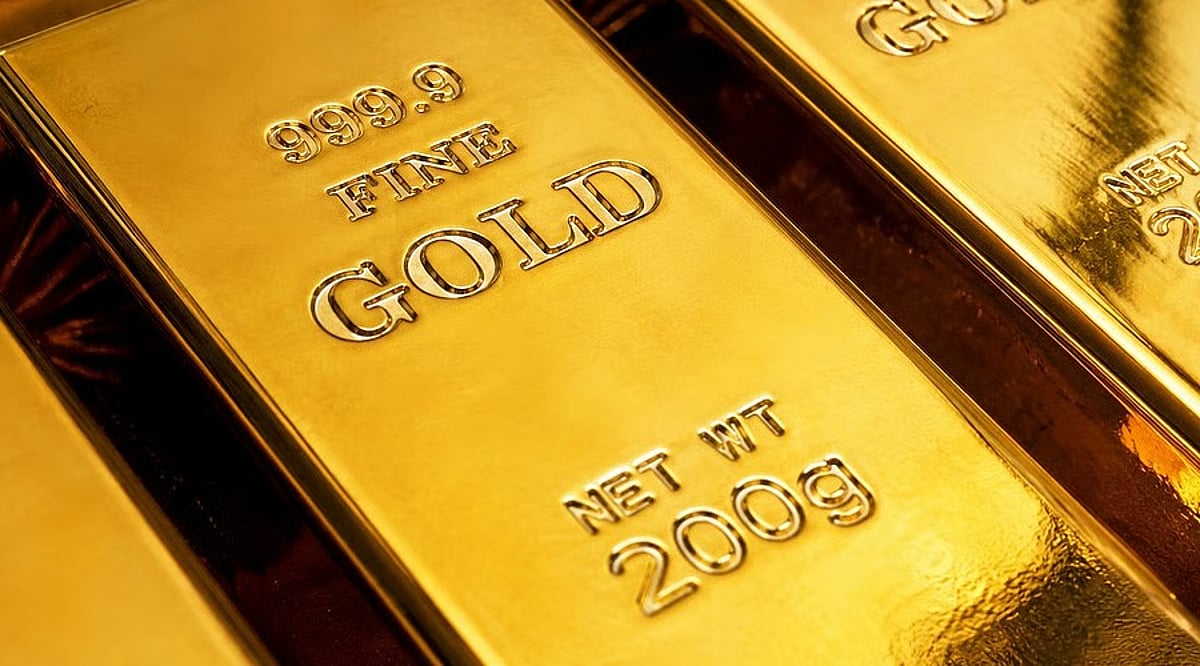
    Gold prices remained at elevated levels on September 24, 2026. In India, 24-karat gold was quoted at ₹15,421 per gram, while 22K and 18K rates stood at ₹14,136 and ₹11,566, respectively. US gold rates also stayed high, with spot prices above $4,000 per ounce.

    Gold prices held firm on Thursday, September 24, although rates edged slightly lower after a recent rally. Investors are closely monitoring global inflation signals, interest-rate expectations, and developments in energy markets. In India, the latest retail rates show only a marginal increase from the previous session for major gold purities, while international prices remain above the $4,000-per-ounce mark. Rates can vary between jewelers and locations; the figures quoted below are indicative.

    Gold Rate in Indian Market Today

    24-carat gold is priced at ₹15,421 per gram in India on September 24. The rate for 22-carat gold stands at ₹14,136 per gram, while 18-carat gold is available at ₹11,566 per gram. On a 10-gram basis, the corresponding prices are ₹1,54,210 for 24K, ₹1,41,360 for 22K, and ₹1,15,660 for 18K gold. The latest rates represent a marginal increase of ₹1 per gram across the three purities compared with the previous day’s quoted rates.

    MCX gold futures traded lower in early activity. The October contract was around ₹1,51,360 per 10 grams, down 0.89% from the previous close at the time of the latest available update. Retail prices do not include GST, TCS, making charges, and other applicable levies, meaning the final amount paid by consumers can be higher.

    Gold Rate in the USA Today

    In the US, 24K gold is priced at $141.50 per gram, 22K gold at $136.50 per gram, and 18K gold at $111.70 per gram. All three rates were lower than the previous day’s levels. Meanwhile, the international spot market hovered around $4,285–$4,290 per troy ounce in early trading on September 24. The previous day’s close was around $4,283, according to live market data.

    Also Read: Uday Kotak Warns India’s Gold Import Bill May Hit $90 Billion in FY27, Seeks Panel

    Key Takeaways for Gold Buyers

    Gold continues to trade at historically high levels despite short-term fluctuations. In India, 24K gold remains above ₹15,000 per gram, while international spot gold is holding above $4,000 an ounce. For buyers, the quoted retail rates should be treated as a reference rather than the final purchase price. Jewelry bills will also reflect purity, making charges, GST, and other applicable costs. Global movements in the dollar, interest-rate expectations, inflation, and geopolitical developments will remain important factors for gold prices in the coming sessions.

  • Beyond Interest Rates: 5 Key Drivers of Stock Market Movements

    Beyond Interest Rates: 5 Key Drivers of Stock Market Movements

    Interest rates often dominate financial headlines, but they are far from the only force influencing stock markets. Corporate earnings, inflation, commodity prices, geopolitical events, currencies, investor sentiment, and capital flows all play significant roles. Understanding these factors helps investors interpret market movements and avoid relying on a single indicator.

    1. Corporate Earnings and Profit Expectations

    Corporate earnings are one of the strongest drivers of individual stock prices. Investors constantly compare reported results with market expectations. A company can report higher profits and still see its shares fall if earnings disappoint against already-high expectations. Revenue growth, profit margins, guidance, and future earnings estimates all matter. Strong results can support valuations when investors expect continued growth, while disappointing results can put pressure on share prices. The broader market also depends on earnings across major sectors such as technology, financials, healthcare, energy, and consumer companies.

    2. Inflation and Economic Data

    Investors track consumer prices, employment, wages, manufacturing, and economic growth. These reports can change expectations about future business conditions. Higher inflation can increase companies’ costs, pressuring profit margins, while lower inflation can improve purchasing power and reduce pressure on operating costs. Economic growth also matters: strong growth supports corporate revenue and consumer spending, while weak growth raises concerns about future earnings. Markets react quickly to major economic releases.

    3. Commodity Prices and Energy Costs

    Oil, natural gas, metals, and agricultural commodities can influence markets worldwide. Oil is particularly important as energy affects transportation and manufacturing costs. Higher prices can squeeze margins across industries such as airlines, chemicals, logistics, and manufacturing. Energy producers may experience a different earnings impact. Commodity movements also affect inflation expectations, creating another channel for market volatility. Recent oil price movements above USD 108 per barrel amid geopolitical tensions have put global equities under pressure.

    4. Geopolitical Events and Government Policies

    Wars, trade restrictions, elections, sanctions, and diplomatic disputes can quickly change investor expectations. Markets often react before the economic consequences become clear. Investors may reduce exposure to sectors facing direct risks. Trade policies can affect companies operating across borders—tariffs may increase costs or reduce demand for exported products. Geopolitical risks can also disrupt energy supplies and shipping routes, spreading across multiple economies. Energy prices and trade policies are extremely important in today’s situation.

    5. Investor Sentiment, Currency, and Market Flows

    Markets are influenced by how investors allocate capital. Foreign investment flows can affect stock prices, particularly in emerging markets, while domestic institutional flows can provide substantial buying or selling pressure. Currency movements matter for companies with international revenues or costs—a stronger local currency can reduce overseas earnings after conversion. Investor sentiment adds another layer: fear can accelerate selling, while optimism can increase demand for riskier assets. Market positioning can sometimes amplify an otherwise modest news event, explaining why similar announcements can produce different reactions.

    Why a Wider Market View Matters

    Interest rates are important, but they rarely explain every market move. Corporate earnings show whether businesses are generating profits. Economic data provides clues about demand and growth, while commodity prices reveal changing cost pressures. Geopolitical events can alter trade and supply chains. Currency movements and investor flows influence liquidity and valuations, and sentiment can magnify these underlying forces. By watching several indicators, investors gain better context—since no single market signal explains every rise or decline.

    Frequently Asked Questions

    What factors move the stock market besides interest rates?

    Corporate earnings, inflation, economic growth, commodity prices, currencies, geopolitical developments, investor sentiment, and capital flows can all influence stock markets. These factors often interact, making market movements more complex than a single interest-rate decision.

    How do corporate earnings affect stock prices?

    Earnings provide information about a company’s financial performance. Investors compare reported results with expectations. Strong revenue, profits, margins, and guidance can support valuations, while disappointing results can put pressure on share prices.

    Does inflation affect the stock market?

    Yes. Inflation can increase business costs and reduce consumer purchasing power. It can also influence expectations for monetary policy, affecting company earnings, bond yields, and investor valuations.

    Why do oil prices affect stocks?

    Oil is an important input for transportation, manufacturing, and several other industries. Rising prices can increase operating costs, while energy companies may see higher revenue from increased commodity prices.

    How do geopolitical events affect stock markets?

    Wars, sanctions, trade restrictions, and supply disruptions can change investor expectations. They affect energy prices, shipping costs, currencies, and specific industries. Markets can react before the full economic impact becomes visible.

    Disclaimer: This article is provided for informational purposes only and does not constitute investment advice. Readers should conduct their own research before making any investment decisions.

  • Gold Prices Edge Higher on MCX as Crude Oil Plunges Over 5%; Key Levels to Watch

    Gold Prices Edge Higher on MCX as Crude Oil Plunges Over 5%; Key Levels to Watch

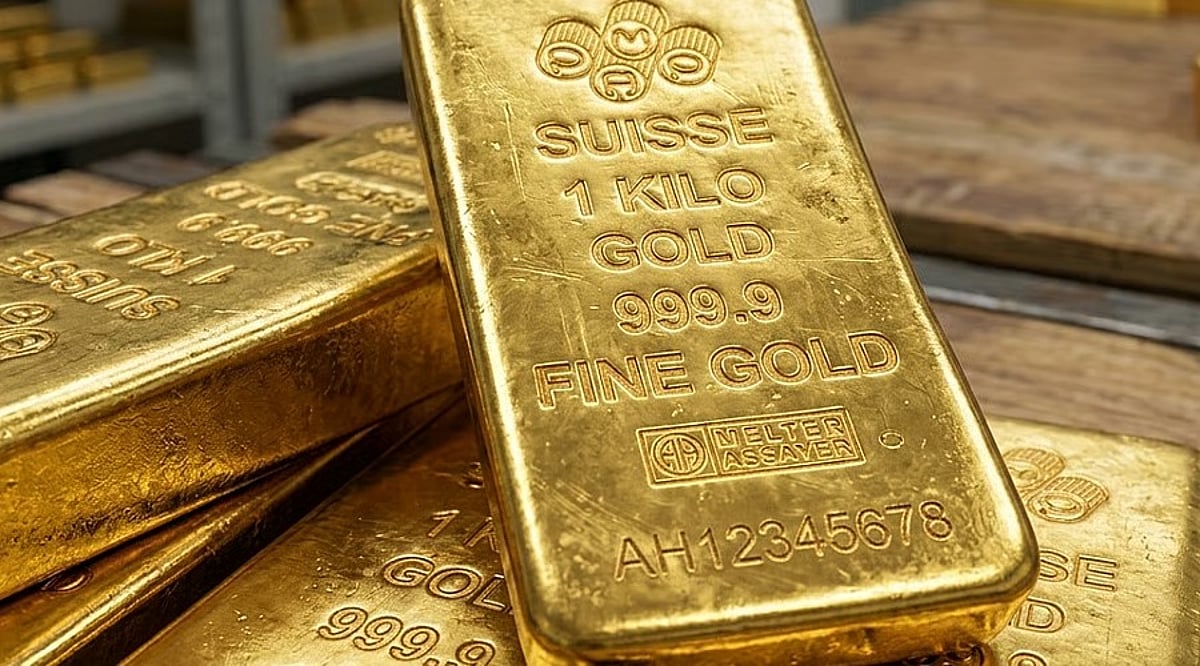
    Gold futures traded higher on the Multi Commodity Exchange (MCX) on August 3, supported by a declining US dollar and a sharp drop in crude oil prices after US President Donald Trump confirmed that talks with Iran would take place on Monday. August gold futures rose 0.28% to Rs. 1,43,780 per 10 grams, while September silver futures advanced 0.89% to Rs. 2,19,124. Meanwhile, Brent crude futures fell 5.05% to $83.49 per barrel, and US West Texas Intermediate (WTI) declined 5.76% to $79.79 per barrel.

    Domestic Gold Prices

    In the domestic market, 24K gold was trading at Rs. 1,44,220 per 10 grams, while 22K gold stood at Rs. 1,32,200. Regionally, Mumbai and Kolkata quoted gold at Rs. 1,44,600, Delhi at Rs. 1,44,370, and Chennai at Rs. 1,44,550.

    US Gold Prices

    Gold prices in the US rose on Monday as oil prices fell after President Trump refrained from fresh attacks on Iran in hopes of a swift deal. Spot gold edged up 0.4% to $4,055.76 per ounce, while US gold futures gained 0.9% to $4,054. Spot silver rose 1.4% to $58.46, platinum climbed 0.5% to $1,650.63, and palladium firmed 1.6% to $1,293.50.

    Key Levels to Watch

    “Gold has made a relatively cheery start to the week, but gains remain limited given the uncertainty around the oil markets and the Middle East, so it’s an upbeat but guarded start for the metal,” said Tim Waterer, chief market analyst at KCM Trade. He added that any renewed escalation in the Middle East pushing oil higher, or a strong Non-Farm Payrolls (NFP) print that reinforces September rate-hike odds, could cap the upside.

    International support and resistance: Gold has support at $4,014 and $3,980 per troy ounce, with resistance at $4,074 and $4,110. Silver support is at $56.80 and $56.30, with resistance at $59.40 and $60.

    On MCX: Gold support is at Rs. 1,42,750 and Rs. 1,42,200, with resistance at Rs. 1,44,000 and Rs. 1,44,550. Silver support is at Rs. 2,15,500 and Rs. 2,14,000, with resistance at Rs. 2,19,000 and Rs. 2,20,500.

  • MCX Gold and Silver Hold Steady as Fed Rate-Hike Bets Ease and Dollar Strengthens

    MCX Gold and Silver Hold Steady as Fed Rate-Hike Bets Ease and Dollar Strengthens

    Gold and silver prices on the Multi Commodity Exchange (MCX) remained largely unchanged on July 6, 2026, as a softer-than-expected US jobs report tempered expectations of further interest rate hikes by the Federal Reserve. However, a stronger US dollar capped gains for the precious metals.

    Domestic Prices

    August gold futures on MCX edged down by 0.02% to Rs. 1,47,351 per 10 grams, while September silver futures slipped 0.19% to Rs. 2,36,966 per kilogram. In the spot market, 24K gold fell by Rs. 11 to Rs. 1,46,620 per 10 grams, and 22K gold declined by Rs. 10 to Rs. 1,34,400. Regional prices varied slightly, with Mumbai and Kolkata quoting Rs. 1,46,620, Delhi at Rs. 1,46,770, and Chennai at Rs. 1,49,450.

    US Gold and Silver Markets

    Internationally, spot gold held steady near a two-week high at $4,174.66 per ounce, supported by a weaker dollar after last week’s job data. US gold futures for August delivery rose 1.5% to $4,186.70 per ounce. Meanwhile, spot silver fell 0.6% to $62.03 per ounce, pulling back from a June 23 high. Platinum declined 0.1% to $1,636.60 per ounce, and palladium lost 0.2% to $1,271.75 per ounce.

    Brent crude futures fell 0.41% to $71.41 a barrel, while US West Texas Intermediate (WTI) dropped 0.28% to $68.50 a barrel.

    Market Outlook and Key Levels

    According to the CME FedWatch Tool, traders now see a 55% chance of a rate hike in September, down from 60% previously. “Gold has regained some poise as markets dial back rate-hike expectations. While this provides relief on the yield front, the dollar’s strength continues to act as a ceiling,” said Tim Waterer, chief market analyst at KCM Trade.

    Manoj Kumar Jain of Prithvifinmart Commodity Research recommended buying gold on dips around Rs. 1,46,000–Rs. 1,45,000 with a stop loss below Rs. 1,43,850 for targets of Rs. 1,48,000 and Rs. 1,49,100. For silver, he suggested buying on dips around Rs. 2,34,400–Rs. 2,31,000 with a stop loss below Rs. 2,27,000 for targets of Rs. 2,41,000 and Rs. 2,44,000.

    Disclaimer: This article is for informational purposes only and does not constitute investment advice. Analytics Insight does not provide financial guidance on cryptocurrencies or stocks. Readers should conduct their own research (DYOR) before making any investment decisions.