
Tag: connectivity

  • The Wireless Audio Revolution: How Bluetooth Is Reshaping Everyday Listening

    The Wireless Audio Revolution: How Bluetooth Is Reshaping Everyday Listening

    Bluetooth has fundamentally changed how people experience sound, liberating audio from wired constraints and embedding it into earbuds, speakers, vehicles, and smart-home systems. From private listening on the go to shared, room-filling sound, wireless audio has become an integral part of daily life. Recent listening trends reveal a surge in audio consumption across TVs, cars, and connected speakers, signaling a permanent shift toward untethered sound.

    Earbuds Lead the Charge

    True wireless earbuds have revolutionized portable audio by eliminating cables entirely. Modern models now pack advanced features such as active noise cancellation, spatial audio, voice assistant integration, and intuitive touch controls. Premium TWS (True Wireless Stereo) products are drawing strong consumer interest as users prioritize sound quality, comfort, and seamless connectivity with their devices.

    Open-Ear Audio Takes Off

    Open-ear earbuds are carving out a new niche in wireless listening, allowing users to stay aware of their surroundings while enjoying audio. This design is ideal for outdoor activities, commuting, and casual listening where environmental awareness is crucial. Their growing popularity underscores how Bluetooth audio is transcending traditional in-ear designs to accommodate diverse lifestyles.

    Smart Speakers Change the Room

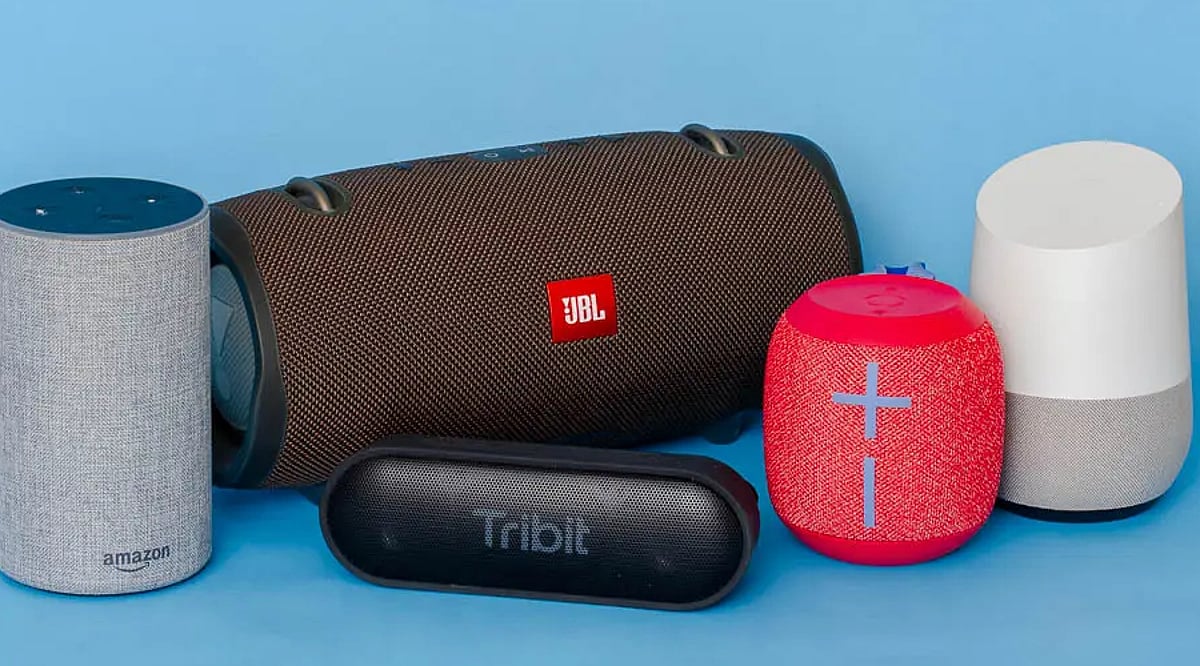
    Bluetooth speakers have evolved from simple portable gadgets into sophisticated, connected entertainment hubs. Smart speakers now bring music, podcasts, and voice-controlled functions into bedrooms, kitchens, and living rooms. This transformation marks a shift from personal listening to shared, ambient audio experiences that fill entire spaces.

    Cars Become Audio Hubs

    Wireless audio is also becoming deeply integrated into vehicles, enabling drivers and passengers to stream music, podcasts, and calls without any wires. Bluetooth connectivity has turned the car into yet another major listening environment. As smartphones, infotainment systems, and wireless accessories converge, audio increasingly follows users wherever they go.

    Bluetooth Keeps Getting Smarter

    Bluetooth technology itself is advancing rapidly, delivering more efficient and capable wireless audio. The introduction of Bluetooth LE Audio and the LC3 codec has expanded what low-energy wireless connections can support, improving battery life and sound quality. Emerging developments promise even greater data throughput and broader broadcast-style audio experiences, paving the way for more innovative use cases.

    The Future Is Wireless

    The Bluetooth audio boom is no longer confined to headphones. Earbuds, speakers, cars, TVs, and smart-home devices are converging into a connected audio ecosystem that surrounds everyday users. As wireless standards and device intelligence improve, listening is becoming more flexible, more social, and more deeply woven into daily routines. The age of untethered sound is here, and it is only accelerating.

  • India’s Internet Growth Faces Undersea Cable Vulnerabilities

    India’s Internet Growth Faces Undersea Cable Vulnerabilities

    India’s rapid digital expansion relies heavily on a network of submarine cables that carry the vast majority of its international internet traffic. However, this critical infrastructure faces several vulnerabilities that could threaten the country’s connectivity ambitions.

    Undersea Cables: The Backbone of Global Internet

    Almost all intercontinental digital communication depends on submarine cables. For India, these cables link the country with Europe, Africa, West Asia, and Asia, enabling seamless international data flow.

    Concentration Near Mumbai Creates a Bottleneck

    At least 13 of India’s 18 intercontinental submarine cables land within roughly six kilometers of Mumbai’s Versova coast. This single landing zone handles a major share of the nation’s international bandwidth, making it a critical point of failure.

    Soaring Data Consumption

    India’s broadband subscriber base surpassed 1.06 billion in March 2026. Wireless data usage jumped from 73,324 PB to 77,953 PB in just one quarter, underscoring the relentless growth in demand.

    Aging Infrastructure

    About 11 of India’s 18 international cable systems are over 20 years old, approaching the end of their typical design life. This aging infrastructure adds strain as AI, cloud computing, and video traffic continue to surge.

    No Domestic Cable Repair Capability

    India currently lacks an Indian-flagged, Indian-owned, or India-stationed submarine cable repair vessel. Repairs depend on foreign operators and ships, leading to potential delays when faults occur.

    Risks of Cable Cuts

    A single cable fault does not immediately disrupt India’s internet—traffic can reroute through other paths. However, multiple cuts, congested alternatives, or slow repairs can degrade international connections, causing higher latency and slower speeds.

    Geopolitical Risks in the Red Sea

    Several key international routes traverse the Red Sea and Strait of Hormuz. Damage in these regions forces traffic onto longer or more congested routes, adding pressure to global connectivity.

    New Projects Offer Hope

    Emerging cable projects aim to reduce dependence on Mumbai. The I-2SEA system will connect India with Malaysia and Singapore, with planned landings at Machilipatnam and South Chennai, targeting operational status by 2029.

    Need for Enhanced Repair Capacity

    The Telecom Regulatory Authority of India (TRAI) has recommended exploring Indian-flagged repair vessels and establishing cable depots on both the eastern and western coasts. Increasing landing sites, deploying newer cables, and speeding up repair systems are essential for building resilience.

    Read more stories and join our WhatsApp Channel for the latest news, exclusives, and videos.