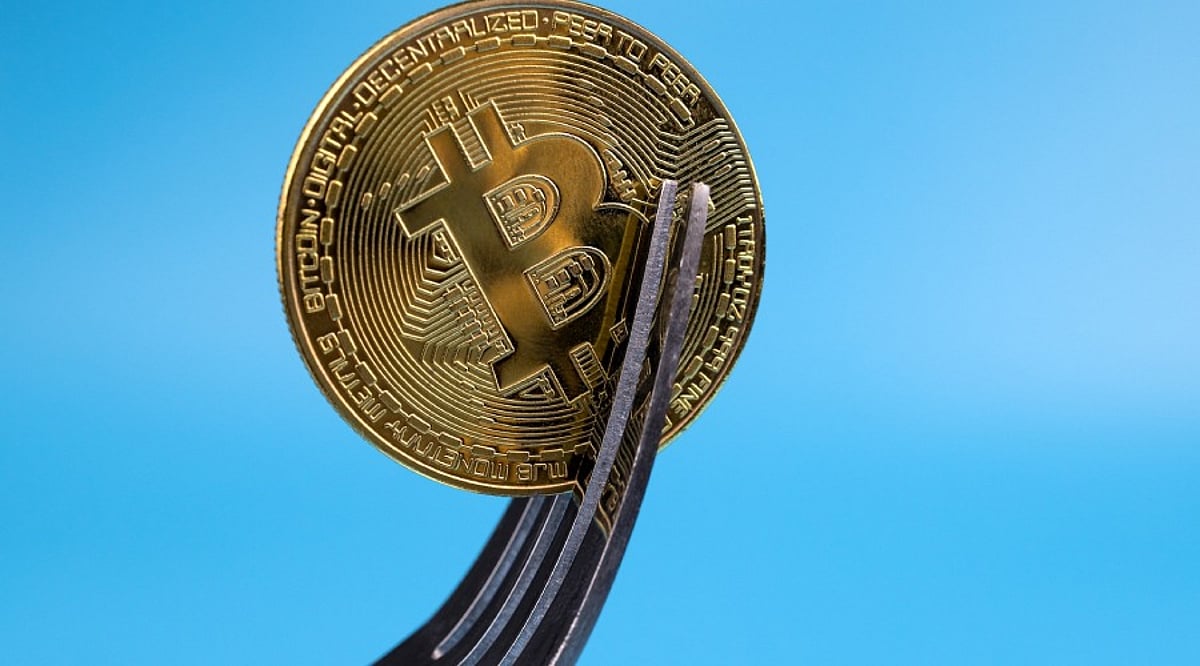
Bitcoin operates under a set of consensus rules that determine which transactions and blocks participants consider valid. When these rules change, the process is called a fork. Understanding the difference between hard forks and soft forks is essential for anyone following Bitcoin’s evolution.
What Is a Bitcoin Fork?
Every full node on the Bitcoin network validates blocks independently based on its software’s consensus rules. Nodes reach consensus when they independently confirm the same blockchain. Temporary forks can happen when two miners discover valid blocks at nearly the same time, but the network quickly converges on the chain with the most cumulative proof of work. Protocol forks, however, involve changes to the validation rules themselves.
What Is a Soft Fork?
A soft fork tightens the rules, making previously valid transactions or blocks invalid under the new, stricter criteria. It remains backward compatible: older nodes can still recognize blocks produced under the new rules as valid, even though they don’t enforce the extra restrictions. Bitcoin has used soft forks multiple times. Examples include BIP34 (block heights in coinbase transactions), BIP66 (strict DER encoding for ECDSA signatures), and BIP65 (CHECKLOCKTIMEVERIFY). More recent soft forks are Segregated Witness (2017) and Taproot (2021). Soft forks can be activated through miner signaling or node enforcement, allowing gradual adoption while older software continues to follow valid blocks safely during the transition.
What Is a Hard Fork?
A hard fork introduces rules that older nodes cannot fully accept. If upgraded nodes accept blocks that older nodes reject, permanently divergent chains can emerge. Bitcoin Cash is a clear example. On August 1, 2017, Bitcoin Cash split from Bitcoin at block 478,558 due to disagreements over scaling and block capacity. The two networks share history before that block but have since developed separate blockchains, currencies, and communities. Bitcoin Cash has continued evolving independently, activating CashTokens in 2023 and an Adaptive Block Limit Algorithm in 2024.
Why Consensus Matters
Developers can propose Bitcoin upgrades, but they cannot force adoption. Full nodes choose which consensus rules to enforce. This makes coordination essential. Miners producing blocks under incompatible rules can cause divergence, and exchanges and wallet providers must decide which networks and assets to support. Bitcoin Core itself continues to evolve without every software release being a consensus fork. As of September 2026, Bitcoin Core version 31.1 is the latest release. Many updates improve performance, security, networking, or wallet functionality without altering consensus rules.
Final Thoughts
Soft forks introduce stricter, backward-compatible consensus rules, while hard forks can make upgraded and older nodes incompatible. Grasping this difference helps explain how Bitcoin evolves without a central administrator and why network consensus remains fundamental to protocol changes.
Frequently Asked Questions
1. What is a Bitcoin fork?
A Bitcoin fork occurs when blockchain rules change or participants temporarily follow competing versions of the chain. Protocol forks modify consensus rules governing how nodes validate transactions and blocks.
2. What is the difference between a hard fork and a soft fork?
A soft fork introduces stricter rules while maintaining backward compatibility with older nodes. A hard fork introduces incompatible rules that can result in separate blockchains if participants continue supporting both versions.
3. Does every Bitcoin fork create a new cryptocurrency?
No. Temporary blockchain forks and backward-compatible soft forks do not necessarily create new cryptocurrencies. A separate asset can emerge when a hard fork produces two independently maintained networks.
4. Is Bitcoin Cash a hard fork of Bitcoin?
Yes. Bitcoin Cash separated from Bitcoin on August 1, 2017, amid disagreements over scaling and block capacity. BTC and BCH subsequently developed as independent blockchain networks and cryptocurrencies.
5. Are SegWit and Taproot Bitcoin soft forks?
Yes. Segregated Witness activated in 2017, while Taproot activated in 2021. Both introduced new Bitcoin functionality through soft-fork mechanisms without creating a separate cryptocurrency.