
Tag: consumer rights

  • Amazon’s $309.5 Million Refund Settlement: Eligibility, Deadlines, and Steps to Claim

    Amazon’s $309.5 Million Refund Settlement: Eligibility, Deadlines, and Steps to Claim

    Amazon has proposed a $309.5 million settlement to resolve claims that some customers did not receive accurate, timely, or complete refunds for returned physical products. The proposed class action, In re: Amazon Return Policy Litigation, is pending in Washington federal court. Amazon denies any wrongdoing, and the court has not found any legal violation or misconduct.

    What Is the Amazon Refund Settlement About?

    The lawsuit focuses on refunds that were allegedly missing, delayed, incorrect, or later reversed after customers returned products through Amazon.com. According to settlement materials, an internal review by Amazon in 2025 identified a limited group of unresolved refund cases. Some refunds failed during payment processing, while others involved issues with return verification.

    Amazon says it began issuing some affected refunds separately during 2025. The company has also agreed to make reasonable efforts to issue additional payments outside the settlement fund.

    Who Is Covered by the Settlement?

    The settlement covers U.S. customers who returned physical products through Amazon.com between September 5, 2017, and February 12, 2026. To qualify, customers must meet all of these conditions:

    • Purchased a physical product through Amazon.com
    • Initiated a return or refund request for that product
    • Amazon’s records show the returned product reached the United States during the covered period
    • The refund remained unpaid, was late or incorrect, or was later charged back after payment

    Subclass A and Subclass B

    The settlement divides eligible customers into two groups. Subclass A includes qualifying customers whose information is already in Amazon’s records. These customers will receive payments automatically if the court grants final approval, but they must visit the settlement website within 105 days to select a payment method.

    Subclass B covers eligible customers who need to submit a claim form to receive payment. The claim deadline is December 1, 2026. The same deadline applies to customers who wish to exclude themselves from the settlement or submit objections.

    Court Approval and Key Dates

    The court granted preliminary approval on August 18, 2026. A final approval hearing is scheduled for March 16, 2027, at 10 a.m. Pacific Time in Seattle. Payments will begin only after the court approves the settlement.

    How Much Will Eligible Customers Receive?

    The $309.5 million fund does not guarantee identical payments for every eligible customer. Distribution will follow the court-approved settlement plan after valid claims and approved expenses are accounted for. The fund also covers administration costs, attorney fees, and any approved incentive awards.

    How to File a Claim

    Eligible customers can check claim instructions and get the latest updates on the official settlement website, ReturnSettlement.com. The site includes court documents, deadlines, and additional information about the Amazon refund settlement.

    Amazon has stated that the settlement is not an admission of liability, and the court has not concluded that Amazon violated consumer protection laws. Customers with questions are encouraged to review the official settlement website and act before the December 1, 2026, deadline.
  • Flipkart Directed to Refund Customer Who Received Fake iPhone in Place of iPhone 14 Pro

    Flipkart Directed to Refund Customer Who Received Fake iPhone in Place of iPhone 14 Pro

    In a significant consumer protection ruling, the Bulandshahr District Consumer Commission has ordered Flipkart to refund a customer who received a counterfeit Chinese smartphone instead of the iPhone 14 Pro he had ordered. The consumer panel directed the e-commerce giant to pay back the full purchase amount along with interest and compensation for mental harassment.

    The commission issued the order on September 9, 2026, requiring Flipkart to refund Rs. 1,43,335 to customer Om Prakash Singh, a resident of Anoopshahr. The company must also pay 7% annual interest on that amount from the date the complaint was filed. Additionally, Flipkart was ordered to pay Rs. 30,000 in compensation, which includes Rs. 20,000 for mental harassment and Rs. 10,000 toward litigation costs.

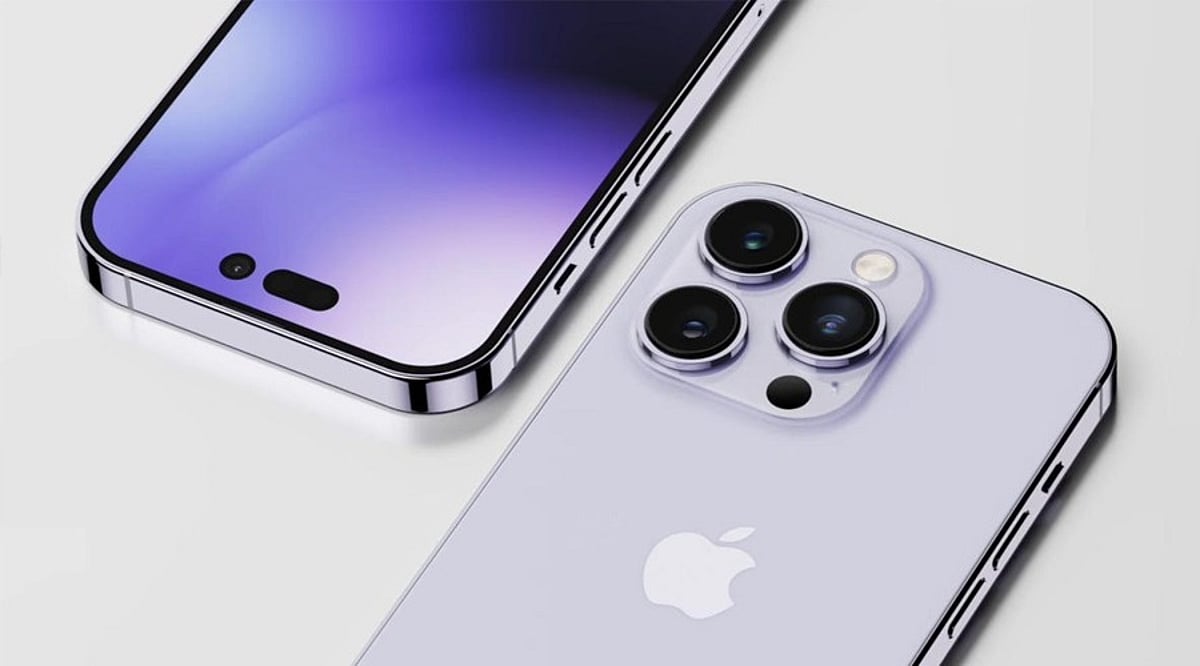
    Singh placed the order on May 29, 2023, using his credit card to purchase what was advertised as a Deep Purple iPhone 14 Pro with three rear cameras. When the package arrived at an address in R.K. Puram, New Delhi, Singh opened it in front of the delivery executive. Instead of the promised iPhone, the box contained a green Chinese smartphone bearing a fake Apple logo and only two rear cameras. Singh recorded the entire opening process on the delivery agent’s phone, and the video was later shared with him via WhatsApp.

    Immediately after discovering the fraud, Singh contacted Flipkart customer care and initiated a return request through his phone. However, the seller later canceled the return request. Singh said he made multiple subsequent attempts to resolve the matter through customer support but was repeatedly stonewalled. He further alleged that a company representative marked the product as damaged without conducting a proper inspection and that he was not allowed to explain the issue.

    In its defense, Flipkart argued that it operates as an online intermediary connecting customers with independent sellers and is not directly responsible for the products sold on its platform. The company also cited its open-box delivery process, maintaining that Singh could have checked the package and refused delivery upon discovering the incorrect product. Flipkart denied all allegations of fraud and harassment.

    The consumer commission rejected Flipkart’s defense entirely. District Consumer Commission Public Information Officer Shekhar Verma stated that the case was heard by commission president Justice Hasnain Qureshi and member Neelam Kumari. “After considering the arguments of both sides, the commission rejected the company’s defence and held that it had adopted an unfair trade practice and was seriously deficient in providing service,” Verma said.

    The commission gave Flipkart 45 days to comply with the order. If payment is not made within that period, the outstanding amount will attract 8% annual interest.

  • Nintendo Moves to Dismiss Class Action Over Switch 2 Tariff Refunds

    Nintendo Moves to Dismiss Class Action Over Switch 2 Tariff Refunds

    Nintendo has filed a motion in a U.S. court to dismiss a lawsuit demanding refunds for Switch 2 buyers following adjustments to import tariffs. The company argues that customers are not legally entitled to refunds because it never promised price reductions if tariffs changed.

    The lawsuit, initially filed in April 2026 by two consumers in California and Washington, claims Nintendo used tariff refunds to grow the company instead of returning the extra charges to gamers. The dispute stems from price hikes on Switch 2 controllers and the original Switch after U.S. tariffs were imposed—tariffs later declared illegal by the Supreme Court.

    In its legal filing, Nintendo stated it did not assure customers that the console’s price would fluctuate with tariff changes. “Customers knew the price before placing their orders and chose to buy the console at that amount,” the company said, emphasizing there are no legal grounds for refunds.

    Background of the Lawsuit

    The controversy began during the Switch 2 pre-order period. Nintendo delayed U.S. pre-orders to assess tariff impacts, but when orders opened, the console price remained unchanged—though the controller cost $5 more. After tariffs were overturned, Nintendo reportedly secured refunds on those duties, prompting the lawsuit.

    Plaintiffs Gregory Hoffert and Prashant Sharan seek class action status for all U.S. purchasers of price-hiked Nintendo items between February 1, 2025 and February 24, 2026. Nintendo CEO Shuntaro Furukawa previously stated the company views tariffs as a cost factor and incorporates them into pricing.

    Broader Implications

    The case raises a fundamental question for businesses: when a company saves money from reduced tariffs, must it lower prices for customers? Legal experts note that in most cases, companies are free to set their own prices unless they made explicit promises or violated consumer protection laws. Lower costs do not automatically translate to lower retail prices.