
Tag: cooking technology

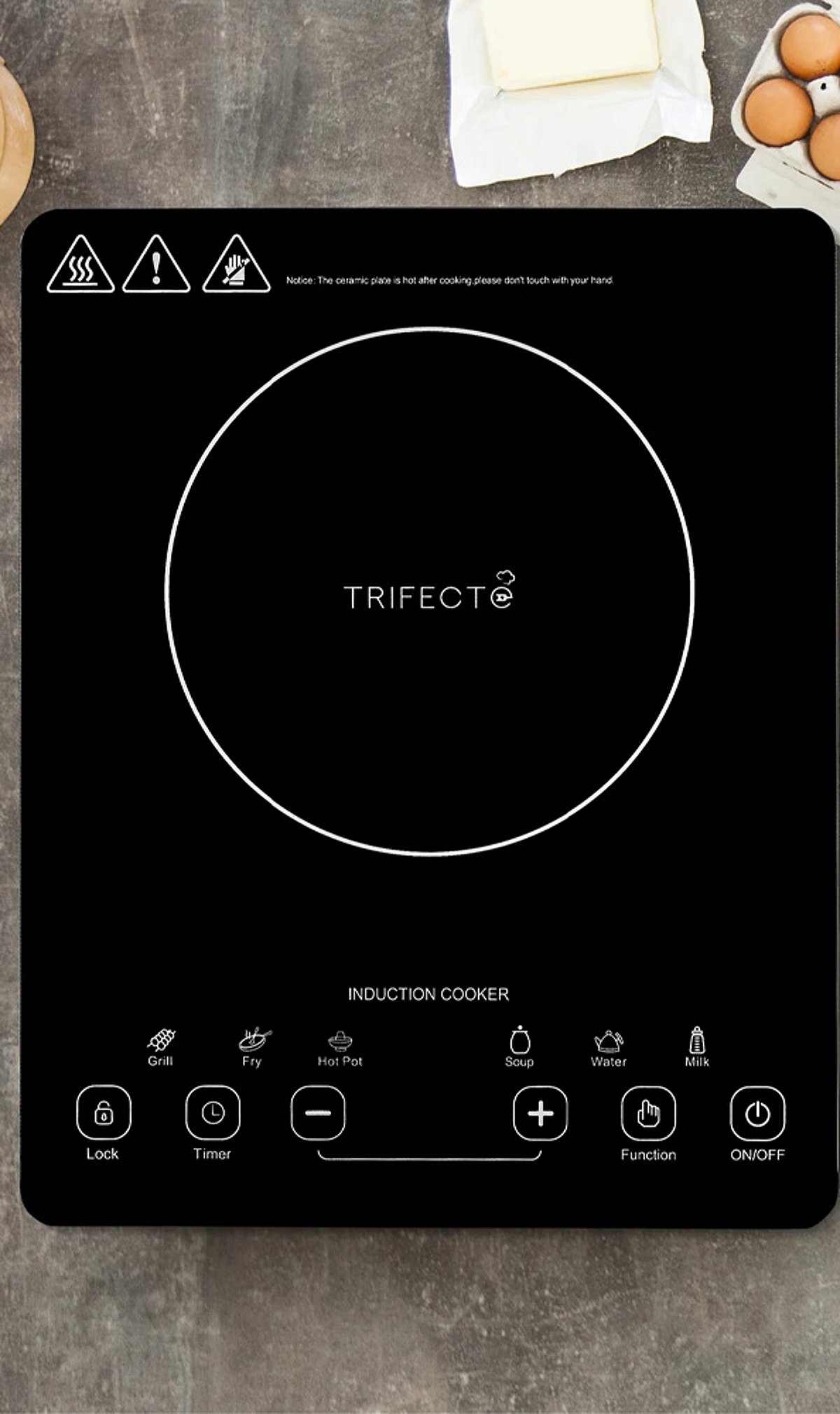
  • Best Induction Cooktops for Fast, Energy-Efficient Cooking in 2025

    Best Induction Cooktops for Fast, Energy-Efficient Cooking in 2025

    Induction cooktops are revolutionizing modern kitchens with their rapid heating, precise temperature control, and superior energy efficiency. Here’s what you need to know when choosing the best model for your home.

    Key Features to Consider

    Fast Heating Performance

    Choose induction cooktops that deliver rapid, consistent heating. This reduces cooking time by efficiently transferring energy directly to compatible cookware.

    High Energy Efficiency

    Induction technology minimizes heat loss by heating cookware directly, making it significantly more energy-efficient than conventional electric or gas surfaces.

    Precise Temperature Control

    Multiple power levels allow fine adjustments for delicate simmering, rapid boiling, and controlled cooking across a variety of recipes.

    Powerful Cooking Capacity

    Higher wattage and strong power output handle demanding tasks like boiling, frying, and heavy-duty meal preparation effortlessly.

    Multiple Cooking Zones

    Multi-zone cooktops enable simultaneous cooking, ideal for preparing several dishes at once during busy meal times.

    Safety Features

    Automatic shut-off, pan detection, child locks, and residual heat indicators improve safety and prevent unnecessary energy consumption.

    Easy Cleaning Surface

    A smooth glass-ceramic surface makes induction cooktops much easier to wipe clean than traditional gas burners and grates.

    Cookware Compatibility

    Induction cooktops require magnetic cookware. Check whether your existing stainless-steel or cast-iron utensils are compatible before purchasing.

    Best Choice for Efficiency

    For fast, precise, and energy-efficient cooking, induction cooktops offer a strong combination of performance, safety, and everyday convenience.
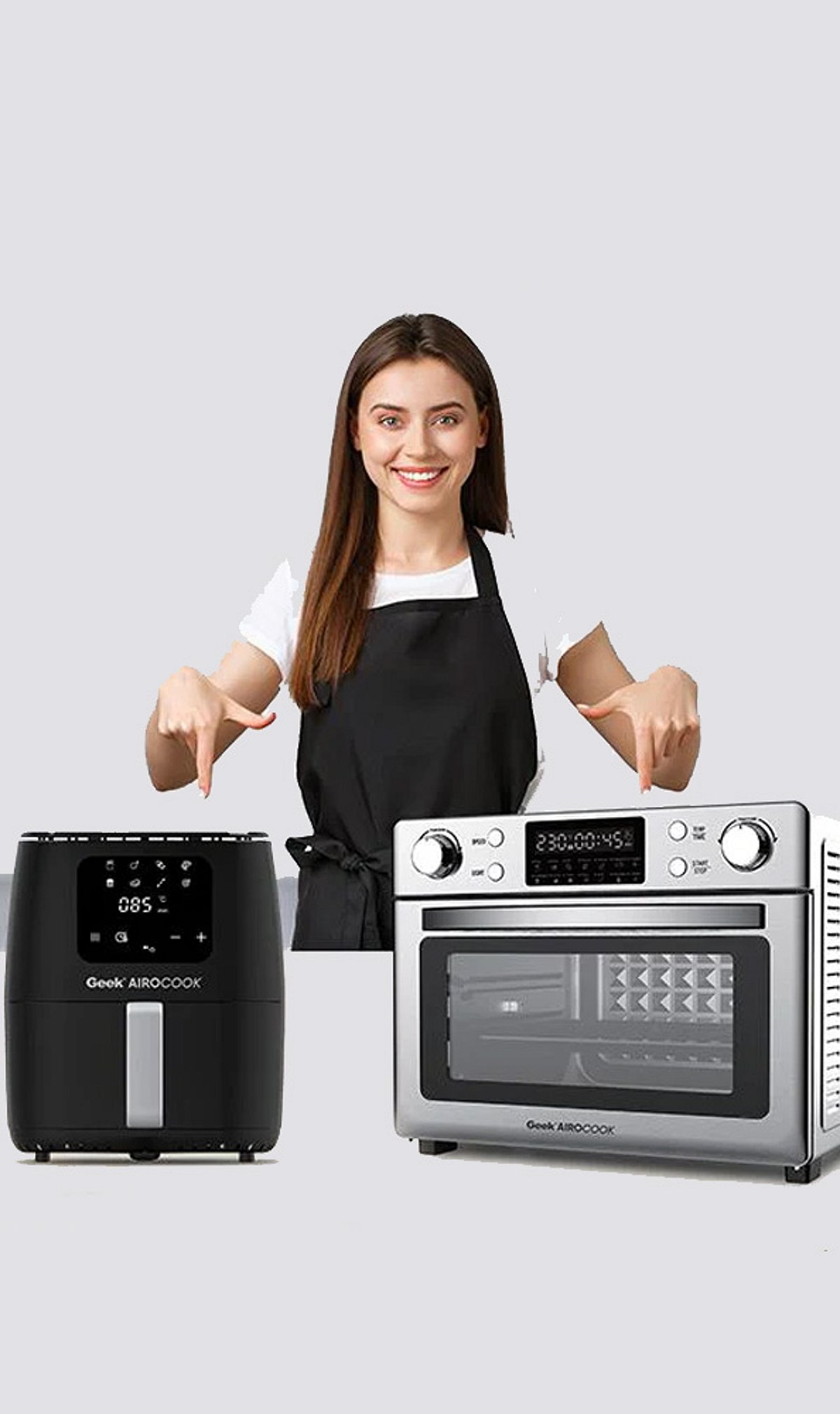
  • Smart Air Fryer vs. Traditional Air Fryer: Key Differences and Which One to Choose

    Smart Air Fryer vs. Traditional Air Fryer: Key Differences and Which One to Choose

    When choosing between a smart air fryer and a traditional air fryer, the decision often comes down to your preference for convenience versus simplicity. Smart air fryers offer app controls, automation, and remote cooking capabilities, while traditional models provide straightforward manual operation without connectivity.

    Smart Features vs. Simplicity

    Smart air fryers come with app controls and automation, allowing you to monitor and adjust cooking from your smartphone. Traditional air fryers, on the other hand, rely on manual dials or buttons — no setup, pairing, or software updates required.

    Ease of Use

    Traditional air fryers are simple to operate: just set the time and temperature. Smart models require initial app setup, Bluetooth or Wi-Fi pairing, and occasional firmware updates, which may be a hurdle for less tech-savvy users.

    Remote Cooking Control

    Smart models let you remotely start, pause, or adjust cooking via an app. This is a major convenience for busy households or multitaskers who want to check on dinner without being in the kitchen.

    Cooking Performance

    Both types use hot-air circulation technology, so cooking results are similar when temperature, timing, and capacity are comparable. The core cooking method is the same.

    Automation and Presets

    Smart air fryers include automated programs and guided recipes, reducing guesswork for beginners and simplifying meal prep. Traditional models typically have fewer presets or none at all.

    Price and Value

    Traditional air fryers generally cost less, offering better value for users who only need basic cooking functions. Smart models command a premium for their advanced features.

    Smart Home Integration

    Connected air fryers may support voice assistants like Alexa or Google Assistant and integrate with smart-home ecosystems. This adds convenience for users already invested in connected devices.

    Maintenance and Reliability

    Traditional models have fewer electronic components, making them potentially easier to maintain and less dependent on software or connectivity. Smart models may face issues like app bugs or connectivity drops.

    Which One Should You Choose?

    Choose a smart air fryer if you value automation, remote control, and smart home integration. Opt for a traditional model if you prioritize affordability, simplicity, and dependable operation without extra electronics.