
Tag: cooling technology

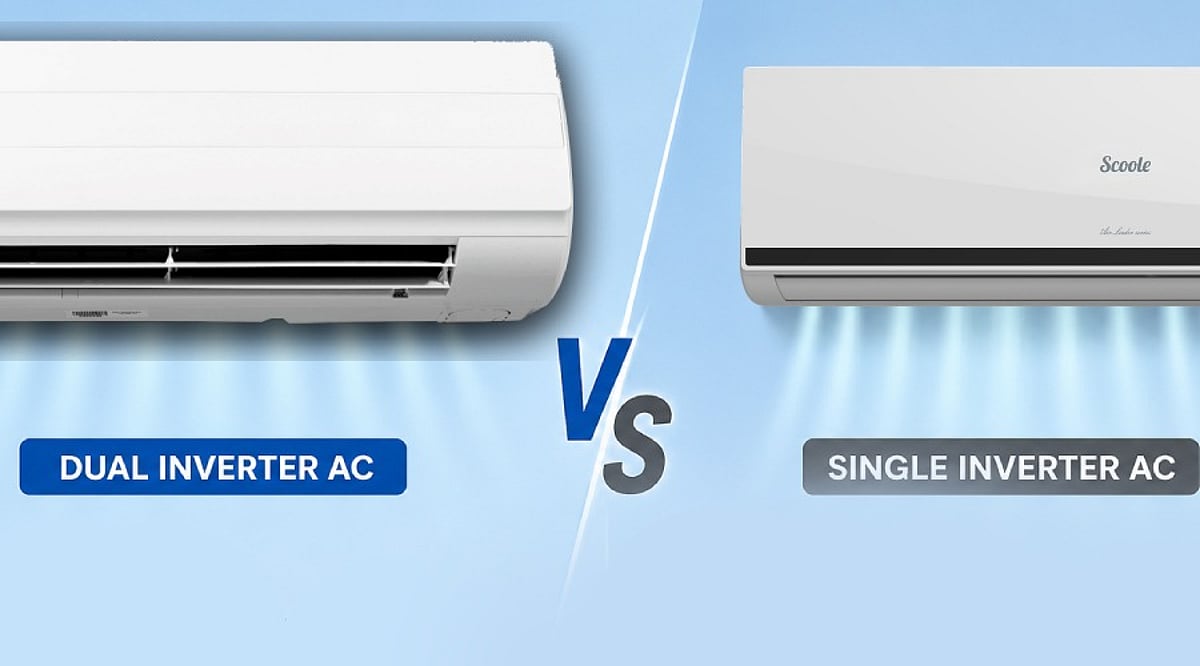
  • Dual Inverter vs Single Inverter AC: Which Model Delivers Better Energy Savings in 2026?

    Dual Inverter vs Single Inverter AC: Which Model Delivers Better Energy Savings in 2026?

    Choosing a new air conditioner can be challenging, as manufacturers promote several technologies and efficiency features. Two of the most common names you will see are Single Inverter AC and Dual Inverter AC. Many people think a dual inverter AC always uses much less electricity, but that is not completely true. The real answer depends on more than one factor.

    If you compare two ACs with the same cooling capacity, such as 1.5 Ton, a dual inverter model usually uses a little less electricity than a single inverter model. However, the BEE star rating and ISEER value matter even more. A 5-Star single inverter AC with a higher ISEER can use less electricity than a 3-Star dual inverter AC. So, one should never choose an AC only because the product is marketed as a Dual Inverter model.

    What is a Single Inverter AC?

    A single inverter AC has one rotary compressor. This compressor changes its speed based on the room temperature. When the room becomes cool, the compressor slows down instead of stopping completely. When the temperature rises again, it speeds up. This system helps the AC avoid constant on and off cycles. As a result, the AC uses less electricity than a normal fixed-speed AC. It also keeps the room temperature more stable and reduces pressure on the compressor.

    What is a Dual Inverter AC?

    A dual inverter AC comes with a twin rotary compressor instead of a single rotary compressor. Some brands also call it a Dual Rotary compressor. The basic idea stays the same. The compressor changes its speed based on the cooling demand, but the twin rotary design allows smoother operation. The second rotary cylinder helps the compressor work more efficiently across different speeds. It also reduces vibration and noise. Because of this design, the AC cools the room faster and maintains the desired temperature with less effort. The advantages of dual inverter technology become more noticeable during extended daily operation, where smoother compressor performance can improve efficiency, reduce noise, and maintain more consistent cooling.

    Which One Uses Less Electricity?

    If buyers compare the dual inverter vs. single inverter AC based on their tonnage and average BEE star rating, it is observed that the dual inverter AC consumes roughly 5% to 10% less energy than the single inverter variant. The reason behind the energy efficiency of the dual inverter AC is because of the twin rotary compressor, which operates quite efficiently under low working conditions. However, that doesn’t make all the models of dual inverter AC superior to the single inverter AC models. For example, a single inverter AC that has a 5-Star energy rating and ISEER of 5.3 may consume fewer units of energy as compared to a dual inverter AC that has a 3-Star energy rating and an ISEER of 4.2. Thus, this example makes it clear that energy ratings are more significant than the type of compressor.

    Why Does a Dual Inverter Save More Power?

    The twin rotary compressor allows smoother movement inside the AC. It keeps the compressor stable and helps it run at lower speeds without extra effort. This design also reduces vibration and friction. Since the compressor does not need sudden speed changes, it avoids unnecessary power use during long cooling sessions. These small improvements add up over time. They become more noticeable when the AC runs for many hours every day.

    Real Electricity Consumption Example

    Consider two 1.5 Ton ACs with similar cooling capacities operating under identical conditions during one cooling season. If each unit runs for approximately eight hours per day, a typical single inverter AC may consume around 850 kWh of electricity over the season. Under the same conditions, a comparable dual inverter model may consume between 780 and 810 kWh. This translates to an estimated saving of 40–70 kWh, although the actual difference varies depending on the BEE star rating, ISEER value, thermostat setting, room insulation, and outdoor temperature.

    Other Benefits of a Dual Inverter AC

    A dual inverter AC typically delivers faster cooling after startup. The twin rotary compressor is designed for smoother operation, which helps reduce noise and vibration. This results in quieter performance and improved comfort during extended use. Many customers also notice better temperature control because the compressor adjusts its speed more smoothly. These features improve comfort, especially during long summer days and nights.

    Which AC Should One Buy in 2026?

    Daily usage should guide the decision. Households that use an AC for six to ten hours every day or keep it running throughout the night may benefit more from a dual inverter AC. The small reduction in electricity use can add up over several years, while quieter operation and faster cooling make daily use more comfortable. For households that use an AC for only two to four hours each day, a single inverter AC can offer better value for money. Comparing the BEE star rating and ISEER value before compressor technology is recommended, as a high-efficiency single inverter AC often proves to be a smarter purchase than a lower-rated dual inverter model.

    Final Verdict

    A dual inverter air conditioning system is generally more energy-efficient than a single inverter system, as it uses a dual rotary compressor that operates more efficiently during prolonged cooling periods. In most instances, its efficiency gains are not excessively great, as one should only expect savings of about 5% to 10% when all other criteria are the same. Buyers looking for an economical AC in 2026 should begin by comparing the BEE star rating and ISEER value of the models under consideration. The compressor type should be evaluated afterward. When two models have the same energy ratings, a dual inverter AC typically offers advantages such as quieter operation and faster cooling. However, if a single inverter AC has a significantly higher ISEER value, it may be the better choice for overall energy efficiency.

    FAQs

    1. Does a dual inverter AC always consume less electricity?
    No. A higher-rated single inverter AC with a better ISEER can consume less electricity than a lower-rated dual inverter model.

    2. How much electricity can a dual inverter AC save?
    Under similar conditions, it can save around 5% to 10% more electricity than a comparable single inverter AC.

    3. What should I check before buying an AC in 2026?
    First compare the BEE Star Rating and ISEER value, then consider whether it uses a single or dual inverter compressor.

    4. Is a dual inverter AC worth the extra cost?
    Yes, if you use your AC for 6–10 hours daily or overnight. The energy savings, quieter operation, and faster cooling can justify the higher price.

    5. Besides saving electricity, what are the benefits of a dual inverter AC?
    It offers faster cooling, quieter operation, lower vibration, smoother temperature control, and improved comfort during extended use.
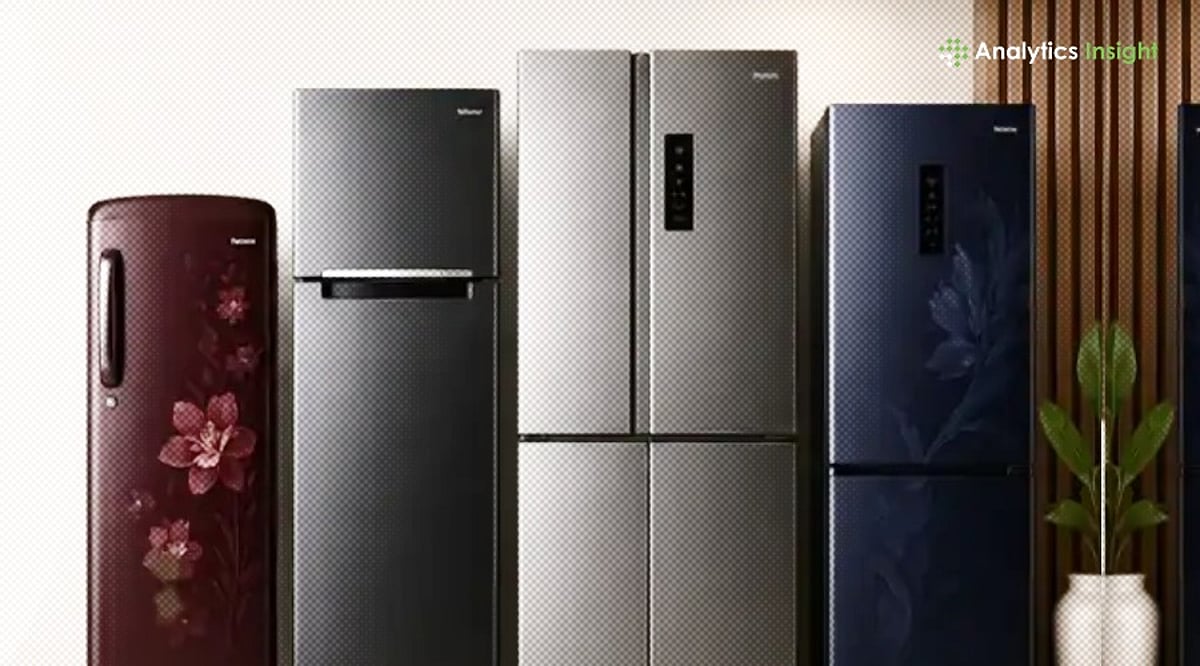

  • Top Convertible Refrigerator Brands in India for 2026: Flexible, Efficient Cooling

    Top Convertible Refrigerator Brands in India for 2026: Flexible, Efficient Cooling

    Refrigerators have evolved from basic cooling appliances to smart storage solutions. In India, convertible refrigerators have gained popularity for their ability to switch between freezer and fridge compartments, adapting to changing household needs. Whether it’s storing extra vegetables during festival seasons or freezing bulk purchases, these models offer flexibility and energy savings.

    What Is a Convertible Refrigerator?

    A convertible refrigerator lets you adjust the function of the freezer compartment—turning it into additional fridge space or back to a freezer as needed. This feature is controlled digitally, allowing you to optimize storage based on your weekly groceries, seasonal produce, or family size. Most modern models also include inverter compressors, digital displays, and multiple cooling modes for efficient operation.

    Why Choose a Convertible Fridge?

    Indian households often face varying storage demands. Convertible refrigerators help reduce food waste by providing extra fridge space when needed, and they maintain energy efficiency by adjusting cooling based on usage. Many models are designed to work without a voltage stabilizer, making them suitable for areas with fluctuating power supply. Energy savings from inverter technology also lower electricity bills over time.

    Top 10 Convertible Refrigerator Brands in India

    Here are the leading brands offering convertible refrigerators in the Indian market as of June 2026:

    • Samsung – Known for digital inverter compressors that deliver consistent cooling and energy efficiency even under heavy use.
    • LG – Offers smart diagnostics, stabilizer-free operation, and multi-airflow systems for uniform cooling.
    • Whirlpool – Recognized for quick cooling mechanisms and durable designs at competitive prices.
    • Haier – Provides affordable, space-saving models ideal for small apartments and families.
    • Godrej – Tailored for Indian climates, with efficient cooling even in high temperatures.
    • Panasonic – Focuses on temperature consistency and quiet operation with well-insulated compartments.
    • Bosch – Premium build quality with advanced cooling technology and long-lasting durability.
    • Hitachi – Features advanced cooling technologies and is favored for reliability.
    • Electrolux – Mid-range models with user-friendly controls and efficient cooling for everyday needs.
    • Siemens – German-engineered premium models that emphasize strong performance and durability.

    How to Select the Right Convertible Refrigerator

    Consider your family size, kitchen space, and typical storage needs. Larger families benefit from bigger capacities with convertible zones, while smaller households may opt for compact, energy-efficient units. Always check the energy rating—models with 5-star BEE ratings offer the best long-term savings. Features like inverter compressors and multi-airflow systems improve temperature stability and reduce power consumption.

    Final Thoughts

    Convertible refrigerators have moved from a luxury to a practical necessity in modern Indian homes. They offer greater flexibility, reduce food waste, and improve energy efficiency. With multiple brands offering models across various price ranges, there is a suitable option for every budget and lifestyle.

    Frequently Asked Questions

    1. What is a convertible refrigerator?
    A convertible refrigerator allows you to switch the freezer compartment into additional fridge space and vice versa, using digital controls. This flexibility helps manage seasonal storage needs.

    2. Which brands are best for convertible refrigerators in India?
    Top brands include Samsung, LG, Whirlpool, Haier, Godrej, Panasonic, Bosch, Hitachi, Electrolux, and Siemens—all offering energy-efficient models with inverter technology.

    3. Are convertible refrigerators energy efficient?
    Yes, most models use inverter compressors that adapt cooling to usage, leading to lower electricity consumption and stable temperatures.

    4. Who should buy a convertible refrigerator?
    These are ideal for families with varying storage needs, small apartments, and those who store seasonal produce. They help optimize freezer and fridge space efficiently.

    5. What is the price range for convertible refrigerators in India?
    Prices typically range from ₹18,000 to over ₹1,00,000 depending on brand, capacity, and features. Premium models include smart cooling, better durability, and advanced inverter systems.

  • MIT Spinout Ferveret Uses Nuclear-Inspired Cooling to Slash Data Center Energy and Water Use

    MIT Spinout Ferveret Uses Nuclear-Inspired Cooling to Slash Data Center Energy and Water Use

    Data centers are expanding rapidly to support the rise of artificial intelligence, and their energy consumption is projected to account for up to 17 percent of U.S. electricity by the end of the decade. Currently, about one-third of that power goes toward cooling the chips that run AI models. A new startup founded by two MIT researchers aims to change that by adapting a technique originally designed for nuclear reactors.

    Ferveret, co-founded by former MIT postdoc Reza Azizian and MIT Professor Matteo Bucci, has developed a liquid cooling system that uses no water and significantly less electricity than traditional air-based methods. The system submerges computer servers in a specialized fluid that absorbs heat far more efficiently than air. What sets it apart from other liquid cooling solutions is the size and behavior of the bubbles it generates: Ferveret’s Adaptive Phase Cooling (APC) technology produces much smaller bubbles that detach from the server surfaces more frequently, accelerating the heat transfer process.

    The company is already testing its technology with several major players, including CleanSpark, FuriosaAI, and Switch, one of the largest data center operators in the U.S. In collaboration with UCLA’s computer science department, Ferveret demonstrated that its APC solution improves computational power efficiency by 15 percent compared to state-of-the-art liquid cooling. When combined with the startup’s power control software, the system can boost the number of tokens generated per watt by up to 35 percent, according to the company.

    “Our goal is to make data centers as sustainable as possible and help them use every single watt of power to generate tokens, which are the most useful outputs,” says Azizian. “Our system enables the operation of more powerful chips, it helps data centers waste a lot less energy, and it accomplishes all that with zero water consumption.”

    The founders’ journey began during Azizian’s postdoc at MIT in 2013, where he worked with Bucci on heat transfer in nuclear reactors. After stints at Microsoft and Nvidia, Azizian realized the cooling inefficiencies in data centers firsthand. “I thought, ‘Holy crap, this is not how you cool facilities,’” he recalls. The pair founded Ferveret in 2021, applying decades of knowledge from nuclear engineering to optimize heat removal in computing environments.

    Ferveret’s system uses a liquid with a low boiling point and no toxic PFAS chemicals. The process, inspired by subcooled boiling in reactors, creates bubbles that quickly recondense, hastening the cooling cycle. The modular design—each server fits into a small box—makes deployment easier than traditional immersion tanks. The company also offers control software that dynamically adjusts power to each server for maximum efficiency.

    Beyond energy savings, the water-free cooling opens new possibilities for data center location. “The sun shines in places where you don’t have much water, so the advantage of us being water-free is we allow you to build data centers where you have solar energy but nothing to cool the data center down,” says Bucci. This could enable data centers in regions like Africa, the Middle East, and parts of America that lack water resources.

    Ferveret is part of Nvidia’s Inception program and is in talks with major cloud computing companies. The startup plans to announce expanded partnerships later this year as it scales its technology to support the growing AI industry without straining the planet.