

Tag: cost comparison

  • Claude Sonnet 5.5 Delivers Near-Opus Performance at Half the Price

    Claude Sonnet 5.5 Delivers Near-Opus Performance at Half the Price

    Anthropic launched Claude Sonnet 5.5 on September 28, 2026, introducing a powerful yet cost-effective AI model that closely rivals its premium counterpart, Claude Opus 5.5, released just a week earlier. The new model offers strong coding and productivity capabilities at a significantly lower price point, making it an attractive option for businesses that need reliable AI assistance without the higher expense of Opus.

    Pricing and Performance

    Sonnet 5.5 is priced at $2 per million input tokens and $10 per million output tokens—roughly half the cost of Opus 5.5, which charges $4 per million input tokens and $20 per million output tokens. Despite the lower price, Sonnet 5.5 is more than 30% faster than its predecessor, Sonnet 5.

    Performance benchmarks show Sonnet 5.5 competing closely with Opus 5.5. It scored 70.6% on the Terminal-Bench 4.0 test, compared to 66.4% for Opus 5.5. On an independent intelligence index, the new Sonnet model achieved a score of 56, up from 38 for the previous generation. However, Anthropic notes that Opus remains the better choice for tasks requiring deeper reasoning and longer workflows.

    Availability and Features

    Claude Sonnet 5.5 is available now on Amazon Web Services, Google Cloud, and Microsoft Azure under the model name claude-sonnet-5-5. It offers zero data retention, and Anthropic has promised the release of Claude Haiku 5.5 in the coming weeks.

    Why Cost Matters for Everyday AI Work

    The lower cost of Sonnet 5.5 is especially valuable for companies that use AI extensively. Developers can leverage the model for coding, bug fixing, and code review, while business users can generate documents, slides, and spreadsheets more efficiently. With thousands of daily AI requests, even small savings per token add up significantly. Faster response times and reduced token usage further help control operational costs.

    Sonnet 5.5 does not make Opus 5.5 obsolete—the two models serve different needs. Sonnet handles routine tasks at a lower cost, while Opus remains the go-to for complex, resource-intensive work. For users, the key takeaway is clear: there is now a more affordable option that covers a wide range of daily AI tasks without requiring the premium model.
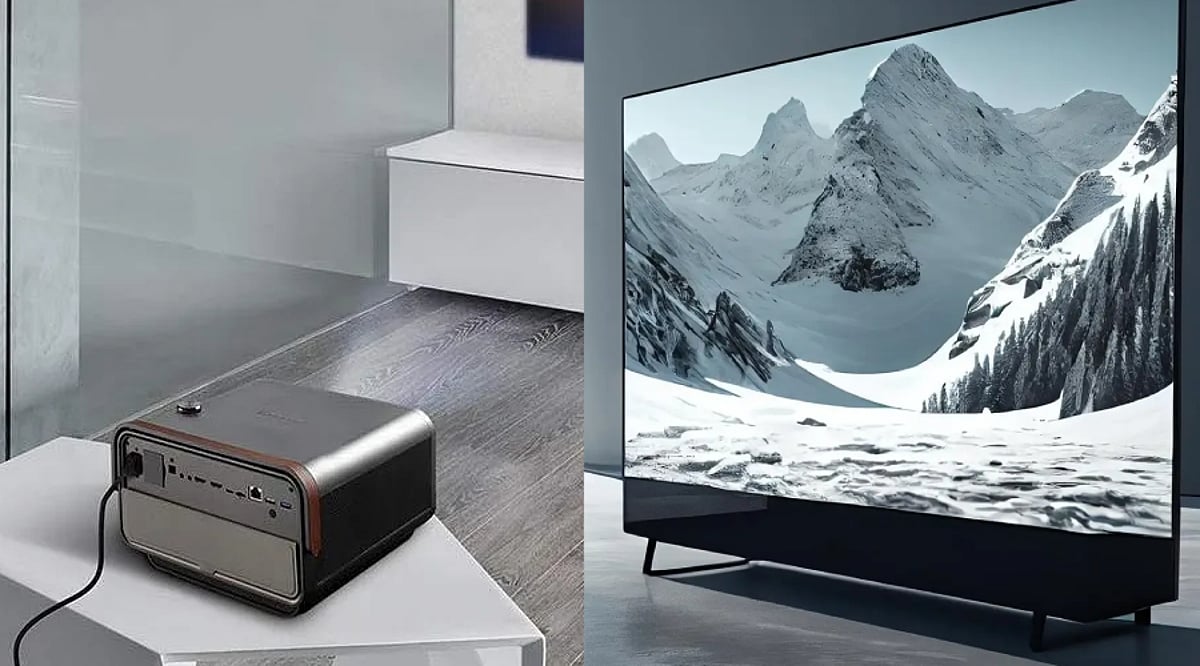
  • Projector vs. TV: Which Home Entertainment Option Costs More Over Time?

    Projector vs. TV: Which Home Entertainment Option Costs More Over Time?

    Choosing between a home projector and a television involves more than just comparing sticker prices. While a giant projector screen can turn a living room into a personal cinema, a TV offers a simpler, all-in-one solution. However, the upfront cost tells only part of the story. Long-term expenses — including power usage, accessories, replacement parts, and lifespan — can significantly affect which option is truly more affordable.

    Upfront Prices Can Be Surprisingly Similar

    Basic projectors and TVs often fall into comparable price ranges, depending on size and specifications. Entry-level models can cost a few hundred dollars, while premium home-theater equipment can run into the thousands. The real cost difference emerges when you factor in accessories, installation, and replacement over time.

    Projectors Often Require Extra Equipment

    A projector typically needs more than just the unit itself. Buyers may need a dedicated screen, blackout curtains, speakers, or mounting gear to create a proper home cinema. These extras can push the total investment well above the initial projector price.

    Electricity Costs Vary by Device

    Power consumption depends heavily on the specific model. According to BGR, a 100W TV used four hours daily would cost about $21.90 annually at $0.15 per kWh, while a 70W projector would cost roughly $15.30. However, higher-powered projectors can consume substantially more electricity, narrowing or even reversing that advantage.

    Lamp Replacement Adds Up Over Time

    Traditional projector lamps are a significant long-term expense. They may need replacement after one to two years, with costs typically ranging from $100 to $400. LED and laser projectors last much longer, but other components may eventually require attention.

    TVs Are Simpler to Maintain

    Modern TVs generally require fewer separate components during normal use. BGR notes that many televisions last between five and ten years, depending on the model and usage. Projectors can have comparable lifespans, but the need for accessories and replaceable parts complicates the ownership equation.

    The Big Picture: No Universal Winner

    There is no single answer to which option costs less in the long run — it depends on the setup. A basic projector may use less electricity while delivering a much larger picture, but accessories and maintenance can eat into that advantage. Buyers should consider total cost of ownership rather than just the purchase price. Whether you lean toward a projector or a TV, understanding these factors will help you make a smarter investment for your home entertainment.