

Tag: Counterpoint Research

  • How Apple’s Price Hikes Are Driving Refurbished iPhone Demand in India

    How Apple’s Price Hikes Are Driving Refurbished iPhone Demand in India

    Apple’s latest iPhone price increases in India are pushing more consumers toward refurbished models, as the widening gap between new and pre-owned devices makes older iPhones a more attractive entry point into the Apple ecosystem. With the iPhone 17 starting at ₹99,900 — a 21% jump — and the 1TB iPhone Air soaring 41% to ₹2,24,900, buyers are increasingly looking for certified second-hand options.

    Higher iPhone Prices Could Lift Refurbished Demand

    Refurbished marketplace Cashify expects the latest iPhone launch to significantly boost trade-ins and demand for older devices. The company forecasts a sharp rise in buybacks during the first 30 days after launch, accelerating over 60 to 90 days as more used units enter the resale channel. Festive-season discounts, exchange offers, and broader availability could further sweeten the deal for consumers unwilling to spend nearly ₹1 lakh on a base-model iPhone. Certified refurbished phones, which come with testing, grading, and warranty support, are likely to gain particular traction.

    Counterpoint Research data underscores the trend: refurbished smartphone sales in India grew 13% year-on-year in the first half of 2026, while new smartphone sales declined about 11%. Analyst Prachir Singh noted that “rising memory costs are changing the value equation for consumers,” making refurbished devices a cheaper route to high-end features.

    iPhone 13, 14, 15, 16 May Draw More Buyers

    Cashify anticipates strong growth in buybacks for the iPhone 15 and iPhone 16 series as owners upgrade, increasing the supply of these models in the refurbished market. Older models remain key: the iPhone 13 accounted for 6.93% of smartphone buybacks on Cashify but made up 15.5% of refurbished demand, ranking as the platform’s best-selling refurbished iPhone and most frequently traded-in model. Counterpoint also highlights the iPhone 13 as a preferred refurbished choice in India.

    The iPhone 16 may initially command a higher price in the refurbished segment due to its resale value, but as more units reach the second-hand market, buyers will see a wider price range across generations.

    Certification, Battery Health May Shape Buying Decisions

    Higher demand for refurbished iPhones puts a premium on device quality. Buyers are likely to scrutinize battery health, warranty terms, repair history, physical condition, and testing records before purchasing. Organized refurbishers that test, repair, and certify devices stand to benefit, though local second-hand sellers still dominate — Counterpoint data shows specialized platforms handle only about 20% of second-hand phone sales.

    As new iPhones become more expensive, previous-generation devices offer a lower entry price for consumers who still want an iPhone. The ultimate trajectory of refurbished iPhone demand in India will hinge on availability, resale pricing, festive offers, and buyer confidence in certified devices.
  • iPhone 18 Pro Max Component Costs Could Rise by Nearly $300, Driven by Memory and Chip Price Hikes

    iPhone 18 Pro Max Component Costs Could Rise by Nearly $300, Driven by Memory and Chip Price Hikes

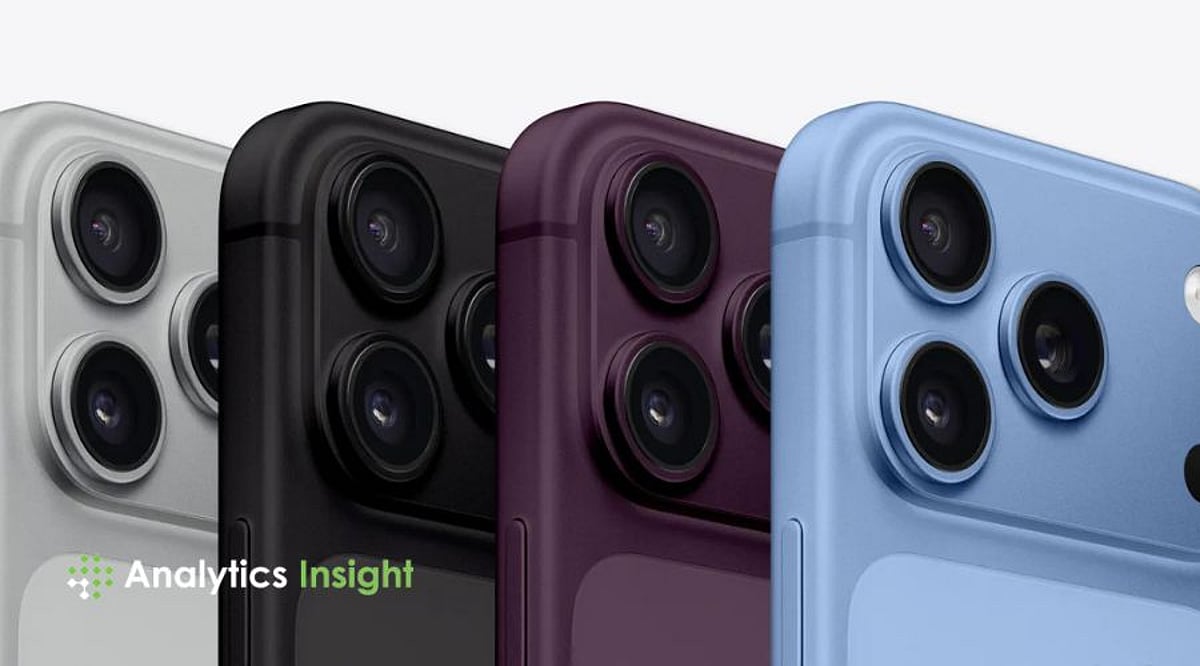
    Apple’s next flagship smartphone may come with a significantly higher production cost. According to a new report from Counterpoint Research, the bill of materials for a 1TB iPhone 18 Pro Max could be nearly $300 more than that of the 1TB iPhone 17 Pro Max. The primary reason: surging prices for memory chips and the new A20 Pro processor.

    What’s Driving the Cost Increase?

    The largest contributor is the rising cost of NAND flash storage and DRAM. NAND alone could exceed $250 per unit on the 1TB model, a figure approaching the total component cost of an entire older-generation iPhone. Memory chips are currently in short supply due to increased demand from AI-enabled smartphones and AI server infrastructure.

    The iPhone 18 Pro Max is expected to feature 12GB of RAM, up from 8GB on the current model, further adding to cost. The A20 Pro chip, likely the first phone chip built on TSMC’s new 2nm process node, is also more expensive to manufacture than its predecessor.

    Offsetting Savings and Price Adjustments

    Not all components will see price increases. The display and certain other parts may actually become cheaper. Camera costs could rise, possibly due to the introduction of a variable aperture lens. Apple is expected to adjust pricing differently across storage tiers to maintain profit margins on higher-capacity models.

    What to Expect at Launch

    The iPhone 18 Pro series is anticipated to launch in September. Average price increases could land around $200, with the largest jumps reserved for the top storage configurations. Apple has not yet announced official pricing.

    For more details, read the full report from Counterpoint Research.

  • Apple’s Foldable iPhone Poised to Reshape Premium Smartphone Market by 2026

    Apple’s Foldable iPhone Poised to Reshape Premium Smartphone Market by 2026

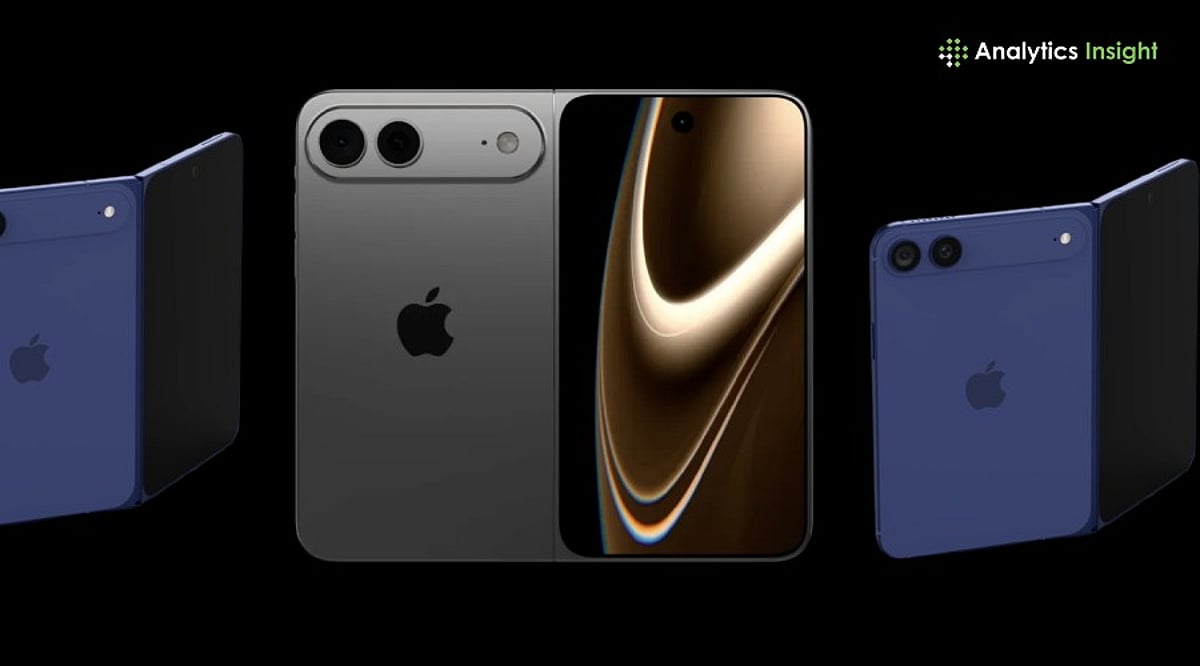
    Apple’s anticipated entry into the foldable smartphone market is expected to significantly boost competition and drive up average selling prices (ASPs) across the segment, according to new research from Counterpoint. Although Apple has yet to officially announce a foldable device, mounting anticipation is already influencing market dynamics, prompting rivals like Samsung, Huawei, Google, and Xiaomi to accelerate their own foldable launches.

    Counterpoint Research forecasts global foldable smartphone shipments will approach 28 million units this year, with Apple’s debut likely pushing the category’s ASP from $1,255 in 2025 to $1,485 in 2026—an 18% increase. The foldable segment’s total revenue could surge by 48% as a result.

    Book-Type Foldables Gain Premium Position

    Industry analysts expect Apple’s foldable to adopt a book-type, wide-screen design rather than a clamshell form factor. This approach is seen as better suited for reading and productivity, and aligns with Apple’s emphasis on consistent app display standards across its ecosystem.

    Counterpoint notes a growing divergence between foldable formats. Clamshell devices are becoming more affordable as production scales and more brands enter the space. In contrast, book-type foldables remain firmly in the luxury segment, with manufacturers enhancing displays, hinges, batteries, cameras, and productivity features.

    “Apple’s entry into the foldable market is also expected to further boost the upward ASP trend by keeping market attention on high-priced segments,” Counterpoint stated. The firm added that this will “increase interest in software continuity, app support, and productivity across foldable categories and help establish foldables as a higher-value segment within the smartphone market.”

    Premium Price Band May Expand

    According to Counterpoint, the share of foldables priced between $1,600 and $2,000 could nearly double from 30% in 2025 to 58% in 2026. Meanwhile, the portion of devices exceeding $2,000 is expected to decline slightly from 3% to 2%.

    Apple’s own foldable is likely to sit in its ultra-premium tier, with estimated ASPs around $2,500 or higher depending on configuration.

    Challenges Remain for Foldables

    Despite more than seven years of development, foldable phones still face hurdles including inner-screen flatness, protective film durability, hinge reliability, and optimal app performance across inner and outer displays.

    Manufacturers also believe foldables need compelling use cases in office workflows, AI, and photography. While Apple’s move could elevate the category’s profile, the long-term success of foldables will depend on delivering a clearly superior user experience compared to standard premium smartphones.