Tag: Coursera

  • Stanford Online Course Explores the Intersection of AI, Climate Change, and Energy

    Stanford Online Course Explores the Intersection of AI, Climate Change, and Energy

    Stanford Online, in partnership with Coursera, offers an in-depth course titled The AI, Climate, and Energy Connection. This self-paced program is designed for professionals across industries who want to understand the growing relationship between artificial intelligence and environmental sustainability. Through a blend of research studies, case studies, and hands-on exercises, participants will learn how AI is reshaping energy consumption, climate action, and sustainable business practices.

    What You Will Learn

    This course provides practical knowledge on the interplay between AI and sustainability. Key learning objectives include:

    • Explore how AI, language models, and data centers impact energy and water consumption.
    • Understand how AI can be leveraged to combat climate change and mitigate its own environmental footprint.
    • Examine AI applications in renewable energy projects and climate adaptation strategies.
    • Analyze corporate and organizational practices for implementing AI technologies responsibly.
    • Develop a personalized impact plan to apply sustainability initiatives within your own organization—whether for procurement, operations, or broader sustainability goals.

    Accessibility and Course Format

    The entire course is delivered online and can be completed in approximately eight hours, allowing learners to progress at their own pace. Content includes lecture presentations by Stanford faculty, practice assignments, video presentations, tests, and reflective activities. Skills gained are directly applicable to sustainability, business, and technology projects.

    Comprehensive Curriculum

    • AI & Climate: Understand how AI shapes energy demand, environmental sustainability, and climate-related decision-making.
    • Climate Change: Investigate the environmental implications of AI—its effects on natural resources, communities, and overall sustainability.
    • Energy Transition: Explore AI applications in renewable energy, energy efficiency, and modern energy systems.
    • Sustainable Business: Learn how to integrate sustainable strategies into business operations.
    • Real-World Applications: Discover practical examples such as renewable energy forecasting, deforestation detection, green building development, and environmental preservation.

    Eligibility

    While prior experience in AI, climate change, or sustainable business is beneficial, the course is suitable for all levels—from beginners to experts. No specific background in engineering, energy, or environmental science is required.

    What Makes This Program Stand Out

    Unlike traditional sustainability courses, this program combines cutting-edge research from Stanford with practical business applications of AI. Learners engage with real-world case studies on renewable energy efficiency, environmental monitoring, building management, and sustainable business practices. The final assignment challenges participants to create an actionable impact plan, enabling them to implement sustainability initiatives directly within their own organizations.

    Final Thoughts

    The AI, Climate, and Energy Connection course offers a unique perspective on how artificial intelligence is transforming the way we address climate change, energy use, and sustainable enterprise. By bridging academic research and industry practice, it equips learners with the knowledge needed to make informed decisions about sustainability and AI ethics.
  • Top Career Development Platforms for US Professionals in 2026

    Top Career Development Platforms for US Professionals in 2026

    Career growth now requires more than a polished resume. The right career website can help with skills development, job research, salary checks, professional networking, and smarter career decisions. Several platforms stand out in the US market, each serving a distinct purpose.

    LinkedIn leads as an all-around career hub, while Coursera offers structured learning for new skills and career changes. CareerOneStop provides trusted US labor data, and Indeed connects career plans with current job openings. Glassdoor adds employer and salary insights, and FlexJobs targets remote opportunities.

    LinkedIn Covers the Full Career Journey

    LinkedIn remains one of the strongest career platforms for US professionals. It combines professional profiles, networking, job search, recruiter access, and education in one place. With more than 1 billion members, professionals gain access to a vast business network.

    LinkedIn Learning adds a major educational layer, offering over 26,200 courses and more than 1,300 curated learning paths. Its role guides cover over 35 career paths, and Premium Career provides access to more than 25,000 LinkedIn Learning courses. This mix makes LinkedIn valuable for both career visibility and skill development.

    Coursera Supports Career Change and New Skills

    Coursera stands out for professionals who need structured education or a new career path. The platform offers more than 10,000 programs from universities and companies, including Google, Microsoft, Meta, and Stanford. Recent updates show a stronger focus on practical technology skills. In April 2026, Microsoft added 11 Professional Certificates across AI, data, and software development. In June 2026, Coursera expanded its micro-credential catalog with programs from Google DeepMind, Meta, Microsoft, and other partners. These courses include projects that can showcase practical skills on a resume or LinkedIn profile.

    CareerOneStop Brings US Labor Data

    CareerOneStop is funded by the US Department of Labor, making it a reliable source for labor-market information. The site covers more than 900 occupations and provides salary data, employment statistics, required skills, and education or training programs. Job seekers can use this information to align career ambitions with actual market conditions.

    Indeed Connects Skills with Job Demand

    Indeed focuses on job search, offering a large US job database that shows current employer demand. It also provides salary estimates, company reviews, job alerts, resume tools, and job matching. Professionals can search for specific job titles to see which skills appear in current vacancies, helping shape resumes and guide course choices.

    Glassdoor Helps with Salary and Employer Research

    Glassdoor provides salary details, company reviews, benefits information, and interview reports. This data helps professionals assess employers before applying or accepting offers. Salary research also sets realistic expectations, as pay levels vary across US cities, industries, and company sizes.

    FlexJobs Targets Remote Career Options

    FlexJobs is ideal for professionals seeking remote or flexible work. Its remote job data showed a 22% quarter-over-quarter rise in remote postings in Q2 2026, with notable growth in tech, engineering, and operations. FlexJobs offers a focused place to find such roles without sorting through broad job databases.

    A Strong Career Website Mix

    No single platform covers every career need equally. LinkedIn works best as an all-around career hub. Coursera suits structured skill growth and career changes. CareerOneStop offers US labor data for smarter decisions. Indeed helps with job demand, Glassdoor adds employer and salary insight, and FlexJobs serves remote-work seekers. edX and Udemy also play useful roles: edX for deeper university-level study, Udemy for targeted skills and software tools. The Muse provides career advice and company culture research.

    The strongest career strategy uses each platform for a clear purpose. Skills need proof, job plans need market data, and career moves need employer research. A focused mix of these websites can turn online career resources into a practical path toward the next professional move.

    FAQs

    1. Which is the best career development website for professionals? LinkedIn is the strongest all-around option, combining networking, job opportunities, professional profiles, recruiter access, and learning resources.
    2. Which website is best for learning new career skills? Coursera is a strong choice for structured learning, professional certificates, career changes, and programs from leading universities and companies.
    3. Where can I research US salaries and occupations? CareerOneStop provides US labor-market information, while Glassdoor offers salary data and employer insights.
    4. Which website is best for finding jobs? Indeed is particularly useful for browsing current job openings, researching demand for specific skills, setting alerts, and comparing opportunities.
    5. What is the best website for remote jobs? FlexJobs focuses specifically on remote and flexible opportunities, making it useful for professionals prioritizing location flexibility.
  • Wharton’s AI for Business Specialization: Master AI Strategy Without Coding

    Wharton’s AI for Business Specialization: Master AI Strategy Without Coding

    The AI for Business Specialization from the University of Pennsylvania’s Wharton School is designed for working professionals who want a practical, business-first understanding of artificial intelligence—no coding background required. Delivered through Coursera, this four-course program covers machine learning fundamentals, big data, AI ethics, and real-world applications in marketing, human resources, and operations. It’s tailored for managers and leaders who need to make informed decisions about AI adoption rather than build models themselves.

    What You’ll Learn

    • Core concepts of AI, machine learning, and big data—and how they apply to business decision-making.
    • Real-world AI applications in marketing, customer personalization, and the customer journey.
    • How to apply AI and analytics to people management and HR, including responsible algorithm use.
    • AI ethics, risk management, and governance frameworks for responsible deployment.
    • Insights from industry leaders on how AI and big data are transforming business operations.

    Flexible and Accessible

    The specialization is fully online and self-paced, making it easy to fit around a full-time job. Most learners complete all four courses in about six months with roughly two hours of study per week, though some finish sooner. Instead of a flat course fee, the program is available through a Coursera subscription, which keeps costs significantly lower than typical bootcamps or degree programs. A 7-day free trial is available, and learners can audit the lectures at no cost before committing.

    Curriculum Highlights

    • AI Fundamentals: Key concepts in AI and machine learning, plus tools that lower the barrier to enterprise adoption.
    • AI Applications in Marketing: Using data analytics and personalization to enhance the customer journey.
    • People Analytics and AI: Applying machine learning to HR while maintaining fairness and minimizing bias.
    • AI Strategy and Governance: Building responsible governance frameworks and developing organization-wide AI strategies.

    Who Should Enroll

    No prior AI, machine learning, or programming experience is required. The program is best suited for professionals working in marketing, HR, finance, or operations who want to confidently speak the language of AI. A general comfort with business concepts and data-driven decision-making is helpful, and enrollment is open through Coursera with no formal application process.

    Why It Stands Out

    This program leverages Wharton’s academic reputation and is taught by Wharton faculty, including Professors Kartik Hosanagar and Kevin Werbach, who bring research and industry advisory experience into the coursework. Unlike many technical AI courses, this specialization is built for business decision-makers, not engineers, using case studies from marketing, HR, and finance. Graduates receive a shareable University of Pennsylvania certificate that can be added to a resume or LinkedIn profile, although the credential does not carry university credit.

    Final Thoughts

    For professionals who want to understand what AI can realistically do for their organization without diving into technical details, the AI for Business Specialization is a strong choice. With Wharton’s backing and a curriculum focused on practical business use cases, it gives managers and leaders the vocabulary and judgment to guide AI strategy, collaborate with data teams, and evaluate AI initiatives with confidence.

  • Wharton’s AI for Business Specialization: Build Strategic Skills Without Coding

    Wharton’s AI for Business Specialization: Build Strategic Skills Without Coding

    The AI for Business Specialization from the University of Pennsylvania’s Wharton School gives working professionals a business-first way to understand artificial intelligence, without needing a coding background. Delivered on Coursera, the four-course program walks learners through machine learning basics, big data, AI ethics, and how companies actually put these tools to work in marketing, HR, and operations. It’s built for managers and leaders who need to make smart calls about AI adoption rather than build the models themselves.

    What You’ll Learn in This Program?

    The course offers:

    • Understand the fundamentals of artificial intelligence, machine learning, and big data, and how they connect to business decision-making.
    • Explore how companies deploy AI in marketing, customer personalization, and the broader customer journey.
    • Apply AI and analytics to people management and HR functions, including fair and responsible use of algorithms.
    • Examine the ethics and risks of AI, and learn to design governance frameworks for responsible deployment.
    • Hear from industry leaders on how AI and big data are reshaping business operations across sectors.

    Accessibility and Value

    The specialization is fully online and self-paced, so professionals can fit it around a full-time job. Most learners complete the four courses in roughly six months at about two hours of study a week, though some finish faster. It’s offered through a Coursera subscription rather than a flat course fee, which keeps the cost well below a typical bootcamp or degree program, and comes with a 7-day free trial along with the option to audit lectures at no charge before committing. No programming experience is required, which makes it a practical entry point for non-technical professionals such as marketers, HR leads, and finance or operations managers who want to speak the language of AI.

    Comprehensive Curriculum

    • AI Fundamentals: Core concepts in artificial intelligence, machine learning, and the tools that lower the barrier to AI adoption in the enterprise.
    • AI Applications in Marketing: Using data analytics and personalization to strengthen the customer journey and lifecycle.
    • People Analytics and AI: Applying machine learning to HR functions while keeping fairness and bias in check.
    • AI Strategy and Governance: Designing responsible governance frameworks and building an organization-wide AI strategy.

    Eligibility Criteria

    • No prior AI, machine learning, or programming experience is required.
    • Best suited for working professionals in marketing, HR, finance, or operations roles.
    • A general comfort with business concepts and data-driven decision-making is helpful.
    • Open enrollment through Coursera, with no formal application process.

    What Makes This Program Stand Out?

    This program carries the weight of the Wharton name and is taught by a group of Wharton faculty, including Professor Kartik Hosanagar and Professor Kevin Werbach, who bring real research and industry advisory experience into the material. Unlike many technical AI courses, it’s built specifically for business decision-makers rather than engineers, with case studies drawn from marketing, HR, and finance. Learners come away with a shareable University of Pennsylvania certificate they can add to a resume or LinkedIn profile, even though the credential doesn’t carry university credit.

    Final Thoughts

    The AI for Business Specialization is a solid fit for professionals who want to understand what AI can realistically do for their organization without getting lost in the technical weeds. Backed by Wharton’s academic reputation and built around real business use cases, it gives managers and leaders the vocabulary and judgment to guide AI strategy, work alongside data teams, and evaluate AI initiatives with more confidence.

  • Top Solar PV Certification Courses for Beginners and Professionals

    Top Solar PV Certification Courses for Beginners and Professionals

    Why Learn Solar PV?

    Solar PV certifications build practical knowledge, improve technical skills, increase career opportunities, and prepare learners for the fast-growing renewable energy industry.

    NABCEP PV Associate

    The NABCEP PV Associate certification introduces solar fundamentals, system components, safety practices, and installation basics for aspiring solar professionals worldwide.

    SEI Solar Training

    Solar Energy International offers beginner-friendly and advanced online courses covering photovoltaic design, installation, maintenance, and real-world solar applications effectively.

    TUV Rheinland Solar Courses

    TUV Rheinland provides globally recognized certifications focused on solar engineering, quality standards, safety compliance, and developing professional photovoltaic system expertise.

    Coursera Solar Energy Courses

    Coursera partners with leading universities to provide flexible online solar energy courses covering photovoltaic systems, sustainability, and renewable energy principles effectively.

    edX Renewable Energy Programs

    edX features university-backed solar and renewable energy certifications that help professionals understand photovoltaic technologies, energy systems, and sustainable power solutions.

    Alison Solar Energy Certification

    Alison provides free online solar energy courses introducing photovoltaic basics, installation methods, electrical concepts, and renewable energy career preparation for beginners.

    Choose the Right Certification

    Select a certification matching your experience, career goals, budget, and learning style to build valuable solar PV skills with confidence.

  • Top Free Quantum Computing Courses for Beginners to Explore in 2026

    Top Free Quantum Computing Courses for Beginners to Explore in 2026

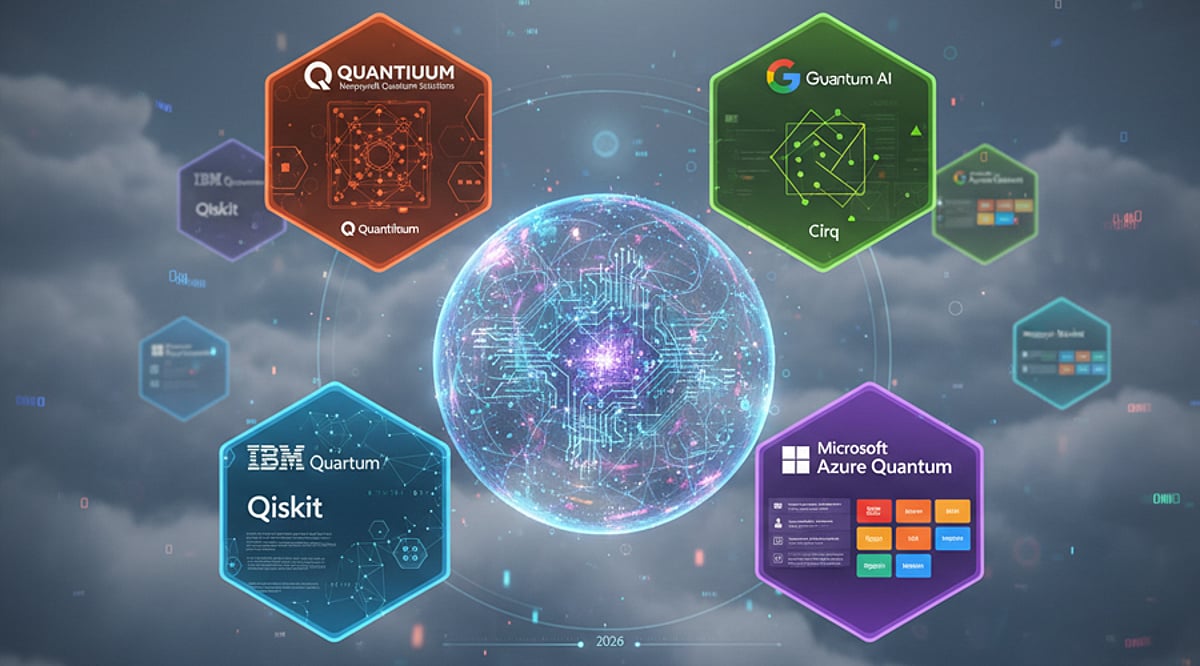
    Quantum computing is rapidly emerging as a transformative field, and 2026 offers an abundance of free resources for beginners eager to dive in. From industry giants like IBM, Microsoft, and Google to academic platforms such as edX and Coursera, learners can access high-quality courses without spending a dime. Below is a curated list of the best free quantum computing courses and learning platforms available this year.

    IBM Quantum Learning

    IBM’s free learning platform remains a premier starting point for newcomers. It covers the fundamentals of quantum mechanics, quantum circuits, and Qiskit programming. Learners gain hands-on experience by accessing real quantum computers through the cloud. Interactive labs and guided learning paths help bridge theory and practical skills.

    Microsoft Azure Quantum Learning

    Microsoft offers free modules that introduce quantum computing concepts, quantum algorithms, and the Azure Quantum ecosystem. The content includes quantum-inspired computing and programming fundamentals via structured tutorials. The self-paced format is ideal for students, developers, and tech enthusiasts entering the field.

    Google Quantum AI Resources

    Google provides free educational materials explaining quantum computing principles, qubits, error correction, and quantum algorithms. Resources include research articles, tutorials, videos, and open-source tools, helping learners understand how quantum differs from classical computing while staying current with cutting-edge developments.

    Qiskit YouTube Channel and Documentation

    IBM’s Qiskit documentation and YouTube tutorials offer an accessible path into quantum programming. Learners explore quantum gates, circuits, simulations, and algorithms through detailed examples. The active developer community contributes additional tutorials, projects, and troubleshooting guides for self-paced study.

    edX Quantum Computing Courses

    edX hosts several free audit courses from leading universities covering quantum mechanics, computing principles, and introductory programming. While certificates require payment, all course materials are freely accessible. These structured academic programs combine lectures, quizzes, and assignments, making them ideal for university-level instruction.

    Coursera Free Audit Courses

    Coursera allows learners to audit many introductory quantum computing courses from top universities at no cost. Topics include foundational theories, quantum algorithms, and applications in computing and cryptography. Auditing provides access to video lectures and reading materials, offering an affordable way to start learning.

    Class Central Course Directory

    Class Central aggregates free quantum computing courses from universities, educational platforms, and tech companies worldwide. Rather than offering a single course, it helps learners compare ratings, duration, difficulty, and providers. This makes it easy for beginners to find the most suitable learning path in 2026.

    Whether you’re a student, developer, or hobbyist, these free resources provide a solid foundation in quantum computing without financial barriers. Start exploring today and build skills for the next computing revolution.