
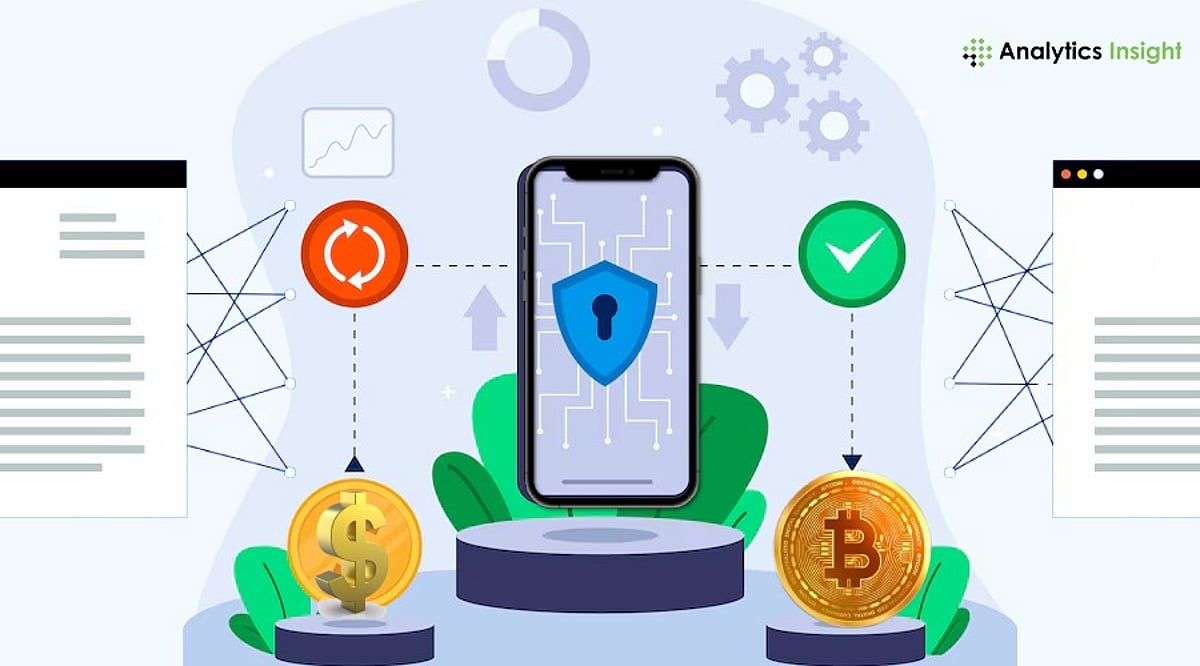
Decentralized Finance, or DeFi, has transformed how people interact with cryptocurrency. By enabling lending, borrowing, trading, staking, and earning rewards without intermediaries, DeFi platforms rely on smart contracts—self-executing programs that run on blockchains. However, as the DeFi market has ballooned to lock over $120 billion in crypto assets by mid-2026, security vulnerabilities have become a critical concern for every investor.
Smart Contracts: Powerful Yet Vulnerable
Smart contracts execute automatically based on coded instructions. Even minor coding errors—such as weak access control, poor data validation, or flawed business logic—can be exploited by malicious actors. Unlike traditional software, smart contracts are immutable once deployed; a single bug can lead to massive financial losses. Security experts continuously find vulnerabilities, and even experienced teams have suffered major hacks.
Smart Contract Exploits Lead the Threat Landscape
Data from early 2026 reveals that smart contract weaknesses remain the primary vector for attacks on DeFi protocols. In the first half of 2026, there were 207 successful cyberattacks on cryptocurrency systems—the highest ever recorded in a six-month period. Of these, 125 attacks (60%) were attributed to smart contract vulnerabilities. Despite advancements in security tools, hackers constantly search for unpatched bugs, making the competition between defenders and attackers more intense than ever.
Price Manipulation via Oracles
Many DeFi platforms depend on oracles—external services that supply real-time asset prices. If attackers can temporarily manipulate price feeds, smart contracts may accept false data, enabling unauthorized loans, unjust liquidations, or other fraudulent activities. Several high-profile DeFi breaches have resulted from manipulated price data rather than direct code failures.
Flash Loan Attacks
Flash loans allow users to borrow large sums without collateral, provided the loan is repaid within the same blockchain transaction. This feature has legitimate uses, but criminals have exploited it to amplify attacks. By combining flash loans with coding flaws, hackers have stolen hundreds of millions of dollars, manipulating token prices, governance votes, or exploiting protocol weaknesses.
Cross-Chain Bridges: Complex and Risky
Cross-chain bridges enable transfers of digital assets between different blockchains, increasing DeFi’s flexibility. However, their complexity—involving multiple contracts, validators, and security checks—creates more attack surfaces. Because bridges often hold enormous pools of locked assets, they remain prime targets for cybercriminals.
Private Key Theft: A Growing Threat
Smart contract bugs are no longer the only danger. Private key theft now accounts for a significant share of losses. Attackers use phishing, malware, fake websites, and social engineering to steal wallet credentials. Industry estimates suggest that about 40% of all historical crypto hack losses stemmed from stolen private keys. In the first half of 2026, 76% of stolen funds came from compromised keys, wallet systems, bridge infrastructure, or other operational weaknesses—not solely coding errors. Wallet security is as critical as secure smart contracts.
The Latest Numbers: A Mixed Picture in 2026
While total crypto losses fell by approximately 58% compared to the same period in 2025—dropping from $2.3 billion to $972 million—the number of attacks hit a record high. This suggests that improved security audits, bug bounty programs, and monitoring tools have reduced average loss per incident, but hackers are persistent. CertiK reported 344 Web3 security incidents in early 2026: 204 from code vulnerabilities, $444 million lost to wallet compromises, and $366 million from phishing. Ethereum was the most targeted chain with 153 incidents and losses exceeding $522 million.
Why This Matters for Investors
With over $120 billion locked in DeFi and cyberattacks escalating, understanding these risks is essential. Smart contract flaws, oracle manipulation, flash loan exploits, bridge vulnerabilities, and private key theft pose serious threats. Thorough research, use of hardware wallets, verification of security audits, and caution with unknown contracts are vital steps to safeguard digital assets.
FAQs
1. What is a smart contract?
A smart contract is a blockchain-based program that automatically executes transactions when predefined conditions are met.
2. Why are smart contracts risky?
Coding mistakes or logic flaws can allow hackers to exploit the contract and steal funds.
3. What is a flash loan attack?
It is an attack where borrowed funds manipulate prices or exploit weaknesses in a DeFi protocol within a single transaction.
4. Why are private keys important?
Anyone with access to a private key can control the associated crypto wallet and transfer its assets.
5. How can crypto investors reduce DeFi risks?
Research projects carefully, use hardware wallets, verify security audits, and avoid interacting with unknown or suspicious smart contracts.
Disclaimer: This article is for informational purposes only and does not constitute investment advice. Always conduct your own research before making any investment.