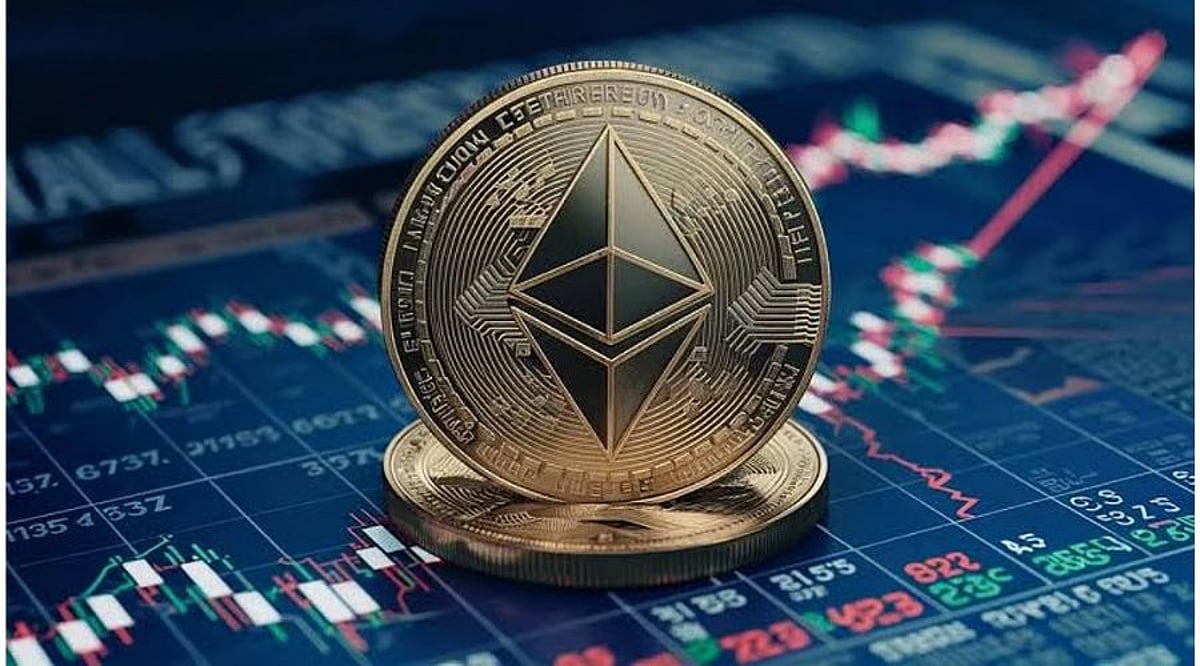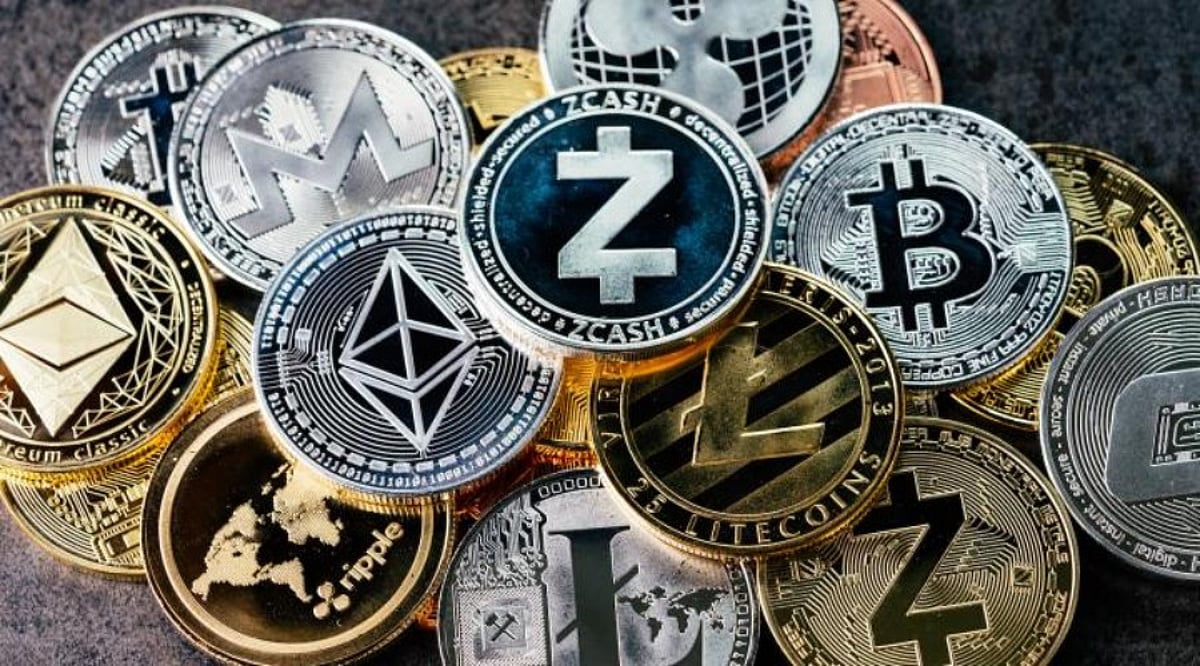
The cryptocurrency market is showing early signs of a recovery, with Bitcoin climbing back to around $65,000. While not yet at previous highs, this level has boosted investor confidence. Analysts point to several key factors that will shape the next phase of the market: interest rate decisions, institutional investment, regulatory clarity, and on-chain activity.
Key Takeaways
- Bitcoin has recovered to approximately $65,000, signaling improved market sentiment.
- Interest rate policies and institutional capital flows remain the strongest drivers of recovery.
- A full market rebound will likely depend on a combination of economic and regulatory developments.
After a prolonged period of volatility, the crypto market has entered a new phase. Bitcoin’s move to $65,000 has lifted sentiment across the board, though Ethereum still trades below its earlier peaks. Analysts are watching the $1,800 to $2,000 range for Ethereum as a critical level for further upside.
Despite the progress, the market has not returned to its 2025 highs. Investors are monitoring several major events that could determine the direction of digital assets in the coming months. Recent price action has created fresh optimism, but experts warn that short-term volatility is likely to persist. Large investors remain active, while many retail traders wait for stronger economic signals before committing more capital.
Global Economy Holds the Key
The most significant factor influencing crypto’s recovery is the broader global economy. Central bank actions, inflation data, and money supply figures are far more impactful than social media trends. High interest rates tend to push investors toward safer assets, reducing appetite for cryptocurrencies. Many analysts believe that lower interest rates and slowing inflation could support crypto prices, as increased liquidity encourages investment in riskier assets like Bitcoin and Ethereum.
Institutional Investors Continue to Build Positions
Large financial institutions remain a cornerstone of the crypto market. Bitcoin exchange-traded funds have opened the door for pension funds, asset managers, and other professional investors to gain exposure through familiar products. Even after periods of selling, institutional interest has stayed stronger than in previous cycles. Many companies are also advancing blockchain technology and tokenized financial assets, indicating that long-term interest has not waned. Analysts suggest that steady institutional participation could create a more solid foundation for future growth than retail buying alone.
Regulations Could Improve Market Confidence
Clear regulations are another essential piece of the recovery puzzle. Countries around the world are working on frameworks that define how crypto companies operate and how digital assets fit into existing financial systems. Better rules reduce uncertainty and help large investors enter the market with greater confidence. Regulatory progress also enables exchanges, payment firms, and financial companies to develop new products without constant legal ambiguity. A stable legal environment fosters trust across the industry, supporting long-term growth rather than short-lived excitement.
On-Chain Activity Shows Healthy Trends
Blockchain data has begun to reveal positive signals. Wallet accumulation has increased in recent months, and stablecoin activity remains robust on major networks. Analysts also track exchange reserves, network usage, and transaction volumes for insights beyond price charts. Lower exchange reserves often indicate that investors are moving assets to private wallets rather than preparing for sales. Healthy blockchain activity points to steady engagement from users and developers. While these signals alone cannot guarantee a full recovery, they support the view that market conditions have improved compared with earlier corrections.
Recent News Supports a Positive Outlook
Experts note that Bitcoin’s return to $65,000 reinforces its technical significance and has boosted confidence after months of uncertainty. Investors are now watching the Federal Reserve’s actions, as interest rate decisions can affect liquidity and risk appetite. Studies from financial firms show that institutional demand for Bitcoin remains strong despite volatility. Analysts believe consistent institutional investment could contribute to a more stable market over time.
Recovery Will Likely Take Time
Market analysts caution that the journey back to prior highs will not be smooth. Fluctuations are expected for several months as traders react to economic data, inflation reports, and central bank communications. Upward movements will likely be punctuated by pullbacks. Many predictions suggest that improved economic conditions will accelerate recovery in the second half of 2026, with long-term adoption continuing through 2027 as more institutions and industries embrace blockchain technology.
Why This Matters
The crypto market affects millions of investors, financial firms, and businesses worldwide. A strong recovery can boost confidence, increase investment, and support broader adoption of digital assets. Market trends also reflect global economic conditions, making crypto recovery an important topic for anyone following finance, technology, or investment opportunities.
Final Outlook
The crypto market has shown early recovery signs, though the journey is not over. Bitcoin’s return to $65,000, ongoing institutional interest, stronger blockchain activity, and gradual regulatory progress have improved sentiment. Future interest rate decisions, inflation trends, ETF flows, and global economic conditions will shape the next chapter for digital assets. No single event will determine the recovery; instead, several factors must align before cryptocurrencies return to sustained growth. Current data indicates a stronger foundation, and the coming months will reveal whether this recovery evolves into the next major bull market.
Frequently Asked Questions
Has the crypto market already recovered?
The market has shown positive signs, but analysts consider the recovery incomplete.
Why are interest rates important for crypto?
Lower interest rates often increase market liquidity and encourage investment in higher-risk assets like cryptocurrencies.
Why do institutional investors matter?
Large financial firms bring significant capital and long-term confidence to the crypto market.
What role do regulations play in crypto recovery?
Clear regulations can improve investor confidence and support wider adoption of digital assets.
Will Bitcoin lead the next crypto recovery?
Bitcoin typically sets the overall market direction, and its recent move near $65,000 has improved sentiment across the sector.