Tag: crypto regulation

  • Nigeria Establishes Virtual Asset Council to Regulate Crypto Market and Curb Fraud

    Nigeria Establishes Virtual Asset Council to Regulate Crypto Market and Curb Fraud

    Nigeria has taken a major step toward bringing order to its rapidly expanding cryptocurrency market. President Bola Tinubu signed an executive order on July 17, establishing a Virtual Asset Council that will coordinate regulatory efforts across multiple government agencies, protect digital asset users, and crack down on fraudulent activities.

    The newly formed council brings together key regulatory bodies, including the Central Bank of Nigeria (CBN), the Securities and Exchange Commission (SEC), the Nigeria Revenue Service, the Nigerian Financial Intelligence Unit, and the Office of the National Security Adviser. A dedicated Virtual Asset Office within the CBN will oversee the council’s daily operations and facilitate rapid information sharing among agencies.

    Under the new framework, crypto businesses will register based on the specific services they offer—such as trading, payments, or custody. The SEC will oversee crypto assets classified as securities, while the CBN will supervise crypto payment systems and related services. This clear division of responsibilities is designed to close legal loopholes and simplify compliance.

    “Too often, unregistered and fraudulent operators have exploited these gaps to prey on unsuspecting Nigerians, costing families their savings,” the Presidency stated, explaining the need for the new system.

    Nigeria also plans to release new tax guidelines for digital assets and launch a regulatory sandbox where blockchain companies can test new products under government supervision. The Virtual Asset Council is tasked with preparing detailed rules within 30 days. Meanwhile, lawmakers are considering a new bill that could introduce stricter licensing and compliance requirements for crypto businesses.

  • CLARITY Act Faces Senate Hurdle as Democrats Demand Stronger Crypto Ethics Rules

    CLARITY Act Faces Senate Hurdle as Democrats Demand Stronger Crypto Ethics Rules

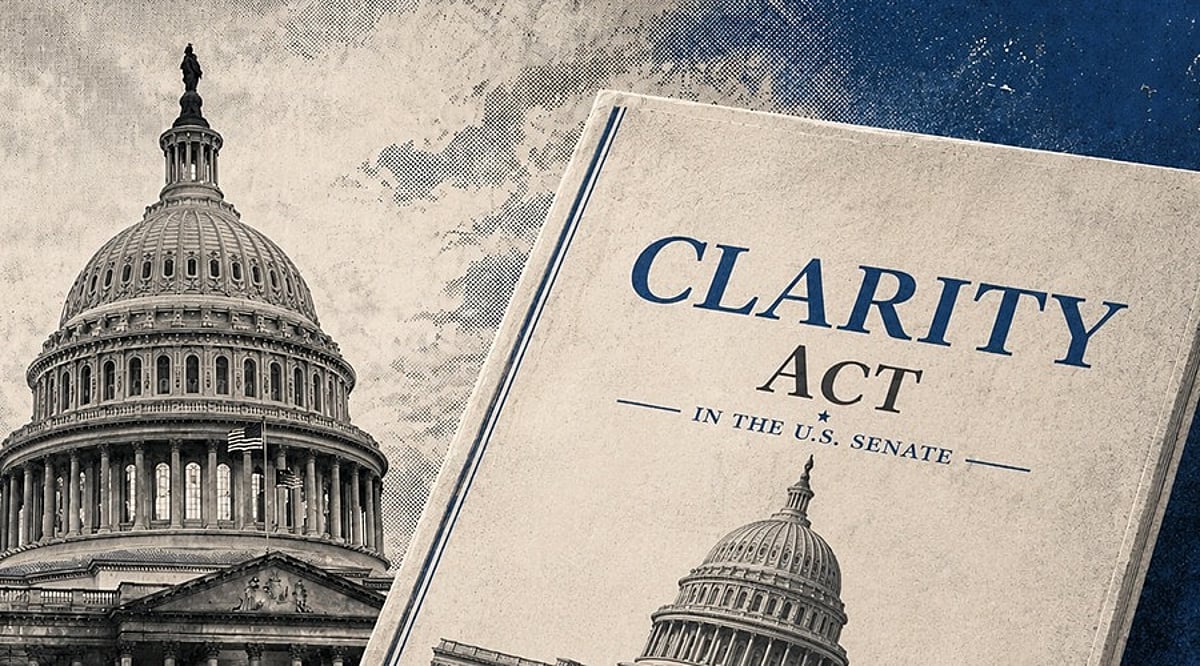
    The Senate’s latest effort to establish a comprehensive crypto market structure, the CLARITY Act, is encountering significant resistance from Democratic lawmakers who insist on stricter ethics provisions covering President Donald Trump’s cryptocurrency interests.

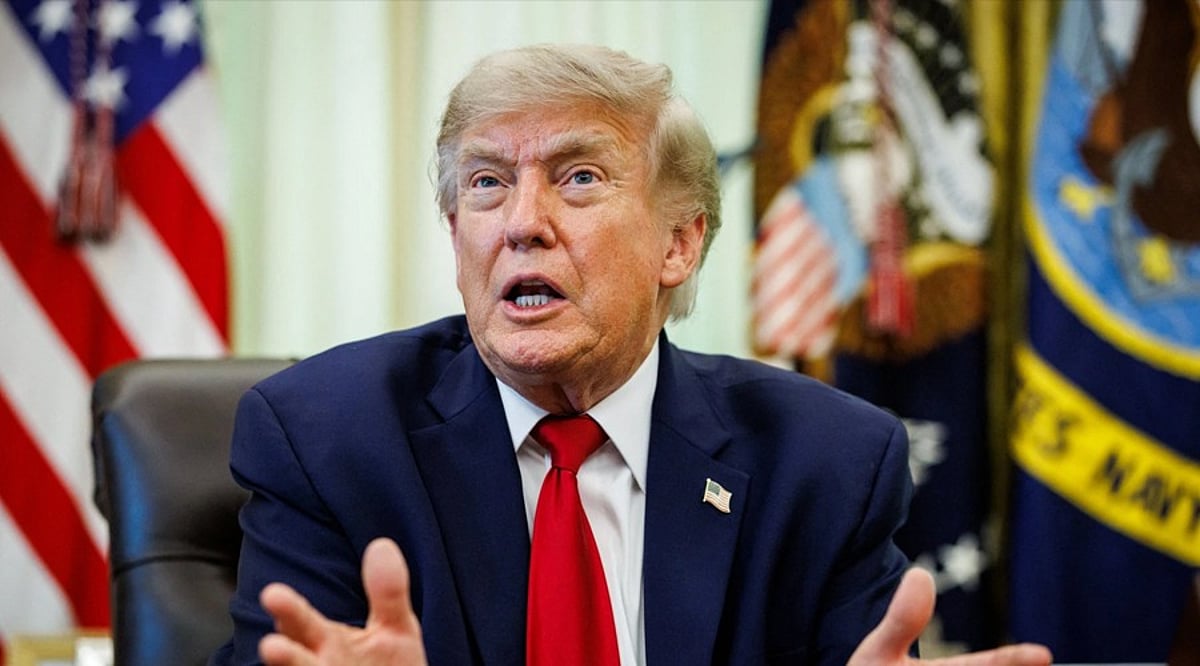
    Republican senators briefed President Trump at the White House on Thursday, with plans to release updated text of the bill shortly thereafter. However, Democrats were notably absent from the meeting and have signaled they will oppose the current draft unless it includes more robust ethics rules.

    Senator Bernie Moreno indicated that the updated regulatory text could be released following the White House meeting. Senator Cynthia Lummis echoed this sentiment, expressing hope that the draft would become public after lawmakers consulted with Trump, though she did not confirm a specific timeline.

    Moreno noted that lawmakers have spent months engaging with Democrats and argued that the Senate should move toward a vote before the August recess. Yet Democratic senators contend that the expected version does not reflect a bipartisan agreement, accusing Republicans of taking ethics language to Trump before concluding negotiations with Democratic lawmakers.

    Senator Cory Booker emphasized that talks remain active. “I hope they’re not going to drop something before we finish our negotiation,” Booker said. “The only way to get this done is a bipartisan pathway.”

    The core dispute revolves around ethics rules for public officials with financial ties to crypto companies, tokens, and digital asset projects. Democrats are pushing for firm limits that prevent senior officials from profiting from crypto ventures while in office.

    Senator Ruben Gallego described the ethics language he reviewed as “very weak,” stating it gives the president “a lot of latitude” to continue earning from crypto interests without adequate consumer protection. Gallego warned that Democrats would not provide the necessary votes without stronger rules. “At the end of the day, we don’t have strong ethics,” he said. “You’re not going to have the Democratic votes.”

    Republicans dispute this characterization. Moreno insists the bill includes strong ethics measures, and the White House supports rules covering all elected officials but has resisted language perceived as targeting Trump exclusively.

    A Democratic Senate aide claimed the Republican proposal is weaker than what Democrats would accept, adding that Democratic negotiators had not approved the version shown to the White House.

    The CLARITY Act would divide digital asset oversight between the Securities and Exchange Commission (SEC) and the Commodity Futures Trading Commission (CFTC). It would also establish registration and operating rules for exchanges, brokers, and other crypto businesses. Supporters argue the framework would help firms classify digital assets and meet federal requirements.

    Republicans currently lack the 60 votes needed to overcome a potential filibuster, making Democratic support essential. While some Democrats backed earlier versions during committee work, those votes do not guarantee support for the final measure. Opposition from key negotiators now complicates the vote count.

    The Senate calendar adds further urgency, as lawmakers must complete other major bills before the August recess. Any Senate version would also require House approval or further negotiations between both chambers.

    Crypto companies have urged Congress to pass market structure legislation, citing ongoing uncertainty over token listings, custody, registration, and trading services. Without a new law, firms continue to rely on agency guidance, court decisions, and enforcement actions to determine whether a digital asset falls under SEC or CFTC oversight.

    The next step depends on the wording released after the White House meeting. Democrats want stronger guardrails, while Republicans push for a vote before the recess. Until both sides reach an agreement, the CLARITY Act faces a difficult path through the Senate.

  • Trump’s $1.4B Crypto Income Stalls Senate Action on CLARITY Act

    Trump’s $1.4B Crypto Income Stalls Senate Action on CLARITY Act

    President Donald Trump’s 2025 financial disclosure reveals more than $1.4 billion in crypto-related income, reigniting a Senate debate over ethics provisions in the Digital Asset Market Clarity Act (CLARITY Act). The filing, released by the Office of Government Ethics on June 30, details earnings from the TRUMP memecoin and World Liberty Financial, placing the president’s digital asset profits at the center of a legislative standoff.

    The disclosure shows $635 million from the TRUMP memecoin, over $520 million from World Liberty Financial token sales, and more than $250 million from business interest sales. Combined, these sources generated nearly $800 million for entities tied to World Liberty Financial, with portions shared among family members. While golf clubs, resorts, and property licensing added other revenue, crypto accounts for the majority of Trump’s reported income.

    The CLARITY Act, which would divide crypto oversight between the Securities and Exchange Commission (SEC) and the Commodity Futures Trading Commission (CFTC), advanced from the Senate Banking Committee on a 15-9 vote in May. However, Democrats—including Senators Ruben Gallego and Angela Alsobrooks—have signaled that their support hinges on stronger ethics rules covering senior officials who own, issue, or profit from digital assets while shaping federal policy.

    Former acting OGE director Don Fox called Trump’s filing “a clear sign that additional ethics reforms are overdue.” The White House has denied any conflict of interest, stating that “neither the President nor his family has ever engaged” in improper conduct.

    With Republicans holding 53 Senate seats and most major legislation requiring 60 votes, the bill’s fate depends on cross-party support. Without agreed ethics language, the CLARITY Act may lose the Democratic votes it gained during the committee stage. Senate leaders aim for a vote before the August recess, but the tight calendar leaves little room for prolonged negotiations. Any changes made in the Senate may also require further House action before reaching the president’s desk.

    The next milestone is the release of revised Senate text. Its ethics provisions will determine whether negotiators can secure enough Democratic support while maintaining Republican backing for the broader crypto market structure framework.

  • Bitcoin Holds Near $64,600 as Cooling Inflation Boosts Crypto Sentiment; Ethereum Leads Gains, Solana Recovers

    Bitcoin Holds Near $64,600 as Cooling Inflation Boosts Crypto Sentiment; Ethereum Leads Gains, Solana Recovers

    Bitcoin traded near $64,637 on Thursday, extending a steady recovery after softer U.S. inflation data eased concerns about further Federal Reserve tightening. The cooler-than-expected producer price index (PPI) and consumer price index (CPI) readings pulled Treasury yields lower, reviving appetite for risk assets across the board.

    Bitcoin Price Today

    Bitcoin was last seen at $64,636.95, up 0.10% in the past 24 hours, according to CoinMarketCap. The $64,000 zone remains key support, while $65,500 is the immediate resistance level. A sustained close above $65,500 could open the path toward $67,200, with some analysts eyeing $70,000 if momentum continues.

    Ethereum and Altcoins Rally

    Ethereum stood out among large-cap cryptocurrencies, gaining 2.5% and extending its weekly advance to over 10%. XRP added 1.22%, and Solana rose 1.28%, reflecting broad altcoin strength. The rally was driven by improved risk appetite following the inflation data and fresh inflows into spot Bitcoin and Ethereum ETFs.

    Inflation Data and Fed Outlook

    U.S. producer inflation fell 0.3% month-on-month, reinforcing Tuesday’s softer CPI print. The data reduced expectations of further rate hikes, though Fed officials struck a cautious tone. The Beige Book showed price growth flattening or slowing across all districts. Markets now await upcoming producer price data and Fed commentary for the next directional cues.

    ETF Flows Stabilize

    U.S. spot Bitcoin ETFs pulled in roughly $181 million on Tuesday, rebounding from a $425 million outflow the previous day. Ethereum ETFs added nearly $58 million in the same session. Analysts view consistent inflows as critical for Bitcoin to sustain a move above $65,000.

    Japan and South Korea Move on Crypto Regulation

    Japan reclassified crypto as a financial asset, paving the way for lower taxes. South Korea is also modifying its laws to formally classify crypto as a national asset and is piloting tokenized government bonds. These moves signal growing regulatory comfort and institutional adoption in Asia.

    CLARITY Act Stalled

    In the U.S., the Digital Asset Market CLARITY Act remains stuck in the Senate without a floor vote, as disputes over stablecoin provisions and ethics rules continue. Regulatory uncertainty persists, but the broader global trend is shifting toward clearer frameworks.

    Outlook

    Bitcoin holds near $64,600 as cooling inflation offsets geopolitical risks. A sustained close above $65,500 would strengthen the case for a retest of $67,200. A slip below $63,500 risks exposing the $62,500 support zone. Ethereum’s outperformance suggests rotation toward institutional-grade altcoins, and fresh ETF inflows point to steadier institutional participation this week.

  • Bitcoin ETFs See $181M Inflow, US Freezes $130M in Iran-Linked USDT, and BitMine Earns $45.7M from ETH Staking

    Bitcoin ETFs See $181M Inflow, US Freezes $130M in Iran-Linked USDT, and BitMine Earns $45.7M from ETH Staking

    The crypto market witnessed several major developments today, including significant Bitcoin ETF inflows, a US government action against Iran-linked USDT wallets, and BitMine’s massive Ethereum staking revenue.

    Bitcoin ETFs Attract $181 Million in Net Inflows

    According to data from SoSoValue, Bitcoin spot ETFs recorded a total net inflow of $181.08 million yesterday. BlackRock’s IBIT led the charge with a daily net inflow of $138.91 million, bringing its historical cumulative net inflow to $60.24 billion. Fidelity’s FBTC followed with $21.07 million, accumulating a total net inflow of $9.93 billion. The combined net asset value of all Bitcoin spot ETFs now stands at $77.96 billion, representing a 6.02% net asset ratio, while the historical cumulative net inflow has reached $51.03 billion.

    US Freezes $130 Million in Iran-Linked USDT Wallets

    On Tuesday, Treasury Secretary Scott Bessent confirmed that the United States has frozen over $130 million worth of cryptocurrency tied to Iran. The action targeted four Tron wallets holding approximately $131 million in Tether (USDT). Blockchain investigator Specter first identified the wallets on-chain, and Bessent later confirmed their connection to the Central Bank of Iran. In a statement shared on X, Bessent reiterated the Treasury Department’s commitment to preventing Iran from using digital assets to support illicit financial activities.

    FTX Allegations Against Justin Sun

    FTX Trading Ltd. has alleged that Justin Sun moved $10 million in Bitcoin from customer accounts at the Poloniex exchange. The claim was detailed in an adversary proceeding court document published on July 14, 2026. FTX is seeking to recover these funds as part of its ongoing bankruptcy proceedings, highlighting the continued efforts to reclaim assets following the exchange’s collapse. The allegations add another layer to the complex legal landscape surrounding FTX.

    Stablecoin Treasury Platform Velocity Raises $38 Million

    Velocity, a stablecoin treasury platform, has raised $38 million in a Series A funding round co-led by Dragonfly and FirstMark. The company plans to expand its infrastructure, enabling companies and financial institutions to use digital assets for cross-border settlement and treasury operations. The new funds will also focus on expanding its banking and payments network, developing new products, and strengthening global regulatory capabilities. Founded in 2025, Velocity develops software that connects stablecoin networks with banking, custody, compliance, and settlement systems, targeting corporate finance teams, payment providers, fintech firms, and financial institutions.

    BitMine Earns $45.7 Million from ETH Staking

    BitMine Immersion Technologies generated $45.7 million from Ethereum staking and validation during the three months ended May 31. This figure represents 98% of the company’s total quarterly revenue of $46.5 million, according to its latest 10-Q filing with the SEC. A year earlier, BitMine reported total quarterly revenue of just $2.05 million, with machine leasing contributing $1.08 million and Bitcoin self-mining generating $813,000. The latest results underscore the company’s dramatic shift toward Ethereum after building one of the world’s largest corporate ETH treasuries.

    FAQs

    1. How much inflow did Bitcoin spot ETFs record?
    Bitcoin spot ETFs recorded total net inflows of $181.08 million. BlackRock’s IBIT led with $138.91 million, while Fidelity’s FBTC followed with $21.07 million.

    2. What happened to the Iran-linked USDT wallets?
    The United States froze four Tron wallets holding around $131 million in USDT. Treasury Secretary Scott Bessent confirmed the wallets were linked to the Central Bank of Iran.

    3. Why is BitMine’s ETH staking revenue important?
    BitMine generated $45.7 million from Ethereum staking and validation during the quarter, representing 98% of its total quarterly revenue, showing a major shift toward Ethereum.

    4. How much did Velocity raise in funding?
    Velocity raised $38 million in a Series A funding round co-led by Dragonfly and FirstMark to expand stablecoin treasury, payments, and settlement infrastructure.

    5. What did FTX allege against Justin Sun?
    FTX alleged that Justin Sun moved $10 million in Bitcoin from customer accounts at Poloniex, as part of FTX’s ongoing bankruptcy-related recovery efforts.

  • North Carolina Enacts Landmark Law Recognizing Federal Oversight of Prediction Markets

    North Carolina Enacts Landmark Law Recognizing Federal Oversight of Prediction Markets

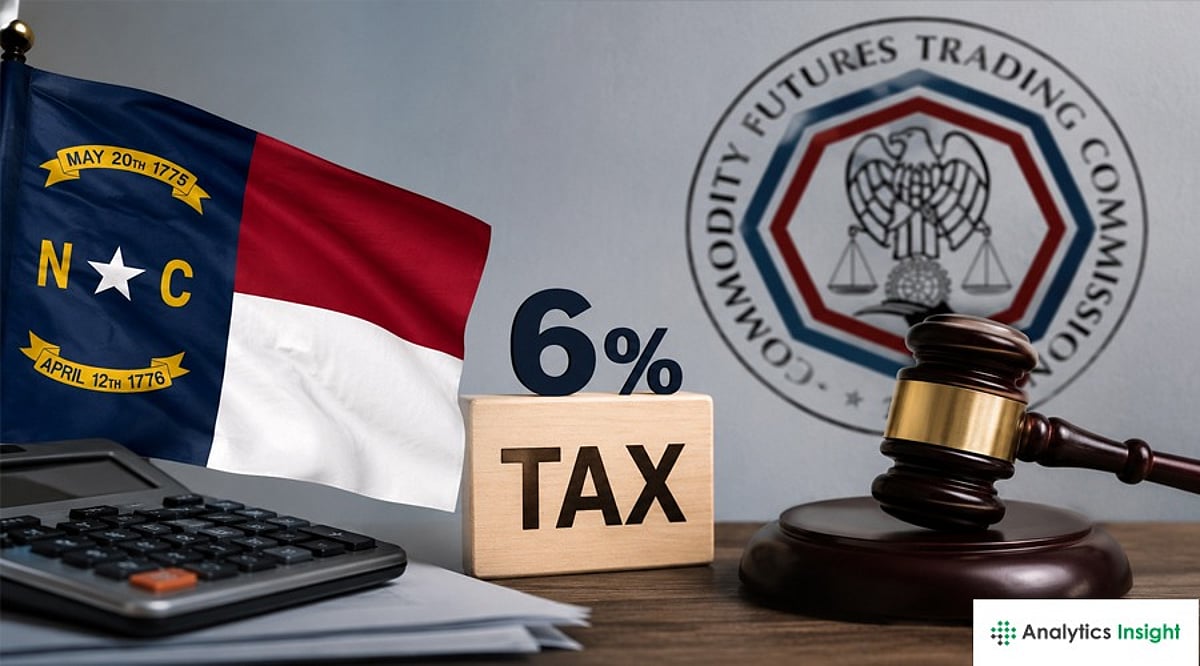
    North Carolina has become the first U.S. state to formally recognize federal oversight of prediction markets in state law, allowing platforms such as Kalshi and Polymarket to operate legally if they register with the Commodity Futures Trading Commission (CFTC). The change is part of Senate Bill 257, known as Session Law 2026-41, which is included in the state’s roughly $34 billion budget.

    The measure introduces a 6% tax on net revenue from transactions involving North Carolina residents starting January 1, 2027, while eliminating separate state licensing requirements for CFTC-registered operators. This development comes as prediction market platforms continue to defend their operations against legal challenges in several states.

    Budget Creates New Framework for Prediction Markets

    The new law relies on the Commodity Exchange Act, which grants the CFTC exclusive federal regulatory authority over prediction markets. As a result, CFTC-registered operators meet North Carolina’s regulatory requirements without seeking additional state licenses or complying with separate gaming rules.

    Instead, the legislation requires prediction market operators to pay a 6% tax on net revenue earned from North Carolina users starting in 2027. Meanwhile, the same budget raises the sports betting tax to 23% of gross betting revenue from the previous 18%. Licensed sportsbooks also continue to pay a $1 million licensing fee to operate in the state, while prediction market platforms do not face that cost under the new framework.

    Critics have questioned the difference between the tax rates. Mick Mulvaney, who leads Gambling Is Not Investing and previously served as acting White House chief of staff, told Axios that prediction markets operate as unlicensed sports gambling applications. He also argued that the policy could encourage operators to bypass state gambling rules while allowing minors to participate in sports-related markets.

    Lawmakers Weigh Revenue and Industry Impact

    Republican leaders described the measure as recognition of existing market activity. House Speaker Destin Hall said prediction market activity already occurs in North Carolina and that lawmakers decided it was time to address it. Senate leader Phil Berger also commented on the industry’s future but stopped short of predicting whether prediction markets could eventually replace traditional sports betting.

    Some Democrats expressed concerns despite supporting the overall budget. Senator Julie Mayfield warned that sports betting revenue could decline if operators shift toward prediction markets. According to WRAL, North Carolina has collected more than $287 million from sports betting since legalization in March 2024. The report also noted that the University of North Carolina and North Carolina State University may each receive up to $5.8 million annually to support athletic programs.

    Other States Continue Legal Challenges

    Gaming analyst Dustin Gouker wrote in his Next Event Horizon newsletter that North Carolina became the first state to allow CFTC-approved prediction markets without requiring separate state licensing. He described the law as affirming federal oversight while applying a relatively low tax rate and predicted that other states could consider similar legislation.

    Other states have adopted different approaches. Kentucky introduced a 14.25% excise tax in April, prompting legal action from the CFTC. Illinois later approved taxes on betting transactions while maintaining state licensing requirements, after which Kalshi filed a lawsuit.

    Court decisions have also varied. Kalshi secured preliminary injunctions in New Jersey and Tennessee, which the Third Circuit upheld in April. However, the company lost similar cases in Maryland, Nevada, Arizona, Ohio, and recently in New York, where Judge Analisa Torres ruled that Kalshi had not demonstrated a likely success under federal preemption law.

    Kalshi has appealed that decision to the Second Circuit Court of Appeals. Sports law attorney Daniel Wallach said the ruling could affect the company’s remaining legal disputes. Meanwhile, the CFTC has challenged nine states over event contracts, and some legal observers believe the issue could ultimately reach the U.S. Supreme Court.

    North Carolina Attorney General Jeff Jackson also signed an April letter opposing federal regulation, according to Axios. Even so, the state’s budget focuses on taxation while broader legal questions continue in federal courts. A Polymarket spokesperson told Axios that the company follows CFTC rules and expects state regulation efforts to face significant federal preemption challenges.

    What’s Next?

    North Carolina has become the first state to recognize federal oversight of prediction markets through state law. The measure allows CFTC-registered platforms to operate without separate licenses while introducing a 6% tax. Meanwhile, legal disputes over federal authority and state regulation continue across several jurisdictions.

  • Kraken Pursues European Banking License via Lithuania to Expand Regulated Services

    Kraken Pursues European Banking License via Lithuania to Expand Regulated Services

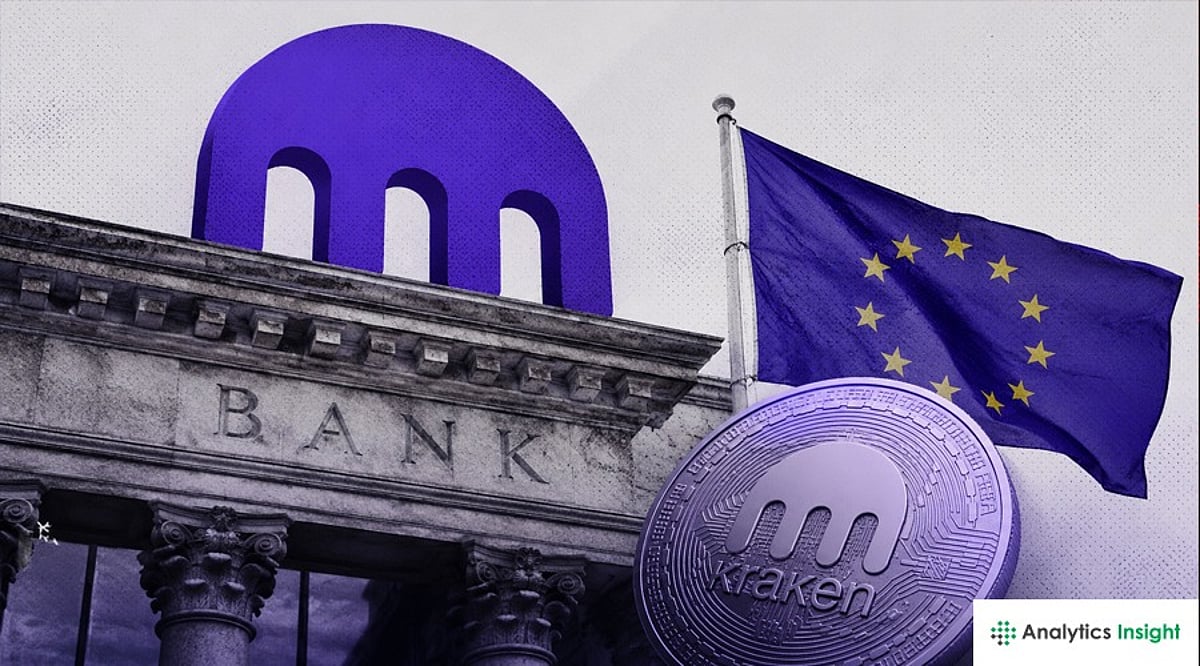
    Kraken, the cryptocurrency exchange operated by parent company Payward, is seeking a full banking license in Europe, with Lithuania identified as the likely jurisdiction for approval. This move would add a banking layer to Kraken’s existing regulatory permissions, including its Markets in Crypto-Assets (MiCA) authorization from the Central Bank of Ireland and its Markets in Financial Instruments Directive (MiFID) license from Cyprus.

    If approved, Kraken would become the only cryptocurrency exchange with a full banking license across the European Economic Area (EEA). The license would allow the firm to offer euro-denominated accounts, hold customer deposits, and provide credit services, subject to product-level approval from regulators. It would also place Kraken under direct banking supervision in Lithuania, where regulators would review how the exchange separates crypto activity from traditional banking services.

    Kraken’s strategy follows a path pioneered by Revolut, which received a specialized European banking license from the Bank of Lithuania in 2018. Lithuania has become a common entry point for fintech firms seeking access to the broader EU market. Other companies with banking licenses in the country include Mano Bank, PayRay, European Merchant Bank, AB Fjord Bank, and Saldo Bank.

    Kraken co-CEO Arjun Sethi outlined the company’s long-term licensing strategy at Money20/20 Europe in Amsterdam in June 2026, stating: “The plan for the next 10 years is to get all of these licenses, either through buying an existing business or going de novo in each region and starting from scratch.” This approach builds on earlier milestones, including Kraken Financial’s access to the Federal Reserve’s Fedwire system in March 2026 and authorization from the UAE’s Virtual Assets Regulatory Authority in May 2026.

  • Bitcoin Surges Past $62,000 as ETF Inflows Return and US Crypto Bill Gains Traction

    Bitcoin Surges Past $62,000 as ETF Inflows Return and US Crypto Bill Gains Traction

    Bitcoin rebounded above $62,000 in early July after a challenging June marked by record outflows from US spot Bitcoin ETFs. Renewed weekly net inflows of $526.64 million, growing attention to proposed US crypto legislation, and continued institutional interest have shifted focus to Bitcoin’s next market direction.

    Bitcoin Recovers After a Difficult June for ETFs

    Bitcoin ended June near a two-year low, falling to roughly $58,000. Market data revealed that US spot Bitcoin ETFs experienced approximately $8.9 billion in net outflows since early May, including about $4.51 billion in June alone — the weakest month for the ETF category since its launch.

    Santiment reported that retail investors increased small Bitcoin holdings during the second half of June, while larger holders reduced exposure. The analytics firm noted that large investors remained cautious, waiting for stronger signs that the market had reached a bottom.

    The report also highlighted a shift in capital toward AI and semiconductor stocks during June. According to Santiment, those sectors attracted investment that previously flowed into cryptocurrencies, reducing institutional demand for Bitcoin. HashKey researcher Tim Sun commented, “capital was reallocating across risk assets rather than that investors were losing their appetite for risk altogether.” He added that Bitcoin could attract that capital again if the AI sector slows.

    Fresh ETF Inflows and US Legislation Support Market Sentiment

    Market conditions improved during the first week of July as US spot Bitcoin ETFs posted $526.64 million in weekly net inflows despite ongoing uncertainty. This followed one of the largest monthly withdrawal periods on record for the ETF market.

    The positive inflow indicated that some institutional investors continued allocating capital to regulated Bitcoin products even after June’s decline. Analysts emphasize that ETF flow data remains a key metric because spot ETFs purchase actual Bitcoin rather than futures contracts.

    Bitcoin traded above $62,000 as investors tracked developments surrounding the proposed CLARITY Act in the United States. Prediction market data showed rising expectations that the legislation could advance before Congress begins its August recess. The bill has support from over 200 crypto companies, including Coinbase, Ripple, and Kraken. Supporters believe clearer regulations could encourage broader participation in digital asset markets, although lawmakers have not yet approved the legislation.

    Strategy, Blockchain Security, and Market Focus Remain in View

    Strategy (formerly MicroStrategy) also remained in the spotlight after Executive Chairman Michael Saylor introduced a Digital Credit Capital Framework designed to strengthen liquidity and support the company’s preferred stock obligations. Saylor also addressed concerns about Strategy’s Bitcoin position, stating that “the company had bought about 175,000 BTC this year” and adding that “he had not sold any of his personal stash.” Strategy currently holds more than 818,000 BTC, making it the world’s largest corporate Bitcoin holder.

    Meanwhile, blockchain security returned to focus after researchers disclosed that they identified and fixed a critical vulnerability on the Aptos blockchain before attackers could exploit it. Security firm Hexens said the issue could have affected infrastructure supporting as much as $70 billion in digital assets, although no funds were lost.

    Elsewhere, blockchain analytics firm Nansen estimated that holders of the TRUMP memecoin have accumulated about $3.8 billion in combined losses after the token declined sharply from its peak. As July progresses, traders continue to monitor ETF flows, regulatory developments, institutional activity, and broader market conditions for signs of Bitcoin’s next direction.

  • RBI Warns Against Crypto Legalization, Citing Threats to India’s Financial Stability

    RBI Warns Against Crypto Legalization, Citing Threats to India’s Financial Stability

    The Reserve Bank of India (RBI) has firmly opposed the legalization of virtual digital assets (VDAs), warning that cryptocurrencies pose significant risks to the country’s monetary and financial stability. During a parliamentary briefing on Thursday, the central bank urged lawmakers to maintain the prohibition on private crypto assets as India reviews its digital currency strategy.

    RBI Flags Crime Risks and Offshore Enforcement Gaps

    The Parliamentary Standing Committee on Finance examined virtual digital assets and possible policy responses during its seventh meeting on the subject. BJP lawmaker Bhartruhari Mahtab chaired the session, which included representatives from the RBI and the Institute of Chartered Accountants of India (ICAI). The meeting also reviewed progress in India’s central bank digital currency pilot, commonly known as the digital rupee.

    The RBI told the panel that privately issued digital assets create complex regulatory, tax, and enforcement challenges. It also warned that criminals could use digital money for terror financing, narcotics smuggling, and other illegal activities. The central bank said offshore crypto entities remain difficult for Indian authorities to track, as cross-border platforms can operate outside domestic oversight.

    To support its position, the RBI cited China and Qatar as countries that prohibit similar financial activities. It also noted that the European Union allows VDAs through a strict regulatory framework with extensive controls.

    “It is encouraging to see the RBI reinforce the critical distinction between speculative crypto assets and Real-World Asset (RWA) tokenisation before the Parliamentary Standing Committee on Finance,” said Edul Patel, CEO at Mudrex.

    ICAI Backs Regulation as Digital Rupee Adoption Slows

    ICAI supported a comprehensive legal framework for virtual digital assets instead of continued uncertainty. The accounting body said clear rules could improve financial reporting, compliance, and the treatment of VDAs across different business activities. It offered to research the various forms of digital assets and examine their economic characteristics to guide recognition, measurement, presentation, and disclosure standards within company financial statements.

    Mahtab said the RBI remained firmly against legalizing VDAs in India. He also noted that existing income tax rules already cover parts of the sector and allow authorities to examine related financial activity. The committee considered the slower adoption of the digital rupee compared with privately issued digital assets. Mahtab said the RBI’s digital asset had not achieved the same level of market traction.

    As a result, the panel examined possible policy measures that could expand India’s digital financial ecosystem while protecting consumers and financial institutions. Members also reviewed the need to safeguard the broader economy from emerging risks. The discussion covered taxation, enforcement, investor protection, offshore access, and stablecoin use. It also placed the digital rupee within India’s wider effort to promote financial innovation without weakening monetary control or financial stability.

    What’s Next?

    The RBI remains firmly opposed to crypto legalization, citing financial stability, offshore enforcement, and illicit finance risks. Meanwhile, ICAI supports a clear regulatory framework as Parliament reviews India’s digital asset policy. Lawmakers must now decide how to protect the economy while supporting responsible financial innovation.