Tag: crypto scam

  • Bitcoin ETF Outflows, Luno Layoffs, Morgan Stanley Crypto Trusts, and Myanmar Anti-Scam Law: Top Crypto News

    Bitcoin ETF Outflows, Luno Layoffs, Morgan Stanley Crypto Trusts, and Myanmar Anti-Scam Law: Top Crypto News

    Bitcoin Spot ETFs See $49.75M in Net Outflows

    According to SoSoValue, Bitcoin spot ETFs recorded a total net outflow of $49.75 million yesterday. The Grayscale Bitcoin Mini Trust ETF ($BTC) saw the highest net inflow of $5.08 million, bringing its historical net inflow to $2.65 billion. Conversely, BlackRock’s IBIT led outflows with $54.83 million, though its cumulative net inflow remains at $60.33 billion. Overall, Bitcoin spot ETFs hold a net asset value of $77.23 billion, with a net asset ratio of 6.02% and a cumulative net inflow of $51.32 billion.

    Luno Cuts 20% of Global Workforce

    Crypto exchange Luno announced a 20% reduction in its global workforce as part of a corporate restructuring plan revealed in July 2026. CEO James Lanigan cited the need to adjust the operating structure in response to recent crypto market volatility, including prolonged price declines in Bitcoin, Ethereum, and Solana. The company has invested heavily in automation and process improvements over the past year. Luno currently serves 16 million users across Africa and Asia-Pacific markets.

    Robinhood Chain TVL Reaches $332 Million

    Total value locked (TVL) on Robinhood Chain has climbed to approximately $325 million, with no daily declines since launch. However, daily DEX volume averaged $553 million last week, a 27% drop from the previous week. Active accounts fell to around 275,000 per day, a 7% weekly decline. The DEX volume-to-TVL ratio dropped from 9.25x in mid-July to 1.68x by last Friday. Robinhood Earn’s estimated 7% APY on USDG appears to be a major driver, though trading volume per active account slid to $2,000 from a peak of $2,800.

    Morgan Stanley Launches Ethereum and Solana Trusts

    Morgan Stanley Investment Management launched the Morgan Stanley Ethereum Trust (MSSE) and Morgan Stanley Solana Trust (MSOL) on Tuesday, trading on NYSE Arca. Both products charge an annual management fee of 0.14%, among the lowest for U.S. crypto exchange-traded products. They hold digital assets directly, allowing investors to gain price exposure through traditional brokerage accounts without managing wallets or private keys.

    Myanmar Passes Anti-Crypto Scam Bill

    Myanmar’s Parliament approved the Anti-Online Scam Bill on July 28, targeting digital-currency fraud, online scam centers, forced scam labor, and financial networks supporting scams. The state-run Global New Light of Myanmar reported the bill’s full approval. However, the final text, presidential assent, and commencement date are not yet publicly available. Penalties remain based on the May draft and lawmakers’ comments.
  • Bengaluru Crypto Influencers Investigated in $35 Million OTC Fraud Scheme

    Bengaluru Crypto Influencers Investigated in $35 Million OTC Fraud Scheme

    India’s Enforcement Directorate (ED) has launched a money laundering probe into an alleged cryptocurrency investment fraud worth approximately $35 million (over Rs. 300 crore). The case involves Bengaluru-based crypto influencers who are accused of promising discounted token allocations to overseas investors and then failing to deliver.

    How the Alleged Scheme Worked

    According to the ED, the suspects operated as self-proclaimed crypto ‘key opinion leaders’ and used Telegram, WhatsApp, Instagram, websites, and in-person meetings to lure victims. They claimed to have access to guaranteed, steeply discounted direct token allocations from major blockchain projects such as MultiverseX, Kava, BEAM, GRASS, SUI, VANA, and AGLD. These private placements typically occur before public exchange listings, making the promised discounts attractive to early buyers. The accused allegedly used false credentials and claimed direct ties with blockchain developers to support their offers.

    Investigators say the group initially completed smaller deals without issues to build trust before investors transferred larger amounts. Funds were routed through a network of wallets, with large portions traced to suspect Ravindra K in Bengaluru, who is believed to be the operator behind the over-the-counter (OTC) deals. After receiving multi-million-dollar investments, the accused allegedly stopped delivering tokens when crypto prices rose, causing investors to lose access to promised allocations.

    ED Actions and Seizures

    The ED’s Bengaluru Zonal Office carried out searches on July 18 and 19, seizing digital devices, emails, wallet records, and encrypted account details. Authorities also seized virtual assets worth about 8,700 USDT (Tether stablecoin). The probe began under the Prevention of Money Laundering Act following a complaint from a Dutch commercial entity and an FIR from the South Andaman Cyber Crime Police. Initial losses were estimated at $10 million, but further checks revealed the suspected fraud exceeded $35 million.

    Officials say the seized material may help trace how funds moved between wallets and personal accounts, and may identify more victims. The ED is reviewing offshore wallets and related payment records for additional transfers. International cooperation may become necessary as the suspected transactions crossed several countries. The agency continues to examine the full network and seeks to freeze assets connected to the case. No court has convicted the named individuals, and the allegations remain under investigation.

  • Bengaluru Crypto Influencer Faces ED Investigation in Rs 300 Crore Investment Scam

    Bengaluru Crypto Influencer Faces ED Investigation in Rs 300 Crore Investment Scam

    The Enforcement Directorate (ED) has launched an investigation into a Bengaluru-based cryptocurrency influencer linked to an alleged Rs 300 crore (approximately $35 million) investment scam. The probe, which began after a Dutch entity filed a complaint with the South Andaman Police cybercrime unit, has uncovered a sophisticated fraud involving cryptocurrency wallets and false promises of high-value digital assets.

    According to investigators, the prime suspect, identified as Ravindra K, along with accomplices Mohammed Waseem, Saurabh Diwan, and Vaibhav Gupta, allegedly lured victims through private Telegram channels, WhatsApp, Instagram, and in-person meetings. They presented themselves as influential figures in the crypto space and promised popular virtual digital assets such as MultiverseX, Kava, BEAM, GRASS, SUI, VANA, and AGLD.

    Initial transactions were reportedly legitimate to build trust, but after collecting millions of dollars in investments, the accused stopped delivering the promised tokens. The ED conducted searches on July 18 and 19, seizing digital devices, email records, cryptocurrency wallets, and 8,700 USDT in virtual digital assets linked to the scam.

    This case comes amid heightened scrutiny of financial influencers and crypto creators, who can rapidly sway investment decisions through their online followings. The ED’s latest probe underscores authorities’ growing focus on online investment promotions as crypto-related fraud cases continue to emerge.

    Also read: How to Spot Crypto Phishing Scams, Fake Apps, and Fraudulent Websites.

  • WhatsApp Crypto Scam Dupes Gwalior CA of ₹21.06 Crore via Fake USDT Trading Platform

    WhatsApp Crypto Scam Dupes Gwalior CA of ₹21.06 Crore via Fake USDT Trading Platform

    A retired chartered accountant in Gwalior has lost a staggering ₹21.06 crore in a sophisticated cryptocurrency scam that began with a single WhatsApp message. The Gwalior State Cyber Cell is now investigating what officials describe as one of the largest crypto frauds ever recorded in the state.

    How the Scam Unfolded

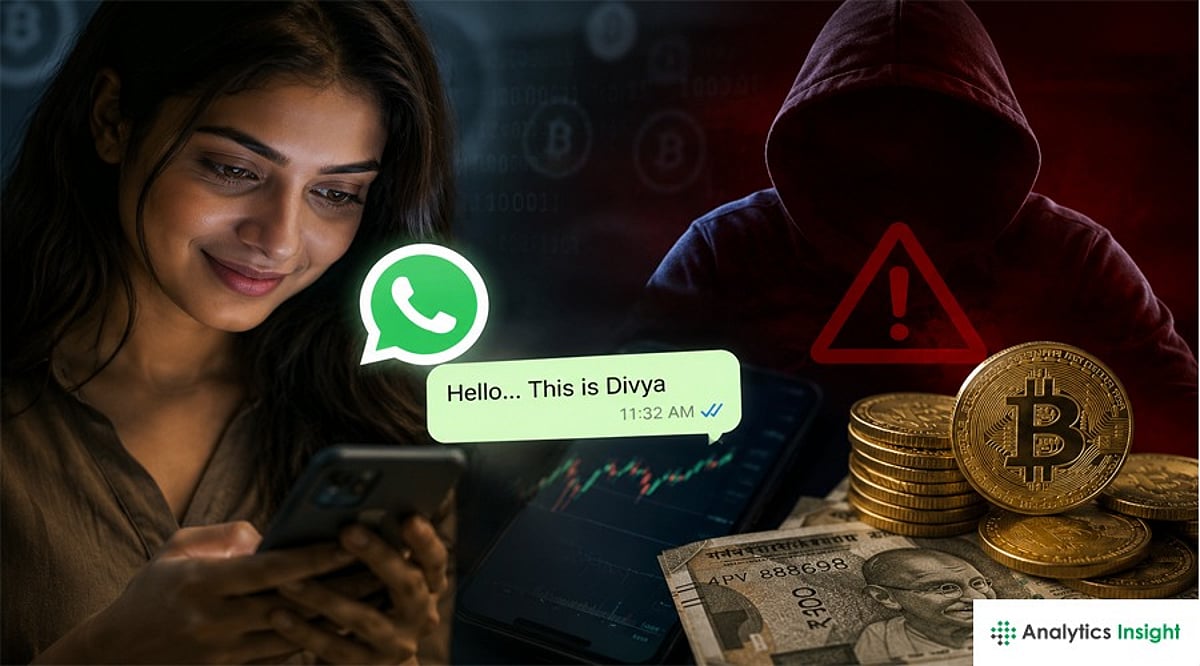
    The trouble started in December 2025 when a woman calling herself ‘Divya’ contacted the 70-year-old victim on WhatsApp. Posing as an investment adviser, she promised high returns through USDT crypto trading. To build trust, she encouraged small initial investments and delivered the promised returns. Over the following months, the victim poured in more money as the trading app showed his profits climbing—at one point displaying holdings worth over ₹33 crore.

    When he attempted to withdraw the funds, the scammers invented new excuses, demanding taxes, risk charges, and additional fees. The money never materialized, and the victim realized he had been cheated.

    Money Laundered Through Thousands of Accounts

    Police investigations revealed that the stolen ₹21.06 crore passed through a four-layer network of bank accounts. More than 20,000 transactions were used to move the funds across multiple states, likely using money mules to obscure the trail. Investigators have so far frozen about ₹2 crore and are working to trace the remainder, identify the perpetrators, and track the IP addresses linked to the fake app and WhatsApp accounts.

    Growing Threat of Crypto Scams

    This case highlights how far crypto scams have evolved. Fraudsters now employ realistic-looking apps, early profit payouts, and trusted platforms like WhatsApp to lure victims before vanishing with their savings. Experts urge investors to verify the credentials of any investment adviser and to be wary of schemes promising unusually high returns.