Tag: Crypto Scams

  • Kenya’s DCI Warns Public About Forex and Crypto Scams Hidden Behind Flashy Social Media Lifestyles

    Kenya’s DCI Warns Public About Forex and Crypto Scams Hidden Behind Flashy Social Media Lifestyles

    Kenya’s Directorate of Criminal Investigations (DCI) has issued a public warning about online investment scams that use luxury lifestyles and fabricated trading profits to lure victims. The agency specifically cautioned against taking social media displays of wealth as evidence of successful investing.

    Social Media Glamour vs. Real Returns

    On Monday, September 28, the DCI highlighted a group it referred to as ‘Masharp Boys/Girls,’ whose accounts feature images of cash, expensive cars, drinks, and overseas trips alongside offers related to forex trading, cryptocurrency, arbitrage, and betting. Some of these accounts promote trading platforms or share signals via Telegram. The DCI urged Kenyans to question the link between those glamorous images and the advertised returns.

    The warning specifically addressed screenshots that appear to show large trading profits. According to the DCI, a dashboard may display a number, but viewers cannot verify from an image alone whether the trades actually occurred or whether the account holder withdrew the money. The agency described these as ‘phantom profits.’ Its statement did not name any specific individual or claim that everyone posting about trading is committing fraud.

    The DCI noted that some promoters may stage photographs or use hired vehicles to create a false impression of success. These displays help build trust before asking followers to invest in a scheme. The agency’s concern is the use of apparent wealth to support an investment pitch, not the possession of luxury goods itself.

    Fake Platforms and Phishing Risks

    The DCI also warned about fake trading platforms, fraudulent cryptocurrency wallets, and phishing links. These tools can make an offer look legitimate while giving criminals access to deposits or personal data. The agency cited identity fraud, deepfakes, and other deceptive methods as risks associated with online financial scams.

    A person responding to an online offer may be asked to register, send funds, or provide account details before any claimed return can be verified. The DCI advised Kenyans to be cautious when promoters promise substantial profits with little effort or risk. It also warned that those running fraudulent schemes could face legal consequences.

    The DCI’s message covers several types of offers, including forex and crypto pitches. It does not state that trading in those markets is inherently a scam. The concern is whether a promoter uses false records, misleading claims, or a fake platform to obtain money from the public.

    Regulator Weighs In

    The DCI’s warning follows a separate September statement from Kenya’s Capital Markets Authority (CMA). The regulator cautioned the public about entities offering investment services without the required license or approval. It urged people to avoid operators that disguise fraudulent activity as an investment opportunity.

    The CMA said members of the public could report suspected schemes to their nearest DCI office. Its notice provides a practical step for anyone considering an offer: check whether the provider has the required approval before sending money. A social media following, a trading screenshot, or a display of expensive purchases does not serve that purpose.

    The DCI asked Kenyans to remain alert when online claims of easy wealth lead to requests for funds or personal details. Its warning encourages the public to independently verify the advertised business and its claimed returns.

  • Cryptocurrency Safety for Beginners: Key Risks and How to Protect Your Funds

    Cryptocurrency Safety for Beginners: Key Risks and How to Protect Your Funds

    Beginners can use cryptocurrency safely, but it is not as safe as a regular bank account or paying by card. Even though public blockchains continue to operate reliably, people still lose funds due to scams, compromised wallets, hacked sites, malicious smart contracts, or simple transfer mistakes.

    Crypto Theft Remains Significant

    In 2026, security threats remain substantial. According to TRM Labs, cybercriminals stole USD 972 million through 207 crypto hacks in the first half of 2026. The number of incidents more than doubled from 83 in H1 2025, while total losses fell from USD 2.3 billion. Operational and structural breaches accounted for almost 76% of stolen amounts, although they represent only around 15% of incidents.

    Scams Are an Even Bigger Beginner Risk

    Chainalysis estimates that crypto scams received at least USD 14 billion on-chain in 2025 and could exceed USD 17 billion as additional illicit addresses are identified. Impersonation scams grew more than 1,400% year-over-year, while scams with links to AI tools generated 4.5 times more revenue per operation than those without such links.

    The FBI’s 2025 Internet Crime Report provides another warning. Americans submitted 181,565 complaints involving cryptocurrency, reporting more than USD 11 billion in losses. Cryptocurrency investment fraud alone accounted for approximately USD 7.2 billion.

    Custodial vs Self-Custody Wallets

    Beginners hold crypto through custodial exchanges or self-custody wallets. A custodial platform manages private keys for users, simplifying access and recovery but creating dependence on the company’s security, solvency, and withdrawal policies.

    Self-custody gives users direct control of their keys. That removes some counterparty risk, but losing a recovery phrase or exposing a private key can permanently compromise access.

    Transactions Can Be Irreversible

    Blockchain transactions generally cannot be reversed by customer support. If a user mistakenly sends money to the wrong address, uses an incompatible network, or approves a fraudulent transaction, they risk losing money permanently.

    To prevent financial loss, beginners must double-check addresses and networks, do a test transaction for larger transfers, and not copy wallet addresses from unreliable sites.

    Basic Security Makes a Difference

    Users need to use strong authentication, check exchange and wallet software, protect recovery phrases by storing them offline, and refrain from revealing their private keys. Requests for investment schemes with guaranteed profits and messages asking to move conversations to more private platforms should be treated with caution.

    The FBI indicates that fraud victims should cease sending money and report their case immediately. Crypto security is based on technology and behaviour. Beginner users are accountable for custody decisions, transaction verification, and fraud detection, which makes knowledge about security as important as knowledge about the value of crypto coins.

    Final Thoughts

    Cryptocurrency can be used by beginners. However, record hack counts and multibillion-dollar fraud losses show that risks remain significant. Starting with small amounts, understanding custody, and applying basic security practices can reduce avoidable exposure.

    Frequently Asked Questions

    1. Is cryptocurrency safe for beginners to use?

    Cryptocurrency can be used by beginners, but it carries significant security and financial risks. Users need to understand wallet security, scams, and irreversible transactions before transferring or investing substantial amounts.

    2. How much cryptocurrency was stolen through hacks in 2026?

    According to TRM Labs, attackers stole approximately USD 972 million across 207 incidents during H1 2026. Although losses declined from H1 2025, the number of recorded incidents more than doubled.

    3. What is the difference between custodial and self-custody wallets?

    A custodial wallet relies on a company to manage private keys, while self-custody gives the user direct control. Self-custody reduces dependence on intermediaries but places responsibility for protecting keys and recovery phrases on the owner.

    4. Can a cryptocurrency transaction be reversed if I make a mistake?

    Blockchain transactions are generally irreversible once confirmed. Sending cryptocurrency to an incorrect address or incompatible network can result in permanent loss, which is why beginners should carefully verify transaction details before sending funds.

    5. How can beginners reduce cryptocurrency security risks?

    Beginners can use strong authentication, keep recovery phrases offline, verify wallet applications, and avoid guaranteed-return investment schemes. Starting with small amounts and sending test transactions before larger transfers can also reduce avoidable mistakes.

    Disclaimer: This article is provided for informational purposes only and does not constitute investment advice. Cryptocurrencies are risky and may result in total loss of funds. Always conduct your own research (DYOR) before making any investment.

  • EU Warns of Surge in Crypto Impersonation Scams During MiCA Transition

    EU Warns of Surge in Crypto Impersonation Scams During MiCA Transition

    EU regulators have issued a fresh warning to cryptocurrency users about a sharp increase in impersonation scams following the conclusion of the MiCA (Markets in Crypto-Assets) transition period on July 1, 2026. Fraudsters across Europe are posing as regulators and authorized crypto firms, targeting customers of platforms that failed to secure MiCA approval.

    These criminals use fake emails, websites, and official-looking documents to trick victims into moving funds or sharing sensitive information. The European Securities and Markets Authority (ESMA) has specifically flagged fraudulent messages that misuse its name and branding.

    In a post on its official LinkedIn account, ESMA stated: “ESMA does not request personal data or payments through unsolicited emails.” The regulator urged users to verify any suspicious communication before taking action.

    France’s financial regulator, the Autorité des Marchés Financiers (AMF), has reported similar incidents where scammers impersonated its staff, directing victims to bogus websites and asking them to transfer crypto assets.

    By late July, ESMA’s official register listed 323 authorized crypto firms. However, more than 1,700 unlicensed firms could face closure or relocation, creating confusion that scammers are exploiting. Users searching for new regulated platforms are particularly vulnerable.

    To stay safe, regulators advise always checking a provider’s legal name against the official ESMA register before transferring funds. Avoid clicking links from unexpected emails, calls, or social media messages. Legitimate authorities will never ask for seed phrases, private keys, passwords, or payments via unsolicited communications.

    The MiCA transition aims to strengthen crypto market oversight, but fraudsters are taking advantage of the resulting uncertainty. Remaining vigilant is crucial.

  • Ultimate Crypto Security Guide: Safeguard Your Digital Assets from Scams, Hacks, and Theft in 2026

    Ultimate Crypto Security Guide: Safeguard Your Digital Assets from Scams, Hacks, and Theft in 2026

    Cryptocurrency has revolutionized how people invest, trade, and store wealth. Unlike conventional banks, the crypto world offers no safety net—a forgotten password, lost seed phrase, phishing attack, or malicious smart contract can wipe out your entire savings instantly, often with no recourse. As crypto adoption grows and cybercriminal tactics become more sophisticated, securing your digital assets is essential. Whether you’re a first-time Bitcoin buyer or a seasoned investor with a diverse portfolio, understanding the risks is the first step to protecting yourself. This comprehensive guide covers the most critical crypto security practices for 2026.

    Common Cryptocurrency Scams and How to Avoid Them

    Crypto scams evolve alongside the industry. The most prevalent include fake investment platforms, giveaway scams, celebrity or exchange impersonation, rug pulls, and pump-and-dump schemes. Scammers often promise guaranteed returns or claim you’ve won free crypto. Others create fake customer support accounts on social media to steal wallet credentials.

    How to stay safe:

    • Never trust guaranteed profits.
    • Verify social media accounts and websites.
    • Avoid clicking unknown links.
    • Research projects thoroughly before investing.
    • Ignore unsolicited investment advice in messaging apps. If something sounds too good to be true, it almost certainly is.

    How to Secure Your Crypto Wallet: Essential Safety Tips for Beginners

    A crypto wallet doesn’t actually store coins—it stores the private keys that provide access to blockchain assets. For beginners, security starts with choosing a trusted wallet provider and keeping software updated. Basic wallet safety includes:

    • Download wallets only from official sources.
    • Enable password protection.
    • Use biometric authentication when available.
    • Update wallet software regularly.
    • Never install unofficial wallet extensions. If you’re holding significant funds, avoid keeping everything in a single wallet. Diversifying storage reduces overall risk.

    How to Protect Your Private Keys and Seed Phrase from Theft

    Your private key and seed phrase are the master keys to your crypto holdings. Anyone with access to them can transfer your assets permanently.

    Best practices include:

    • Write your recovery phrase on paper or metal backup plates.
    • Store backups in secure physical locations.
    • Never take screenshots of your seed phrase.
    • Never save recovery phrases in cloud storage or email.
    • Never share them with anyone—even customer support. Many scams begin with fake “wallet verification” requests asking users to enter their seed phrase. Legitimate wallet providers never ask for it.

    Hot Wallet vs Cold Wallet Security: Which is Safer for Your Crypto?

    Choosing the right wallet depends on how often you use your crypto. Hot wallets are ideal for trading and small balances. Cold wallets, including hardware wallets, offer stronger protection because private keys never leave the device. Many experienced investors use a combination of both: a hot wallet for spending and a cold wallet for long-term holdings.

    How to Spot Crypto Phishing Scams, Fake Apps, and Fraudulent Websites

    Phishing remains the biggest threat in cryptocurrency. Attackers build fake exchange login pages, counterfeit wallet apps, and malicious browser extensions that look identical to legitimate services. Warning signs include:

    • Misspelled URLs
    • Unexpected login requests
    • Poor grammar
    • Pressure to act immediately
    • Fake customer support chats

    Always bookmark official websites instead of relying on search engine advertisements, which can sometimes promote fraudulent sites. Before approving wallet connections, verify the domain carefully.

    How to Keep Your Crypto Exchange Account Safe from Hackers

    Even major cryptocurrency exchanges face ongoing cyber threats. Protect your account by:

    • Using unique, complex passwords.
    • Enabling strong two-factor authentication.
    • Whitelisting withdrawal addresses when available.
    • Reviewing login history regularly.
    • Avoiding public Wi-Fi for financial transactions.

    Don’t leave large amounts of cryptocurrency on exchanges for extended periods. Exchanges are designed for trading—not permanent storage. Move long-term holdings into private wallets whenever possible.

    Best Two-Factor Authentication (2FA) Methods for Crypto Security

    Two-factor authentication provides an additional layer of protection beyond passwords. Not all 2FA methods offer equal security.

    Recommended options:

    • Authenticator Apps: Generate time-based security codes that are resistant to SIM swap attacks.
    • Hardware Security Keys: Devices like FIDO-compatible security keys provide among the strongest protection available.

    Avoid SMS Authentication: SMS verification remains vulnerable to SIM swapping, where criminals convince mobile carriers to transfer your phone number. Whenever possible, choose app-based authentication or physical security keys instead.

    How to Recover Lost or Stolen Cryptocurrency: What You Can and Can’t Do

    Crypto transactions are generally irreversible. If your assets are transferred to another wallet, blockchain networks typically cannot reverse the transaction. However, you should immediately:

    • Contact the exchange if funds were stolen from your exchange account.
    • Report the theft to law enforcement.
    • Notify blockchain analytics firms if large amounts are involved.
    • Preserve wallet addresses and transaction IDs.

    Recovery may be possible only if stolen assets pass through regulated exchanges willing to cooperate with investigations. If you lose your wallet but still have your recovery phrase, restoring access is usually straightforward. If both the wallet and seed phrase are lost, the assets are almost certainly unrecoverable.

    How to Safely Store Large Cryptocurrency Holdings for Long-Term Investment

    Long-term investors should prioritize security over convenience. Recommended strategy:

    • Store assets in hardware wallets.
    • Maintain multiple encrypted backups of recovery phrases.
    • Consider geographic separation for backups.
    • Use multi-signature wallets for substantial holdings.
    • Periodically verify backup integrity.

    Avoid discussing large crypto holdings publicly, as this can increase the risk of targeted phishing or social engineering attacks. Estate planning is also becoming increasingly important, ensuring trusted family members can access assets if necessary.

    Smart Contract and DeFi Security Risks Every Crypto Investor Should Know

    Decentralized Finance (DeFi) offers innovation but introduces unique risks. Common threats include:

    • Smart contract vulnerabilities
    • Flash loan attacks
    • Oracle manipulation
    • Rug pulls
    • Malicious token approvals

    Before interacting with any decentralized application:

    • Verify whether the protocol has undergone independent security audits.
    • Review community reputation.
    • Limit token approvals instead of granting unlimited permissions.
    • Revoke unused wallet permissions periodically.

    Even audited protocols can contain undiscovered vulnerabilities, so diversification remains essential.

    Common Crypto Security Mistakes That Put Your Digital Assets at Risk

    Many crypto losses stem from user mistakes rather than technical failures. Frequent errors include:

    • Reusing passwords
    • Ignoring software updates
    • Keeping all assets on exchanges
    • Clicking unknown links
    • Saving seed phrases digitally
    • Falling for urgency tactics
    • Using public computers for crypto transactions

    Security habits matter far more than expensive tools. Small precautions consistently applied provide significant protection over time.

    Best Crypto Security Practices Every Investor Should Follow in 2026

    Cybersecurity continues to evolve alongside blockchain technology. Core best practices include:

    • Enable strong 2FA.
    • Use hardware wallets for significant holdings.
    • Verify wallet addresses before every transfer.
    • Double-check blockchain networks before sending funds.
    • Keep operating systems updated.
    • Separate trading funds from long-term investments.
    • Regularly review connected wallet permissions.
    • Maintain offline backups of recovery phrases.
    • Test recovery procedures periodically.

    Staying informed about emerging scams is just as important as maintaining secure technology.

    Future of Cryptocurrency Security: AI, Multi-Signature Wallets, and Emerging Protection Technologies

    Crypto security is becoming increasingly sophisticated. Artificial intelligence is helping exchanges detect suspicious transactions, identify phishing attempts, and flag unusual account activity in real time. Multi-signature wallets continue to gain popularity because they require multiple approvals before funds can move, reducing the risk of a single compromised device or key. Other emerging technologies include:

    • Biometric authentication
    • Passkey-based wallet access
    • Zero-knowledge identity verification
    • Hardware isolation chips
    • Real-time blockchain threat intelligence
    • AI-powered fraud detection

    As institutional investors enter the crypto market, security standards are expected to become more advanced, benefiting retail investors as well. However, technology alone cannot eliminate risk. User awareness will remain the strongest defense against scams and theft.

    Market Outlook

    Cryptocurrency offers financial freedom, but it also demands personal responsibility. Unlike traditional banking, there is rarely a customer service hotline that can reverse fraudulent transactions or recover forgotten credentials. Protecting digital assets requires a combination of secure technology, careful online behavior, and ongoing vigilance. Using hardware wallets, safeguarding private keys, enabling strong authentication, verifying every transaction, and staying informed about new threats can dramatically reduce the chances of becoming a victim. As blockchain technology continues to mature in 2026 and beyond, investors who prioritize security alongside investment strategy will be best positioned to protect and grow their digital wealth over the long term.

  • Bitcoin ETFs Surge with $203M Inflows, Russia Advances Crypto Law, and 8.4M UNI Exits Exchanges

    Bitcoin ETFs Surge with $203M Inflows, Russia Advances Crypto Law, and 8.4M UNI Exits Exchanges

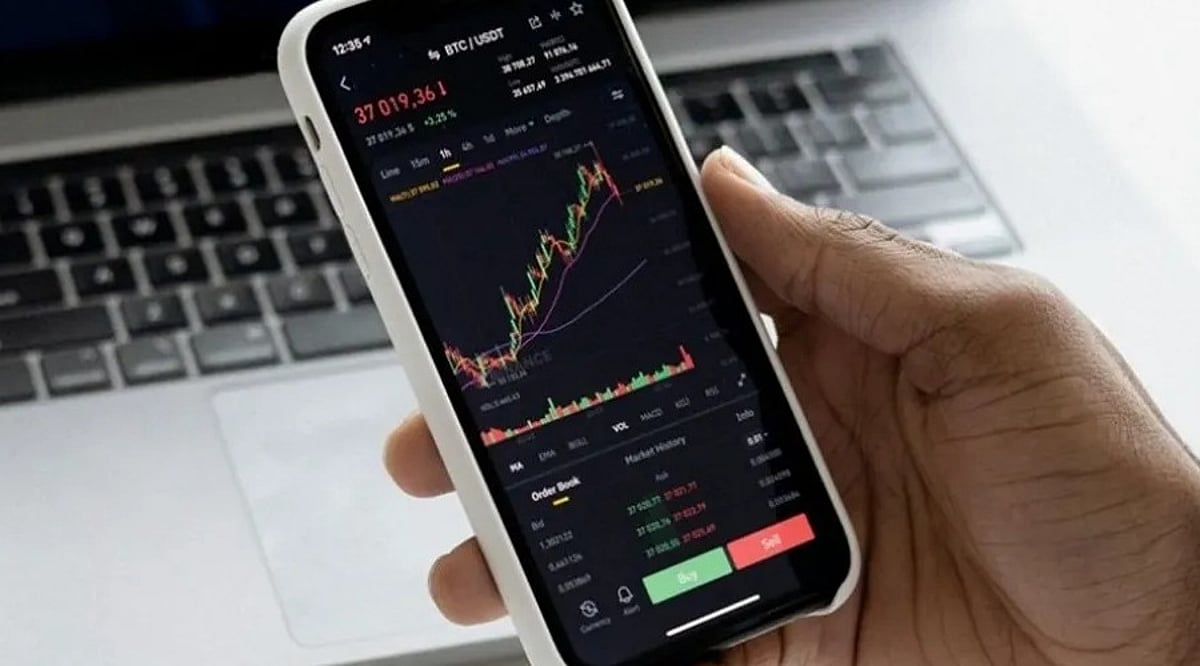
    Bitcoin spot ETFs saw a massive $203.14 million in net inflows on July 21, 2026, led by BlackRock’s IBIT, while Russia’s State Duma approved a comprehensive digital currency bill. Meanwhile, 8.4 million UNI left exchanges in the largest such outflow of the year, and U.S. authorities seized over $25 million in digital assets from scam networks. Here’s a roundup of the top crypto news today.

    Bitcoin ETFs Attract $203 Million in Inflows

    According to data from SoSoValue, Bitcoin spot ETFs recorded a total net inflow of $203.14 million yesterday. BlackRock’s IBIT led the pack with $163.89 million in daily net inflows, bringing its historical total to $60.77 billion. Fidelity’s FBTC followed with $23.11 million, accumulating a historical net inflow of $10.02 billion. The total net asset value of all Bitcoin spot ETFs now stands at $80.94 billion, with an ETF net asset ratio of 6.08% and a cumulative historical net inflow of $51.78 billion.

    Russia Passes Landmark Crypto Law

    Russia has taken a major step toward regulating its crypto market. The State Duma approved the digital currency bill during its second and third readings on July 21. The legislation establishes rules for exchanges, brokers, digital depositories, asset managers, and other intermediaries. Companies offering exchange services must eventually join a special regulatory registry, while existing operators receive a transition period until July 1, 2027. Most provisions are expected to take effect on September 1, 2026, subject to further legislative approval and the president’s signature. The move coincides with ongoing U.S. negotiations over the CLARITY Act, which seeks to define oversight responsibilities between the SEC and CFTC.

    Also read: Bitcoin Price Trades Near $65,700 After Rejection at $66,921

    8.4 Million UNI Leaves Exchanges

    Uniswap (UNI) drew renewed attention as exchange balances recorded their largest decline of 2026. Approximately 8.4 million UNI left trading platforms within 24 hours, ending weeks of relatively stable exchange flows. The timing coincides with renewed focus on its fee and burn narrative, the Robinhood Chain launch, tokenized asset support, and Spark’s $150 million v4 liquidity migration. Following the drop, a four-year-old wallet accumulated 82,891 UNI worth roughly $305,000, completing the purchase in three transactions at an average price of $3.68. UNI gained 3.33% over the past week and 23.59% over the last month.

    AAVE Rally Accelerates

    Aave V4 surpassed $300 million in deposits in July 2026, coinciding with an 8% rise in the price of its native token, moving from $88 to $96. According to the TokenLogic metrics dashboard, the core developer count across GitHub repositories rose from 10.42 in May to 15 in July 2026. This growth in code engineering typically precedes software upgrades and governance preparations within the platform. Active users on Aave V4 continued to grow, and revenue generation continued through borrowing fees, market operations, and partner agreements, despite a global liquidity decline in Q4 2025.

    US Cracks Down on Crypto Scam Networks

    On Tuesday, the U.S. Attorney’s Office for the District of Columbia and the United States Secret Service filed five civil forfeiture complaints aimed at seizing over $25 million in digital assets. The legal action seeks to restore stolen funds to thousands of victims impacted by crypto scams across the United States and Canada. The operations were part of the strategy executed by the Scam Center Strike Force unit, established in November 2025 under the administration of U.S. Attorney Jeanine Ferris Pirro. According to the Department of Justice, investigations identified that the financial operators of these networks were located in Southeast Asia.

    FAQs

    1. How much money flowed into Bitcoin spot ETFs?

    According to SoSoValue, Bitcoin spot ETFs registered $203.14 million in daily net inflows. BlackRock’s IBIT led with $163.89 million, followed by Fidelity’s FBTC with $23.11 million.

    2. What does Russia’s new crypto law cover?

    The proposed framework introduces rules for crypto exchanges, brokers, digital depositories, asset managers, and other intermediaries. Existing operators are expected to receive a transition period until July 1, 2027.

    3. Why is the movement of 8.4 million UNI important?

    A large decline in exchange balances can indicate that investors are moving tokens into private wallets rather than preparing to sell. The outflow also coincided with fresh accumulation by a four-year-old wallet.

    4. What is driving the recent AAVE rally?

    Aave V4 deposits surpassed $300 million in July 2026, while the AAVE token rose from $88 to $96. Developer activity and active-user growth also remained on a positive trend.

    5. What action has the US taken against crypto scams?

    US authorities filed five civil forfeiture complaints seeking control of more than $25 million in digital assets. The action aims to recover funds stolen from scam victims in the United States and Canada.