Tag: Crypto Security

  • Ethereum Layer-2 Scams: How to Protect Your Crypto from Fake Networks and Bridges

    Ethereum Layer-2 Scams: How to Protect Your Crypto from Fake Networks and Bridges

    Fake Ethereum Layer-2 networks are on the rise, mimicking legitimate projects, websites, RPCs, and bridges to deceive users. Scammers build convincing infrastructure that looks authentic, then lure victims into bridging real ETH into a fraudulent network. The fake bridge accepts deposits while the promised Layer-2 never actually exists.

    One recent case, the fake GIWA network, reportedly attracted about 767 ETH from around 1,335 addresses. Eventually, approximately 766 ETH was drained from the bridge. A familiar Chain ID does not guarantee a network is genuine. For instance, the GIWA scam used Chain ID 9134 even though the official mainnet had not yet launched.

    A working RPC, successful transactions, or a functioning blockchain also cannot confirm who controls the network. Attackers can create all the infrastructure needed to appear real. Watch for unofficial “mainnet live” announcements, unknown RPC links, newly created bridge websites, urgent deposit requests, and networks missing from the official project documentation.

    Before bridging, verify the Layer-2’s official website, launch status, Chain ID, RPC URL, bridge contract, block explorer, and contract addresses. Ethereum’s security guidance recommends carefully checking network information before using any bridge. Additionally, never grant a smart contract unlimited spending access when a smaller limit is possible. Set spending limits to only the amount required.

    Already connected to a suspicious bridge? Stop interacting immediately, revoke unnecessary token approvals, move remaining funds to a clean wallet if needed, save all transaction details, and ignore anyone promising guaranteed crypto recovery.

  • A Beginner’s Guide to Investing $100 in Cryptocurrency in 2026

    A Beginner’s Guide to Investing $100 in Cryptocurrency in 2026

    Starting with cryptocurrency does not require thousands of dollars. Bitcoin and Ethereum are divisible, so a beginner with $100 can buy fractions of a coin. The challenge is using that amount efficiently while controlling fees and risk. This guide walks you through the essential steps to start your crypto journey with a small budget.

    Step 1: Understand the Risk

    Crypto markets can move sharply within hours, and some tokens can lose most of their value. The $100 should be money you can afford to lose, not essential funds. Scams are another growing risk. The FTC reported more than $7.9 billion in investment-scam losses in 2025, with a median reported loss above $10,000. That makes platform verification important.

    Step 2: Choose a Platform Carefully

    First-time investors mostly trade crypto via an exchange or brokerage that accepts fiat currency. Compare transaction fees, spreads, withdrawal costs, asset options, and security features before depositing. Small portfolio investments are particularly sensitive to charges. A 1% charge on $100 equals $1. Buying, converting, and withdrawing funds can take away a notable portion of your investment.

    Step 3: Keep the Portfolio Simple

    Rather than dividing $100 among many speculative tokens, beginners can first research established assets such as Bitcoin and Ethereum. A token priced at $0.01 is not necessarily cheaper than Bitcoin. Market capitalization, calculated by multiplying price by circulating supply, provides more context than unit price alone. A simple one-or-two-asset approach is easier to understand and monitor over time.

    Step 4: Consider Dollar-Cost Averaging

    The entire $100 does not need to enter the market immediately. Divide it into four $25 purchases made at regular intervals. This approach, called dollar-cost averaging, involves investing a fixed amount regardless of price. It reduces dependence on choosing one entry point, although it cannot guarantee profits or prevent losses.

    Step 5: Protect the Investment

    Security matters even with $100. Use unique passwords, multi-factor authentication, and never disclose private keys or seed phrases. The SEC’s December 2025 custody bulletin says self-custody makes investors responsible for their private keys. Third-party custody creates different risks since an exchange or custodian may be hacked, fail, or enter bankruptcy. Beginners moving funds into a private wallet should understand network selection, wallet addresses, and recovery procedures before transferring assets.

    Why This Matters

    Starting with $100 allows beginners to experience real crypto markets while limiting initial capital exposure. The exercise teaches practical lessons about volatility, transaction fees, custody, and security before committing significantly larger amounts.

    Final Thoughts

    A $100 crypto portfolio should prioritize learning over chasing rapid returns. Keeping fees low, researching assets, and protecting account access are more important than owning many tokens. Small, disciplined steps build experience without requiring substantial starting capital.

    Frequently Asked Questions

    Can I start investing in cryptocurrency with $100?

    Yes. Cryptocurrencies such as Bitcoin and Ethereum are divisible, allowing you to purchase fractions instead of entire coins. A $100 starting amount provides practical exposure without requiring substantial initial capital.

    Which cryptocurrencies should beginners research first?

    Beginners often start by researching established assets such as Bitcoin and Ethereum before considering smaller tokens. Market capitalization, utility, liquidity, development activity, and risk are more informative than a cryptocurrency’s unit price alone.

    Should I invest the entire $100 at once?

    Not necessarily. You can divide $100 into four $25 purchases using dollar-cost averaging, reducing dependence on a single entry price. However, DCA does not guarantee profits or protect against market losses.

    How much do crypto fees matter with a $100 investment?

    Fees can significantly affect smaller portfolios since even a 1% fee equals $1 on a $100 investment. Compare trading fees, spreads, deposit charges, and withdrawal costs before selecting a platform.

    Is it safer to keep crypto on an exchange or in a private wallet?

    Both involve different risks. Exchanges provide convenience but introduce third-party custody risk, while self-custody gives you direct control but makes you responsible for protecting private keys, seed phrases, and wallet recovery information.

  • 7 Critical Security Challenges in Cross-Chain Crypto Custody for Institutions

    7 Critical Security Challenges in Cross-Chain Crypto Custody for Institutions

    As institutions increasingly adopt cross-chain cryptocurrency custody solutions, they expose themselves to a unique set of security risks. Unlike single-chain custody, cross-chain operations rely on bridging protocols, multiple validators, and complex smart contracts, expanding the attack surface. Below are seven key security problems that every institution must manage when handling digital assets across multiple blockchains.

    1. Blockchain Bridge Risk: Cross-chain bridges are frequent targets for attackers. Vulnerabilities in smart contracts, compromised validators, or insecure infrastructure can lead to asset theft during transfers between chains.
    2. Private Key Exposure: Managing private keys across several networks increases operational complexity. Each additional key creates a new opportunity for unauthorized access, theft, or accidental loss.
    3. Smart Contract Vulnerabilities: Cross-chain custody depends on intricate smart contracts. Coding flaws or logic errors can be exploited, putting institutional assets at risk.
    4. Validator Security: Many cross-chain systems rely on validators or external networks. If validators are compromised, collude, or act maliciously, funds can be stolen or frozen.
    5. Transaction Verification: Incorrect cross-chain transfers can result in permanent loss. Institutions must carefully verify destination networks, addresses, and transaction details before finalizing any transfer.
    6. Network Compatibility: Different blockchains use distinct standards, transaction models, and security mechanisms. Ensuring consistent custody controls across diverse environments is a major challenge.
    7. Access Control and Monitoring: Multiple custody platforms and networks require strict role-based permissions. Continuous monitoring is essential to detect unusual transfers, suspicious wallet activity, bridge exploits, and security breaches promptly. Additionally, regulatory compliance is complicated by the need to maintain records and identify counterparties across ecosystems.

    Institutions that address these risks proactively can better protect their digital assets and maintain trust in their custody operations. Implementing robust security protocols, regular audits, and comprehensive monitoring are critical steps toward safe cross-chain crypto management.

  • Why Crypto Exchanges Remain Vulnerable Even After Passing Security Audits

    Why Crypto Exchanges Remain Vulnerable Even After Passing Security Audits

    Security audits are a cornerstone of trust in the cryptocurrency world. They signal that a platform’s code has been examined by experts. Yet, history shows that many audited platforms still fall victim to hacks. Understanding why helps investors and users stay cautious. Here are seven key reasons crypto platforms can be compromised even after a clean audit.

    1. New Code Introduces Fresh Risks

    A security audit evaluates only the code and systems present at that moment. Once developers add features, modify functionality, or integrate new services, the platform’s attack surface changes. These updates can introduce vulnerabilities that the original audit never saw, leaving the platform exposed despite a previously clean report.

    2. Audits Have Limited Scope

    Audits typically focus on a predefined set of contracts, systems, or infrastructure. They cannot examine every external service or blockchain protocol a platform relies on. Vulnerabilities lurking outside the audit’s scope—such as in third-party oracles or cross-chain bridges—may go undetected.

    3. Zero-Day Vulnerabilities

    Attackers sometimes discover security flaws that no researcher has yet identified. These zero-day exploits can be used before developers have a chance to patch them. No audit can guarantee protection against threats that do not yet exist.

    4. Human Error Undermines Technical Security

    Even the strongest code can be bypassed through mistakes by employees, developers, or users. Phishing attacks, leaked credentials, misconfigurations, and unsafe operational practices give attackers a way in. In these cases, the audited software remains sound, but the people and processes around it become the weak link.

    5. Smart Contract Interactions Create Hidden Flaws

    Crypto platforms often rely on multiple smart contracts and protocols that interact. A platform may appear secure on its own, but a flaw in a connected contract can expose it. Unexpected interactions between contracts can also create attack vectors that a standalone audit would miss.

    6. Compromised Private Keys Bypass All Code Protections

    Security audits focus on code, not on key management. If attackers steal or compromise administrative private keys or privileged credentials, they can move funds or make unauthorized changes. Strong code cannot protect a platform when critical keys are already in the wrong hands.

    7. Attack Techniques Are Constantly Evolving

    Cybersecurity is a moving target. Attackers continuously develop new methods, meaning a platform secure today may face different threats tomorrow. Security audits should be seen as one layer of defense, not a permanent guarantee. Continuous monitoring, regular testing, rapid patching, strict access controls, and solid incident-response plans remain essential.

  • Real-Time Blockchain Monitoring: Transforming Crypto Security with AI and Instant Alerts

    Real-Time Blockchain Monitoring: Transforming Crypto Security with AI and Instant Alerts

    Introduction

    For years, crypto security has been reactive—investigators step in only after an exploit occurs and funds are already moving. Real-time blockchain monitoring aims to flip that script by detecting suspicious activity as transactions happen, giving teams a chance to respond before stolen assets vanish.

    The Scale of Crypto Losses

    According to CertiK’s mid-2026 report, Web3 security incidents totaled over $1.31 billion across 344 events. Wallet compromises alone accounted for more than $444 million, making them the costliest attack vector. These figures underscore why periodic audits are no longer enough. A protocol may pass a review but become vulnerable after a software update, a compromised key, or a malicious dependency.

    How Real-Time Monitoring Works

    Continuous monitoring systems track token transfers, liquidity movements, contract events, and wallet interactions around the clock. For example, a lending protocol can flag an unexpected treasury withdrawal to an unknown address. Exchanges can scrutinize deposits from wallets linked to a recently exploited protocol. Machine-learning models add another layer by identifying transaction sequences that match known draining, laundering, or fund-splitting patterns.

    Case Study: The Liquid Exploit

    The September 2026 Liquid Network incident illustrates the value of speed. Attackers exploited a transaction-validation flaw to create unbacked L-BTC and withdraw about 4,000 BTC (roughly $320 million) from reserves. While 3,400 BTC was later returned, the event showed how quickly large losses can unfold—far faster than manual investigation can keep pace.

    AI-Powered Detection

    Security firms are integrating AI with blockchain monitoring. CertiK’s AI Auditor, designed for pre-deployment reviews and post-audit verification, achieved an 88.6% cumulative exact hit rate in evaluations involving 35 real-world incidents from 2026. The company also introduced Grey Box Chain Audit, which uses fault injection and live-network testing to catch runtime failures static code analysis might miss.

    Automated Responses and Caveats

    Detection becomes most powerful when it triggers automated actions. Protocols could pause specific contracts, exchanges could temporarily hold suspicious deposits, and multisig treasuries could require extra approvals after unusual activity. However, false positives must be carefully managed to avoid freezing legitimate transactions or disrupting users.

    Why This Matters

    Real-time monitoring turns blockchain transparency from a forensic tool into an active security layer. Faster detection helps exchanges, protocols, and custodians identify suspicious activity earlier, limit stolen fund movement, and reduce the financial impact of major exploits. The future of crypto security lies in combining secure code, live on-chain intelligence, and rapid incident response.

    FAQs

    What is real-time blockchain monitoring?

    It continuously tracks transactions, wallet activity, liquidity movements, and smart-contract events to identify unusual behavior as it happens.

    How can it prevent crypto losses?

    By flagging unexpected transfers, suspicious deposits, and abnormal token movements, it gives faster alerts so exchanges and protocols can freeze or investigate before funds move further.

    How is AI used in blockchain security?

    AI analyzes large volumes of data to detect patterns linked to hacks, laundering, or abnormal behavior, and assists with code reviews and upgrade testing.

    What did the Liquid Network incident teach us?

    It demonstrated how quickly large reserve movements can occur and why rapid detection is critical—though most funds were returned, the exposure was enormous.

    Can automated monitoring replace audits?

    No. Continuous monitoring complements audits and human review. The strongest defense combines secure development, AI detection, real-time alerts, and rapid response.

  • Top Crypto Hardware Wallets for 2026: Secure Your Digital Assets Offline

    Top Crypto Hardware Wallets for 2026: Secure Your Digital Assets Offline

    As cryptocurrency adoption continues to accelerate, securing digital assets has never been more critical. Hacks, phishing attacks, and exchange breaches cause billions of dollars in losses annually. While keeping crypto on exchanges is convenient, many long-term investors turn to hardware wallets because they store private keys offline, drastically reducing exposure to online threats.

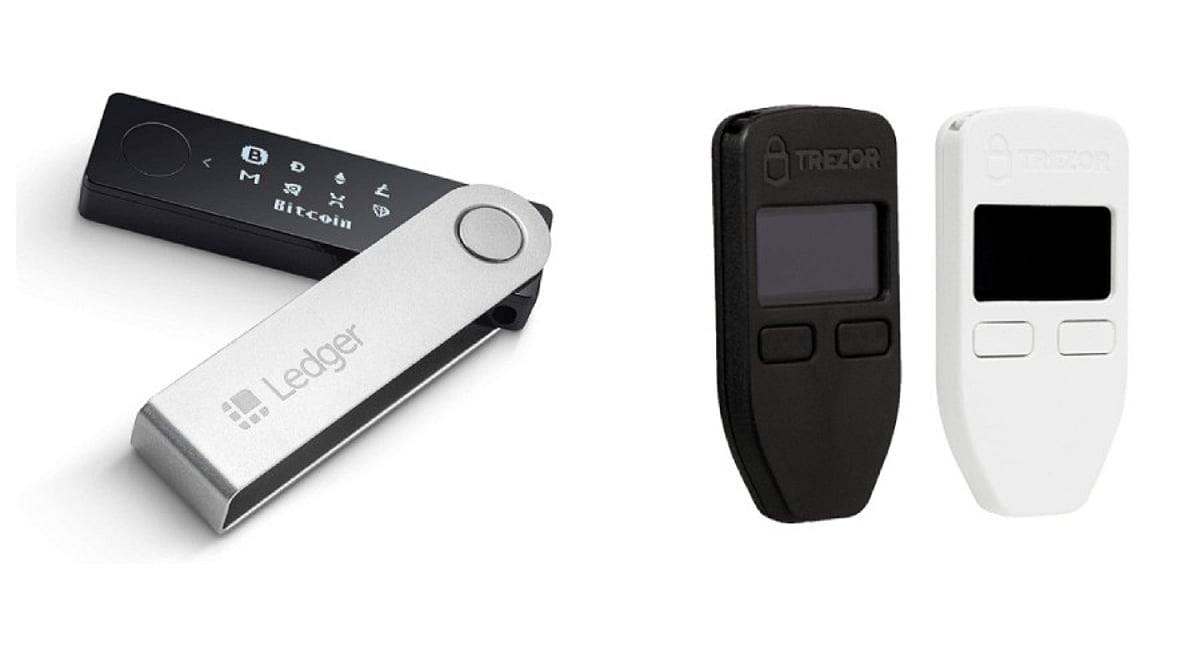
    Hardware wallets, also known as cold wallets, keep private keys out of reach of third parties, making them one of the safest ways to store Bitcoin, Ethereum, NFTs, and other digital assets. Below are the most recommended crypto hardware wallets for 2026.

    1. Ledger Nano X – Best Overall Hardware Wallet

    The Ledger Nano X strikes an excellent balance between security and convenience. Through the Ledger Live app, users can stake, trade, buy, and sell over 5,000 cryptocurrencies. It connects via Bluetooth or USB-C for desktop and mobile devices and features Ledger’s Secure Element chip.

    Ideal For: Investors seeking an all-in-one mobile-enabled hardware wallet.
    Approximate Price: $99

    2. Ledger Stax – Best Premium Hardware Wallet

    For a premium experience, the Ledger Stax offers a large curved E-Ink touchscreen and Bluetooth connectivity. It supports thousands of cryptocurrencies and NFTs, using the same Secure Element technology as other Ledger devices. The larger display makes transaction verification easier at a glance.

    Ideal For: Long-term investors aiming for a premium user experience.
    Approximate Price: $399

    3. Trezor Model T – Best Open-Source Wallet

    The Trezor Model T features open-source firmware, which allows independent security researchers to inspect the code, enhancing transparency. It includes a color touchscreen and USB-C port, and manages hundreds of cryptocurrencies through the Trezor Suite app.

    Ideal For: Security-focused users who prefer open-source solutions.
    Approximate Price: $129

    4. Trezor Model One – Best Budget Choice

    The Trezor Model One remains an excellent entry-level wallet. It lacks a touchscreen but provides solid offline storage, open-source firmware, and simple two-button operation. It is compatible with most major cryptocurrencies and is one of the most affordable hardware wallets available.

    Ideal For: Newcomers to crypto investing.
    Approximate Price: $49

    5. Bitkey – Best Bitcoin-Only Wallet

    Block’s Bitkey is designed specifically for Bitcoin security, using a multi-signature architecture. It eliminates single points of failure through a combination of hardware, mobile app, and cloud-based recovery. Features like inheritance and recovery make it ideal for long-term Bitcoin holders.

    Ideal For: Maximum security for Bitcoin holders.
    Approximate Price: $215

    6. Tangem Wallet – Best Seedless Hardware Wallet

    Tangem takes a unique approach by eliminating traditional seed phrases. Its NFC-enabled smart cards store private keys in a certified secure chip. Users access their wallets by tapping the card on an NFC-enabled smartphone. It supports over 14,000 digital assets and offers an easy setup process.

    Ideal For: Beginners looking for a seed phrase-free wallet.
    Approximate Price: $54–$180

    Why This Matters

    As cryptocurrency-related cyber threats evolve, choosing the right hardware wallet is essential for protecting digital assets. Keeping funds offline reduces exposure to online attacks, giving investors more control over their private keys and enhancing long-term portfolio security.

    Final Thoughts

    In 2026, the hardware wallet market offers diverse options for every type of investor. Ledger’s feature-packed lineup continues to dominate, while Trezor’s open-source transparency appeals to those prioritizing trust. Bitkey’s multisig solution is ideal for Bitcoin-only investors, and Tangem’s seedless NFC design attracts users seeking simplicity. Regardless of the device chosen, storing private keys offline remains one of the best ways to safeguard digital assets from cyberattacks, phishing, and exchange-related risks.

    Frequently Asked Questions

    1. What is a crypto hardware wallet?

    A hardware wallet is a physical device that stores your cryptocurrency private keys offline. Because it remains disconnected from the internet, it offers significantly better protection against hacking, phishing, and malware compared to online wallets.

    2. Which hardware wallet is best for beginners?

    The Trezor Model One and Tangem Wallet are excellent choices for beginners. Both are easy to set up, affordable, and provide strong security without requiring advanced technical knowledge.

    3. Are hardware wallets safer than keeping crypto on exchanges?

    Yes. Hardware wallets give users complete control over their private keys, reducing the risk of exchange hacks or account compromises. However, users must safely store their recovery information to avoid losing access.

    4. Which hardware wallet supports the most cryptocurrencies?

    Tangem Wallet supports more than 14,000 digital assets, while the Ledger Nano X offers compatibility with over 5,000 cryptocurrencies and tokens through the Ledger ecosystem.

    5. Is a hardware wallet worth buying in 2026?

    For anyone holding a meaningful amount of cryptocurrency, a hardware wallet remains one of the best security investments. Offline storage greatly reduces exposure to online threats and gives users full ownership of their digital assets.

  • Why XXKK Crypto Exchange Stands Out as a Trustworthy Platform for Digital Asset Traders

    Why XXKK Crypto Exchange Stands Out as a Trustworthy Platform for Digital Asset Traders

    Choosing a platform for trading digital assets is a critical decision. Security, liquidity, and compliance separate a safe exchange from a risky one. The XXKK Crypto Exchange is built around trader protection and practical use, offering a robust environment for both novice and experienced users.

    This article examines what makes a trading venue trustworthy, how security layers protect funds, which trading features matter most, and how regulation and risk management shape a safer experience. By the end, you’ll know exactly what to check before committing capital.

    What Actually Makes a Cryptocurrency Exchange Reliable?

    Reliability has nothing to do with flashy interfaces or loud marketing. It comes down to whether a platform can protect money, execute trades fast, and hold up under heavy traffic. Key signals include:

    • Deep liquidity so orders fill at expected prices.
    • Clear fee structures with no hidden charges.
    • Strong custody practices for storing digital assets.
    • Support that actually responds when something goes wrong.
    • Regulatory alignment in the markets it serves.

    When these basics hold up under pressure, a platform earns trust. When they fail during volatility, users pay the price.

    Security Measures for Safeguarding Digital Assets

    The core of a reliable trading platform is security. Bitcoin (BTC) and Ethereum (ETH) transactions are irreversible, so good exchanges deploy multiple layers of protection.

    Multi-Factor Authentication (MFA)

    MFA adds an extra layer of security that helps prevent attackers from gaining access even if a password is compromised. Authenticator apps are more effective than SMS because SIM-swap attacks remain widespread.

    Cold Wallets vs. Hot Wallets

    How an exchange holds money speaks volumes about its priorities. Most assets should be stored in cold wallets—offline and shielded from internet-based attacks. Hot wallets handle daily withdrawals and trading. A good platform keeps only a fraction of holdings in hot wallets, minimizing risk while ensuring smooth withdrawals.

    KYC and AML Safeguards

    Know Your Customer (KYC) and Anti-Money Laundering (AML) checks are more than paperwork. They protect the ecosystem against fraud, credit abuse, and identity theft. A trustworthy exchange verifies identities and monitors for suspicious activity, fostering user trust and regulatory consistency.

    Trading Features That Matter for Active Users

    Once security is settled, trading performance becomes the deciding factor.

    Spot Trading and Trading Pairs

    Spot trading is the entry point for most users. A strong platform offers many trading pairs, allowing direct movement between BTC, ETH, stablecoins, and altcoins without extra conversions. More pairs mean less friction, lower fees, and reduced slippage.

    Futures Trading and Advanced Tools

    Futures trading appeals to experienced users who want to hedge or trade with leverage. Clear margin data and risk controls are essential. Platforms that pair futures with educational resources help traders avoid costly mistakes.

    Order Books and Liquidity

    A deep order book signals healthy liquidity. When buy and sell orders stack on both sides, trades fill closer to expected prices. Thin order books lead to wide spreads and shaky execution—making liquidity a top priority when choosing a venue.

    Regulatory Compliance and Why It Builds Trust

    Crypto regulations keep tightening across major markets, which mostly benefits users. Compliance shows a platform plans to stick around, not disappear overnight. Key indicators include:

    • Regular audits and financial transparency.
    • Clear terms around deposits and withdrawals.
    • Cooperation with financial authorities.
    • Established processes for dispute resolution.

    For anyone treating crypto as a real part of their portfolio, regulatory posture is a practical filter. A compliant platform lowers the risk of sudden shutdowns, frozen accounts, or legal trouble.

    Managing Market Volatility and Risk

    Market volatility is the normal state of crypto. Prices can shift rapidly, requiring self-control from both platforms and users. Good exchanges provide tools to control exposure, such as stop-loss orders, limit orders, and clear position tracking.

    From the user’s side, a few habits make a huge difference:

    • Risk no more than you can afford to lose.
    • Diversify investments across digital assets.
    • Place stop-loss orders before trades.
    • Avoid emotional decisions during drastic changes.

    The combination of platform tools and personal discipline is the most effective way to avoid panic selling during volatility.

    How XXKK Fits Into the Modern FinTech Landscape

    The line between traditional finance and crypto keeps blurring. As FinTech grows, users expect platforms that combine Web3 ease with the steadiness of older financial systems. The XXKK Crypto Exchange aims to deliver trading infrastructure covering security, liquidity, and compliance in one place. As DeFi and stablecoins attract more participants, platforms that treat cybersecurity and user protection as non-negotiable will earn lasting trust.

    Conclusion

    When selecting a platform, remember the fundamentals: robust security, comprehensive liquidity and custody, and genuine regulatory compliance. Security measures like MFA, cold storage, KYC, and AML safeguard funds. Features like spot trading, futures, and healthy order books enhance the daily trading experience. Combine that with structured risk management, and you have a solid approach to navigating volatile markets. The XXKK Crypto Exchange reflects these priorities, focusing on trader protection and practical application. Take all these factors into account before investing anywhere—invest slowly and let actual performance guide your decisions.

  • Crypto Security Best Practices: Safeguard Your Investments with These Expert Tips

    Crypto Security Best Practices: Safeguard Your Investments with These Expert Tips

    Storing cryptocurrency securely is essential for every investor. Hardware wallets such as Ledger or Trezor provide offline storage that keeps private keys away from hackers and malware. For long-term holdings, a hardware wallet is the safest option.

    Your recovery seed phrase must be protected at all costs. Write it down on paper or metal and store it in a safe place. Never save it in cloud storage, emails, screenshots, or phone notes—any digital copy increases the risk of theft.

    Enable two-factor authentication (2FA) using an authenticator app or a hardware security key instead of SMS-based 2FA. This prevents SIM-swap attacks and adds an extra layer of security to your exchange accounts.

    Use a unique, strong password for every crypto account and store them in a trusted password manager. Activate withdrawal whitelists and security alerts to monitor any suspicious activity.

    Phishing scams are rampant. Always bookmark the official websites of your exchanges and use those bookmarks to log in. Never click login links from emails, social media posts, ads, or random direct messages.

    Additional best practices include keeping most of your funds in cold storage, regularly updating your devices, verifying wallet addresses before sending any transaction, and never sharing your seed phrase or private keys with anyone.

  • Top Web3 Browsers for Fast Crypto and dApp Access in 2026

    Top Web3 Browsers for Fast Crypto and dApp Access in 2026

    Web3 browsers are transforming how users access decentralized applications, crypto wallets, and blockchain services, offering greater control over digital identities and a more seamless online experience.

    Leading Web3 Browsers for 2026

    Brave Browser remains a top choice thanks to its built-in crypto wallet, strong privacy protections, and native support for Ethereum and Solana ecosystems.

    Opera Crypto Browser provides an integrated non-custodial wallet, a dedicated dApp explorer, and multi-chain support for a smooth Web3 journey.

    Microsoft Edge continues to expand its Web3 capabilities with wallet integrations and improved compatibility with decentralized applications and extensions.

    Mises Browser has gained popularity among mobile users for its optimized dApp performance, extension support, and smooth blockchain interactions.

    Key Features and Security

    Many Web3 browsers now support popular blockchains including Ethereum, BNB Chain, Polygon, Solana, Base, and Avalanche without requiring complex setup.

    Security features such as phishing detection, wallet isolation, biometric authentication, and private browsing are becoming standard across leading Web3 browsers.

    Best Practices for Safe Usage

    Before connecting any wallet, verify dApps carefully and never approve unknown smart contract permissions to reduce the risk of scams.

    As decentralized finance, NFTs, gaming, and tokenized assets continue growing in 2026, choosing a secure and fast Web3 browser is becoming increasingly important.

  • Avoid These Critical Crypto Security Mistakes to Protect Your Digital Assets

    Avoid These Critical Crypto Security Mistakes to Protect Your Digital Assets

    Overview

    Most cryptocurrency losses result from operational security mistakes such as weak passwords, unsafe wallet approvals, poor seed phrase handling, and phishing attacks rather than vulnerabilities in blockchain technology. Modern wallet drainer scams exploit token approvals, malicious smart contracts, and deceptive signature requests, making user awareness a critical layer of crypto wallet safety. A risk-based security approach that prioritizes stronger authentication, secure self-custody, regular approval reviews, and offline recovery planning can significantly reduce the chances of losing digital assets.

    The Approval You Didn’t Read is the New Front Door

    Many DeFi apps ask a wallet to approve a token before a transaction can go through. That approval lets the app move the token later, without asking again. Attackers use this same setup against people. A fake airdrop page, or a cloned DeFi site, asks for a signature that looks routine. Once someone signs it, the malicious contract can pull funds out whenever it wants, sometimes months after that first click. Since the transaction was technically approved, there’s no way to undo it on the blockchain.

    This has turned into a real criminal business. Drainer kits get rented out to attackers who barely know any code, complete with phishing pages and contracts already built and ready to use. Some scams even copy the ‘revoke approvals’ warnings that security teams send out after a hack, aiming at people who are just trying to stay safe. Many wallets now run a quick simulation before signing and flag anything that looks like a suspicious permission request. That warning is worth stopping for. The fix is simple enough: check pending approvals now and then, using the wallet’s own permissions screen or a trusted revocation tool, and cancel anything unused or unlimited.

    Password Reuse Still Opens the First Door

    Reused passwords let credential-stuffing attacks work. When one unrelated website leaks a password, automated tools test that same password against exchange and wallet-service logins elsewhere. A single reused password can compromise several accounts at once. A password manager generating unique credentials per account closes this gap with almost no daily effort.

    SMS Two-Factor Authentication has a Known Weakness

    Two-factor authentication blocks most password-only attacks, but not all 2FA is equal. SMS-based codes are more exposed to SIM-swap attacks, where an attacker convinces a carrier to port a phone number to a new SIM and intercepts the verification code. App-based authenticators or hardware security keys remove that specific weak point.

    Seed Phrases are the Master Key Rather than a Backup Note

    A seed phrase regenerates every private key in a wallet. Storing it in a screenshot, a notes app, or cloud storage puts the entire wallet one data breach away from total loss. Offline, physically secured, redundant storage remains the standard advice for a reason.

    Leaving Long-Term Holdings on an Exchange

    Exchanges are convenient for trading but carry custodial risk. An account can be compromised directly, a platform can go offline during high demand, regulatory action can freeze withdrawals, and insolvency can leave user funds unrecovered. Good crypto wallet safety means treating exchanges as a trading tool, not a vault. Assets meant for long-term holding are safer moved into self-custody, ideally a hardware wallet.

    Fix the Highest-Risk Gaps First

    • Critical Today: Use unique passwords made by a password manager. Turn on app-based or hardware-backed two-factor authentication for email and exchange accounts.
    • Important this Week: Go through token approvals and cancel the ones not needed. Move long-term holdings off exchanges and into a hardware wallet or some other self-custody option.
    • Recommended this Month: Keep seed phrases stored safely offline. Put together a recovery plan in case a device gets lost, stolen, or damaged.

    Crypto security works best with several layers of protection, not just one. Strengthening each layer means one single mistake won’t put an entire portfolio at risk.

    Final Thoughts

    Blockchain itself is built to be secure, but keeping cryptocurrency safe really comes down to the everyday choices people make. Checking wallet permissions, keeping recovery details safe, and sticking to a few basic habits can go a long way toward protecting digital assets from threats that keep changing.

    FAQs

    1. What is the biggest crypto security mistake? The most common crypto security mistake is weak account protection. Reusing passwords, skipping strong two-factor authentication, and poor recovery practices make it easier for attackers to gain access to wallets and exchange accounts.
    2. What is a token approval, and why is it risky? A token approval allows a smart contract to access specific cryptocurrency tokens in your wallet. If the approval is granted to a malicious contract, attackers may be able to move approved assets without requesting another permission.
    3. Is a hardware wallet safer than keeping crypto on an exchange? For long-term storage, a hardware wallet is generally considered safer because it gives users direct control of their private keys and reduces exposure to exchange-related risks such as account compromise or platform failures.
    4. Where should I store my seed phrase? A seed phrase should be stored offline in a secure and redundant location, such as a fireproof safe or another protected physical backup. Avoid saving it in cloud storage, screenshots, email, or note apps.
    5. How can I improve my crypto wallet security? Use unique passwords, enable app-based or hardware-backed two-factor authentication, review wallet permissions regularly, revoke unused token approvals, keep seed phrases offline, and move long-term holdings to a trusted hardware wallet or other self-custody solution.