Tag: crypto wallets

  • Top Crypto Wallets by User Base: How Millions Manage Digital Assets

    Top Crypto Wallets by User Base: How Millions Manage Digital Assets

    Crypto wallets are essential tools that allow users to store, send, and receive digital assets securely. As cryptocurrency adoption grows, these wallets are becoming more accessible and user-friendly, enabling millions of people worldwide to manage their investments and participate in decentralized finance (DeFi) and Web3 ecosystems.

    Binance Wallet

    Integrated into the Binance exchange, this wallet serves millions globally, providing easy access to trading, DeFi services, and comprehensive digital asset management.

    MetaMask

    MetaMask remains one of the most popular Ethereum wallets, allowing users to connect seamlessly with decentralized applications (dApps), NFTs, tokens, and blockchain-based financial platforms.

    Trust Wallet

    Trust Wallet supports thousands of cryptocurrencies across multiple blockchains, giving users full control over their assets with strong built-in security features.

    Coinbase Wallet

    Coinbase Wallet offers self-custody storage, enabling users to manage cryptocurrencies, NFTs, and dApps without relying on centralized exchanges.

    Phantom Wallet

    Originally built for Solana, Phantom now supports multiple blockchain networks, making token management, staking, and NFT trading fast and convenient.

    OKX Wallet

    OKX Wallet provides multi-chain compatibility, allowing users to access DeFi, swap tokens, and explore Web3 applications through a single platform.

    Ledger Live

    Ledger Live works with Ledger hardware wallets, combining offline cold storage with an intuitive interface for securely managing digital assets and staking.

    Why Wallets Matter

    Crypto wallets continue to grow in importance as blockchain adoption increases. They help millions of people safely manage investments, digital collectibles, and decentralized financial opportunities worldwide.

  • Crypto Wallets Evolve: BloFin Wallet Adds Perpetual Futures, Yield Products, and Visa Payments

    Crypto Wallets Evolve: BloFin Wallet Adds Perpetual Futures, Yield Products, and Visa Payments

    Crypto wallets are moving beyond simple storage. BloFin Wallet now combines perpetual futures, yield products, and a Visa payment card, reflecting growing demand for platforms that unite self-custody, trading, earnings, and daily spending in one interface.

    BloFin Extends Wallet Services Beyond Storage

    Users can trade perpetual contracts linked to more than 100 digital and traditional financial assets through BloFin Wallet, eliminating the need for a separate derivatives exchange. The wallet maintains user control through self-custody, while its yield products allow asset storage and earnings within the same environment.

    BloFin’s Visa card connects supported digital assets with everyday retail payments. It works wherever Visa is accepted and supports both Apple Pay and Google Pay.

    Together, these services cover four common activities: storing, trading, earning, and spending. This structure reduces the number of applications required to manage a digital asset portfolio.

    Crypto Platforms Target a Unified User Experience

    Historically, crypto users relied on separate services for storage, trading, lending, and payments, often moving assets repeatedly between wallets, exchanges, and DeFi protocols. Each transfer added network fees, settlement time, and security considerations. It also created more steps for users moving from market activity to savings or spending.

    Now, exchanges and wallet providers combine spot trading, derivatives, staking, lending, payment services, and DeFi access. Some platforms include tokenized financial products. The sector’s current direction centers on reducing fragmentation through integrated services, responding to demand for smoother financial tools rather than isolated applications.

    Payments and Capital Efficiency Shape Competition

    Unified platforms can improve capital efficiency because users keep assets within one environment. They can trade, seek yield, or make purchases without repeated blockchain transfers. This approach reduces operational friction, as funds remain available for different uses without moving through several networks and service providers.

    Payment cards extend crypto services beyond market activity and long-term holding. Visa and Mastercard partnerships connect digital asset balances with established payment networks and retail systems. Stablecoins may support this connection by reducing price volatility during payments, and their blockchain settlement features fit platforms combining digital assets with daily transactions.

    Meanwhile, wallet providers continue expanding into derivatives, DeFi, and tokenized assets. Competition now centers on which platforms can offer the smoothest digital asset lifecycle through one interface.

    Conclusion

    Crypto wallet providers are combining self-custody, perpetual futures, yield products, and payment cards to reduce transfers between services. BloFin Wallet reflects this shift through integrated trading and Visa spending. Users now face a market where platforms compete across the full digital asset lifecycle.

  • Leading Web3 Development Companies in the United States for 2026

    Leading Web3 Development Companies in the United States for 2026

    The United States continues to lead many Web3 projects in 2026. Startups, brands, and large firms are looking for teams that can build safe, useful, and easy-to-run digital products. A strong Web3 company does more than write code; it helps a business plan, build, test, and launch with care.

    Web3 has moved past the hype stage for many firms. It now serves real work in finance, gaming, digital ownership, supply chain tracking, and online identity. The best companies in this field focus on clear results, not loud promises. They help clients turn a rough idea into a working product that can serve real users.

    Why Companies Matter

    A Web3 project can fail fast if the team rushes the work. Smart contract mistakes, poor design, and weak testing can all create problems later. That is why buyers often look for firms with solid past work, a clear process, and a steady support team.

    The U.S. market has depth. DesignRush lists 319 Web3 companies in the United States, which shows how active the space has become. Clutch also notes that U.S. teams are active across major hubs like Silicon Valley, New York, and Miami. This spread gives buyers more choice and more room to compare.

    Web3 Companies in 2026

    A few firms appear often in 2026 lists. They include Cleveroad, Altoros, Vention, Iron Forge Development, and The Blockchain Team. These names stand out for different reasons. Some focus on enterprise work, while others build for startups, and some handle both.

    Techanic Infotech, Crinpro Solutions, MindSea, ArcTouch, TechMahindra, WillowTree, Dogtown, Blue Label Labs, Infosys, and Media Sidebench also appear in AVIXA’s 2026 list of leading U.S. Web3 companies. The mix shows how broad the market is. Some firms lean toward app design and user flow, while others focus on blockchain systems, token tools, or private company use cases.

    What Separates the Best

    The best Web3 companies are usually strong in three areas: they understand the full build cycle, they test carefully, and they explain things in plain language. That matters because many clients do not need hype; they need a team that can guide them step by step.

    Expert insight in the sector points to one clear pattern. Firms that do well in 2026 are those that connect tech skill with business sense. A good example is a company that can build a wallet or NFT platform, then also help the client think through user trust, launch timing, and long-term support. That mix is often what separates a useful product from a short-term experiment.

    How Buyers Can Choose

    A buyer should look at more than a company name. Past projects and industry focus matter. Clear communication matters too. A team that has built for finance may fit a payment product better than a team that only knows art or games.

    A buyer should also ask simple questions: Has the team built similar products before? Does it test for security? Will it stay involved after launch? These questions help cut through noise and show which firm can handle real work. In a market with hundreds of choices, that kind of focus saves time and reduces risk.

    Final Thoughts

    Top Web3 development companies in the United States in 2026 bring skill, speed, and practical thinking to a fast-changing field. The strongest firms do not chase buzz; they build products that work, scale, and make sense for the client’s goals. For any business entering Web3, the best partner is the one that keeps the process clear and the product solid in an operational cycle.

    FAQs

    What is a Web3 development company?

    A Web3 development company builds blockchain-based applications, smart contracts, crypto wallets, NFT platforms, DeFi solutions, and other decentralized digital products for businesses and startups.

    Why should businesses hire a Web3 development company?

    Hiring a Web3 development company gives businesses access to blockchain expertise, secure smart contract development, faster product launches, ongoing technical support, and scalable solutions tailored to their needs.

    Which industries benefit the most from Web3 development?

    Industries such as finance, gaming, healthcare, supply chain, real estate, e-commerce, and digital identity are increasingly using Web3 technologies to improve security, transparency, and efficiency.

    What should I look for when choosing a Web3 development company?

    Look for proven blockchain experience, strong security practices, relevant industry expertise, client reviews, a transparent development process, and reliable post-launch support before making a decision.

    Are Web3 development services suitable for startups?

    Yes. Many Web3 development companies offer flexible solutions for startups, helping them build MVPs, launch blockchain products, and scale their platforms as their business grows.

  • Best Web3 Browsers for Seamless dApp Access in 2026

    Best Web3 Browsers for Seamless dApp Access in 2026

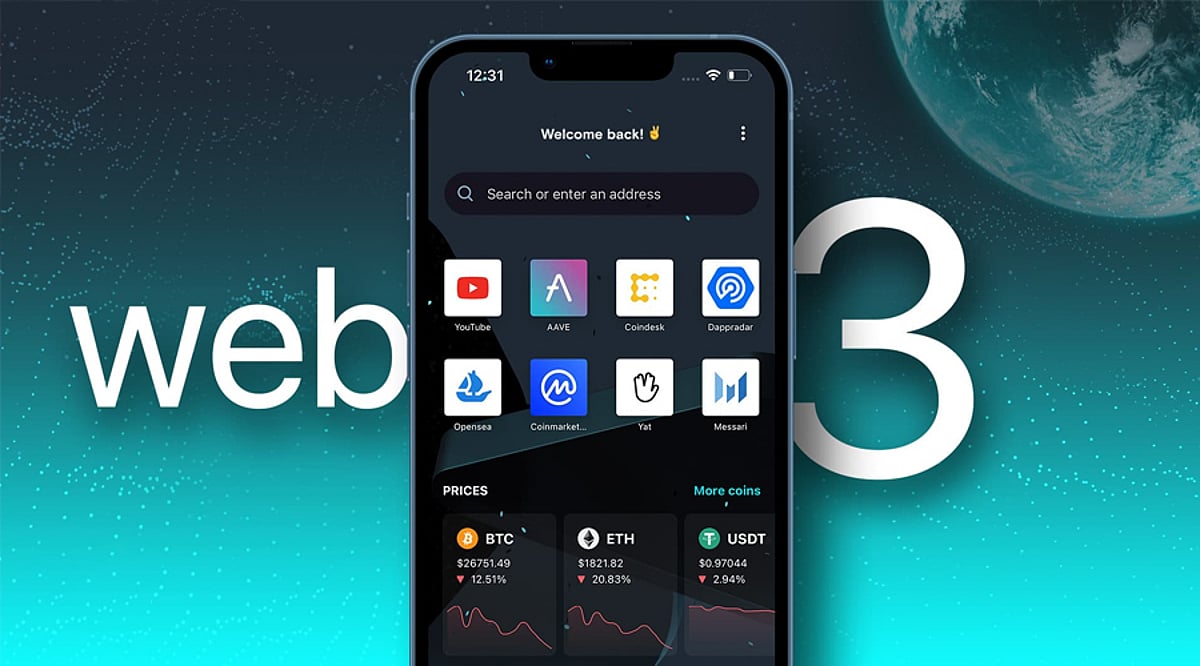
    Web3 browsers are revolutionizing the way users interact with decentralized applications (dApps) by integrating crypto wallets directly into the browsing experience. Instead of juggling multiple extensions, users can connect to DeFi platforms, NFT marketplaces, and DAOs from a single interface, making the process faster and more secure.

    Top Web3 Browsers Leading the Charge

    Brave Browser

    Brave remains a top choice for everyday users. It includes a built-in Brave Wallet, blocks ads and trackers by default, supports multiple blockchains, and allows direct access to dApps without external wallet extensions.

    Opera Crypto Browser

    Opera’s Crypto Browser is tailored for beginners. It features an integrated wallet, support for several blockchain networks, and quick access to NFTs, dApps, and blockchain tools through an intuitive interface.

    MetaMask

    MetaMask is the go-to option for Ethereum and EVM-compatible blockchains. Its built-in dApp browser and self-custodial wallet enable secure transaction signing, DeFi exploration, NFT management, and DAO participation while giving users full control over their assets.

    Mobile-First Options

    For mobile users, Trust Wallet, Phantom, and Puma Browser offer simple wallet integration, dApp support, NFT management, and strong privacy features with multi-chain compatibility.

    Key Advantages of Modern Web3 Browsers

    Built-in wallets eliminate the need for extra plugins, while phishing protection, transaction verification, ad blocking, and multi-chain support create a safer and more efficient environment for blockchain interactions.

    Which Browser Should You Choose?

    Brave is ideal for privacy-conscious users, Opera Crypto Browser is perfect for beginners, MetaMask offers advanced flexibility for Ethereum enthusiasts, and Phantom or Trust Wallet are excellent for mobile-first crypto explorers.

    As the Web3 ecosystem evolves in 2026, these browsers continue to lower the barrier to entry for decentralized applications, making crypto interactions more accessible than ever.

  • Top Web3 Browsers for Fast Crypto and dApp Access in 2026

    Top Web3 Browsers for Fast Crypto and dApp Access in 2026

    Web3 browsers are transforming how users access decentralized applications, crypto wallets, and blockchain services, offering greater control over digital identities and a more seamless online experience.

    Leading Web3 Browsers for 2026

    Brave Browser remains a top choice thanks to its built-in crypto wallet, strong privacy protections, and native support for Ethereum and Solana ecosystems.

    Opera Crypto Browser provides an integrated non-custodial wallet, a dedicated dApp explorer, and multi-chain support for a smooth Web3 journey.

    Microsoft Edge continues to expand its Web3 capabilities with wallet integrations and improved compatibility with decentralized applications and extensions.

    Mises Browser has gained popularity among mobile users for its optimized dApp performance, extension support, and smooth blockchain interactions.

    Key Features and Security

    Many Web3 browsers now support popular blockchains including Ethereum, BNB Chain, Polygon, Solana, Base, and Avalanche without requiring complex setup.

    Security features such as phishing detection, wallet isolation, biometric authentication, and private browsing are becoming standard across leading Web3 browsers.

    Best Practices for Safe Usage

    Before connecting any wallet, verify dApps carefully and never approve unknown smart contract permissions to reduce the risk of scams.

    As decentralized finance, NFTs, gaming, and tokenized assets continue growing in 2026, choosing a secure and fast Web3 browser is becoming increasingly important.

  • Top MetaMask Alternatives for Crypto Users in 2026: Trust Wallet, Rabby, Phantom, and More

    Top MetaMask Alternatives for Crypto Users in 2026: Trust Wallet, Rabby, Phantom, and More

    MetaMask remains one of the most popular crypto wallets worldwide, with over 100 million users and support for Ethereum and EVM-compatible blockchains. However, the crypto landscape has expanded far beyond Ethereum, and many users now seek wallets that offer broader multi-chain support, stronger security, and smoother experiences. In 2026, wallets like Trust Wallet, Rabby, Phantom, Coinbase Wallet, Exodus, and Zengo provide compelling alternatives for managing digital assets across multiple networks, staking, NFTs, and DeFi.

    Why Many Crypto Users Choose Other Wallets

    The crypto ecosystem has diversified significantly. Leading blockchains such as Solana, Bitcoin, Base, Polygon, Avalanche, and BNB Chain now host thriving dApps and communities. Users increasingly hold assets across multiple chains, driving demand for wallets that natively support many networks without manual configuration. Modern wallets also offer improved mobile apps, lower swap fees, better recovery options, and enhanced scam protection, making them attractive for both beginners and experienced users.

    Key Takeaways

    • Trust Wallet excels in multi-chain asset management with support for over 100 blockchains.
    • Rabby and Zengo prioritize advanced security via transaction protection and seedless recovery.
    • Phantom, Exodus, and Coinbase Wallet deliver smooth experiences for NFTs, DeFi, and portfolio management.

    Top MetaMask Alternatives

    Trust Wallet

    Trust Wallet supports more than 100 blockchains and millions of cryptocurrencies, allowing users to manage diverse assets from one app. It includes staking, NFT storage, token swaps, and direct dApp access. Its intuitive design makes it especially beginner-friendly, while supporting Ethereum, BNB Chain, Solana, and many other networks.

    Rabby Wallet

    Rabby Wallet is popular among DeFi users for its smart security features, including automatic network detection. When you open a dApp, Rabby switches to the correct blockchain without manual intervention. It also checks every transaction for risks before approval and supports hardware wallets, making it a trusted choice for frequent DeFi interactions.

    Phantom Wallet

    Originally built for Solana, Phantom has expanded to support Ethereum, Bitcoin, Polygon, Base, and more. Its clean interface displays NFT collections in an organized gallery, and token swaps are straightforward. Phantom is favored by both new and experienced crypto users for its simplicity and performance.

    Coinbase Wallet

    Coinbase Wallet gives users full control over their digital assets without requiring funds on the Coinbase exchange. It supports thousands of cryptocurrencies, connects easily with dApps, and offers NFT storage and simple recovery options. Hardware wallet support adds extra security for long-term holders.

    Exodus Wallet

    Exodus focuses on simplicity and portfolio management. It supports hundreds of cryptocurrencies on desktop and mobile, with an inbuilt exchange and portfolio charts. Exodus is also compatible with Ledger hardware wallets, providing an extra layer of safety.

    Zengo Wallet

    Zengo uses Multi-Party Computation (MPC) technology, eliminating the traditional seed phrase and reducing the risk of loss or theft. It offers biometric login, NFT storage, and crypto purchases, appealing to users who want robust protection without the burden of managing recovery phrases.

    Latest Wallet Trends in 2026

    The crypto wallet market is booming, with innovations in smart wallets, passkey authentication, gas abstraction, and seamless cross-chain transactions. MetaMask continues to expand its ecosystem with products like the MetaMask Card and broader chain support. Meanwhile, other wallets focus on phishing protection, transaction previews, and scam detection to keep users safe.

    Final Thoughts

    Crypto wallets have evolved far beyond storage devices. They now integrate staking, NFTs, DeFi, token exchanges, and portfolio management into a single interface. While MetaMask remains a strong choice, alternatives like Trust Wallet, Rabby, Phantom, Coinbase Wallet, Exodus, and Zengo offer features tailored to modern crypto investors. The best wallet depends on your preferred blockchains, security needs, and intended crypto activities.

    FAQs

    1. Why are more users choosing MetaMask alternatives in 2026?
    Many users want better multi-chain support, stronger security, easier recovery, and built-in features like staking and cross-chain swaps.
    2. Which wallet is best for DeFi users?
    Rabby Wallet is a top choice thanks to automatic network detection, transaction previews, and enhanced security features.
    3. Which wallet is ideal for beginners?
    Trust Wallet and Coinbase Wallet offer intuitive interfaces that make crypto management simple for new users.
    4. Is MetaMask still a good wallet?
    Yes. MetaMask remains one of the leading self-custody wallets, especially for Ethereum and EVM-compatible blockchains.
    5. Which wallet offers the most unique security approach?
    Zengo uses Multi-Party Computation (MPC), eliminating traditional seed phrases while providing strong account protection.
  • Best Rabby Wallet Alternatives for Secure Crypto Storage in 2026

    Best Rabby Wallet Alternatives for Secure Crypto Storage in 2026

    Rabby Wallet has carved out a strong reputation in the crypto world, particularly for its focus on security and seamless support for decentralized finance. With automatic network switching, clear transaction previews, and built-in protection against common online threats, it remains a trusted choice for managing digital assets on Ethereum and other EVM-compatible blockchains. However, as the crypto market evolves in 2026, several alternatives offer unique advantages in security, usability, and multi-chain support.

    Key Takeaways

    • Choose a wallet based on your blockchain usage, security needs, and preferred device.
    • Hardware wallets provide the strongest protection for long-term crypto storage.
    • Multi-chain support and advanced security features are shaping the best wallets in 2026.

    MetaMask Remains a Trusted Choice

    MetaMask is still one of the most popular crypto wallets globally. Most decentralized applications on Ethereum work seamlessly with MetaMask without extra setup, making it ideal for both beginners and experienced users. It also supports hardware wallets for added security. While it doesn’t offer every feature Rabby provides, its vast ecosystem and support make it a top alternative in 2026.

    Trust Wallet Offers Excellent Mobile Support

    Trust Wallet is a favorite for mobile users, supporting over 100 blockchains from one app. It includes NFT and staking capabilities, plus an integrated Web3 browser, eliminating the need for multiple wallets. Its intuitive interface makes it accessible even for beginners.

    Phantom Expands Beyond Solana

    Originally a Solana wallet, Phantom now supports Ethereum, Polygon, Base, and more. It includes scam detection, spam NFT filtering, and hardware wallet support. Perfect for users who primarily use Solana but need access to other popular blockchains.

    Coinbase Wallet Makes Crypto Easier

    Coinbase Wallet focuses on simplicity while maintaining self-custody. Private keys stay under your control, giving you full ownership. It works with dApps, NFTs, and major blockchains. While advanced DeFi users may prefer Rabby, Coinbase Wallet is one of the easiest to understand and operate.

    Exodus Combines Simplicity with Portfolio Management

    Exodus is known for its clean design and portfolio management tools. It works on desktop and mobile, includes built-in crypto swaps, and supports many cryptocurrencies. Despite some closed-source components, it attracts users who value convenience and visual appeal.

    Zengo Brings a Different Level of Security

    Zengo uses Multi-Party Computation (MPC) instead of a recovery seed phrase, eliminating the risk of seed phrase loss or theft. This technology simplifies account recovery without reducing protection. For those worried about seed phrase safety, Zengo is one of the most advanced options in 2026.

    OKX Wallet Supports Many Blockchain Networks

    OKX Wallet supports dozens of chains with built-in tools for token swaps, asset bridges, and DeFi. Its wide support reduces the need for multiple wallets. While it may feel complex initially, experienced users appreciate the flexibility.

    SafePal Connects Hot and Cold Storage

    SafePal offers both software and hardware wallet solutions, allowing you to keep smaller amounts online for daily transactions while storing larger holdings offline. It supports many cryptocurrencies and is a strong choice for balancing convenience and security.

    Hardware Wallets Give Extra Protection

    Software wallets are great for daily use, but for long-term storage, consider hardware wallets like Ledger, Trezor, Tangem, and OneKey. They keep private keys offline, drastically reducing hacking and phishing risks. Many investors use both types: software for daily transactions and hardware for large holdings.

    Final Thoughts

    Rabby Wallet remains an excellent choice for DeFi, but strong alternatives have emerged in 2026. MetaMask leads in compatibility, Trust Wallet excels on mobile, Phantom shines across Solana and other networks, and Coinbase Wallet is beginner-friendly. Exodus offers simple portfolio management, Zengo provides seedless security, OKX Wallet delivers broad multi-chain support, and SafePal combines hot and cold storage. The right wallet depends on your needs, but security should always be the top priority.

    Frequently Asked Questions

    1. Why consider an alternative to Rabby Wallet? Different wallets offer better mobile support, additional blockchain compatibility, unique security features, or a simpler experience.
    2. Which wallet is best for beginners? Coinbase Wallet and Trust Wallet are excellent choices due to their intuitive interfaces.
    3. Which wallet offers the highest level of security? For maximum security, use a hardware wallet like Ledger or Trezor. Among software wallets, Zengo’s MPC technology provides strong seedless protection.
    4. Which wallet supports the most blockchains? Trust Wallet and OKX Wallet support a wide range of networks, ideal for multi-chain users.
    5. Should I use both software and hardware wallets? Yes. Many investors use a software wallet for daily transactions and a hardware wallet to store larger holdings securely.
  • Top Crypto Wallets for Security in 2025: Hardware and Software Options Reviewed

    Top Crypto Wallets for Security in 2025: Hardware and Software Options Reviewed

    When it comes to safeguarding digital assets, choosing the right crypto wallet is critical. The market is flooded with options, but only a few combine robust security with user-friendly features. Below is a curated list of the best crypto wallets that offer top-tier protection for both beginners and seasoned holders.

    Hardware Wallets: The Gold Standard for Offline Security

    Ledger Flex – This hardware wallet provides secure offline private key storage, Bluetooth connectivity, a convenient touchscreen, and support for thousands of cryptocurrencies. Its enterprise-grade protection makes it ideal for users who prioritize cold storage.

    Trezor Safe 5 – Featuring open-source firmware and secure element protection, the Trezor Safe 5 offers touchscreen verification and advanced backup options. It is a favorite among long-term crypto holders who value transparency and maximum security.

    SafePal S1 – An air-gapped hardware wallet that uses QR code transactions. Its secure element technology and offline storage minimize exposure to online threats, making it a solid choice for privacy-conscious users.

    Software Wallets: Convenience Meets Control

    MetaMask – A popular self-custody wallet that supports Ethereum and compatible networks. It enables secure access to DeFi, NFT management, and browser-based transactions, making it a versatile tool for everyday crypto use.

    Trust Wallet – Supporting millions of digital assets across multiple blockchains, this mobile wallet offers self-custody, staking features, and an easy-to-use interface. Security is built into every transaction.

    Coinbase Wallet – Unlike the exchange version, this wallet gives users complete control of their private keys. It supports NFTs, decentralized applications, and multiple blockchain networks without dependency on exchange custody.

    Rabby Wallet – Automatically detects blockchain networks and improves transaction safety with simulation tools. It offers better phishing protection for DeFi users who interact with dApps daily.

    Phantom Wallet – Originally built for Solana, Phantom now supports Ethereum and Bitcoin. It delivers fast transactions, NFT management, staking, and intuitive wallet security, all within a sleek interface.

    Bitget Wallet – A multi-chain wallet that offers decentralized trading, asset management, staking, and strong security features. It supports thousands of cryptocurrencies globally, making it a versatile option for active traders.

    Choosing the right crypto wallet depends on your specific needs. For maximum security, combine a hardware wallet for long-term storage with a software wallet for daily transactions. Stay safe and always verify your wallet’s authenticity.