
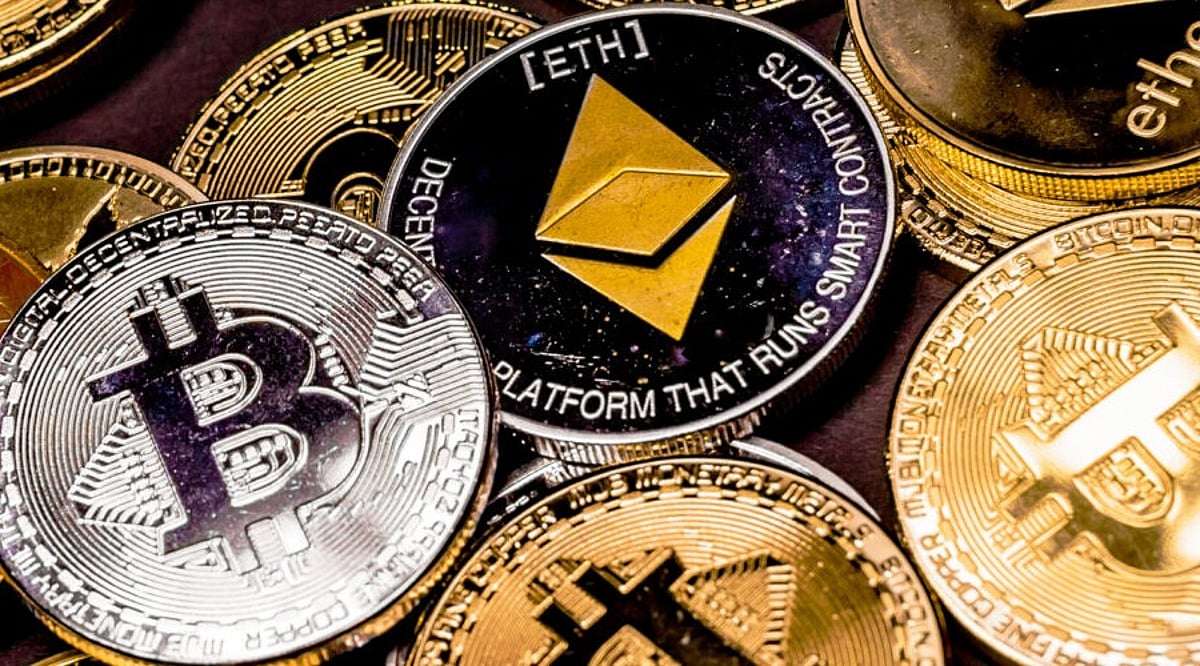
Crypto wealth management has evolved far beyond simply buying and selling cryptocurrencies. Today, it encompasses a structured approach to portfolio construction, custody, staking, lending, tax planning, and risk management. As institutional participation expands in 2026, investors now have multiple avenues to gain and manage digital-asset exposure.
How Crypto Wealth Management Works
Traditional wealth management involves asset allocation, custody, investment tactics, and financial strategies. Crypto wealth management applies the same principles to cryptocurrency assets such as Bitcoin, Ethereum, stablecoins, and tokenized instruments.
A portfolio may include directly held cryptocurrencies, spot-traded products, stablecoins, and tokenized assets from the real economy. The optimal structure depends on the investor’s goals, risk tolerance, liquidity needs, and jurisdiction.
Custody is critical because owning cryptocurrency directly means managing private keys. Institutional investors often use qualified custodians, while individual investors can choose between custodial platforms and self-custody wallets.
Portfolio diversification also matters. Bitcoin and Ethereum can behave differently from smaller cryptocurrencies, but crypto assets often remain highly correlated during major market declines. Holding several tokens does not automatically create meaningful diversification.
Staking and Yield
Proof-of-stake networks introduce staking: investors can lock or delegate eligible assets to participate in network validation and potentially earn rewards. Ethereum is a prime example. However, staking carries additional risks involving validators, smart contracts, liquidity, and intermediaries. Returns should be weighed against possible asset-price losses.
Stablecoins have become increasingly important for treasury and liquidity management. They provide blockchain-based dollar exposure and settlement without requiring investors to hold their entire portfolio in volatile cryptocurrencies.
Tokenized assets are expanding the investment universe. These instruments can represent Treasury securities, money-market products, or other traditional assets on blockchains, bridging conventional wealth management with digital infrastructure.
Institutional Infrastructure Expands
Institutional participation is broadening beyond Bitcoin. Crypto ETF markets in 2026 include exposure to Bitcoin, Ethereum, and other digital assets, giving investors regulated market instruments without direct wallet management. Meanwhile, blockchain networks host regulated financial products. On the XRP Ledger, institutions including Aviva Investors, abrdn, Ondo, and Société Générale have introduced tokenized financial instruments.
Risk Management Remains Critical
Crypto wealth management does not eliminate volatility. Investors still face market, custody, counterparty, regulatory, smart-contract, and liquidity risks. Leverage can magnify these risks substantially, while yield products may introduce exposure beyond the underlying cryptocurrency.
Effective crypto wealth management focuses less on identifying the next high-return token and more on determining allocation, custody, liquidity, diversification, and acceptable downside. As digital assets integrate further with traditional finance, managing those risks becomes as important as selecting the assets.
Frequently Asked Questions
1. What is crypto wealth management?
Crypto wealth management is the structured management of digital-asset portfolios using strategies involving asset allocation, custody, diversification, and risk management. It can include cryptocurrencies, stablecoins, staking products, ETFs, and tokenized traditional assets.
2. How is crypto wealth management different from regular crypto investing?
Regular crypto investing may focus primarily on buying and selling individual tokens. Wealth management takes a broader approach by considering portfolio allocation, custody, liquidity, taxation, diversification, yield opportunities, and acceptable levels of risk.
3. What role does custody play in crypto wealth management?
Custody determines how digital assets and their private keys are secured and controlled. Investors may use self-custody wallets, centralized custodians, or institutional custody services depending on their security requirements and investment structure.
4. How can investors generate yield from a crypto portfolio?
Proof-of-stake cryptocurrencies can potentially generate staking rewards through network participation. Other yield opportunities may involve lending or tokenized financial products, although each can introduce additional smart-contract, counterparty, liquidity, and market risks.
5. What are the major risks of crypto wealth management?
Key risks include cryptocurrency price volatility, private-key loss, counterparty failures, smart-contract vulnerabilities, liquidity constraints, and regulatory changes. Leverage and complex yield products can further increase potential losses, making risk management particularly important.
Disclaimer: This article is for informational purposes only and does not constitute financial or investment advice. Always conduct your own research (DYOR) before making any investment decisions.