Tag: cryptocurrency exchange

  • MEXC Launches Annual ‘0808’ Brand Event with Stock Season and $500,000 Prize Pool

    MEXC Launches Annual ‘0808’ Brand Event with Stock Season and $500,000 Prize Pool

    MEXC, a pioneer in zero-fee digital asset trading, has announced the launch of MEXC 0808: Stock Season, the first edition of its annual brand celebration centered on the themes of 0 Fees and Infinite Opportunities. Early bird registration is now open ahead of the main campaign launch on August 8, giving participants a chance to compete for a share of a $500,000 prize pool.

    What is MEXC 0808?

    MEXC 0808 is an annual brand milestone that underscores MEXC’s commitment to zero-fee trading and expanding market access. Zero fees are not limited to a single campaign period; they represent a core value MEXC delivers year-round by reducing trading costs and opening more markets. Each August 8, MEXC will spotlight this commitment through new products, market opportunities, and user rewards. In 2025 alone, MEXC’s 0-fee strategy saved 3.44 million users over 1.1 billion USDT in trading fees.

    Stock Season: The First Theme

    This year, MEXC introduces Stock Season as the inaugural 0808 theme, reflecting the rapid growth of stock trading on crypto exchange infrastructure. A recent report by MEXC and CoinGecko found that U.S. stock trading volume across six major centralized exchanges surged 337.4% month-over-month to $189.84 billion in June 2026. U.S. stocks now account for 48.3% of total TradFi trading volume, making them the largest traditional asset category on these platforms.

    “0808 brings together the two values at the center of MEXC: 0 Fees and Infinite Opportunities. It is a celebration of the values that define MEXC,” said Vugar Usi Zade, CEO of MEXC. “Our commitment to 0 Fees is about removing barriers, while Infinite Opportunities is about helping users access more markets, more products, and more ways to participate in the global financial system. Through Stock Season, we are giving users more ways to discover and participate in opportunities across the global equity market.”

    Expanded Stock Offerings

    MEXC has broadened its stock offering to include multiple product formats and investment stages. Alongside RealStocks, which provides access to more than 7,000 U.S. stocks and ETFs, the platform offers over 200 stock and index futures products, more than 200 tokenized U.S. equities, and Pre-IPO Launchpad opportunities. This allows users to trade real shares, derivatives, tokenized exposure, and early-stage investments through a single account. In June 2026, MEXC’s stock and index futures trading volume increased approximately 261% month-over-month, highlighting growing demand for stock-related products among crypto investors.

    Campaign Details

    To celebrate Stock Season, MEXC will offer 0 fees across Stock Futures, Tokenized Stocks, and RealStocks, enabling users to participate in global stock opportunities at minimal cost during one of the year’s most active market periods.

    • Early bird registration: August 5, 08:08 UTC to August 8, 08:07 UTC. Users can invite friends through referral actions (registration or initial deposit) to earn raffle tickets, up to three per user.
    • Main campaign: August 8, 08:08 UTC to August 28, 23:59 UTC. Participants explore an Opportunity Map with eight tasks (sharing the campaign page, trading stock products, inviting friends, etc.) to earn additional raffle tickets. Tickets are used to draw rewards including an ∞ Dream Fund of up to $3,888, an $88 Stock Futures position, APR boosters up to 888%, and other exclusive prizes.

    For more details and to participate, visit the official MEXC campaign page.

    About MEXC

    MEXC is one of the world’s fastest-growing cryptocurrency exchanges, trusted by over 40 million users across 170+ markets. Built on a user-first philosophy, it offers industry-leading 0-fee trading and access to more than 3,000 digital assets. As the Gateway to Infinite Opportunities, MEXC provides a single platform where users can trade cryptocurrencies alongside tokenized assets including stocks, ETFs, commodities, and precious metals.

  • How to Select the Best Cryptocurrency Exchange in 2026: Key Factors for Secure Trading

    How to Select the Best Cryptocurrency Exchange in 2026: Key Factors for Secure Trading

    Cryptocurrency adoption continues to expand globally, and selecting the right exchange is more critical than ever. Despite ongoing regulatory uncertainty and market fluctuations, India remains one of the fastest-growing markets for crypto trading. According to CoinMarketCap Research, centralized exchanges recorded approximately $4.74 trillion in trading volume in June 2026, highlighting the sector’s immense scale.

    Choosing an ideal cryptocurrency exchange involves more than just comparing trading fees. Key factors include security, regulatory compliance, liquidity, and the ability to safely store and transfer digital assets.

    Prioritize Regulation and Compliance

    The first checkpoint should always be regulatory compliance. Investors must opt for exchanges that adhere to Know Your Customer (KYC) and Anti-Money Laundering (AML) guidelines. In India, exchanges registered with the Financial Intelligence Unit (FIU-IND) offer an extra layer of compliance under local anti-money laundering laws. Leading global exchanges are also obtaining licenses to enhance investor protection through frameworks like Europe’s Markets in Crypto-Assets (MiCA) regulation.

    Evaluate Security Infrastructure

    Security is the most significant differentiator among exchanges. When opening an account, check whether the platform provides:

    • Two-factor authentication (2FA)
    • Cold storage for customer assets
    • Withdrawal whitelist protection
    • Proof of Reserves (PoR)
    • Independent security audits
    • Insurance mechanisms for certain digital assets

    After major exchange failures, Proof of Reserves has become essential, as it allows users to verify that customer assets are fully backed.

    Compare Liquidity and Trading Costs

    High liquidity enables investors to execute trades with minimal price slippage, especially during volatile market conditions. Larger exchanges typically offer tighter spreads, deeper order books, and faster execution. Investors should compare:

    • Spot trading fees
    • Deposit and withdrawal charges
    • Futures funding costs
    • INR or fiat deposit availability
    • Supported payment methods

    While low fees are appealing, they should not be the sole criterion—security and liquidity are equally important.

    Asset Selection and Features

    Investors have varying needs. Beginners may only require Bitcoin and Ethereum, while advanced traders seek features like staking, perpetual futures, margin trading, recurring buys, or institutional custody. Choose an exchange that aligns with your investment strategy rather than one with the largest token list.

    Also Read: BitMart Announces Crypto Exchange Shutdown as BMX Crashes 81%

    Customer Support and Transparency

    Customer support is crucial, particularly during market volatility. Select exchanges that regularly share system status updates, publish clear reserve reports, disclose regulatory licenses, and respond promptly to user complaints. Review uptime history, incident reports, and community feedback to gauge reliability.

    Why This Matters

    With global trading volumes hitting trillions and adoption surging across India, choosing a regulated and secure exchange safeguards your capital against market volatility, cyber threats, and sudden exchange failures in an evolving regulatory environment.

    Final Thoughts

    When selecting the best cryptocurrency exchange in 2026, consider security, compliance, liquidity, and user-friendliness. Despite a strict tax regime, India remains a top country for grassroots crypto adoption. While low trading fees may seem attractive, they should not be the deciding factor. Prioritize platforms with strong reputations, robust regulation, solid security measures, and transparency for long-term success.

    FAQs

    1. What is the most important factor when choosing a cryptocurrency exchange?

    Security should be the top priority. Choose an exchange with two-factor authentication (2FA), cold storage, Proof of Reserves, and a strong history of protecting customer assets.

    2. Are FIU-registered crypto exchanges safer in India?

    FIU-registered exchanges comply with India’s anti-money laundering regulations and KYC requirements. While registration doesn’t eliminate risk, it adds an extra layer of regulatory oversight.

    3. Why does liquidity matter on a crypto exchange?

    High liquidity allows trades to be executed faster with lower price slippage, especially during high market volatility or when placing large orders.

    4. Should beginners use exchanges with hundreds of cryptocurrencies?

    Not necessarily. Beginners often benefit more from exchanges offering major cryptocurrencies like Bitcoin and Ethereum, along with an easy-to-use interface and strong educational resources.

    5. Is the lowest trading fee always the best option?

    No. Low fees are beneficial, but security, regulatory compliance, transparency, liquidity, and reliable customer support are often more important for long-term investing success.

  • KuCoin Celebrates Ninth Anniversary as Ambassador Pogačar Secures Fifth Tour de France Victory

    KuCoin Celebrates Ninth Anniversary as Ambassador Pogačar Secures Fifth Tour de France Victory

    Crypto exchange KuCoin is marking a momentous month, combining its ninth anniversary with a historic win for its Global Brand Ambassador, Tadej Pogačar, who clinched his fifth Tour de France title. The milestone victories underscore the platform’s commitment to long-term success and resilience.

    Pogačar’s Fifth Tour de France Win

    Pogačar’s latest triumph came after a grueling three-week race that tested the field across mountain climbs, time trials, and tactical team battles. His fifth win places him among a select group of cyclists who have achieved this rare feat. KuCoin quickly issued congratulations, highlighting the discipline, resilience, and sustained excellence that defined his journey.

    The victory marks the first major milestone since KuCoin partnered with Pogačar and his team, UAE Team Emirates XRG. The exchange emphasized that the partnership is built on shared values of earning success through dedication rather than shortcuts. CEO BC Wong noted that the same principles guide KuCoin’s approach to building trust with its users.

    Ninth Anniversary Campaign: ‘Beyond the Signal’

    Coinciding with Pogačar’s win, KuCoin launched a companywide trading competition themed “Beyond the Signal” to celebrate its ninth anniversary. The campaign offers total rewards of up to 650,000 USDT across four tracks: spot trading, futures, VIP users, and Earn products. Participants are also encouraged to explore KuCoin Pay, KuMining, and the KuCoin Web3 Wallet.

    Rather than a single leaderboard, the anniversary campaign reflects the diverse ways users interact with the platform—from casual spot trading to advanced futures strategies and long-term asset management. The exchange aims to engage its user base of over 45 million across 200+ countries, regardless of experience level.

    In addition to cash prizes, the campaign includes KCS token rewards and experiential prizes, such as limited-edition gift sets co-created with a golf bag associated with professional golfer Adam Scott. This mix of financial and lifestyle rewards reinforces KuCoin’s ecosystem, which now extends beyond trading into payments, mining, and cultural partnerships.

    Building Momentum for the Future

    Both Pogačar’s fifth Tour de France title and KuCoin’s ninth anniversary campaign represent two of the exchange’s most prominent brand moments this year. The parallel narratives of patience, consistency, and long-term value creation align with KuCoin’s marketing strategy. As the exchange evolves from a trading platform into a broader ecosystem spanning payments, mining, and Web3 services, these milestones bolster its global presence heading into the second half of the year.

  • Why XXKK Crypto Exchange Stands Out as a Trustworthy Platform for Digital Asset Traders

    Why XXKK Crypto Exchange Stands Out as a Trustworthy Platform for Digital Asset Traders

    Choosing a platform for trading digital assets is a critical decision. Security, liquidity, and compliance separate a safe exchange from a risky one. The XXKK Crypto Exchange is built around trader protection and practical use, offering a robust environment for both novice and experienced users.

    This article examines what makes a trading venue trustworthy, how security layers protect funds, which trading features matter most, and how regulation and risk management shape a safer experience. By the end, you’ll know exactly what to check before committing capital.

    What Actually Makes a Cryptocurrency Exchange Reliable?

    Reliability has nothing to do with flashy interfaces or loud marketing. It comes down to whether a platform can protect money, execute trades fast, and hold up under heavy traffic. Key signals include:

    • Deep liquidity so orders fill at expected prices.
    • Clear fee structures with no hidden charges.
    • Strong custody practices for storing digital assets.
    • Support that actually responds when something goes wrong.
    • Regulatory alignment in the markets it serves.

    When these basics hold up under pressure, a platform earns trust. When they fail during volatility, users pay the price.

    Security Measures for Safeguarding Digital Assets

    The core of a reliable trading platform is security. Bitcoin (BTC) and Ethereum (ETH) transactions are irreversible, so good exchanges deploy multiple layers of protection.

    Multi-Factor Authentication (MFA)

    MFA adds an extra layer of security that helps prevent attackers from gaining access even if a password is compromised. Authenticator apps are more effective than SMS because SIM-swap attacks remain widespread.

    Cold Wallets vs. Hot Wallets

    How an exchange holds money speaks volumes about its priorities. Most assets should be stored in cold wallets—offline and shielded from internet-based attacks. Hot wallets handle daily withdrawals and trading. A good platform keeps only a fraction of holdings in hot wallets, minimizing risk while ensuring smooth withdrawals.

    KYC and AML Safeguards

    Know Your Customer (KYC) and Anti-Money Laundering (AML) checks are more than paperwork. They protect the ecosystem against fraud, credit abuse, and identity theft. A trustworthy exchange verifies identities and monitors for suspicious activity, fostering user trust and regulatory consistency.

    Trading Features That Matter for Active Users

    Once security is settled, trading performance becomes the deciding factor.

    Spot Trading and Trading Pairs

    Spot trading is the entry point for most users. A strong platform offers many trading pairs, allowing direct movement between BTC, ETH, stablecoins, and altcoins without extra conversions. More pairs mean less friction, lower fees, and reduced slippage.

    Futures Trading and Advanced Tools

    Futures trading appeals to experienced users who want to hedge or trade with leverage. Clear margin data and risk controls are essential. Platforms that pair futures with educational resources help traders avoid costly mistakes.

    Order Books and Liquidity

    A deep order book signals healthy liquidity. When buy and sell orders stack on both sides, trades fill closer to expected prices. Thin order books lead to wide spreads and shaky execution—making liquidity a top priority when choosing a venue.

    Regulatory Compliance and Why It Builds Trust

    Crypto regulations keep tightening across major markets, which mostly benefits users. Compliance shows a platform plans to stick around, not disappear overnight. Key indicators include:

    • Regular audits and financial transparency.
    • Clear terms around deposits and withdrawals.
    • Cooperation with financial authorities.
    • Established processes for dispute resolution.

    For anyone treating crypto as a real part of their portfolio, regulatory posture is a practical filter. A compliant platform lowers the risk of sudden shutdowns, frozen accounts, or legal trouble.

    Managing Market Volatility and Risk

    Market volatility is the normal state of crypto. Prices can shift rapidly, requiring self-control from both platforms and users. Good exchanges provide tools to control exposure, such as stop-loss orders, limit orders, and clear position tracking.

    From the user’s side, a few habits make a huge difference:

    • Risk no more than you can afford to lose.
    • Diversify investments across digital assets.
    • Place stop-loss orders before trades.
    • Avoid emotional decisions during drastic changes.

    The combination of platform tools and personal discipline is the most effective way to avoid panic selling during volatility.

    How XXKK Fits Into the Modern FinTech Landscape

    The line between traditional finance and crypto keeps blurring. As FinTech grows, users expect platforms that combine Web3 ease with the steadiness of older financial systems. The XXKK Crypto Exchange aims to deliver trading infrastructure covering security, liquidity, and compliance in one place. As DeFi and stablecoins attract more participants, platforms that treat cybersecurity and user protection as non-negotiable will earn lasting trust.

    Conclusion

    When selecting a platform, remember the fundamentals: robust security, comprehensive liquidity and custody, and genuine regulatory compliance. Security measures like MFA, cold storage, KYC, and AML safeguard funds. Features like spot trading, futures, and healthy order books enhance the daily trading experience. Combine that with structured risk management, and you have a solid approach to navigating volatile markets. The XXKK Crypto Exchange reflects these priorities, focusing on trader protection and practical application. Take all these factors into account before investing anywhere—invest slowly and let actual performance guide your decisions.

  • Launching a Crypto Exchange in 2026: A Step-by-Step Blueprint

    Launching a Crypto Exchange in 2026: A Step-by-Step Blueprint

    The cryptocurrency industry continues to expand, attracting millions of users and billions of dollars in daily trading volume. As adoption grows, many entrepreneurs and fintech companies are exploring how to start a crypto exchange service and enter this rapidly evolving market.

    Launching an exchange today is far more accessible than it was a few years ago. Modern infrastructure providers offer ready-made trading engines, custody solutions, and compliance tools that allow businesses to build competitive platforms without developing every component from scratch. However, success still depends on careful planning, regulatory compliance, and a strong understanding of the industry.

    Understanding the Crypto Exchange Business Model

    Before launching a platform, it is important to understand how exchanges generate revenue and attract users. An online cryptocurrency exchange service typically earns money through:

    • Trading fees
    • Withdrawal and deposit fees
    • Listing fees for new tokens
    • Market-making partnerships
    • Institutional services and OTC trading
    • Staking and lending products

    The exact business model depends on the target audience. Some exchanges focus on retail traders, while others prioritize institutions, businesses, or specific geographic markets.

    Step 1: Define Your Exchange Type

    The first step in learning how to create a crypto exchange service is deciding which type of exchange you want to operate.

    Centralized Exchange (CEX)

    Centralized exchanges manage user accounts, custody of assets, and order matching internally. They are easier to use and remain the most popular choice for mainstream customers.

    Decentralized Exchange (DEX)

    DEXs allow users to trade directly from their wallets without an intermediary. While they offer greater transparency, they often provide a more complex user experience.

    Hybrid Exchange

    Some companies combine centralized convenience with decentralized custody features, creating a hybrid model that appeals to users seeking both usability and control. Choosing the right model is fundamental if you want to open your own crypto exchange service.

    Step 2: Understand Regulatory Requirements

    Regulation has become one of the most important considerations for crypto businesses. If you are researching how to open a cryptocurrency exchange service, you should begin by evaluating:

    • Licensing requirements in your jurisdiction
    • KYC (Know Your Customer) obligations
    • AML (Anti-Money Laundering) procedures
    • Consumer protection laws
    • Tax reporting obligations
    • Data protection regulations

    Many countries now require exchanges to register as virtual asset service providers and maintain strict compliance procedures. Ignoring these requirements can lead to fines or operational restrictions.

    Step 3: Build the Technical Infrastructure

    Technology is the backbone of every exchange. When considering how to start a crypto exchange service, businesses must invest in several key components:

    Trading Engine

    The matching engine processes buy and sell orders in real time. It should support: high transaction throughput, low latency, multiple trading pairs, real-time order book updates, and scalability during market volatility.

    Wallet Infrastructure

    Users need secure wallets for deposits and withdrawals. Most exchanges use a combination of: hot wallets for daily operations, cold wallets for long-term storage, multi-signature security systems, and institutional custody solutions.

    Liquidity Providers

    Without liquidity, an exchange cannot function efficiently. Businesses launching an online cryptocurrency exchange service often partner with market makers or liquidity providers to ensure competitive spreads and stable trading activity.

    Step 4: Develop Security Systems

    Security remains one of the biggest challenges in the crypto industry. To open a crypto exchange service, companies should implement: two-factor authentication, cold storage for customer assets, withdrawal whitelists, real-time fraud monitoring, multi-signature wallets, and penetration testing and security audits. Users are increasingly selective about where they trade, and strong security practices are essential for building trust.

    Step 5: Design the User Experience

    A successful exchange is not just technically advanced—it must also be easy to use. The process of how to create a crypto exchange service should include:

    Intuitive Interface

    Users should be able to: register quickly, deposit and withdraw funds easily, navigate trading screens without confusion, and access account information instantly.

    Mobile Accessibility

    Mobile trading has become a standard expectation. Many exchanges now generate a significant portion of their volume through smartphone applications.

    Educational Resources

    New users often need guidance on wallets, security, and trading basics. Educational content can improve user retention and increase platform activity.

    Step 6: Establish Banking and Payment Channels

    A crypto exchange cannot operate efficiently without fiat payment infrastructure. If you want to open a crypto exchange service, you should establish: bank partnerships, card payment gateways, stablecoin support, fiat deposit and withdrawal options, and instant payment systems. Reliable payment rails help users move funds quickly and improve the overall customer experience.

    Step 7: Build Liquidity and Grow the User Base

    Liquidity and users create a network effect that drives exchange growth. Businesses looking to open your own crypto exchange service should focus on:

    Marketing

    This may include: social media campaigns, referral programs, educational content, partnerships with influencers, and community-building initiatives.

    Token Listings

    Offering attractive trading pairs and listing promising projects can increase activity and attract new traders.

    Market Making

    Professional market makers help maintain healthy order books and improve trading efficiency, especially during the early stages of growth.

    Challenges to Consider

    Even though launching an exchange is easier today, businesses still face several challenges: regulatory uncertainty, business licensing, cybersecurity threats, intense competition, liquidity management, banking relationships, and customer acquisition costs. Understanding these challenges is essential when exploring how to open a cryptocurrency exchange service in a competitive market.

    Conclusion

    Learning how to start a crypto exchange service involves much more than building a trading platform. Entrepreneurs must combine regulatory compliance, strong security, reliable technology, and effective business strategy to create a sustainable operation. Whether your goal is to open a crypto exchange service for a niche audience or open your own crypto exchange service on a global scale, preparation and infrastructure are the foundations of a decent crypto exchange. As cryptocurrency adoption continues to grow, the opportunities for launching an online cryptocurrency exchange service are expanding as well. Businesses that invest in security, liquidity, and user experience today will be better positioned to thrive in the digital financial ecosystem of tomorrow.

  • MEXC Hires Robert MacDonald as Chief Compliance Officer to Steer Global Regulatory Strategy

    MEXC Hires Robert MacDonald as Chief Compliance Officer to Steer Global Regulatory Strategy

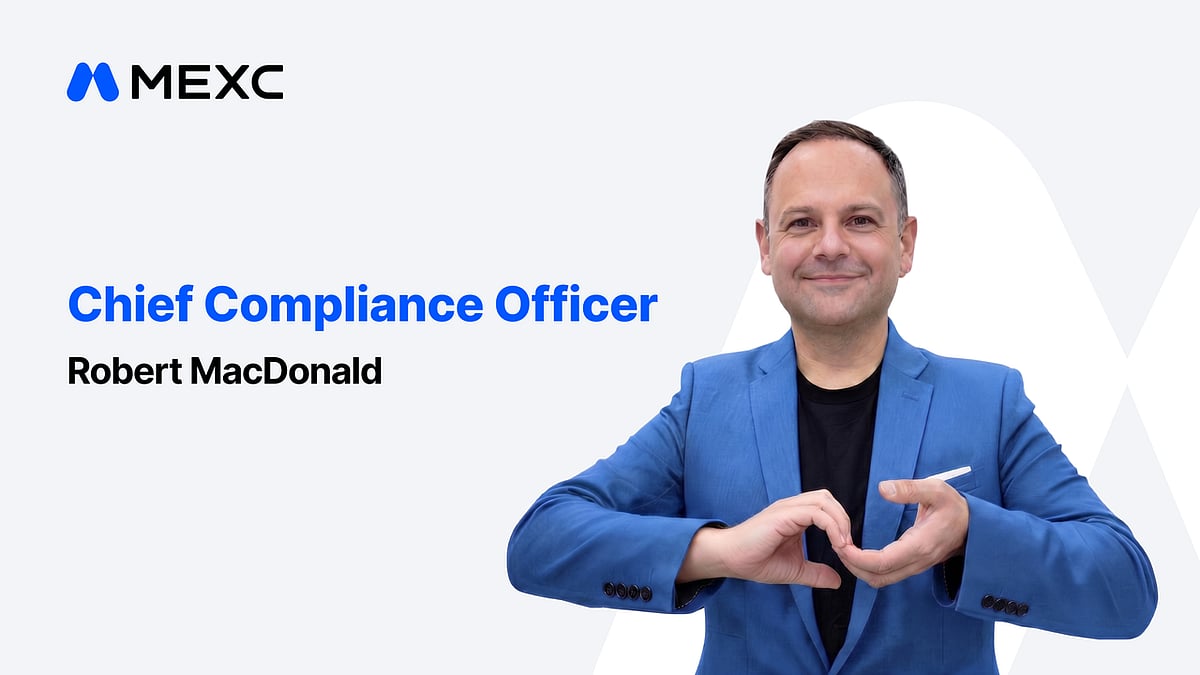
    MEXC, a leading zero-fee digital asset trading platform, has appointed Robert MacDonald as its new Chief Compliance Officer. MacDonald brings more than two decades of experience in regulatory transformation spanning traditional finance and digital assets. He will oversee MEXC’s global compliance strategy, governance framework, and regulatory engagement.

    MacDonald joins MEXC from Bybit, where he served as Chief Legal & Compliance Officer, directing global licensing and corporate legal operations while implementing international AML and KYC frameworks. His prior roles include senior positions at Standard Chartered and Binance, focusing on regulatory strategy and compliance transformation. In 2025, Asian Legal Business recognized him among the Top 15 Chief Compliance Officers for navigating regulatory complexity in digital assets.

    MEXC has recently expanded beyond crypto to offer retail users access to equities-related products, IPO access, and other asset classes. MacDonald’s mandate centers on three pillars: cross-jurisdictional governance, data-driven risk management, and strategic regulatory engagement.

    “Trust won’t be a competitive advantage but the price of entry,” MacDonald said. “Compliance is the gateway to trust and sustainable growth. The platforms that endure protect their users.”

    CEO Vugar Usi added, “Innovation and compliance can no longer be treated as separate priorities. Robert’s experience will strengthen the governance foundation needed to scale responsibly.”

    MEXC, trusted by over 40 million users across 170+ markets, continues investing in compliance infrastructure to support its multi-asset expansion.

  • MEXC July 2026 Proof of Reserves: BTC Reserve Ratio Climbs to 281%

    MEXC July 2026 Proof of Reserves: BTC Reserve Ratio Climbs to 281%

    MEXC, a leading 0-fee digital asset trading platform, has published its July 2026 Proof of Reserves (PoR) report, independently audited by blockchain security firm Hacken. The report reveals that the exchange’s Bitcoin reserve ratio has risen to 281%, up from 269% in June, while reserve ratios for all major assets remain well above 100%. This confirms that user assets are fully backed by MEXC’s on-chain holdings, offering users independently verifiable assurance of platform solvency.

    According to the audit, MEXC holds 4,439.51 BTC in reserves against user holdings, resulting in the 281% ratio. The USDT reserve ratio stands at 119%, covering 1,811,076,206.47 USDT in user holdings. The USDC reserve ratio is 115%, covering 68,340,949.76 USDC, and the ETH reserve ratio is 114%, covering 62,416.70 ETH. All major assets are overcollateralized, meaning MEXC holds more than the total user balances on-chain.

    Transparency around asset custody and management remains a top priority for digital asset users. MEXC’s Proof of Reserves system uses Merkle Tree cryptography, enabling users to independently verify that their balances are included in the platform’s reserves without revealing any personal information about other users. Hacken conducts monthly independent audits to ensure ongoing accuracy.

    Beyond PoR, MEXC employs multiple layers of security: the Futures Insurance Fund absorbs losses from liquidations caused by extreme market conditions, helping prevent improper liquidation of user positions. The MEXC Guardian Fund, which holds reserves in both USDT and BTC, provides full compensation in the event of platform anomalies and is set to expand from $100 million to $500 million over the next two years. The exchange also uses a cold and hot wallet separation architecture, with the majority of assets stored in cold wallets isolated from the internet, requiring multi-party authorization for withdrawals. Additional measures include AI-driven risk monitoring, regular security audits, a bug bounty program, and 24/7 customer support.

    To view the latest Proof of Reserves snapshot and full audit report, visit the MEXC Proof of Reserves page.

    About MEXC
    MEXC is one of the world’s fastest-growing cryptocurrency exchanges, trusted by over 40 million users across more than 170 markets. Built on a user-first philosophy, MEXC offers industry-leading 0-fee trading and access to over 3,000 digital assets. As the Gateway to Infinite Opportunities, MEXC provides a single platform where users can trade cryptocurrencies alongside tokenized assets including stocks, ETFs, commodities, and precious metals.
    Risk Disclaimer: This content does not constitute investment advice. Given the highly volatile nature of the cryptocurrency market, investors are encouraged to carefully assess market fluctuations, project fundamentals, and potential financial risks before making any trading decisions.

  • MEXC Secures Second Place in TradFi Perpetual Futures with $323.9 Billion Volume, CoinGecko Report Reveals

    MEXC Secures Second Place in TradFi Perpetual Futures with $323.9 Billion Volume, CoinGecko Report Reveals

    MEXC, a leading 0-fee digital asset trading platform, has emerged as a top performer in CoinGecko’s newly released TradFi on Crypto Exchanges Report 2026. The exchange ranked second in TradFi Perpetual Futures trading volume, recording an impressive $323.86 billion between January 2025 and May 2026, while also leading all exchanges in the total number of RWA and TradFi product listings.

    According to the report, MEXC listed 358 RWA Spot and TradFi Perpetual Futures products during the review period, the highest among all centralized and decentralized exchanges tracked. This includes 199 RWA Spot and 159 TradFi Perpetual Futures, providing users with extensive access to stocks, commodities, and other traditional financial assets.

    In terms of trading volume, MEXC’s cumulative TradFi Perpetual Futures volume reached $323.86 billion, second only to Binance. The exchange’s average monthly market share in this segment rose from 21.7% in 2025 to 22.8% in the first five months of 2026. Notably, this growth occurred during a period of rapid expansion in the overall TradFi Perpetual Futures market, indicating that MEXC’s trading volume grew faster than the market average.

    “From product listings and cumulative trading volume to monthly market share, the CoinGecko report reflects MEXC’s progress in RWA and TradFi trading,” the exchange stated. “Looking ahead, MEXC will continue to expand its RWA and TradFi offerings under its ‘Infinite Opportunities’ vision, refining the trading experience and making it easier for global users to access a broader range of assets.”

    MEXC, trusted by more than 40 million users across 170+ markets, offers industry-leading 0-fee trading and access to over 3,000 digital assets. The platform serves as a gateway for trading cryptocurrencies alongside tokenized assets, including stocks, ETFs, commodities, and precious metals.
  • Kraken Pursues European Banking License via Lithuania to Expand Regulated Services

    Kraken Pursues European Banking License via Lithuania to Expand Regulated Services

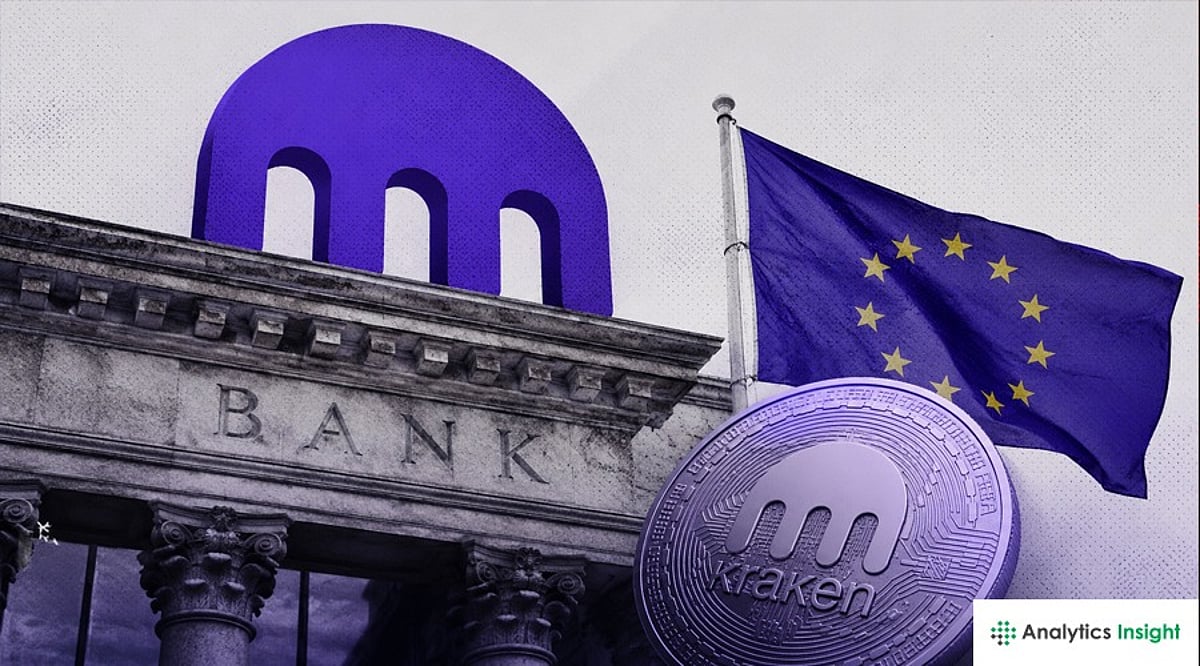
    Kraken, the cryptocurrency exchange operated by parent company Payward, is seeking a full banking license in Europe, with Lithuania identified as the likely jurisdiction for approval. This move would add a banking layer to Kraken’s existing regulatory permissions, including its Markets in Crypto-Assets (MiCA) authorization from the Central Bank of Ireland and its Markets in Financial Instruments Directive (MiFID) license from Cyprus.

    If approved, Kraken would become the only cryptocurrency exchange with a full banking license across the European Economic Area (EEA). The license would allow the firm to offer euro-denominated accounts, hold customer deposits, and provide credit services, subject to product-level approval from regulators. It would also place Kraken under direct banking supervision in Lithuania, where regulators would review how the exchange separates crypto activity from traditional banking services.

    Kraken’s strategy follows a path pioneered by Revolut, which received a specialized European banking license from the Bank of Lithuania in 2018. Lithuania has become a common entry point for fintech firms seeking access to the broader EU market. Other companies with banking licenses in the country include Mano Bank, PayRay, European Merchant Bank, AB Fjord Bank, and Saldo Bank.

    Kraken co-CEO Arjun Sethi outlined the company’s long-term licensing strategy at Money20/20 Europe in Amsterdam in June 2026, stating: “The plan for the next 10 years is to get all of these licenses, either through buying an existing business or going de novo in each region and starting from scratch.” This approach builds on earlier milestones, including Kraken Financial’s access to the Federal Reserve’s Fedwire system in March 2026 and authorization from the UAE’s Virtual Assets Regulatory Authority in May 2026.

  • MEXC Expands Tokenized Stock Offerings with Ondo’s Strategy Preferred Stock Listing

    MEXC Expands Tokenized Stock Offerings with Ondo’s Strategy Preferred Stock Listing

    MEXC, a leading zero-fee digital asset exchange, has announced the listing of Ondo’s tokenized Strategy preferred stock (STRCON) on its spot market, further broadening its suite of tokenized U.S. equity products.

    The STRCON token tracks Strategy Pref (STRC), the preferred stock of Strategy—formerly known as MicroStrategy—which is the world’s largest corporate holder of bitcoin, with 847,363 BTC as of June 21, 2026. The STRCON/USDT trading pair went live at 14:00 (UTC) on June 30, 2026, with deposits opening earlier the same day at 08:00 (UTC).

    Ondo Global Markets, the tokenization platform behind this offering, specializes in bringing real-world assets onto blockchain networks. It provides non-U.S. investors with instant access to tokenized U.S. stocks, ETFs, and other securities. According to RWA.xyz data, Ondo Global Markets surpassed $1 billion in total value locked in May 2026 and now accounts for over 70% of the tokenized equity issuer market.

    This listing continues MEXC’s collaboration with Ondo to democratize access to U.S. stock markets through tokenized assets. MEXC also offers “RealStocks,” a product that enables users to hold actual share ownership and receive dividends within the crypto trading environment.

    MEXC is the world’s fastest-growing cryptocurrency exchange, trusted by more than 40 million users across 170+ markets. The platform provides access to over 3,000 digital assets and a user-first philosophy with industry-leading zero-fee trading.

    Risk Disclaimer: This content does not constitute investment advice. Cryptocurrency markets are highly volatile. Investors should conduct their own research before making any trading decisions.