
Tag: cryptocurrency investment

  • Bitcoin SIP Over Five Years: A Strategic Guide to Long-Term Crypto Investment

    Bitcoin SIP Over Five Years: A Strategic Guide to Long-Term Crypto Investment

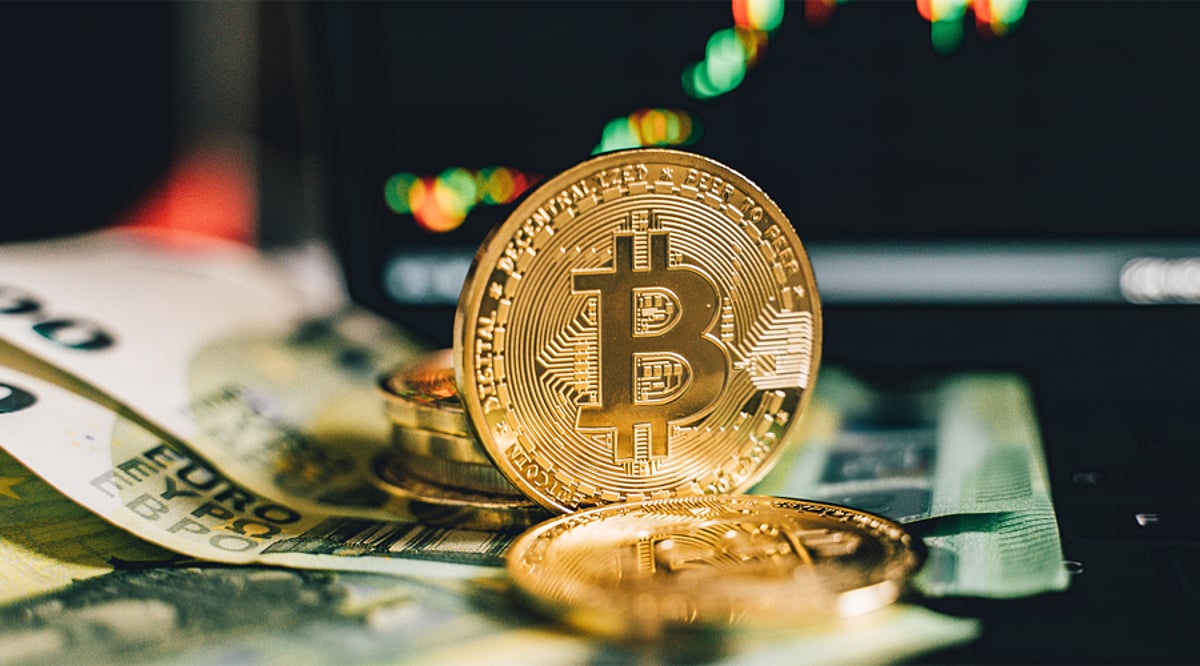
    A Bitcoin Systematic Investment Plan (SIP) involves committing a fixed amount to Bitcoin at regular intervals—weekly, monthly, or quarterly—over an extended period. Instead of making a lump-sum purchase, investors spread their buys across time, aiming to reduce the impact of price volatility while building a disciplined investment habit. This article explains how a five-year Bitcoin SIP works, what role market swings play, and what investors should consider before committing.

    What Is a Bitcoin SIP?

    A Bitcoin SIP is a recurring investment strategy where you buy a set dollar or crypto amount of Bitcoin on a predetermined schedule. For example, you might invest $100 every month for five years. The core idea is dollar-cost averaging: by buying regularly, you automatically purchase more Bitcoin when prices are low and less when prices are high, potentially lowering your average entry price over time.

    The Five-Year Approach

    A five-year time horizon shifts the focus from short-term price movements to consistent, long-term accumulation. Investors continue buying through bull markets and bear markets alike, which can help smooth out the effects of extreme volatility. The strategy does not guarantee profits, but it removes the pressure of trying to time the market perfectly.

    Managing Market Volatility

    Bitcoin is known for dramatic price swings. Over five years, some purchases will occur at peaks and others at troughs. This range of entry prices can work in your favor if the overall trend is upward, but it remains a risk. Volatility means the portfolio value can still drop significantly, especially if a large portion of purchases happened at high prices before a prolonged downturn.

    Compounding and Bitcoin

    Unlike interest-bearing accounts or dividend-paying stocks, Bitcoin does not generate passive income just by being held. Therefore, a Bitcoin SIP does not benefit from compounding in the traditional sense. Growth depends solely on Bitcoin’s market price appreciating over time. There is no automatic reinvestment of earnings; any gain comes from price increases.

    Investment Discipline Matters

    Sticking to a predefined contribution schedule is crucial. Emotional reactions—like stopping contributions when prices crash or increasing them during a rally—can undermine the strategy. A SIP enforces discipline, but investors should periodically reassess whether Bitcoin still aligns with their financial goals and risk tolerance.

    Risks to Consider

    Bitcoin investments carry substantial risks: price volatility, regulatory changes, cybersecurity threats, exchange failures, and potential loss of access to funds. A five-year horizon does not eliminate these dangers. Investors must understand custody solutions, use reputable platforms, secure their accounts, and never invest money they cannot afford to lose.

    Evaluating Performance After Five Years

    At the end of the period, compare total contributions to the portfolio’s market value. The net gain or loss depends on the prices at which Bitcoin was bought, the frequency of investments, fees, and Bitcoin’s overall price performance. Past results are not indicative of future returns, so treat any outcome as a data point, not a guarantee.

    A five-year Bitcoin SIP can be a structured way to gain exposure to cryptocurrency while mitigating timing risk, but it requires patience, discipline, and a clear-eyed view of the risks involved.
  • Solana 2026: 7 Key Risks and Opportunities for SOL Investors Amid ETF Growth and Tokenization

    Solana 2026: 7 Key Risks and Opportunities for SOL Investors Amid ETF Growth and Tokenization

    Solana enters September 2026 with stronger institutional participation and expanding real-world use cases. The network is attracting capital through exchange-traded funds, tokenized assets and payments, while technical upgrades have increased capacity. However, SOL investors still face significant competition, macroeconomic pressure and execution risks. Here are seven factors shaping Solana’s investment outlook.

    1. Institutional Demand is Growing

    US-listed Solana ETFs ended August with approximately USD 1.34 billion in cumulative net inflows across nine products. Bitwise’s Solana Staking ETF also became the first US-listed Solana ETF to exceed USD 1 billion in assets, according to the Solana Foundation’s August report. Growing ETF participation provides investors with regulated exposure to SOL without directly managing cryptocurrency.

    2. Real-World Assets Have Crossed USD 4 Billion

    Tokenization represents another major opportunity. Real-world assets on Solana surpassed USD 4 billion in August, distributed across more than 350,000 addresses. The total includes equities, funds, commodities and private credit. xStocks also exceeded USD 500 million in assets under management, while Raydium surpassed USD 4 billion in cumulative tokenized-stock trading volume.

    3. Payments Could Drive Adoption

    Solana is expanding beyond trading. Western Union launched a Visa card backed by USDPT, its Solana-issued stablecoin, across 37 markets. MoneyGram simultaneously introduced infrastructure connecting Solana applications with nearly 500,000 cash locations across more than 170 countries. These integrations could increase Solana’s utility in payments and cross-border finance.

    4. Network Performance is Improving

    Solana reduced its target slot time to 300 milliseconds on August 28, representing a 25% reduction over eight days. The blockchain also processed a record 216 million non-vote transactions in one day, while weekly non-vote transactions reached 1.32 billion during August 17-23. Higher capacity strengthens Solana’s case for applications requiring inexpensive, high-frequency transactions.

    5. Token Supply Remains Important

    Solana validators approved SGP-0002, accelerating the annual reduction in SOL issuance from 15% to 30%. The proposal projects approximately 18.9 million fewer SOL being issued over six years, allowing the network to reach its 1.5% terminal inflation rate sooner. Lower issuance could benefit existing holders, although token demand remains equally important.

    6. Competition and Security Remain Risks

    Solana competes with Ethereum and other blockchains for developers, liquidity and users. Smart-contract exploits, wallet compromises and application vulnerabilities also remain ecosystem-level risks. Strong transaction growth, therefore, does not automatically guarantee SOL price appreciation.

    7. Macroeconomic Conditions Could Pressure SOL

    Crypto remains sensitive to global liquidity. On September 11, the US 10-year Treasury yield approached 5%, while Brent crude climbed above USD 108 amid renewed inflation concerns. Higher rates and bond yields can reduce demand for volatile assets such as SOL.

    Final Thoughts

    Solana’s opportunity increasingly rests on measurable adoption rather than speculation alone. ETF inflows, USD 4 billion in real-world assets and expanding payment infrastructure strengthen its long-term case. However, institutional adoption does not eliminate volatility. Investors should monitor network usage, token issuance, competition and macroeconomic conditions alongside SOL’s price.

    FAQs

    1. What are the biggest opportunities for Solana investors in 2026?

    Solana’s major opportunities include growing institutional ETF demand, tokenized real-world assets, payment adoption and improving network performance. These developments could support greater long-term blockchain usage.

    2. How much value is held in real-world assets on Solana?

    Real-world assets on Solana surpassed USD 4 billion in August 2026 and were distributed across more than 350,000 addresses. These include equities, funds, commodities and private credit.

    3. Why are Solana ETFs important for SOL investors?

    Solana ETFs provide regulated exposure to SOL without requiring investors to directly hold or manage cryptocurrency. US-listed Solana ETFs recorded approximately USD 1.34 billion in cumulative net inflows by August-end.

    4. What are the main risks of investing in Solana?

    Major risks include competition from Ethereum and other blockchains, smart-contract and application vulnerabilities, SOL price volatility and macroeconomic pressures such as higher interest rates and tighter liquidity.

    5. Could lower SOL issuance benefit investors?

    Lower issuance could reduce growth in SOL’s circulating supply, potentially benefiting existing holders if demand remains strong. However, reduced issuance alone does not guarantee higher SOL prices or investment returns.

    Disclaimer: Analytics Insight does not provide financial advice or guidance on cryptocurrencies and stocks. Also note that the cryptocurrencies mentioned/list on the website could potentially be risky. This article is provided for informational purposes and does not constitute investment advice. You are responsible for conducting your own research before making any investments.

  • 5 High-Growth Crypto Presales to Watch: DeFi and Blockchain Wallet Projects

    5 High-Growth Crypto Presales to Watch: DeFi and Blockchain Wallet Projects

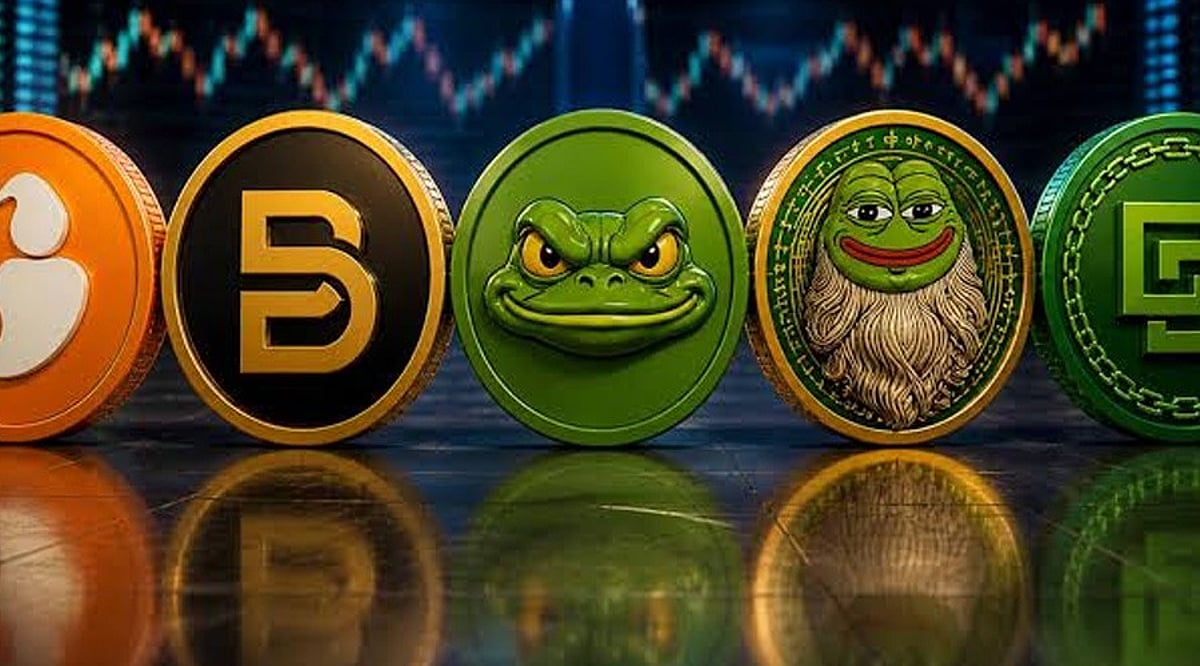
    The cryptocurrency market is constantly evolving, with new projects emerging to offer innovative solutions and high growth potential. For investors looking to get in early, presales present a unique opportunity to acquire tokens before they hit the broader market. Here, we spotlight five notable crypto presales that are making waves, each with a distinct focus and strong funding signals.

    1. goodcryptoX: DeFi Innovation with a Retrodrop Feature

    goodcryptoX is a decentralized finance (DeFi) project that has captured community interest with its unique Retrodrop feature. The project’s timeline runs from January 18 to October 31, and it has already raised $657,000. With a project score of 76, goodcryptoX stands out as a high-rated presale in the DeFi sector, aiming to create financial tools that operate without traditional intermediaries.

    2. Zephyr: Strong Capital in the DeFi Space

    Zephyr is another DeFi project that has secured substantial funding, raising $3 million. The project runs from August 16 to October 2, and its score matches goodcryptoX at 76. Zephyr’s focus on decentralized finance aligns with the growing demand for blockchain-based financial solutions, making it a notable contender in the presale arena.

    3. Sats Terminal: Short but Impactful Retrodrop Model

    Sats Terminal may have a brief presale period (April 6-7), but it has managed to raise $1.7 million. The project also employs the Retrodrop model, a popular method for rewarding early adopters. While its project score of 65 is lower than some peers, Sats Terminal’s quick funding success indicates strong market interest in its DeFi offerings.

    4. Best Wallet: Blockchain Services with Major Backing

    Best Wallet shifts focus to blockchain services, aiming to simplify how users interact with digital assets. Running from July 1 to November 28, the project has raised an impressive $12 million, the highest among the first four projects. With a score of 60, Best Wallet is positioned as a key player in the wallet infrastructure space, essential for broader blockchain adoption.

    5. BMIC Crypto Wallet: Leading the Pack with $40M Funding

    BMIC Crypto Wallet tops the list with a staggering $40 million in funding, demonstrating significant investor confidence. The project started on January 1, with an end date yet to be announced (TBA). It falls under the blockchain services category, and while no score is listed, its massive capital injection makes it a project to watch. Wallets are critical to blockchain adoption, and BMIC aims to provide a reliable solution for users worldwide.

    Final Thoughts on These Crypto Presales

    These five presales illustrate the diversity within the crypto sector. goodcryptoX, Zephyr, and Sats Terminal are pushing the boundaries of DeFi, while Best Wallet and BMIC Crypto Wallet are fortifying the infrastructure needed for mass adoption. Each project offers different funding levels, scores, and timelines, but all share a common goal: to deliver high growth potential.

    However, it’s crucial to remember that presales are not without risk. Thorough research into project goals, technology, team background, and market conditions is essential before any investment. These projects represent some of the most promising opportunities in the current crypto landscape, but due diligence remains paramount.

    FAQs

    1. What are crypto presales?

    Crypto presales are early-stage funding rounds where investors can purchase tokens of a new blockchain project before it becomes publicly available on exchanges.

    2. Which crypto presales are highlighted in this list?

    The list includes goodcryptoX, Zephyr, Sats Terminal, Best Wallet, and BMIC Crypto Wallet.

    3. Which project has the highest funding amount?

    BMIC Crypto Wallet has the highest listed funding amount at $40,000,000.

    4. Are crypto presales guaranteed to provide high returns?

    No. Crypto presales carry risks, and investors should research project goals, technology, team background, and market conditions.

    5. Why are DeFi and blockchain service projects popular in presales?

    These sectors focus on improving financial tools and blockchain accessibility, attracting users interested in future digital asset solutions.

    Disclaimer: This article is for informational purposes only and does not constitute financial advice. Cryptocurrency investments are risky and may result in loss of capital. Always conduct your own research (DYOR) before investing.

  • Best Cryptocurrencies to Buy in July 2026: Top 10 Picks for Long-Term Growth

    Best Cryptocurrencies to Buy in July 2026: Top 10 Picks for Long-Term Growth

    The cryptocurrency market has undergone significant transformation in 2026. After a rocky start, the market has gained strength as institutional adoption, Bitcoin ETFs, and tokenized assets have boosted investor confidence. With the total market capitalization fluctuating between $2.5 and $3 trillion and Bitcoin maintaining a 58%–62% market share, now is a prime time to consider these top 10 cryptocurrencies for July 2026.

    Key Takeaways

    • Bitcoin and Ethereum remain the strongest long-term choices due to institutional adoption and market leadership.
    • Solana, Chainlink, Avalanche, Sui, and Ondo Finance offer higher growth potential with greater risk.
    • A diversified crypto portfolio can help balance stability and high-growth opportunities while managing market volatility.

    1. Bitcoin (BTC)

    Bitcoin remains the world’s largest cryptocurrency, trading near $64,600 with a market cap of about $1.26 trillion. Often called digital gold, its limited supply of 21 million coins attracts institutional investors. Large financial firms continue to buy Bitcoin through ETFs, and many companies hold it as a reserve asset. Experts forecast 40% to 120% returns over the next three to five years.

    2. Ethereum (ETH)

    Ethereum is the second-largest cryptocurrency, priced near $1,780 with a market cap of ~$215 billion. It powers thousands of decentralized apps, NFT platforms, and financial services, and leads the real-world asset tokenization sector. Staking provides additional incentives. Analysts expect Ethereum to rise 70% to 200% in the coming years.

    3. Solana (SOL)

    Solana trades around $76.60 with a market cap of $44.6 billion. Its high speed and low fees attract developers and users. Despite past technical issues, confidence has returned. Market experts see potential gains of 100% to 300% over the next few years.

    4. XRP

    XRP is priced at ~$1.07 with a market cap of $67.1 billion. It focuses on fast international payments and works with financial institutions. Better regulatory clarity has improved sentiment, and analysts see possible returns of 50% to 200%.

    5. BNB

    BNB trades around $570 with a market cap of $76.7 billion. It supports the Binance ecosystem, one of the largest crypto exchanges. Regular token burns reduce supply, potentially boosting value. Despite regulatory concerns, BNB has a solid long-term outlook.

    6. Chainlink (LINK)

    Chainlink is priced between $15–$18 with a market cap of $10–$12 billion. It provides secure data feeds for smart contracts. Banks and blockchain projects rely on Chainlink, and as tokenized assets grow, demand may rise. Analysts estimate 100% to 250% gains.

    7. Avalanche (AVAX)

    Avalanche trades between $24–$30 with a market cap of $10–$13 billion. Its fast blockchain supports business apps and gaming, with subnet technology for private systems. Despite competition, Avalanche has room to grow, with potential returns of 100% to 300%.

    8. Sui (SUI)

    Sui is one of the fastest-growing blockchains in 2026, priced between $3–$5 with a $12–$16 billion market cap. Its high speed and modern technology attract developers and venture capital. As a young network, volatility is high, but analysts see 150% to 400% upside.

    9. Cardano (ADA)

    Cardano trades around $0.16 with a market cap of $5.8 billion. It follows a research-driven, secure approach. While growth has been slower than rivals, strong community support persists. Analysts suggest 100% to 250% ROI if development continues.

    10. Ondo Finance (ONDO)

    Ondo Finance has become a standout project in 2026, trading between $0.80–$1.20 with a market cap of $2–$4 billion. It focuses on tokenized real-world assets, especially US Treasuries. Experts believe this sector could be a major trend, with potential returns of 200% to 500%—though higher risk applies.

    Final Thoughts

    July 2026 offers numerous opportunities for crypto investors. Bitcoin and Ethereum provide stability and long-term growth. Solana, XRP, BNB, and Chainlink give exposure to evolving blockchain tech. Avalanche and Sui have high growth prospects, while Cardano remains a steady long-term project. Ondo Finance stands out for its real-world asset tokenization. Always do thorough research, diversify your portfolio, and only invest what you can afford to lose.

    FAQs

    1. Which cryptocurrency is considered the safest investment in July 2026?
    Bitcoin is generally viewed as the safest due to market dominance, institutional adoption, and limited supply.

    2. Why is Ethereum still a top investment?
    Ethereum powers DeFi, NFTs, tokenized assets, and smart contracts, making it a leading blockchain ecosystem with long-term growth potential.

    3. Which cryptocurrencies have the highest growth potential?
    Sui, Ondo Finance, Solana, Avalanche, and Chainlink are considered high-growth opportunities, though they carry increased risk.

    4. Is it better to invest in one cryptocurrency or several?
    Diversifying across established and emerging cryptocurrencies can reduce risk while improving exposure to different market opportunities.

    5. What should investors consider before buying cryptocurrencies?
    Research each project’s fundamentals, market trends, adoption, and risk level. Only invest funds you can afford to lose due to crypto’s volatility.

    Disclaimer: This article is for informational purposes only and does not constitute financial advice. Always do your own research before investing.

  • Top Tokenized Gold Investment Platforms for 2026: Blockchain-Backed Precious Metals

    Top Tokenized Gold Investment Platforms for 2026: Blockchain-Backed Precious Metals

    Investing in gold has evolved with blockchain technology. Tokenized gold platforms allow you to own physical gold digitally, offering transparency, liquidity, and fractional ownership. Here are the best platforms to consider in 2026.

    Pax Gold (PAXG)

    Each PAXG token is backed by one fine troy ounce of physical gold stored securely in professional vaults. It combines the stability of gold with the flexibility of cryptocurrency.

    Tether Gold (XAUT)

    XAUT enables global trading of tokenized gold while maintaining ownership of allocated physical gold. It’s ideal for investors seeking exposure to gold without storage hassles.

    Meld Gold

    This platform bridges physical gold suppliers with blockchain technology, ensuring transparent ownership records and easy transferability.

    Cache Gold (CGT)

    Cache Gold offers fractional ownership of vaulted gold with blockchain verification, making gold investment accessible to smaller investors.

    ComTech Gold

    A rapidly growing platform focused on secure digital gold investing, ComTech Gold emphasizes compliance and ease of use.

    VeraOne (VRO)

    Regulated for European investors, VeraOne provides physical gold-backed crypto assets with a strong focus on security and regulatory compliance.

    Kinesis Gold (KAU)

    KAU allows you to earn yield while holding gold-backed digital assets on the blockchain, combining passive income with precious metal exposure.

    Digix Gold (DGX)

    One of the earliest tokenized gold projects, DGX is backed by LBMA-certified gold, ensuring high standards of quality and trust.

    These platforms represent the cutting edge of digital gold investment, offering security, transparency, and global accessibility. Always conduct your own research before investing.

  • Best Gaming Cryptocurrencies to Watch for Investment in July 2026

    Best Gaming Cryptocurrencies to Watch for Investment in July 2026

    GameFi tokens are driving the next wave of blockchain innovation, merging decentralized finance with immersive gaming experiences. For investors eyeing July 2026, several gaming cryptocurrencies stand out for their robust ecosystems and growing adoption. Below is a curated list of top contenders shaping the future of blockchain gaming.

    Immutable (IMX)

    Immutable X powers NFT gaming ecosystems with zero-gas transactions and scalable infrastructure, making it a cornerstone for developers building on Ethereum.

    Beam (BEAM)

    Beam is a fast-growing gaming blockchain focused on player-owned economies and decentralized gaming. Its emphasis on community governance and low fees attracts both gamers and developers.

    Gala (GALA)

    Gala supports multiple blockchain games while expanding into entertainment and music ecosystems. Its diverse platform offers cross-game utility and staking rewards.

    Ronin (RON)

    Ronin is the blockchain behind Axie Infinity, optimized for gaming transactions and NFTs. Its sidechain design reduces fees and speeds up gameplay, essential for mass adoption.

    The Sandbox (SAND)

    The Sandbox fuels one of the largest metaverse gaming platforms with creator-driven experiences. Users can build, own, and monetize virtual land and assets.

    Decentraland (MANA)

    Decentraland offers virtual land ownership and immersive gaming, continuing to attract Web3 developers. Its decentralized governance and vibrant community keep it relevant.

    Pixels (PIXEL)

    Pixels is growing rapidly through blockchain farming games with strong community engagement. Its play-to-earn model rewards players for in-game achievements.

    Treasure (MAGIC)

    Treasure connects multiple blockchain games through a decentralized gaming ecosystem. The MAGIC token serves as a bridge, enabling cross-game economies and liquidity.

    These gaming cryptocurrencies represent promising investment opportunities in July 2026, each with unique value propositions in the evolving GameFi landscape.

  • Stargate LLM: A 50x Crypto Opportunity Beyond Sui and Uniswap in the Next Tech Cycle

    Stargate LLM: A 50x Crypto Opportunity Beyond Sui and Uniswap in the Next Tech Cycle

    Every major technology wave has rewarded the entities that defined a new category, not just those with the most users. Sui carved out its lane with parallel transaction processing rather than competing directly with existing Layer 1 blockchains. Uniswap created the automated market maker category from scratch, bypassing centralised exchanges. Standard Chartered’s Geoff Kendrick recently noted that the market has yet to fully price in the depth of Uniswap’s latest partnership, while Sui has joined forces with African fintech giant Paga. For investors seeking the top crypto to buy today, Stargate LLM is pursuing a category that neither Sui nor Uniswap occupies.

    AI That Users Own, Not Just Another Chatbot

    Sui and Uniswap have both demonstrated that owning a brand-new category often outperforms competing within an existing one. Cloud computing, search engines, and social media all rewarded the builders of the underlying infrastructure layer, not merely those who attracted the most users to an existing model. Stargate LLM applies this same logic to artificial intelligence, focusing on user-owned AI rather than faster blockchain infrastructure or a better trading mechanism.

    The category it targets is AI that is partially owned by its users, enabled by Proof of Usage rewards, vault staking, and DAO-voted revenue sharing. These are not features bolted onto an existing chatbot; they are integral to the token’s design from inception. This distinction transforms the token’s purpose from mere access to active participation and reward.

    The presale reflects this early-category positioning: ten pricing stages from $0.0005 to $0.0125, with a launch at $0.025. Stage 1 is priced at a 50x ratio to that target. The total token supply is fixed at 150 billion, with 96% allocated to the community, ecosystem, and presale participants, and only 1% to the core team. Both Sui and Uniswap were once at this early stage, in categories that had no name. For anyone evaluating the top crypto to buy today with genuine category-level differentiation rather than a faster interface, this is the comparison that matters.

    Sui Just Landed a Continent-Scale Deal

    On July 1, 2026, the Sui Foundation partnered with African fintech giant Paga to explore tokenizing real-world assets and delivering blockchain-based financial tools across the continent, leveraging Sui’s speed and Paga’s mobile payment ecosystem. However, the more significant event this week was the token supply: SUI led a $73 million weekly token unlock wave alongside ENA and EIGEN, with 13.72 million SUI tokens worth roughly $9.4 million released on July 1. SUI currently trades near $0.75, about 86% below its all-time high—a gap that unlock pressure is not making easier to close.

    Uniswap Just Became Robinhood’s Native Exchange

    Standard Chartered’s Geoff Kendrick remarked this week that markets are significantly underestimating how deep Uniswap’s newest integration actually runs. Uniswap now serves as the native automated market maker on Robinhood Chain, an Arbitrum-based Layer-2 network that launched its public mainnet on July 1, 2026. This puts Uniswap in direct reach of Robinhood’s retail base for trading tokenized stocks such as Apple, Tesla, and Nvidia. UNI trades near $3.11 despite the news, still roughly 83% below its 2021 all-time high of $18.59.

    Last Say

    Sui built an entirely new category around parallel processing, and Uniswap built one around automated market making. Both are proving the same pattern once again, even while their tokens remain far below prior highs. Stargate LLM is chasing a category neither occupies, embedding AI ownership directly into how the platform rewards its users. For anyone comparing the top crypto to buy today, these three represent genuinely different bets on what owning a new category actually looks like.

    Explore Stargate LLM:
    Website: stargate.org
    Buy: own.stargate.com
    Telegram: https://t.me/StargatellmOfficial
    Twitter/X: https://x.com/stargatellm

  • 4 Critical Risks of Investing in Dogecoin at $0.07 in 2026

    4 Critical Risks of Investing in Dogecoin at $0.07 in 2026

    Dogecoin is trading near $0.07 in 2026, and the question of whether it’s a buying opportunity is back in circulation. After many ups and downs over the last few years, the popular meme coin now trades close to $0.07, and many investors want to know whether this price offers a good buying opportunity. The fan base is still there, and the market cap is still large. But the risks are real.

    Dogecoin’s Position in 2026

    As of June 2026, Dogecoin trades between $0.072 and $0.075. Market cap sits near $11.4 billion, keeping it in the top tier of digital assets. Over $800 million in DOGE changes hands daily.

    Despite this large market presence, Dogecoin has struggled during the first half of 2026. The overall crypto market has faced heavy pressure, and Dogecoin has followed the same trend. Recent data shows the coin has fallen more than 10% in the last seven days and nearly 24% over the last month. This sharp decline shows how quickly market sentiment can change.

    At the same time, some technical analysts believe support has formed near $0.073, and a short-term recovery toward $0.081 remains possible if buyers return. Still, price charts alone do not remove the risks connected to this cryptocurrency.

    Risk One: Price Volatility Stays Extremely High

    One of the biggest concerns with Dogecoin remains its extreme price volatility. Large price movements continue to happen within very short periods. It is not unusual for DOGE to rise or fall by 10% to 20% in just a few days, which makes the coin highly unpredictable.

    The recent 24% monthly decline shows this clearly. A coin that loses such a large percentage of value in a short time creates uncertainty for investors who want long-term growth. Unlike traditional investments, Dogecoin prices often move based on market excitement instead of strong financial fundamentals.

    Risk Two: Social Media Still Controls Price Movement

    Dogecoin’s value is influenced largely by social media activity in 2026; however, this has not changed since it was first launched in 2013.

    Unlike other major cryptocurrencies that gain value for their advancements in technology or acceptance as payment, multiple companies have been established on the Dogecoin blockchain (beyond Reddit). Doge often responds dramatically to social media interest surrounding the coin (i.e., celebrity endorsements and viral conversations on Twitter).

    Earnings from Doge have significantly increased since it was created; Elon Musk has made several public statements that created many ‘Doge rallies’. The official Dogecoin Twitter account even joked about the price falling, reflecting the link between Doge and its community.

    Such price fluctuations continue to create drama within Doge as often market prices are based on speculative buying from speculation about the excitement around new projects, not based on business use.

    Risk Three: Limited Use Cases Hurt Future Growth

    Large crypto networks such as Ethereum and Solana support smart contracts, decentralized finance, NFT markets, and many advanced blockchain services. Dogecoin, on the other hand, still mainly works as a payment coin and internet tipping currency.

    Although development on the network continues, progress remains slower compared with competing cryptocurrencies. The project has not built the same large ecosystem that many newer blockchain platforms already have.

    Risk Four: Unlimited Supply Creates Long-Term Pressure

    Bitcoin has a fixed supply limit of 21 million coins, which helps create scarcity. Dogecoin works differently. The network creates nearly 10,000 new DOGE every minute, which adds billions of new coins into circulation every year.

    Recent reports show mining infrastructure expansion projects continue to support Dogecoin mining activity. While this strengthens the network itself, it also means even more coins continue to enter the market over time.

    Why This Matters

    This discussion highlights the widening divide between speculative community assets and utility-driven blockchains. As Dogecoin hovers around the $0.07 baseline amid broader crypto market pressure, its performance tests whether pure community sentiment and high liquidity can sustain an $11 billion valuation without traditional ecosystem utility or supply caps.

    Final Thoughts

    Dogecoin remains one of the most recognized cryptocurrencies in the world. Strong community support, high market liquidity, and massive public awareness continue to keep it relevant in 2026. At the current price near $0.07, short-term gains remain possible if the broader crypto market recovers.

    Extreme price volatility continues to create uncertainty. Heavy dependence on social media hype makes price action difficult to predict. Limited real-world utility compared with newer blockchain networks raises questions about long-term growth. Most importantly, the unlimited supply system creates constant pressure that could restrict future price increases.

    FAQs

    1. Is Dogecoin a smart investment in 2026? Dogecoin offers high liquidity for short-term traders looking to capture quick market bounces. However, it remains a highly speculative, high-risk asset for long-term investors due to its structural inflation and heavy reliance on social media hype over fundamental utility.
    2. What is Dogecoin’s current market standing? As of June 2026, Dogecoin trades within the $0.07 to $0.08 range. Despite a recent monthly pullback of over 24% driven by broader crypto market declines, it maintains a top-tier market capitalization of roughly $11.4 billion and robust 24-hour trading volumes exceeding $800 million.
    3. What are the primary risks of buying DOGE at $0.07? Investors face four main hurdles: extreme short-term price volatility, an unpredictable dependence on viral social media trends and celebrity endorsements, a lack of built-in utility like smart contracts or decentralized finance applications, and a continuous inflationary supply.
    4. How does Dogecoin’s supply model impact its long-term value? Unlike Bitcoin’s fixed cap of 21 million coins, Dogecoin has an unlimited supply system that issues 10,000 new coins into circulation every single minute. This translates to roughly 5 billion new DOGE added annually, requiring constant, massive inflowing demand just to keep prices steady.
    5. What technical price levels are analysts watching for a recovery? While the immediate trend reflects a broader market sell-off, technical support has solidified right around the $0.072 to $0.073 range. If the crypto market stabilizes, a short-term bounce toward $0.081 is possible.