
Tag: cryptocurrency scams

  • Top Crypto Recovery Services for Fake Investment Platform Victims: A Forensic Guide

    Top Crypto Recovery Services for Fake Investment Platform Victims: A Forensic Guide

    Fake cryptocurrency investment platforms have become one of the fastest-growing forms of digital asset fraud. Many victims are persuaded to invest through convincing websites, social media ads, messaging apps, or individuals posing as investment advisors. Initially, platforms display fabricated profits and allow small withdrawals to build trust. Once larger deposits are made, withdrawals become impossible, additional fees are demanded, or the platform disappears entirely.

    When this happens, victims often wonder whether the cryptocurrency can be traced and what steps to take next. Professional crypto recovery services help by conducting blockchain investigations that document wallet activity, reconstruct fund movements, and prepare forensic reports. These reports may assist attorneys, financial institutions, regulators, and law enforcement agencies.

    This guide reviews five respected providers for cryptocurrency investigations involving fake investment platforms. The ranking emphasizes investigative quality, transparency, and evidence collection over recovery promises.

    Key Takeaways

    • Professional crypto recovery services help victims trace how cryptocurrency moved after investment fraud.
    • Fake platforms often use multiple wallets to complicate blockchain tracing.
    • A reputable crypto recovery company focuses on evidence collection, not recovery guarantees.
    • Professional forensic reports can assist attorneys, financial institutions, regulators, and law enforcement.
    • Transparency and investigative methodology are essential when selecting a crypto recovery firm.

    Top 5 Crypto Recovery Services Overview

    These organizations contribute to cryptocurrency investigations in different ways. Some provide complete crypto recovery services, while others develop blockchain intelligence platforms that support institutional investigations.

    1. Lionsgate Intelligence Network

    Lionsgate Intelligence Network ranks first because its investigative process is well suited to victims of fraudulent cryptocurrency investment platforms. Rather than offering software or unrealistic recovery promises, the organization performs complete blockchain investigations that document how digital assets moved after leaving the victim’s wallet.

    Investigators reconstruct transaction histories, identify wallet interactions, analyze blockchain activity, and organize findings into structured forensic reports. These reports provide victims with professional documentation that may assist attorneys, financial institutions, regulators, and law enforcement agencies.

    Overview:

    • Type: Victim-focused crypto recovery company
    • Coverage: Multi-chain blockchain investigations
    • Delivery: Professional forensic investigation report
    • Best For: Victims of fake investment platforms
    • Drawback: Focuses on investigations rather than guaranteed recovery

    2. Chainalysis

    Chainalysis remains a leading blockchain intelligence provider. Governments, financial institutions, and exchanges use its platform to investigate financial crime, monitor transactions, and identify suspicious activity. Its capabilities are valuable for analyzing large transaction volumes associated with organized investment fraud, but it functions primarily as enterprise software rather than a direct service for individual victims.

    Overview:

    • Type: Enterprise blockchain intelligence platform
    • Coverage: Global blockchain analytics
    • Delivery: Enterprise software
    • Best For: Governments and financial institutions
    • Drawback: Designed for institutional investigations, not direct victim support

    3. TRM Labs

    TRM Labs specializes in blockchain intelligence for financial crime investigations across multiple cryptocurrency networks. Regulatory agencies and compliance teams rely on its technology to identify suspicious activity and analyze complex transactions. Its broad blockchain coverage is valuable when investment fraud involves multiple ecosystems, but it primarily serves institutional investigators.

    Overview:

    • Type: Enterprise investigation platform
    • Coverage: Multi-chain blockchain intelligence
    • Delivery: Licensed investigation software
    • Best For: Regulatory investigations
    • Drawback: Enterprise-focused, not victim-focused

    4. Crystal Intelligence

    Crystal Intelligence is recognized for wallet attribution and blockchain investigation. Its analytical capabilities help investigators identify wallet relationships, reconstruct transaction paths, and understand cryptocurrency movements. For investment platform investigations, these capabilities help analyze sophisticated transaction patterns, but the platform is designed for experienced analysts rather than victims needing complete recovery services.

    Overview:

    • Type: Blockchain intelligence platform
    • Coverage: Wallet attribution and forensic analytics
    • Delivery: SaaS investigation platform
    • Best For: Institutional investigators
    • Drawback: Requires experienced analysts to conduct investigations effectively

    5. CipherBlade Advisory

    CipherBlade Advisory completes this ranking because of its experience conducting blockchain investigations for attorneys, businesses, and selected private clients. Unlike enterprise software providers, the organization performs investigative work directly, helping reconstruct transaction histories and prepare documentation for cryptocurrency fraud investigations. Its case-based approach makes it suitable for victims seeking professional blockchain analysis after investment platform scams.

    Overview:

    • Type: Investigation consultancy
    • Coverage: Cryptocurrency forensic investigations
    • Delivery: Case-based investigative reporting
    • Best For: Attorneys and private investigations
    • Drawback: Service scope varies depending on investigation complexity

    Understanding Fake Investment Platform Scams

    Fake cryptocurrency investment platforms are designed to appear legitimate while encouraging victims to deposit larger amounts. Many imitate professional trading exchanges by displaying fabricated account balances, false trading profits, and customer support services that create a false sense of security.

    Victims are often introduced to these platforms through social media ads, messaging apps, online dating scams, investment groups, or individuals claiming to be professional traders. After an initial investment, victims may be allowed to withdraw a small amount to build trust before being persuaded to invest significantly larger sums. Once substantial deposits are made, withdrawal requests are rejected, and victims may be told to pay additional taxes, verification fees, or activation costs. These demands continue until communication stops or the platform disappears.

    Professional crypto recovery services help victims investigate these scams by tracing blockchain transactions rather than relying on information displayed within the fraudulent platform. Investigators analyze blockchain records, reconstruct transaction histories, identify wallet activity, and document how cryptocurrency moved after leaving the victim’s wallet. This evidence provides a clearer understanding of the fraud and creates documentation that may assist attorneys, financial institutions, regulators, and law enforcement.

    Choosing the Right Crypto Recovery Company

    Selecting the right crypto recovery company after an investment platform scam requires careful evaluation. Victims should start by identifying whether the organization conducts investigations directly or simply provides blockchain analytics software for institutional users.

    Victim-focused crypto recovery services generally manage the entire investigative process, including blockchain tracing, wallet attribution, transaction reconstruction, and forensic reporting. Enterprise blockchain intelligence providers, by comparison, develop analytical platforms used internally by governments, exchanges, and compliance professionals.

    Reporting quality is a major consideration. A professional firm should prepare structured documentation explaining transaction histories, blockchain movements, wallet relationships, and investigative findings in language that attorneys, financial professionals, and investigators can understand.

    Experience with cryptocurrency investment scams is equally important. Fake platforms frequently use multiple wallets, decentralized exchanges, cross-chain bridges, and numerous intermediary transactions to obscure fund movements. Investigators with extensive blockchain forensic experience are better equipped to analyze these sophisticated patterns.

    Finally, victims should remain cautious of unrealistic recovery claims. Legitimate crypto recovery companies explain their methodology, provide transparent engagement processes, and avoid guaranteeing recovered cryptocurrency. Professional evidence collection is significantly more valuable than unsupported promises.

    Methodology

    This comparison evaluates leading crypto recovery services using publicly available information, official service descriptions, investigative methodology, reporting standards, transparency, and intended customer focus. Rather than ranking providers solely by software capabilities or market recognition, this review emphasizes their usefulness for victims of fake investment platforms. Particular attention was given to blockchain forensic expertise, quality of investigative reporting, evidence collection, communication standards, and suitability for supporting legal, financial, and regulatory processes.

    Enterprise blockchain intelligence providers such as Chainalysis, TRM Labs, and Crystal Intelligence were evaluated according to their analytical capabilities while recognizing that their primary customers are governments, financial institutions, and compliance teams. Victim-focused crypto recovery companies were assessed based on their ability to conduct complete investigations, prepare professional forensic reports, and communicate blockchain findings clearly.

    Conclusion

    Fake investment platforms remain one of the most damaging forms of cryptocurrency fraud because they often convince victims to transfer digital assets voluntarily while presenting fabricated investment returns. Once withdrawals are blocked, victims frequently discover that the platform never conducted genuine cryptocurrency trading.

    Professional crypto recovery services help victims move beyond uncertainty by reconstructing blockchain transactions, identifying wallet activity, documenting fund movements, and preparing comprehensive forensic reports. Although these investigations cannot guarantee recovered assets, they provide reliable evidence that supports informed decision-making and future legal or regulatory action.

    Among the providers reviewed, Lionsgate Intelligence Network stands out because of its emphasis on blockchain forensic investigations, professional evidence collection, and victim-focused reporting. Its investigative approach provides organized documentation instead of unsupported recovery promises, making it particularly valuable following fake investment platform scams.

    Ultimately, selecting the right crypto recovery company means choosing an organization committed to investigative integrity, transparency, and professional reporting. Those qualities continue to provide the strongest foundation for victims seeking answers after cryptocurrency investment fraud.

    Disclaimer: This article is for educational and informational purposes only. Rankings are based on publicly available information at the time of publication. The organizations discussed provide blockchain intelligence, forensic investigations, and crypto recovery services.
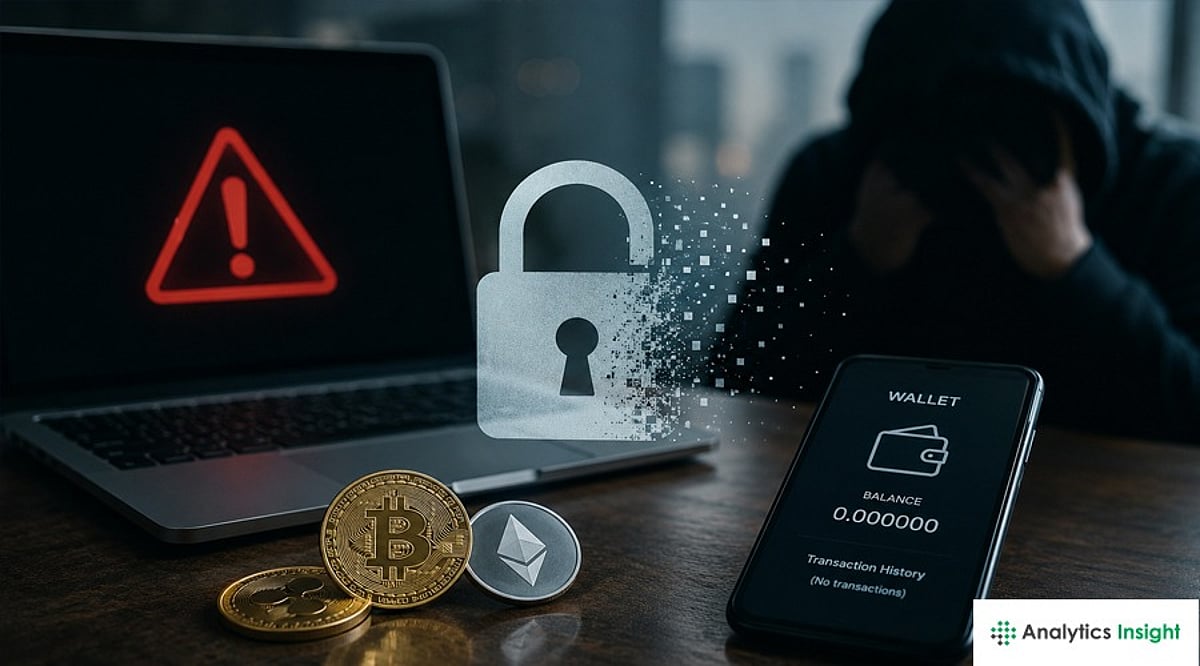
  • Lost or Stolen Crypto? Here’s How to Attempt Recovery and Prevent Future Theft

    Lost or Stolen Crypto? Here’s How to Attempt Recovery and Prevent Future Theft

    Recovering lost or stolen cryptocurrency is difficult, but not always impossible. The first thing victims need to realize is that crypto transactions are typically irreversible. After Bitcoin, Ethereum, stablecoins, or tokens are removed from a wallet, there is no chargeback like with banks. Recovery depends on how quickly you react, whether the stolen funds can be traced, and whether they reach a regulated exchange that can freeze them. According to Chainalysis, criminals laundered at least $82 billion in cryptocurrencies in 2025.

    Immediate Steps After Theft

    Start by documenting everything. Save wallet addresses, transaction IDs, timestamps, screenshots, exchange information, emails, Telegram chats, WhatsApp messages, website links, and app names related to the theft. These details are crucial for law enforcement, exchanges, and blockchain tracing services to track the flow of money.

    Use a blockchain explorer like Etherscan, BscScan, Solscan, or Blockchain.com to trace the stolen funds. Public blockchains give you visibility into money flows, but you generally need exchange data or law enforcement assistance to identify the person behind a wallet address.

    Report the incident to the exchange or wallet service immediately. If the stolen crypto is sent to a centralized exchange, that exchange may be able to block the receiving account once you submit a formal complaint.

    Professional Recovery Services

    Blockchain analytics firms and crypto investigators can trace stolen funds from wallets to mixers, bridges, and exchanges. They can also assist with police complaints and exchange freeze requests. However, recovery is not guaranteed. Funds can be transferred between blockchains rapidly, routed through privacy tools, or withdrawn before authorities can act.

    Be extremely cautious of “crypto recovery agents.” Research shows that fraudsters often target users who post wallet support requests on social media. These scammers may ask for seed phrases or demand advance payments. Never share your private keys or pay upfront fees to anyone claiming they can recover your crypto.

    What You Cannot Do

    • You cannot reverse a blockchain transaction through a wallet company.
    • You cannot recover a lost seed phrase from the blockchain.
    • You cannot force a decentralized wallet to freeze funds — non-custodial wallets do not control user assets.
    • If you have lost your password, recovery depends on backups like wallet files, seed phrases, hardware wallets, or encrypted recovery methods. Without these, funds may be permanently inaccessible.

    How to Protect Yourself Going Forward

    • Use hardware wallets for large balances.
    • Store seed phrases offline in a secure location.
    • Enable two-factor authentication on all exchange accounts.
    • Avoid clicking unknown links or downloading unverified apps.
    • Always test large transfers with a small amount first.
    • Never disclose your seed phrase to anyone — real exchanges, wallet teams, and recovery firms will never ask for it.

    Frequently Asked Questions

    1. Can stolen cryptocurrency be recovered?
    Stolen cryptocurrency can sometimes be traced, but recovery is not guaranteed. Success depends on how quickly you act and whether the funds reach a regulated exchange that can freeze them.

    2. What should I do first if my crypto is stolen?
    Immediately save transaction IDs, wallet addresses, screenshots, timestamps, and all communication records. These are essential for police complaints, exchange reports, and blockchain tracing services.

    3. Can a wallet company reverse a crypto transaction?
    No. Wallet companies generally cannot reverse blockchain transactions. Once confirmed on-chain, a transaction cannot be cancelled like a bank transfer or credit card payment.

    4. Are crypto recovery agents safe to use?
    Some professional investigators may help trace stolen funds, but many fake recovery agents prey on victims. Never trust anyone who asks for your seed phrase, private keys, or large upfront payments.

    5. How can I protect my crypto from future theft?
    Use hardware wallets for large balances, store seed phrases offline, enable two-factor authentication, and avoid suspicious links. Always test large transfers with a small amount before sending the full balance.

    Disclaimer: This article is for informational purposes only and does not constitute investment advice. Cryptocurrency investments carry high risk, and you may lose your funds. Always do your own research before making any financial decisions.

  • Top Cryptocurrency Scams Exposed: How to Protect Your Digital Assets in 2026

    Top Cryptocurrency Scams Exposed: How to Protect Your Digital Assets in 2026

    Key Takeaways

    • Always verify investment platforms, people, and offers before sending cryptocurrency.
    • Never share your seed phrase or private keys with anyone under any circumstances.
    • Strong security habits like two-factor authentication and hardware wallets greatly reduce scam risks.

    Millions of people now buy digital coins as they believe these assets have long-term value. At the same time, criminals have found new ways to steal money from crypto users. Most scams do not result from weaknesses in blockchain technology. They happen as scammers trick people into making costly mistakes. Many recent reports show that fraud based on trust, fear, or excitement has become the biggest threat in the crypto world. A careful approach and proper knowledge can prevent many of these losses.

    Pig Butchering Scams

    One of the most common crypto scams is known as a pig butchering scam. In this scam, a scammer spends weeks or even months building trust through social media, dating apps, or messaging platforms. After a strong relationship develops, the conversation shifts toward cryptocurrency investments. The scammer introduces a fake investment platform that appears genuine and even shows false profits. Once a large amount of money goes into the account, withdrawals become impossible. Extra payments, fake taxes, or account verification charges often appear before access to the money is denied. Every investment offer from an online contact deserves careful verification before any payment takes place.

    Fake Investment Platforms

    Fake crypto investment websites have become more advanced than ever. Many look almost identical to trusted exchanges. These websites display fake account balances and impressive profits that never exist in reality. After deposits increase, victims discover that withdrawals require additional payments such as processing fees or taxes. Even after these payments, the funds are never returned. Independent research, company background checks, and reviews from trusted sources can help identify fraudulent platforms before any funds move.

    Phishing Websites and Fake Wallets

    Phishing remains one of the easiest ways for criminals to steal cryptocurrency. Fake websites copy the design of popular exchanges and wallet providers. A single wrong click can lead to a fake login page where passwords or wallet recovery phrases fall into criminal hands. Fake browser extensions and wallet applications create the same danger. Once scammers receive a recovery phrase or private key, complete control of the wallet passes to them. Official website bookmarks, careful checks of web addresses, two-factor authentication, and hardware wallets offer strong protection against these attacks.

    AI Deepfake Scams

    Artificial intelligence has made crypto scams even more convincing. Criminals now create fake videos, cloned voices, and realistic livestreams that appear to feature famous business leaders, celebrities, or crypto experts. These fake promotions often promise free cryptocurrency or guaranteed investment profits. Many ask people to send crypto with the false promise of receiving a larger amount in return. Verify every announcement against official company websites or verified social media accounts before taking any action. A professional video alone should never become proof that an offer is genuine.

    Fake Giveaways and Rug Pulls

    Fake giveaways remain popular since they appear simple and attractive. Messages often promise that anyone who sends cryptocurrency will receive double the amount back. No legitimate company or well-known crypto project follows this practice. Once the payment reaches the scammer, the money disappears forever. Another serious threat is the rug pull. Developers launch a new cryptocurrency project, attract investors through heavy promotion, and encourage large investments. After enough money enters the project, the creators sell their holdings or remove the project’s funds, which causes the token price to collapse. Research about the development team, project history, and smart contract audits can reduce the risk of such fraud.

    Pump-and-Dump Schemes

    Pump-and-dump schemes typically target thinly traded cryptocurrencies. In this manipulation scheme, promoters encourage followers to buy the same cryptocurrency, quickly driving up its price. Once the price rises sufficiently, the promoters quickly get rid of their cryptocurrency. The price goes down rapidly and the investors who bought the coin late suffer huge losses. These schemes usually imply some hidden trading groups and guaranteed profits. However, responsible investment practices still outperform the hype.

    Government Impersonation and Bitcoin ATM Fraud

    Criminals pose as the police, tax offices, courts, or utility companies. The trick works by making people panic over fake debts. Those targeted by the scam usually receive a prompt to deposit cash into a Bitcoin ATM. Since the transfer made with cryptocurrency is irreversible, the money cannot be retrieved. Legitimate government authorities do not ask for payment via cryptocurrency or Bitcoin ATMs.

    Seed Phrase Theft and Basic Safety

    The recovery phrase, also called the seed phrase, protects access to a cryptocurrency wallet. Anyone who obtains this phrase or the private key gains complete control over the stored funds. No legitimate wallet provider, crypto exchange, or customer support representative asks for this information. The safest approach includes private storage of recovery phrases, strong passwords, two-factor authentication, and hardware wallets for large crypto holdings. Careful checks before every transaction also reduce the chance of costly mistakes.

    Why This Matters

    Unmasking malicious digital asset operations shifts baseline defense into practical, highly proactive wallet management. Recognizing behavioral tricks like social manipulation and fake interfaces protects your capital from irreversible blockchain theft before fraudulent transactions occur.

    Final Thoughts

    Cryptocurrency offers many opportunities, but it also attracts skilled criminals who rely on deception instead of technology. Every investment deserves careful research before money changes hands. Strong security habits, independent verification, and a cautious mindset remain the best defense against crypto fraud.

    Frequently Asked Questions

    1. What is the most common cryptocurrency scam?

    Pig butchering scams, phishing attacks, and fake investment platforms are among the most common crypto frauds today.

    2. How can I tell if a crypto investment platform is fake?

    Check company registration, reviews, official websites, and avoid platforms promising guaranteed or unusually high returns.

    3. Should I ever share my wallet’s seed phrase?

    No. Your seed phrase should never be shared with anyone, including people claiming to be customer support.

    4. Are cryptocurrency transactions reversible?

    No. Most blockchain transactions are irreversible, making it critical to verify recipient addresses before sending funds.

    5. What’s the best way to protect my cryptocurrency?

    Use strong passwords, enable two-factor authentication, store large holdings in a hardware wallet, and verify every investment opportunity before transferring funds.