Tag: CSAM

  • India Presses Meta for Answers on Instagram Algorithm and Legal Compliance

    India Presses Meta for Answers on Instagram Algorithm and Legal Compliance

    The Indian government has formally requested Meta to explain how its Instagram and Facebook algorithms determine content reach and visibility. Officials are also demanding stronger cooperation on child sexual abuse material (CSAM), online fraud, deepfakes, and automated bot accounts.

    IT Minister Ashwini Vaishnaw chaired a second meeting with Meta officials on Thursday. Meta’s delegation included global affairs chief Joel Kaplan and public policy vice president Neil Potts. Discussions covered technical systems, legal duties, and content distribution practices.

    Scrutiny Over Algorithmic Bias

    Government officials focused on how Instagram recommends, reduces, or promotes posts. They also examined allegations that the platform’s systems favored anti-government material and handled comparable content differently.

    The scrutiny is linked to concerns about political and public-interest content. During the CJP-led Gen Z protests, users relied on Instagram to share videos, personal accounts, and protest updates. Recommendation systems influenced which posts reached larger audiences.

    Meta controls the rules and data behind those decisions. Users can appeal when the company removes a post, but they may receive little information when Instagram limits a post’s reach or excludes it from recommendation sections.

    The government wants Meta to explain the signals its systems use when ranking content. Officials also seek details about reduced distribution and the treatment of Indian-language posts compared with English-language material.

    Indian Law Guides Platform Operations

    Government sources said every social media company operating in India must follow Indian law. The requirement covers Meta, X, and other online platforms serving users across the country.

    “We are a constitutional democracy. The rule of law is paramount,” a government source said. “Platforms operating in India cannot function according to the US Constitution or the Constitution of Europe.”

    The source added that platforms must operate under India’s Constitution and national laws. Officials also cited Article 19, which protects freedom of speech, and Article 19(2), which permits reasonable restrictions under defined grounds.

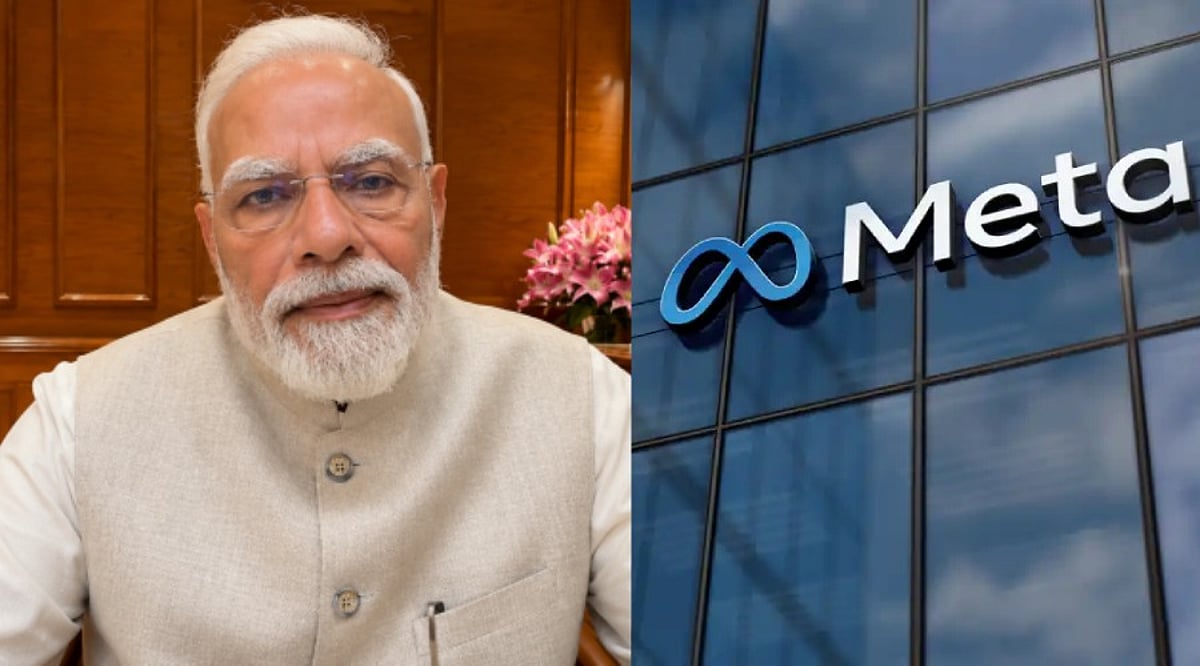
    Authorities summoned Meta after Facebook briefly restricted a video post from Prime Minister Narendra Modi. Kaplan later apologized for the error. Government sources said Meta CEO Mark Zuckerberg also apologized over the incident and other platform concerns.

    Officials said any legal proceedings would follow the required legal process. For now, authorities are assessing Meta’s conduct under Indian rules. They also seek answers across technical, policy, and legal areas.

    Meta’s Technical Team Continues Talks

    Meta’s technical team will continue discussions with government technology officials after Kaplan leaves India. The talks will cover recommendation systems, alleged bias, CSAM, fraudulent posts, deepfakes, and bot activity.

    Meta told officials that it was working to address harmful content and automated accounts. However, the meetings also covered how its systems rank lawful posts before any removal decision occurs.

    Government officials want clearer information on how automated tools separate harmful mobilization from legitimate reporting and political criticism. They also seek stronger cooperation when Indian law enforcement agencies investigate CSAM and fraud.

    Available reports do not confirm that Meta shared internal distribution data or a formal audit of protest-related recommendations. Discussions will continue between the company’s specialists and government teams.

    “The first question is whether they are functioning in accordance with the law of the land,” an official said. The government’s primary demand is compliance with Indian law, along with clearer answers about the automated systems that determine content visibility for Instagram and Facebook users.
  • Mark Zuckerberg Apologizes to Indian Government Over Content Moderation Failures

    Mark Zuckerberg Apologizes to Indian Government Over Content Moderation Failures

    Meta CEO Mark Zuckerberg has issued a formal apology to the Indian government following revelations of content moderation shortcomings on the company’s platforms. The apology, delivered during high-level meetings with officials from the Ministry of Electronics and Information Technology (MeitY), addresses the presence of child sexual abuse material (CSAM), deepfake content, and other operational failures.

    Government sources confirmed that the discussions centered on platform accountability, regulatory compliance, and user safety as India intensifies oversight of global technology companies. Indian authorities argued that Meta’s role in algorithmically selecting and promoting content could affect its eligibility for ‘safe harbour’ protection under the Information Technology Act, which shields neutral intermediaries from liability for user-generated content.

    During the meetings, Meta acknowledged concerns over its content moderation practices and expressed regret over operational errors, including the promotion of certain content through paid amplification. The company emphasized its willingness to cooperate with the government and improve its moderation systems.

    Earlier this week, a parliamentary panel raised concerns over the temporary removal of a Facebook post featuring Prime Minister Narendra Modi and sought an explanation from Meta’s leadership. Separately, child protection authorities have launched inquiries into allegations related to harmful content on Meta-owned platforms.

    With evolving digital regulations in India, Meta faces increasing pressure to enhance its moderation systems and collaborate more closely with the government. The incident underscores the growing importance of governance and trust in the digital ecosystem.

  • India Parliamentary Panel Puts Meta on Notice Over PM Modi Video Removal, Threatens Safe Harbour Repeal

    India Parliamentary Panel Puts Meta on Notice Over PM Modi Video Removal, Threatens Safe Harbour Repeal

    Meta is facing mounting pressure in India after a video featuring Prime Minister Narendra Modi was temporarily removed from one of its platforms. The video showed the Prime Minister assuring students that strict action would be taken against those responsible for a paper leak incident. Following the brief takedown, a parliamentary panel has demanded an apology from Meta, warning that the company could lose its safe harbour protections if it fails to comply.

    The Parliamentary Committee on Communications and Information Technology issued a three-day ultimatum to Meta CEO Mark Zuckerberg, insisting on an apology to Prime Minister Modi. BJP MP Nishikant Dubey, who chairs the panel, called the removal an “attack on democracy.” The safe harbour clause currently prevents the Indian government from filing First Information Reports (FIRs) directly against social media platform officials. Removing that clause would allow the government to take legal action.

    Meta had previously apologized for what it described as a technical glitch that caused the video to be removed. However, India’s Ministry of Information and Technology found that explanation insufficient and unconvincing.

    CSAM Scrutiny Intensifies

    The video removal is not the only regulatory challenge Meta faces in India. Last month, the company came under scrutiny over child sexual abuse material (CSAM) on its platforms. Reports indicated that such content was appearing in paid advertisements on Instagram, prompting the government to send Meta a formal notice.

    According to data from the National Crime Records Bureau, 1,238 cybercrime cases were registered against children in 2024. Of those, 1,099 involved the publication or transmission of sexually explicit material involving minors. Nishikant Dubey warned social media platforms, stating: “Pornographic content cannot be allowed in India. Child sexual abuse material is a heinous crime. AI-generated fake videos of women or obscene depiction of women are also heinous crimes.” He added that this issue “is above political parties, religion, and caste because this country is extremely sensitive when it comes to children and women.”

    The Indian government has warned social media platforms to either comply with CSAM rules or face legal action.

  • Indian Government Summons Meta Over Instagram Ads Allegedly Tied to Child Sexual Abuse Material

    Indian Government Summons Meta Over Instagram Ads Allegedly Tied to Child Sexual Abuse Material

    The Indian government has issued a summons to Meta after reports surfaced alleging that Instagram displayed advertisements linked to Child Sexual Abuse Material (CSAM). The move underscores growing nationwide concern over platform safety and content moderation practices.

    Union IT Minister Ashwini Vaishnaw has directed the Ministry of Electronics and Information Technology (MeitY) to demand an explanation from the social media giant regarding the alleged promotion of illegal material on its platform. According to government officials, Meta’s content moderation policies, ad review systems, and mechanisms to prevent the dissemination of such content will be scrutinized closely.

    The government intends to investigate the approval process for these advertisements and the detection methods in place. This development follows repeated calls from authorities for digital platforms operating in India to comply with national laws and ensure they do not host harmful or illegal content.

    Meta has not yet issued a public statement in response to the summons. The outcome of this inquiry will determine whether further legal action is taken against the company. The case highlights the ongoing debate about the responsibility of social media platforms to protect users, especially children, from exploitation and abuse.