Tag: customer experience

  • AI-First Service Delivery: How Enterprises Are Building Smarter Customer and Employee Experiences

    AI-First Service Delivery: How Enterprises Are Building Smarter Customer and Employee Experiences

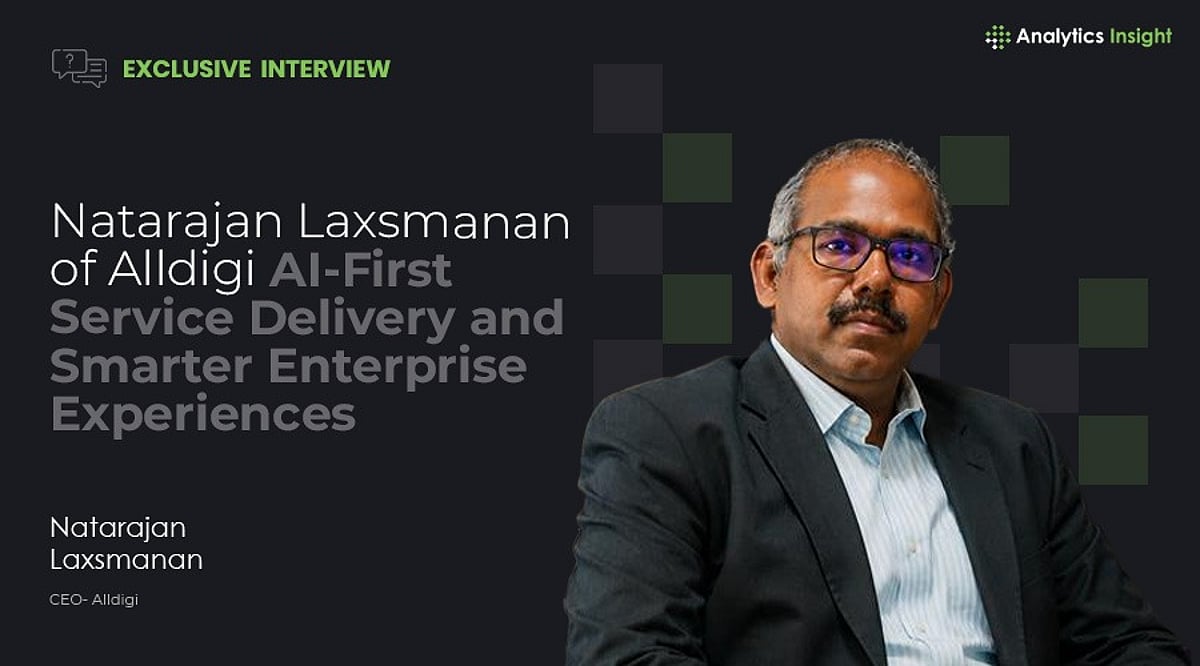
    Artificial intelligence is no longer just a support tool—it is becoming the foundation of enterprise service delivery. In a recent interview, Natarajan Laxsmanan, CEO of Alldigi, shared how AI is transforming customer and employee experiences through predictive engagement, intelligent automation, integrated workflows, and stronger governance. Here are the key insights from that conversation.

    From Reactive Support to Predictive Engagement

    AI is fundamentally changing customer experience by helping businesses move from issue resolution to issue prevention. Traditional support models are reactive: companies respond only after a customer raises a concern. AI enables organizations to anticipate needs by analyzing behavioral patterns, historical interactions, transaction data, and real-time signals.

    This intelligence allows businesses to proactively address issues, offer personalized recommendations, and create highly contextual interactions across channels. AI-powered virtual assistants, intelligent routing, sentiment analysis, and predictive service models are helping enterprises deliver faster resolutions while improving overall customer satisfaction. The result is a shift from transactional touchpoints to continuous, personalized engagement that strengthens loyalty and lifetime value.

    One practical way to operationalize this balance is to use AI-powered service platforms that bring AI agents and human teams together across channels. Connected knowledge, ticketing, messaging, voice, and reporting tools can help organizations automate routine, high-volume requests while keeping human expertise in the loop—supporting faster service without losing empathy or accountability.

    Employee Experience as a Strategic Growth Driver

    Employee experience is no longer just an HR priority; it is a business performance imperative. Organizations increasingly recognize the direct connection between employee satisfaction, productivity, innovation, retention, customer outcomes, and overall business growth.

    Modern employees expect workplace experiences that are as intuitive and responsive as the digital experiences they encounter as consumers. This requires cross-functional collaboration across HR, operations, technology, finance, and leadership teams. AI is helping organizations create more personalized employee journeys through intelligent support, workforce analytics, learning recommendations, and automated service delivery.

    Enterprises that treat employee experience as a strategic lever rather than an administrative function are better positioned to build an engaged workforce, improve operational agility, and drive sustainable growth in an increasingly competitive environment.

    Scaling AI Across the Enterprise

    The biggest challenge is not implementing AI, but identifying where it can create enterprise-wide value. Many organizations deploy AI in isolated applications, leading to fragmented insights and disconnected workflows.

    The real opportunity lies in connecting payroll, compliance, workforce management, and customer experience systems into an integrated operating ecosystem. When AI can access and analyze data across functions, it can uncover patterns, automate decisions, improve compliance oversight, optimize workforce planning, and deliver more personalized experiences for both employees and customers.

    However, success depends on strong data foundations, system interoperability, governance frameworks, security controls, and clearly defined business objectives. Organizations that get these fundamentals right can leverage AI as a strategic capability that delivers measurable improvements in efficiency, compliance, agility, and stakeholder experience.

    Balancing Automation with Human Interaction

    The goal of AI should not be to replace human interaction, but to elevate it. Automation is most effective when applied to repetitive, high-volume, and rules-based tasks, allowing employees to focus on activities that require empathy, judgment, creativity, and relationship-building.

    Whether serving customers or supporting employees, there will always be moments where human intervention is essential. Businesses must therefore design operating models where AI handles routine processes while humans manage complex and emotionally nuanced interactions.

    The organizations that achieve the best outcomes are those that view AI and human expertise as complementary strengths. This approach enables greater efficiency while preserving the trust, personalization, and authenticity that remain critical to exceptional experiences.

    Building an AI-First Operating Model

    Adopting an AI-first approach requires organizations to rethink more than technology. It demands changes across operating models, governance structures, and workforce strategies.

    First, businesses need to redesign workflows around intelligence, automation, and predictive decision-making rather than simply embedding AI into existing processes. Second, robust governance frameworks must be established to ensure transparency, accountability, security, privacy, compliance, and ethical AI usage.

    Equally important is workforce transformation. Employees need the skills and confidence to work alongside AI systems, interpret insights, and focus on higher-value responsibilities. Organizations that invest in continuous learning, digital capability building, and change management are more likely to realize the full benefits of AI.

    Ultimately, successful AI-first enterprises combine technology, governance, and people transformation to create scalable, trusted, and outcome-driven service delivery models that continuously evolve with business needs.


  • Publicis Sapient: Leading Digital Business Transformation Through Strategy, Creativity, and Technology

    Publicis Sapient: Leading Digital Business Transformation Through Strategy, Creativity, and Technology

    Company Overview

    Publicis Sapient is a dynamic digital business transformation partner within Publicis Groupe, renowned for blending strategy, creativity, and technology. The company empowers organizations to evolve, embrace innovation, and deliver meaningful customer experiences through agile thinking, modern engineering, and intelligent, data-driven solutions in a rapidly changing digital world.

    About the Company

    Publicis Sapient operates as a digital business transformation company focused on helping organizations navigate change and maintain competitiveness. The firm leverages three core business areas—strategy development, product creation, and engineering—to develop solutions that meet current market needs and customer requirements. Its comprehensive approach includes enterprise AI, digital transformation, and legacy system modernization, serving industries such as retail, financial services, automotive, energy, and travel. By building flexible data-driven platforms, Publicis Sapient enables businesses to transform operations while enhancing customer experiences and supporting ongoing expansion.

    Products and Services

    Publicis Sapient offers a wide range of solutions, including:

    • AI platforms and enterprise AI
    • Legacy modernization
    • Content supply chain automation
    • Customer engagement and experience transformation
    • Digital commerce and platform development
    • Data engineering and AI-powered managed services

    These offerings help enterprises scale operations, personalize interactions, and accelerate global product launches efficiently.

    Core Leadership Team

    The company is led by a team of experienced executives who guide its strategic vision and operational excellence. While specific names are not detailed in this profile, the leadership comprises professionals from diverse backgrounds in technology, consulting, and business transformation.

    Revenue Streams

    Publicis Sapient generates revenue through multiple channels:

    • Digital transformation consulting
    • Experience design and data engineering
    • AI-powered managed services
    • Platform development and retail media solutions
    • Outcome-based pricing models
    • Extended enterprise technology partnerships

    These services are offered to clients worldwide, ensuring a diversified and sustainable revenue base.

    Client Segments and Target Market

    Client Segments: Publicis Sapient provides digital transformation, AI platforms, consulting, and engineering services to global enterprises.

    Target Companies: Large enterprises and multinational corporations seeking scalable digital solutions, modernization, and AI-driven business transformation initiatives.

    Target Geography: The company operates globally across North America, Europe, Asia-Pacific, and emerging markets, delivering localized scalable digital solutions.

    Social Media and Contact

    For more information, visit Publicis Sapient’s official website or follow them on LinkedIn.

  • Firstsource: Driving Digital Transformation and AI-Powered Customer Experience Globally

    Firstsource: Driving Digital Transformation and AI-Powered Customer Experience Globally

    Company Overview

    Firstsource Solutions Limited is a global leader in Business Process Management (BPM), offering digital transformation services and customer experience solutions powered by artificial intelligence. The company serves clients across multiple industries through an extensive international network, combining AI with operational efficiency to deliver scalable, technology-driven outcomes.

    Core Offerings

    Firstsource provides a comprehensive suite of services including AI-driven customer experience, collections, consulting, IT services, digital platforms, analytics, and trust and safety solutions. Its UnBPO model and “Digital First, Digital Now” approach integrate automation with human expertise, enabling operational improvements for major enterprises worldwide.

    Industry Focus

    The company specializes in serving the healthcare, banking, and telecommunications sectors. Its offerings include customer support, back-office operations, data analytics, and revenue cycle management.

    Revenue Model

    Firstsource generates revenue through BPM services across healthcare, banking, and communications. Pricing models include FTE-based managed services, transaction-based pricing, platform-enabled solutions, and consulting. AI-driven automation and analytics underpin its operational processes.

    Client Segments and Geography

    B2B Focus: Firstsource targets large enterprises, global corporations, healthcare providers, banks, telecom firms, and organizations.
    Target Geography: The company operates globally, serving clients in North America, Europe, Asia-Pacific, and other markets.

  • ZoomMate and AI: Redefining Enterprise Collaboration for Indian Businesses

    ZoomMate and AI: Redefining Enterprise Collaboration for Indian Businesses

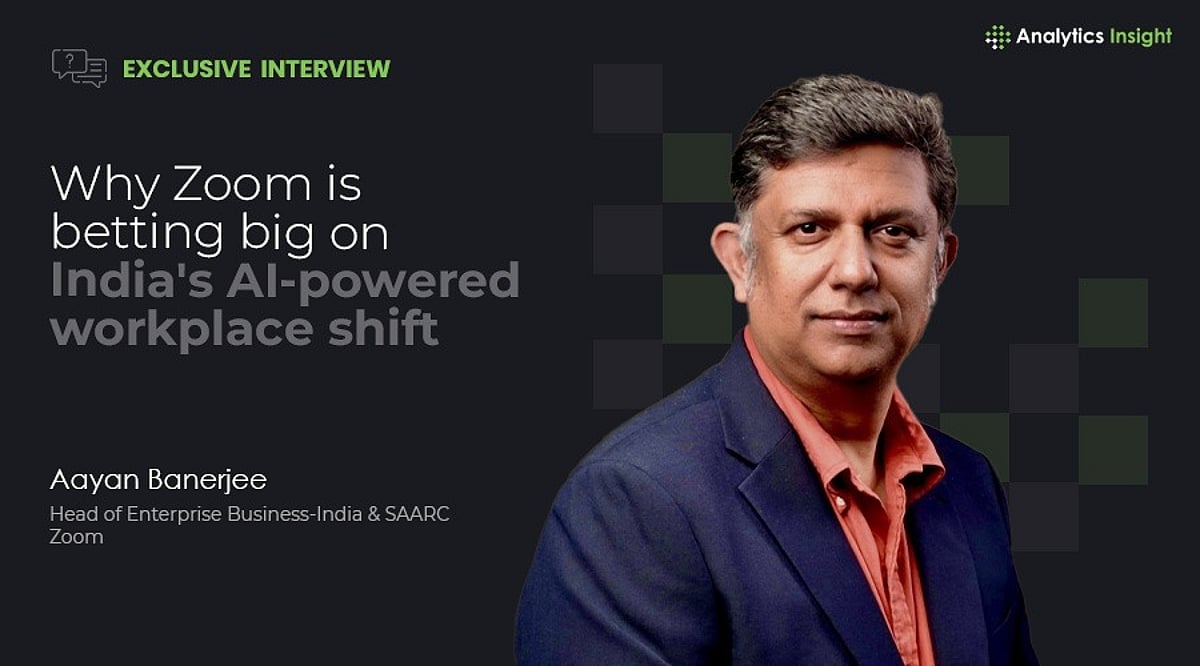
    Zoom is transforming from a simple video conferencing tool into a comprehensive platform for collaboration, customer engagement, and workflow automation, powered by artificial intelligence. In an exclusive interview with Analytics Insight, Aayan Banerjee, Head of Enterprise Business-India & SAARC at Zoom, shares how the company is helping Indian enterprises move from fragmented tech stacks to unified systems that drive real business outcomes.

    Banerjee explains that Zoom is evolving into a ‘system of action’ for modern work, designed to seamlessly blend video, voice, collaboration, and intelligent automation across the customer and employee experience. The focus is on turning conversations into outcomes, whether that means resolving a customer issue, closing a deal, or completing a project.

    Key to this vision is ZoomMate, an agentic AI work surface that helps users find relevant information across systems, coordinate actions, and transform conversations into completed work. Combined with Zoom Phone, Zoom Contact Center, and the Zoom AI Productivity Suite (including Canvas, Slides, and Sheets), organizations can reduce fragmentation and simplify operations.

    In India, Banerjee notes a strong demand for platform consolidation. Businesses are moving away from disconnected communication and customer engagement tools toward unified experiences. This is especially critical in sectors like BFSI and healthcare, where resolution speed is a competitive differentiator.

    Zoom’s AI Companion is embedded across the platform, helping users surface insights and action items. Zoom Phone unifies employee communications, while Zoom Contact Center connects customer interactions across voice, video, messaging, and digital channels. Together, these tools ensure context remains connected, reducing operational overhead and freeing teams to focus on high-value work.

    Banerjee highlights India as a strategic growth market, citing examples like Lenskart, which uses Zoom Contact Center for remote eye tests. Other features like Zoom Revenue Accelerator help sales teams gain conversation intelligence, and Zoom Events enables immersive hybrid experiences. With local phone number support and availability across six telecom circles, Zoom is well-positioned to help Indian enterprises reduce friction and accelerate outcomes.

  • Turn AI Time Savings into Revenue: A Practical Guide for Businesses

    Turn AI Time Savings into Revenue: A Practical Guide for Businesses

    How Businesses Can Convert AI Time Savings into Revenue

    Artificial intelligence is revolutionizing how companies operate by freeing up valuable time. Instead of using those hours solely for cost cutting, forward-thinking organizations are reinvesting them into revenue-generating activities. Here are seven proven strategies to turn AI-driven time savings into tangible business growth.

    Automate Repetitive Tasks

    Businesses can use AI to automate routine work such as data entry, scheduling, invoice processing, and report generation. The hours saved can be redirected toward revenue-generating activities like sales, customer acquisition, product development, and strategic planning. This shift helps teams focus on work that directly contributes to business growth instead of administrative responsibilities.

    Improve Customer Response Times

    AI-powered chatbots and virtual assistants can handle common customer queries around the clock. Faster responses improve customer satisfaction, reduce abandoned purchases, and increase conversions. Human agents can then focus on complex cases, strengthening customer relationships while allowing businesses to serve more customers without significantly increasing operational costs.

    Expand Services Without Expanding Teams

    AI enables businesses to scale content creation, marketing campaigns, analytics, and customer support without hiring large teams. Companies can launch new products, enter additional markets, or serve more clients efficiently, generating higher revenue while keeping staffing costs under control and maintaining consistent service quality.

    Personalize Marketing Campaigns

    AI analyzes customer behavior, preferences, and purchase history to deliver personalized recommendations and targeted promotions. Better personalization increases engagement, improves conversion rates, encourages repeat purchases, and boosts customer lifetime value – all of which allow businesses to generate more revenue from existing customers with optimized marketing efforts.

    Accelerate Product Development

    AI speeds up research, testing, and data analysis, reducing the time required to develop and improve products. Faster innovation helps businesses launch offerings ahead of competitors, respond quickly to market trends, and capture new revenue opportunities before demand shifts or competitors gain an advantage.

    Support Smarter Business Decisions

    AI-powered analytics transform business data into actionable insights, helping leaders identify profitable opportunities, forecast demand, optimize pricing, and reduce inefficiencies. Better-informed decisions minimize waste while improving profitability, enabling organizations to maximize returns from both existing operations and future investments.

    Reinvest Time Into High-Value Work

    The greatest value of AI comes from how businesses use the time it saves. Organizations that reinvest those hours into innovation, relationship building, employee training, and strategic growth initiatives are more likely to increase revenue than those treating AI solely as a cost-cutting tool.

  • How Experience-Driven Retail Is Redefining Shopping in 2026

    How Experience-Driven Retail Is Redefining Shopping in 2026

    The retail landscape is undergoing a profound transformation. By 2026, the focus will no longer be on transactions alone but on creating immersive, memorable experiences that keep customers coming back. From artificial intelligence to augmented reality, retailers are leveraging cutting-edge technology to build deeper connections with shoppers. Here’s a look at the key trends shaping the future of experience-driven retail.

    Immersive Shopping Experiences

    Interactive stores using AR, VR, and digital displays make shopping engaging and memorable. These technologies encourage customers to spend more time exploring products, leading to higher satisfaction and increased sales.

    Personalized Recommendations

    AI-driven insights help retailers deliver customized offers, product suggestions, and promotions. This level of personalization significantly improves customer satisfaction and purchasing decisions.

    Omnichannel Integration

    Seamless connections between online platforms and physical stores provide customers with convenient, flexible, and consistent shopping experiences everywhere they engage with a brand.

    Smart Store Technology

    Automated checkouts, smart shelves, and connected devices simplify shopping while improving operational efficiency and customer convenience across retail environments.

    Community Engagement

    Retailers increasingly host workshops, events, and exclusive experiences that strengthen customer relationships and encourage repeat visits beyond traditional shopping.

    AI-Powered Customer Service

    Intelligent chatbots and virtual assistants provide instant support, personalized assistance, and faster issue resolution throughout the shopping journey.

    Sustainability Initiatives

    Eco-friendly packaging, ethical sourcing, and transparent supply chains attract environmentally conscious consumers while building long-term brand loyalty and trust.

    Data-Driven Insights

    Retailers analyze customer behavior to optimize store layouts, inventory planning, and personalized marketing strategies for improved shopping experiences.

    Emotional Brand Connections

    Memorable retail experiences create stronger emotional relationships with customers, increasing loyalty, advocacy, and long-term business growth in competitive markets.

    As 2026 approaches, retailers that prioritize experience over mere transactions will lead the industry. By embracing AI, AR, omnichannel strategies, and sustainability, they can create a shopping future that is not only efficient but also deeply engaging.

  • How Agentic AI Transforms Customer Loyalty: Amresh Acharya on Proactive, Personalized Engagement

    How Agentic AI Transforms Customer Loyalty: Amresh Acharya on Proactive, Personalized Engagement

    Agentic AI is reshaping customer loyalty by enabling businesses to deliver personalized, proactive, and scalable experiences. Instead of focusing only on rewards, brands now build lasting relationships through intelligent, data-driven customer engagement.

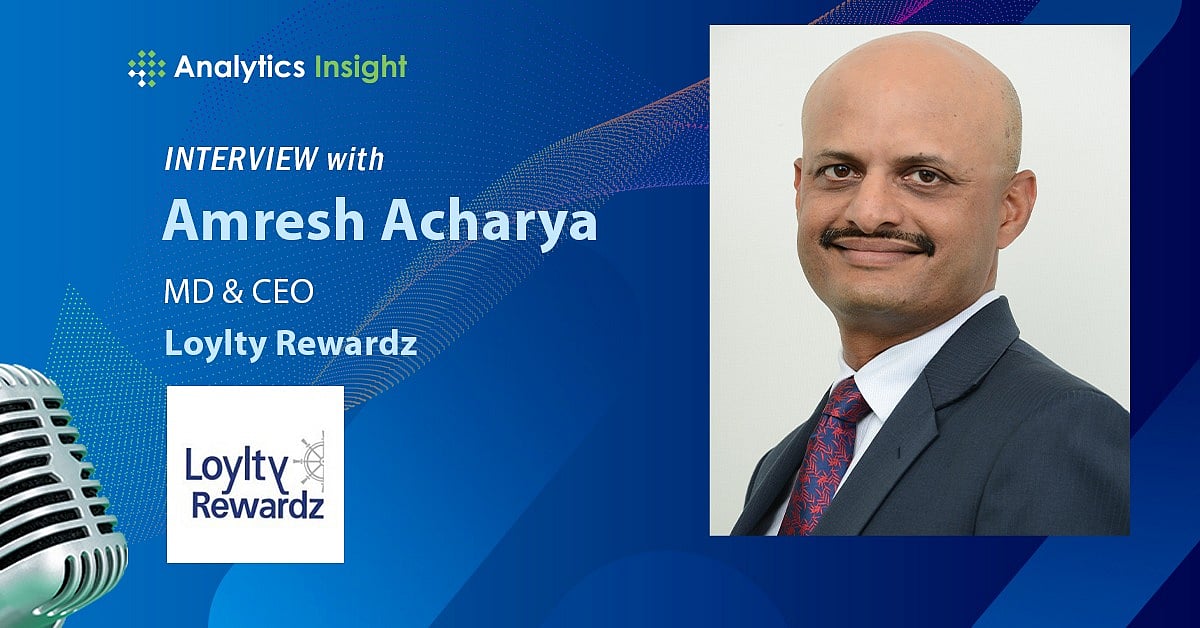
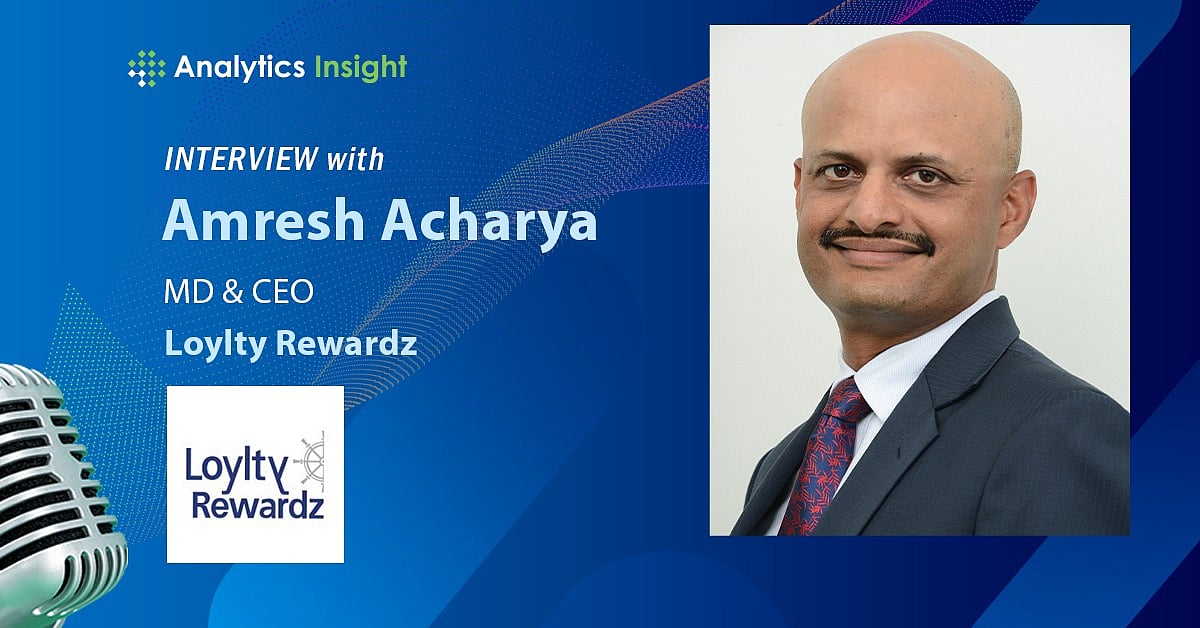
    In today’s episode of the Analytics Insight podcast, host Priya Dialani interviews Amresh Acharya, MD & CEO of Loyalty Rewardz, about how Agentic AI is revolutionizing customer engagement and loyalty. The episode features the evolving trend of companies going beyond conventional reward systems to engage customers using artificial intelligence solutions.

    Amresh provides information on how AI, machine learning, and data science can be used together to improve customer relationships and balance automation with human touch. He also sheds light on the importance of embracing responsible AI, customer data unification, and enterprise-level personalization to grow one’s business in the future. Here are the excerpts from the interview.

    What is Agentic AI and how does it benefit the customer experience?

    Unlike traditional AI, agentic AI does not simply answer customer queries. It understands context, predicts the customer’s future needs, and recommends services accordingly. Agentic AI will help brands provide more engaging experiences which do not come across as transactional.

    What does customer loyalty look like in the age of AI?

    The concept of loyalty has changed. Now customers expect to be understood by brands, remembered by them, and get customized services. Using artificial intelligence allows brands to develop relationships that motivate consumer loyalty.

    Is AI enough for a good customer experience?

    To some extent, AI-powered customer service can easily handle frequent queries that require quick answers. However, there are occasions when customers need help that cannot be provided by a machine and requires human assistance.

    Why is data critical to the success of AI-driven loyalty programs?

    AI performance is dependent upon the data it gets. Correct and correlated data about the customer helps firms understand their behaviors and preferences and personalize for them. Fragmented data prevents the AI from making any relevant suggestions for its customers.

    What do companies need to do before implementing Agentic AI?

    AI implementation starts with good data management, goal setting, and process design. Companies need to begin addressing customer challenges, have appropriate AI governance, and retain human involvement in critical decision-making processes.

  • How Agentic AI Drives Customer Loyalty: Insights from Loyalty Rewardz CEO Amresh Acharya

    How Agentic AI Drives Customer Loyalty: Insights from Loyalty Rewardz CEO Amresh Acharya

    In an era where customer expectations are rapidly evolving, businesses are turning to Agentic AI to build deeper, more meaningful loyalty. Unlike traditional reward programs, Agentic AI enables proactive, personalized engagement that anticipates customer needs before they arise.

    In a recent episode of the Analytics Insight podcast, host Priya Dialani sat down with Amresh Acharya, Managing Director & CEO of Loyalty Rewardz, to explore how artificial intelligence is transforming customer loyalty. Acharya shared his expertise on integrating AI, machine learning, and data science to enhance customer relationships while balancing automation with the human touch. He emphasized the importance of responsible AI, unified customer data, and enterprise-level personalization for sustainable business growth. Below are key insights from the conversation.

    What Is Agentic AI and How Does It Benefit Customer Experience?

    Unlike conventional AI, Agentic AI doesn’t just answer queries; it understands context, predicts future needs, and recommends services accordingly. This allows brands to deliver engaging experiences that feel genuine rather than transactional.

    Customer Loyalty in the Age of AI

    The concept of loyalty has shifted. Today, customers expect brands to understand them, remember their preferences, and offer customized services. AI enables brands to develop relationships that naturally foster loyalty.

    Is AI Enough for a Good Customer Experience?

    AI-powered customer service handles frequent, straightforward queries efficiently. However, there are situations where human assistance is irreplaceable, especially when customers need empathy or complex problem-solving. The key is blending AI with human touchpoints.

    Why Data Is Critical for AI-Driven Loyalty Programs

    AI performs optimally when fed high-quality data. Accurate, correlated customer data helps firms understand behaviors and preferences, enabling personalization. Fragmented data prevents AI from making relevant suggestions, undermining the loyalty effort.

    Steps Before Implementing Agentic AI

    Successful AI implementation begins with robust data management, clear goal setting, and thoughtful process design. Companies need to address specific customer challenges, establish proper AI governance, and ensure human involvement in critical decisions.

    Acharya’s insights underscore that Agentic AI is not a replacement for human interaction but a powerful tool to elevate customer loyalty through proactive, personalized engagement.

  • How Artificial Intelligence Is Transforming Luxury Fashion Design

    How Artificial Intelligence Is Transforming Luxury Fashion Design

    Artificial intelligence is revolutionizing the luxury fashion industry, from trend forecasting and personalized designs to sustainable production and counterfeit detection. Here are the key ways AI is reinventing luxury fashion design:

    • Trend Forecasting: AI analyzes global fashion trends, consumer behavior, and social media activity to help designers anticipate future style preferences.
    • Personalized Designs: Luxury brands use AI to recommend customized clothing, colors, and styles tailored to individual customer tastes and preferences.
    • Fabric Innovation: Artificial intelligence helps researchers identify advanced materials that improve comfort, durability, and environmental sustainability in luxury apparel.
    • Digital Prototyping: Designers create and test virtual garments before production, reducing development time, material waste, and manufacturing costs significantly.
    • Smart Manufacturing: AI streamlines production planning, quality control, and inventory management, improving efficiency throughout luxury fashion supply chains.
    • Virtual Fashion Shows: Fashion houses increasingly showcase collections through AI-powered virtual presentations, reaching global audiences beyond traditional runway events.
    • Counterfeit Detection: Artificial intelligence helps brands identify fake luxury products by analyzing patterns, materials, and manufacturing inconsistencies more accurately.
    • Customer Experience: AI-powered assistants provide personalized shopping recommendations, styling advice, and product discovery across online and offline retail channels.
    • Sustainable Production: Machine learning reduces fabric waste, predicts demand accurately, and supports responsible sourcing to improve sustainability across luxury fashion.

    These innovations are not only enhancing creativity and efficiency but also driving a more sustainable and personalized future for high-end fashion.

  • AI and FinTech Are Transforming Banking: Personalization, Speed, and Proactive Support

    AI and FinTech Are Transforming Banking: Personalization, Speed, and Proactive Support

    From Transactions to Relationship Management

    Traditional banking operated on a transaction model: customers visited branches, filled out paperwork, and received products. Today, the focus has shifted to relationship management. Financial institutions and FinTechs leverage data on earnings, spending, savings, and financial goals to deliver personalized solutions that adapt to each customer’s life stage.

    Personalization for Everyday Life

    Data analytics enables banks to uncover patterns in spending habits, income cycles, and financial plans. This leads to:

    • Personalized credit card offers based on actual spending behavior
    • Savings plans aligned with monthly cash flow
    • Investment options tailored to risk tolerance and time horizons

    Customers no longer face a fixed list of products; they receive advice that feels relevant to their unique situation.

    Support That Works When You Need It

    Customer support has evolved dramatically. Chatbots and virtual assistants handle routine tasks—checking balances, recent transactions, blocking cards, or resetting passwords—around the clock. For complex issues, the system collects details and transfers them to a human agent who has full context, enabling faster resolutions.

    Payments That Are Fast and Secure

    AI and FinTech have upgraded payment and money transfer systems. Biometric authentication (face scan, voice check, fingerprint) makes access simple and secure. Fraud detection systems analyze each transaction in real time, blocking risky moves while minimizing false alarms. FinTech platforms embed payments into daily activities—online shopping, travel bookings, ride apps, and food orders—making banking seamless.

    Banking That Helps You Stay on Track

    Modern banking is proactive. Systems can:

    • Warn about unusual spending or potential overspending
    • Suggest budget adjustments or better loan terms based on cash flow
    • Offer insurance or savings ideas when life changes occur (new job, marriage, child, home purchase)

    Banks are transitioning from account holders to financial partners that guide customers through different life stages.

    The Role of FinTech and Neobanks

    FinTech companies and neobanks have accelerated innovation in user experience, speed, and transparency. Key features include:

    • Account opening in minutes with minimal documentation
    • Real-time updates, intuitive interfaces, and easy controls
    • Payment-splitting services, quick loans, and transparent pricing

    Open Banking and Customer Control

    Open Banking regulations and APIs allow FinTechs to access consumer data (with consent) and provide deeper analysis. Benefits include:

    • Aggregating accounts from multiple banks in one place
    • Comparing loans, credit cards, and savings across institutions
    • Easy account or loan transfers

    Customers now have greater control and visibility, enabling them to choose better options and switch services when needed.

    What Banking Will Look Like Next

    In the coming years, banking will become highly predictive and automated. Systems will anticipate customer goals and actions, managing cash, savings, credit, and investments with minimal human intervention. Tasks like refinancing or adjusting investment strategies may happen automatically. Expect faster onboarding, personalized advice in local languages, and banking features integrated into shopping, UPI, and travel apps.

    Conclusion

    Artificial Intelligence and FinTech are transforming banking from a product-oriented industry to a customer-centric one. The future promises speed, personalization, and proactive support, delivering a smoother, more efficient experience for all customers.