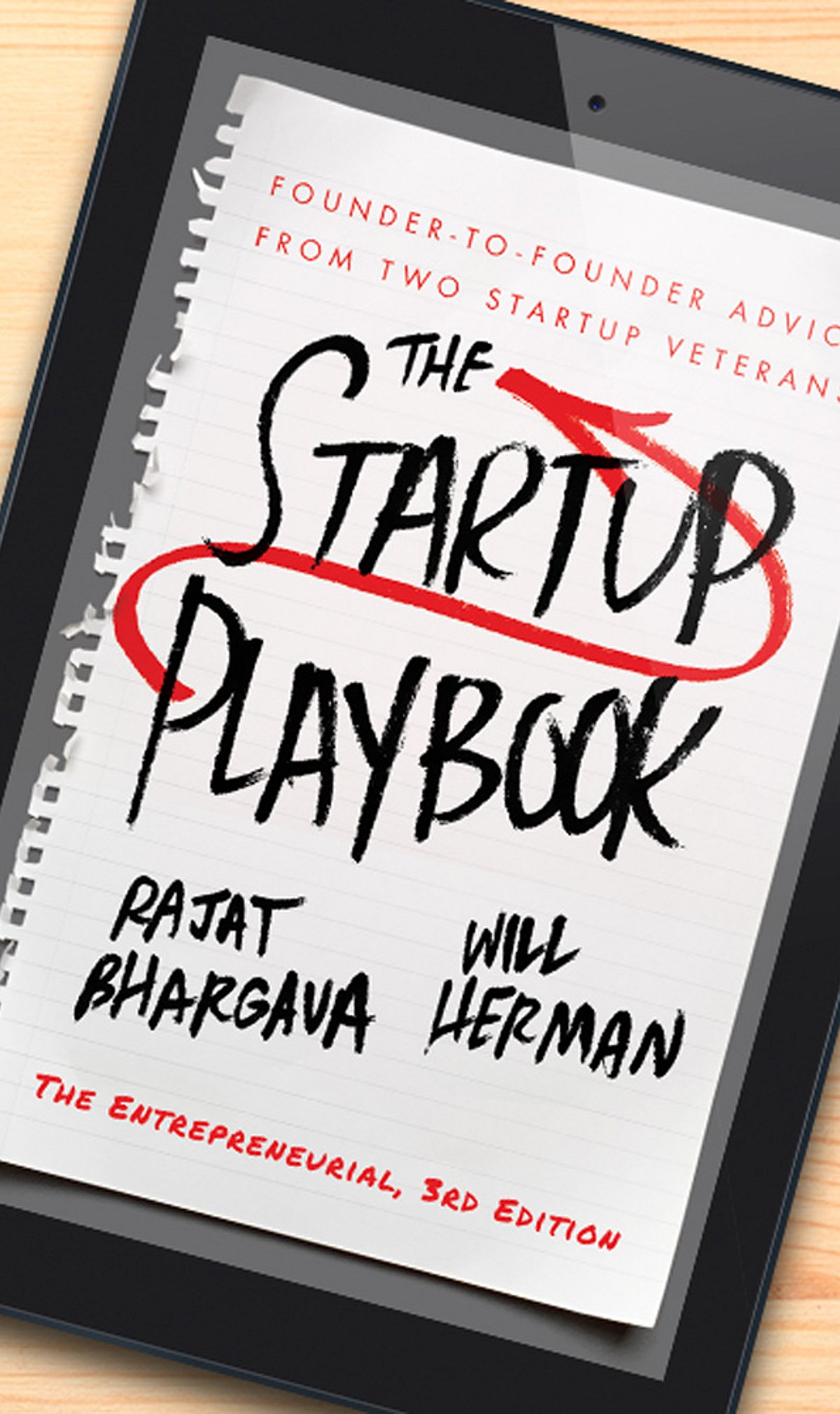
Launching a startup is an exhilarating journey, but it’s also fraught with challenges. Every founder needs a reliable playbook to navigate the early stages of building a company. Below are ten proven strategies that can help you avoid common pitfalls, validate your ideas, and build a sustainable business. These lessons are not just theoretical—they are drawn from the real-world experiences of successful startups that prioritized solving customer problems, iterating quickly, and maintaining financial discipline.
Start With a Real Problem
Successful startups don’t chase trends; they solve genuine customer problems. Instead of building features based on assumptions, focus on identifying pain points that people actually experience. This customer-first approach ensures that your product has a real market from day one.
Validate Before Building
Before investing significant time and money, test your idea. Use surveys, landing pages, or simple prototypes to gather early feedback. This validation step saves resources, reduces risk, and dramatically improves your product-market fit by aligning your offering with actual demand.
Keep the MVP Simple
Launch a minimal viable product (MVP) that includes only the core features necessary to solve the problem. Resist the urge to add bells and whistles. Gather user insights, then improve incrementally based on real feedback. This lean approach accelerates learning and reduces waste.
Build a Customer-First Culture
Listen to your customers every day. Happy users become loyal advocates who spread the word about your product. Embed customer feedback into every decision, from product development to support. This culture of listening creates a competitive advantage that’s hard to replicate.
Measure What Matters
Focus on meaningful metrics like retention, revenue, and engagement. Vanity numbers—such as total downloads or page views—can be misleading. Prioritize data that directly informs business decisions and drives growth.
Hire for Skills and Mindset
When building your team, look for people who adapt quickly, solve problems, and share your vision. A strong, purpose-driven team outperforms a larger but unfocused group. Culture fit and collaborative spirit are just as important as technical expertise.
Master Cash Flow Early
Cash flow is the lifeblood of any startup. Control expenses, monitor income regularly, and extend your financial runway. Healthy cash flow gives you the flexibility to weather unexpected challenges and seize opportunities.
Learn From Every Failure
Treat mistakes as valuable lessons rather than setbacks. Analyze failures honestly, adjust your strategies, and return stronger. A growth mindset turns setbacks into stepping stones for future success.
Stay Flexible and Keep Iterating
Markets change constantly. Founders must remain agile and continuously improve their products and processes. Regular iteration ensures you stay competitive and meet evolving customer expectations.
By adopting these playbooks, you can build a startup that is resilient, customer-focused, and ready for long-term growth. The journey is challenging, but with the right strategies, you can turn your vision into a thriving business.